REVIEW · TOKYO
Asakusa: Kimono Tea Ceremony with Matcha and Sweet
Book on GetYourGuide →Operated by GLOBA Inc. · Bookable on GetYourGuide
Your first sip of matcha starts with a kimono. This is a 90-minute Asakusa experience where you learn tea ceremony etiquette, pick out a seasonal outfit, then whisk your own bowl of matcha. It is calm, hands-on, and very photo-friendly.
I especially love the kimono dressing part, because they help you choose the look, and the results look intentional, not rushed. I also love the quiet tea room instruction, including clear explanations of the tea principles Wa, Kei, Sei, and Jaku, plus a real matcha-making demo and your turn at the whisk.
One consideration: the ceremony is done on tatami mats, and while bamboo chairs are available if you request them in advance, you should still be comfortable with sitting quietly for about 90 minutes, with no shoes allowed.
In This Review
- Key highlights at a glance
- A 90-Minute Asakusa Kimono Tea Ceremony That Actually Feels Like Japan
- First Step: Choosing Your Seasonal Kimono Look
- The Dressing Process: Hair Styling and That Moment Everything Clicks
- Tea Room Etiquette: Wa, Kei, Sei, and Jaku
- Matcha Demonstration: Seeing Tools Treated Like Artifacts
- Your Turn: Whisking Matcha the Traditional Way
- Wagashi Pairing: Seasonal Japanese Sweets with Your Tea
- Tatami Seating and Bamboo Chairs: Plan for a Quiet 90 Minutes
- Photos in Kimono: Small Garden Spots and Help From the Team
- Who This Experience Fits Best (and Who Might Skip It)
- Price and Value: Is $66 Worth It?
- Practical Tips Before You Go
- Should You Book This Asakusa Kimono Tea Ceremony?
- FAQ
- FAQ
- How long is the Asakusa kimono tea ceremony?
- How much does it cost per person?
- Does the price include the kimono and dressing?
- Do you get to style your hair?
- Is the tea ceremony explained in English?
- Can you sit in a chair instead of on tatami mats?
- Are shoes allowed during the ceremony?
- Is transportation to the venue included?
- What is included besides matcha?
- Are children allowed?
Key highlights at a glance
- Seasonal kimono selection with professional dressing and matching hair styling (for women, long hair only)
- Full English guidance from start to finish, so the etiquette actually makes sense
- Hands-on matcha whisking, not just watching
- Wagashi pairing with your freshly made matcha (seasonal sweets)
- Staged photo spots indoors plus a small garden setup for pictures
- Small groups, about 12–14 participants, so it feels personal
A 90-Minute Asakusa Kimono Tea Ceremony That Actually Feels Like Japan
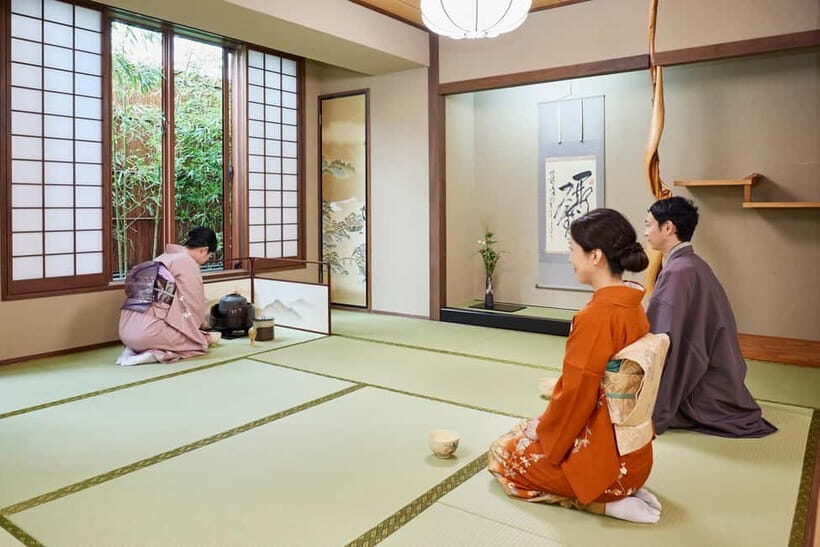
If you want a Tokyo cultural activity that doesn’t feel like a checklist, this one is built for you. In 90 minutes, you get the full flow: kimono dressing, a lesson on how the tea ceremony works, and then the moment you whisk matcha yourself.
Tokyo has plenty of loud attractions. This one goes the opposite direction: quiet room, careful movements, and a host who explains what you’re doing and why it matters. The result is memorable, not just pretty.
You can also read our reviews of more tours and experiences in Tokyo.



First Step: Choosing Your Seasonal Kimono Look
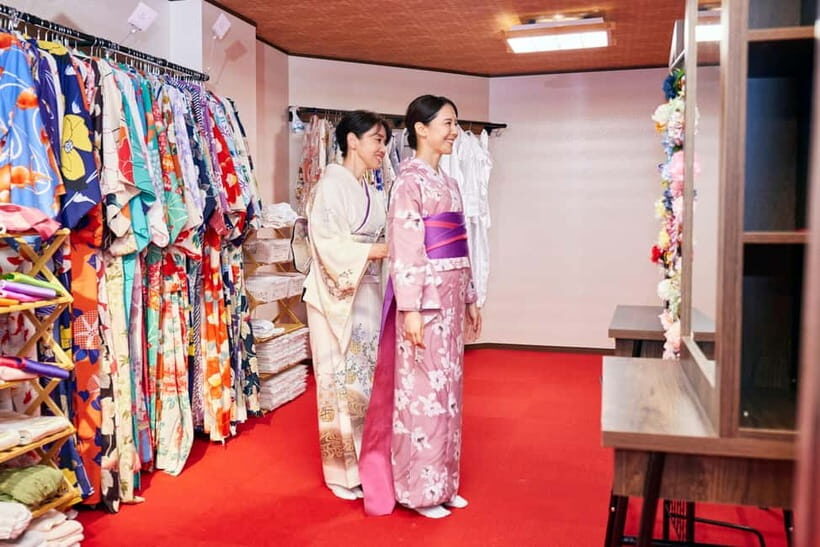
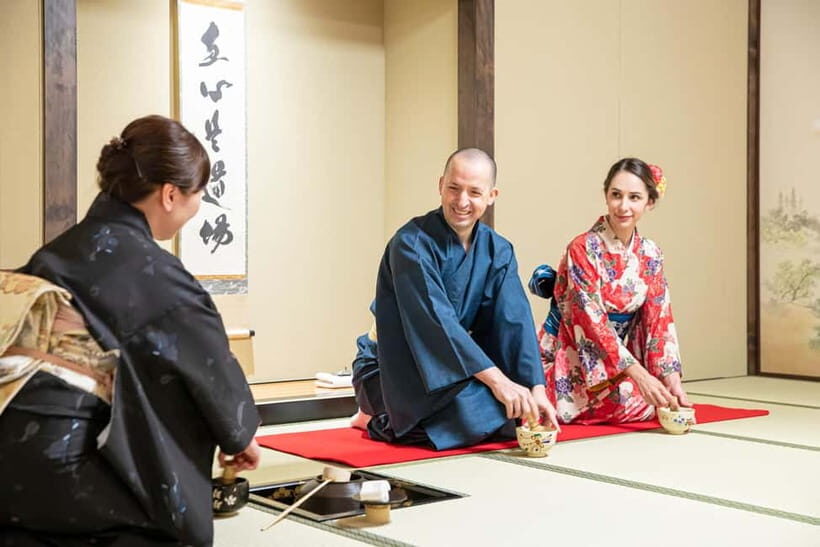
The experience starts with choosing a seasonal kimono, with staff helping you look your best. You’re not stuck wearing whatever is first on a rack. You can take your time choosing color and style, including accessories that help complete the outfit.
From the reviews, the dressing team also pays attention to the details people care about: matching obi choices, hair accessories, and making the overall look feel finished. If you’re someone who loves photos, the kimono experience is half the fun because it transforms your whole look fast.
Practical note: shoes are not allowed, so plan to wear easy slip-off footwear to the venue. Also, hair styling is listed for women with long hair only, so if your hair is shorter, you’ll want to confirm what they can do during check-in.
The Dressing Process: Hair Styling and That Moment Everything Clicks
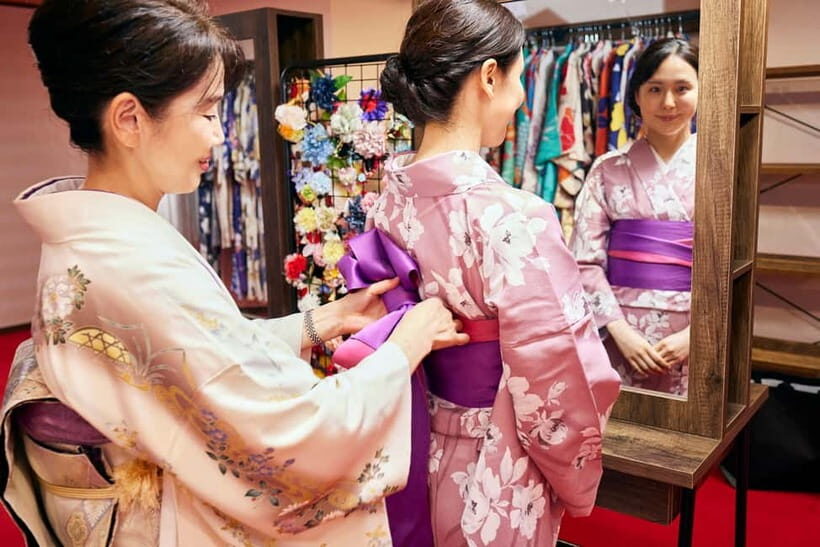
After you pick your kimono, you’ll get professional dressing help. Women can also get hair styling to coordinate with the outfit, and you’ll usually walk out looking like you planned this for weeks. Even in quick sessions, the staff tends to move efficiently, which matters because you’ll want time for photos afterward.
One thing I like about experiences like this is that they reduce decision fatigue. You show up, and the team guides the look end-to-end. That is especially helpful if you’re unsure how obi and accessories work, or if you just want something that looks right without stress.
If you’re traveling solo, you might appreciate that the team has a track record of helping with photos, not just pointing you toward a corner and hoping for the best.
Tea Room Etiquette: Wa, Kei, Sei, and Jaku
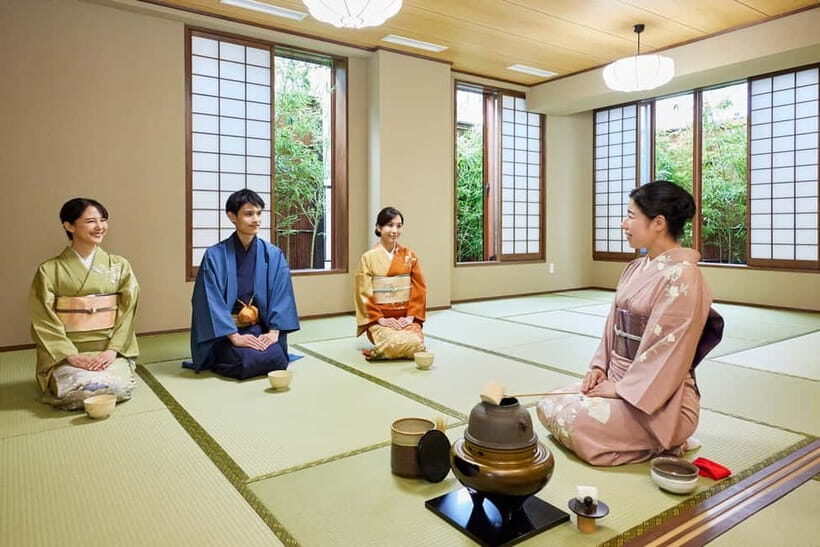
Once you’re dressed, you step into a serene tea room where a tea master guides the ritual. This part is not about memorizing steps like a dance routine. It is about understanding the meaning behind the actions.
You’ll learn the principles of Wa (harmony), Kei (respect), Sei (purity), and Jaku (tranquility). The teaching style is designed for English speakers, since the experience runs with full English guidance and bilingual staff support.
And this is where the experience becomes more than a photo opportunity. When you understand the why—how the host handles tools, how the timing works, and how the space is meant to feel—you’re more likely to enjoy the ceremony instead of just waiting for it to be over.
Matcha Demonstration: Seeing Tools Treated Like Artifacts
The host demonstrates preparing matcha with careful, precise handling of the utensils. Many of the items are described as treasured artifacts, which changes how you perceive the ritual. You’re watching tools get respected, not just used.
This demo matters because you’re about to do it yourself. If you’re new to tea ceremony, you’ll pick up the small details that affect the end result: how the whisk moves, what the bowl process looks like, and how to stay calm while you practice.
Expect a quiet pace. This isn’t a fast, entertainment-heavy performance. It’s calm, structured, and meant for attention.






Your Turn: Whisking Matcha the Traditional Way
Then comes the best part: you whisk your own bowl of matcha. This is where you get the hands-on value, because you’re not just tasting—you’re participating.
You’ll make the whisked matcha yourself, then enjoy it fresh. If you’ve had matcha as an iced drink, this is different. The ceremony format encourages you to slow down and taste it as part of the whole ritual, not just a caffeine hit.
Timing-wise, everything fits inside the 90 minutes. That means you get the full arc—dressing, explanation, demonstration, your whisk, then sweets—without feeling stuck for hours in one spot.
Wagashi Pairing: Seasonal Japanese Sweets with Your Tea
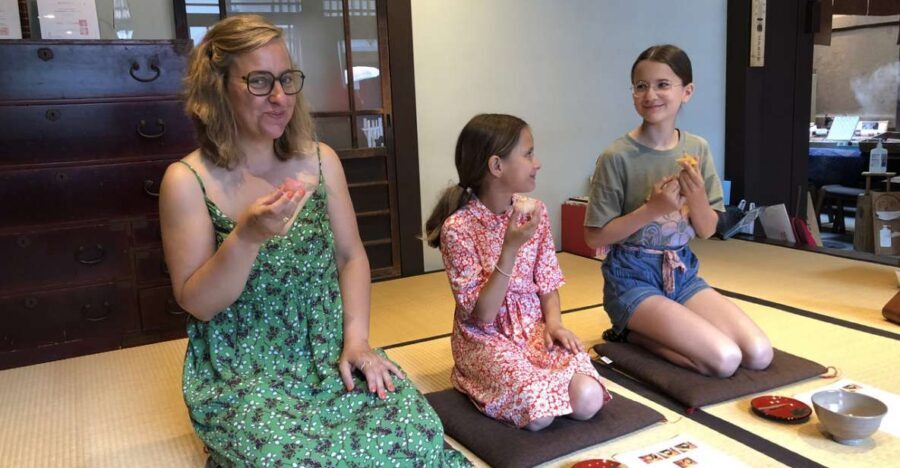
After the matcha portion, you get seasonal Japanese sweets called wagashi. In practice, wagashi is a big deal because it’s made to match the season’s flavors and visual mood, so your tea doesn’t taste like an isolated drink.
Several reviews also mention that the wagashi was delicious and, in at least one case, described as vegan-friendly. That’s not the same as a guaranteed vegan menu, so if that matters for you, you’ll want to ask directly before your session. Still, it’s a good sign that the sweets can work for different diets.
This pairing helps the experience land emotionally. Matcha can be a strong flavor if you’ve only had it in desserts. The wagashi gives you a counterpoint that makes the whole tasting feel balanced.
Tatami Seating and Bamboo Chairs: Plan for a Quiet 90 Minutes
The ceremony seating is on tatami mats. If you know you’ll struggle with sitting on the floor comfortably, ask in advance for bamboo chairs, which are available upon request.
This is the kind of detail that can make or break your experience if you ignore it. The ceremony is quiet by design, and you’ll want your body to cooperate so your mind can enjoy the ritual.
Also keep in mind the activity rules: children under 7 years old are not permitted. That helps keep the tone calm and respectful, which is exactly what you want in a tea ceremony.
Photos in Kimono: Small Garden Spots and Help From the Team
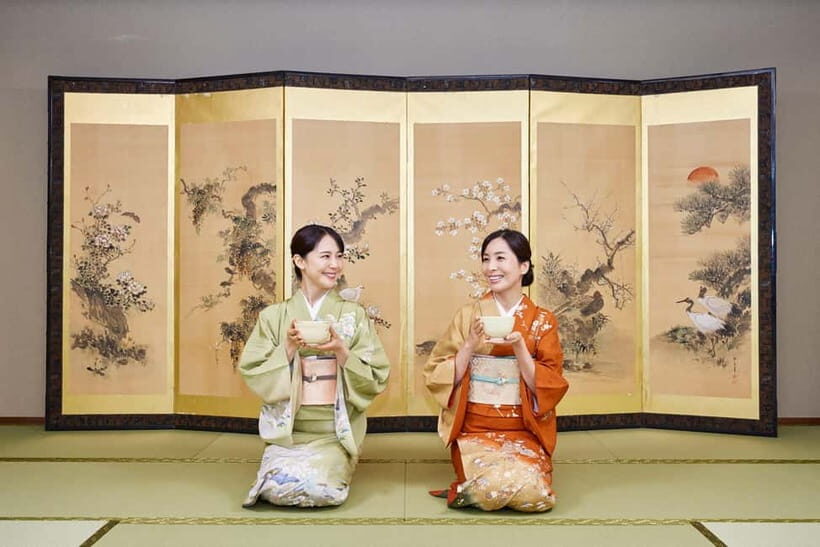
Kimono tea ceremonies are naturally photogenic, but the difference here is that the setup includes multiple locations for photos. Reviews mention a small garden area for pictures and indoor spots that look staged and intentional.
Staff also appear to help people take photos, including for couples and solo travelers. If you’re going to invest time and money in a kimono session, this matters. You want images where you look posed and stylish, not just caught mid-walk.
There is also a practical benefit: you can sometimes walk around in your kimono afterward. One review describes going out and doing sightseeing afterward, so ask your host what is allowed for your session. If it’s cold, you may decide not to, but the option is there.
Who This Experience Fits Best (and Who Might Skip It)
This is a great fit if you want:
- A cultural activity that’s hands-on, not just watching
- A quieter experience with a clear explanation in English
- A chance to wear a kimono that is helped into place professionally
- A matcha experience that ends with you tasting your own bowl
It might not be the best choice if you:
- Need lots of walking around during the activity itself
- Don’t want to sit on tatami mats (and haven’t requested bamboo chairs)
- Are looking for a lively, high-energy event
For solo travelers, the support for photos and the calm group format can be a big plus. For couples, it can feel romantic and special because the kimono reveal and ceremony are visually memorable.
Price and Value: Is $66 Worth It?
At $66 per person for about 90 minutes, the value depends on what you’re trying to get out of Tokyo. If you’re only buying a matcha tasting, the price may feel high. If you’re buying dressing, instruction, tools, participation, and a photo-friendly setup, it’s much easier to justify.
Here’s what’s included in a way that adds real cost value:
- Traditional tea ceremony with a structured explanation
- Kimono rental plus professional dressing
- Hair styling for women with long hair only
- Matcha green tea preparation, including your own whisking
- Seasonal wagashi
- Full English guidance throughout
What’s not included: transportation and any meals beyond the included sweets. So if you’re budgeting your whole day, plan on grabbing food before or after elsewhere.
The strongest value play is simple: you pay once and get the full experience in one sitting—kimono + lesson + matcha hands-on + sweets—without having to coordinate multiple activities on your own.
Practical Tips Before You Go
A few small things will make your time smoother.
1) Plan for a calm pace
This ceremony is quiet and designed for focus. Treat it like an appointment, not a sightseeing sprint.
2) Think about your feet and clothing
No shoes are allowed during the ceremony. Wear comfortable clothes underneath layers that you can move in easily.
3) Request a chair if you need it
Tatami seating is part of the experience. If you have any doubt, ask ahead for bamboo chairs.
4) Women with shorter hair should check
Hair styling is listed for long hair only. If that’s you, confirm what they can offer so expectations match reality.
5) Bring your photo mindset
There are photo opportunities indoors and a small garden setup. The team also helps with photos, so tell them what you want—solo, couple, full kimono shot—before you start whisking matcha.
Should You Book This Asakusa Kimono Tea Ceremony?
Book it if you want a cultural experience that’s quiet, structured, and actually participatory. The combination of kimono dressing, English guidance, matcha whisking, and wagashi makes it feel complete in a short time.
Skip it if you dislike sitting on tatami mats, you want a loud event, or you’re mainly after a casual matcha snack. Also, if you’re traveling with kids under 7, this one won’t work due to the age restriction.
If you do book, aim to treat the ceremony as the main event. Dress up, let the host guide you through the principles of Wa, Kei, Sei, and Jaku, and take your time tasting the matcha you made.
FAQ
FAQ
How long is the Asakusa kimono tea ceremony?
The experience lasts about 90 minutes.
How much does it cost per person?
It costs $66 per person.
Does the price include the kimono and dressing?
Yes. Kimono rental and professional dressing are included.
Do you get to style your hair?
Women can get hair styling, but it is listed for long hair only. Styling is included in the experience.
Is the tea ceremony explained in English?
Yes. The experience includes full English guidance, and the team is bilingual.
Can you sit in a chair instead of on tatami mats?
Tatami mats are used for seating, but bamboo chairs are available upon advance request.
Are shoes allowed during the ceremony?
No. Shoes are not allowed.
Is transportation to the venue included?
No. Transportation is not included.
What is included besides matcha?
You’ll also have seasonal Japanese sweets called wagashi.
Are children allowed?
Children under 7 years old are not permitted.