REVIEW · KAMAKURA
Kamakura Full-Day Private Tour
Book on Viator →Operated by Fulfilling Inc. · Bookable on Viator
Kamakura rewards a good plan. This private full-day tour uses public transport to hit major sights in about 6.5 hours, with moderate walking and a guide who keeps the day understandable. You’ll focus on classic stops like Hase-dera, Kotoku-in’s Great Buddha, Hokoku-ji’s bamboo, and Tsurugaoka Hachiman Shrine.
What I like most is the private format: you won’t be splitting attention with other groups, and you can actually hear the stories behind each place. I also like that it’s built around public transportation, so you get a practical route through the city instead of one long, confusing taxi hop.
One drawback to factor in: the tour price covers the guide, but admission fees and public transport are on you, plus food and drinks. If you’re traveling with a tight budget, you’ll want to estimate those extras before you book.
In This Review
- Key highlights at a glance
- Kamakura in 6½ hours: how this day plan feels
- Starting and ending at Kamakura Station (and why it helps)
- Hasedera Temple: flowers by season, plus that peaceful stair-step approach
- Kotoku-in and the Great Buddha: when the scale hits you
- Hokoku-ji Bamboo Temple: cool, quiet, and a little mysterious
- Tsurugaoka Hachiman Shrine: a major shrine in the city’s center
- Komachidori for snacks and quirky browsing
- Price and value: what $162.59 really covers
- Guide experience: what to expect from an English-speaking pro
- Getting the most out of the moderate walking
- Who should book this Kamakura private tour
- Should you book this Kamakura Full-Day Private Tour?
- FAQ
- How long is the Kamakura Full-Day Private Tour?
- Where do I meet the guide, and where does the tour end?
- What stops are included in the day?
- Are admission tickets included?
- Is food included?
- Is public transportation included?
- What’s included in the tour price?
- How much walking is involved?
- What if the weather is poor?
- What is the cancellation policy?
- When will I receive confirmation after booking?
Key highlights at a glance
- Private guide time: you can set a comfortable pace and ask questions as you go
- Public transport route: you’ll cover four big temple/shrine areas without feeling stuck
- Hase-dera’s flower reputation: seasonal blooms are a big part of the draw
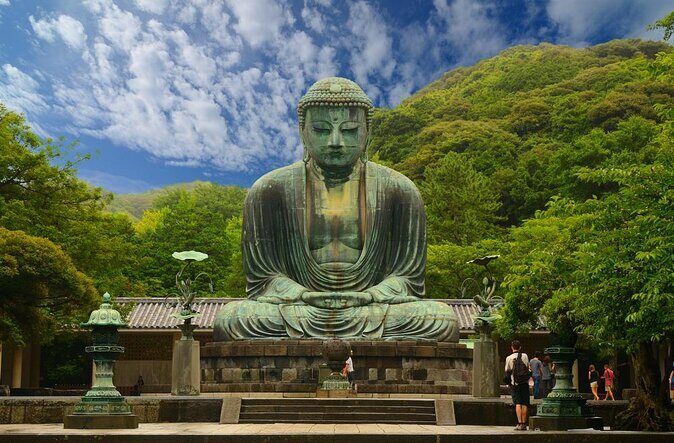
- Kotoku-in Great Buddha outdoors: a huge bronze Amida Buddha in open-air setting
- Hokoku-ji bamboo temple calm: a cool, mysterious bamboo garden experience
- Komachidori street stop: time to browse food and unique shops
Kamakura in 6½ hours: how this day plan feels
This tour is designed for people who want Kamakura’s highlights without losing the whole day to logistics. You’re out for about 6 hours 30 minutes, and the route is built around four major religious sites plus a shorter stroll on Komachidori. That time balance matters: you get variety (temple gardens, a giant Buddha, a bamboo grove, and a shrine in the city center) without the “we’re rushing nonstop” vibe.
The private guide also changes how the day reads. Temples and shrines can look similar if you’re just walking through. With a guide, you get the who/what/why behind each stop, so you’re not just collecting photos—you’re understanding what you’re looking at.
There’s also a “good for real travel” factor here: the tour uses public transport, so you’re moving like a local visitor would, not like the day is a series of expensive transfers. I appreciate that kind of practical planning.
You can also read our reviews of more private tours in Kamakura
Starting and ending at Kamakura Station (and why it helps)
You meet at Kamakura Station 1-chōme-1-15 Onarimachi, and the tour ends back near the meeting point. That start matters because Kamakura Station is the natural hub for getting around, so you’re not spending your first hours figuring out where to begin.
Because the tour ends where it starts, it’s easier to make your own dinner plans afterward. You can treat the tour as a clean “day centerpiece,” then pick a meal in your remaining time.
Also, the tour is described as being near public transportation, which is a comfort if you’re arriving by train and you’d rather not navigate a complicated pickup location. Just make sure you’re ready to depart promptly—this kind of day works only if the connections stay smooth.
Hasedera Temple: flowers by season, plus that peaceful stair-step approach
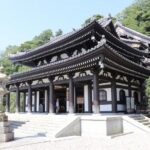
Hase-dera is one of Kamakura’s headline temples, famous alongside Tsurugaoka Hachiman Shrine and Kenchoji Temple. The key detail I’d build your expectations around is the temple’s reputation as a temple of flowers, with colorful blooms each season. If you’re visiting in a month when the gardens are performing, this stop can feel like the emotional anchor of the day.
You’ll spend around 1 hour here. That hour is just right for the kind of temple visit Hasedera encourages: slow walking, taking in garden views, and soaking up the calmer rhythm compared to busier streets.
Practical note: Hasedera is often tied to scenery and garden areas, so comfortable shoes help. The tour includes moderate walking, and this stop usually fits that walking style—more strolling than sprinting, but you’ll still be on your feet.
One extra detail I like from real group experiences: you may be able to find a driver’s safety charm (o-ma-mo-ri) at the temple. If you’re the type who likes leaving with a small personal souvenir that feels meaningful, this kind of charm is a better fit than random trinkets.
Kotoku-in and the Great Buddha: when the scale hits you
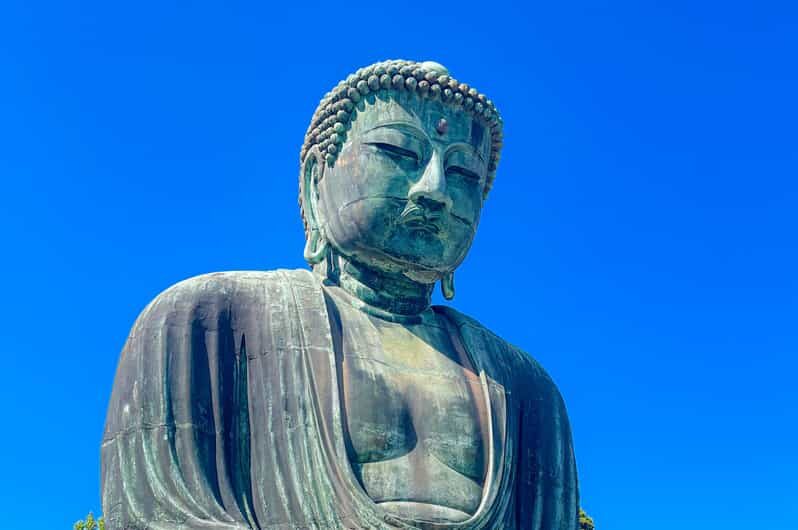
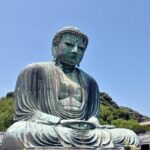
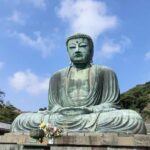
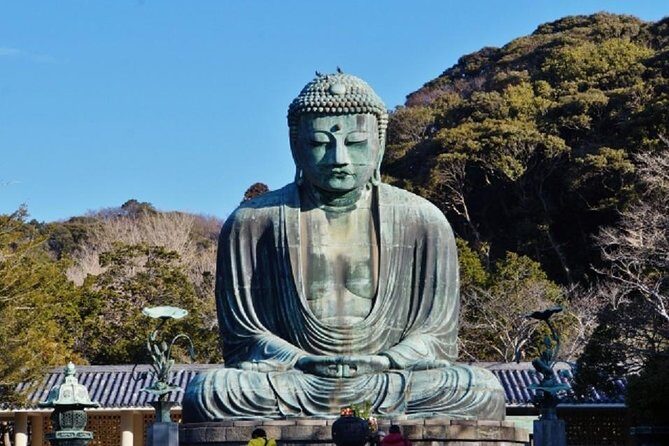
Next comes Kotoku-in (Great Buddha of Kamakura), and the main reason this place is famous is the Buddha itself. You’re looking at an outdoor bronze statue of Amida Buddha, and the height is about 13.35 meters. Seeing it described is one thing. Seeing it in real scale is another.
Expect about 1 hour for this stop. The “outdoor” part is big here. You’re not peering through a strict, indoor viewing system. You’re taking in the statue’s presence in open air, which can make the experience feel more immediate—especially if the weather is clear and you can get decent angles.
Admission isn’t included for this stop, so plan to add that cost. Also, because it’s outdoors, bring what you need for the day’s conditions (again, the tour notes good weather matters).
If you’re traveling with someone who thinks temples are all the same, this is a great correction stop. The Great Buddha is a visual event even if you’re not deep into religious sites.
Hokoku-ji Bamboo Temple: cool, quiet, and a little mysterious
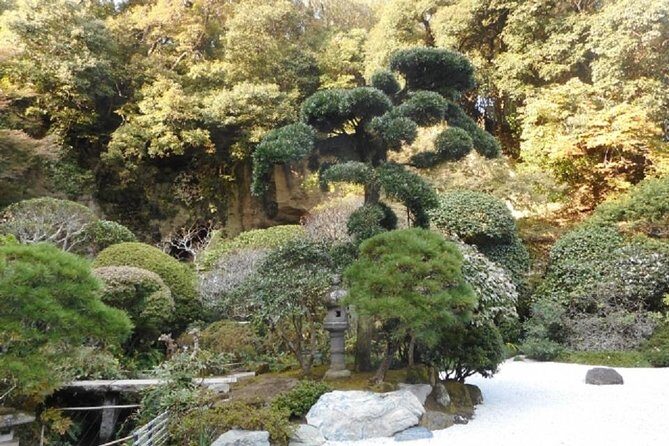
Then you’ll hit Hokoku-ji Temple, often called the bamboo temple. The big headline here is the bamboo garden inside the temple precincts. You’re looking for that specific mood: a “cool and mysterious atmosphere,” where the bamboo feels more like an environment than a decoration.
Like the other major stops, you’ll have about 1 hour. For a bamboo garden, that’s a good amount of time. You’re not only walking through—you can also pause, look up, and let the texture and light do the work.
This stop is also a nice pace reset. After the big visual impact of the Great Buddha, bamboo gives you something quieter and more sensory. If your itinerary day feels heavy, Hokoku-ji is the place to breathe.
Admission isn’t included, so budget for it. And because this is a garden setting, good footwear still matters. You’ll appreciate having your footing steady if paths are uneven or you’re visiting when the ground is a bit damp.
A few more Kamakura tours and experiences worth a look

Tsurugaoka Hachiman Shrine: a major shrine in the city’s center
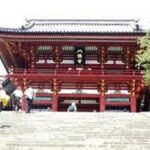
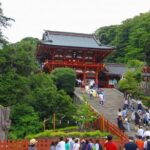
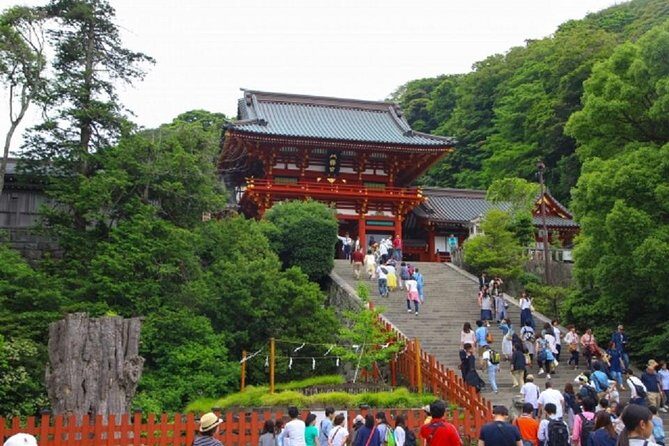
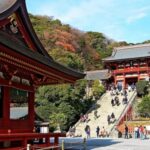
Tsurugaoka Hachiman Shrine sits in the middle of Kamakura, and it’s not a small-side shrine stop. For centuries it’s been venerated as the home of gods of war. That “why it matters” context is exactly what a guide helps with—so you understand what you’re looking at instead of just seeing buildings and gates.
Plan for about 1 hour here. This makes sense because shrine areas can include multiple sections and approaches, and you may want time to notice details without rushing.
Also, being in the city center gives this stop a different feeling than the garden-heavy temples. It can be easier to switch from quiet “walk and look” mode into “notice the town around you” mode.
If you like architecture and atmosphere, this is a strong capstone for the religious sightseeing portion of the day, right before your more casual time on Komachidori.
Komachidori for snacks and quirky browsing
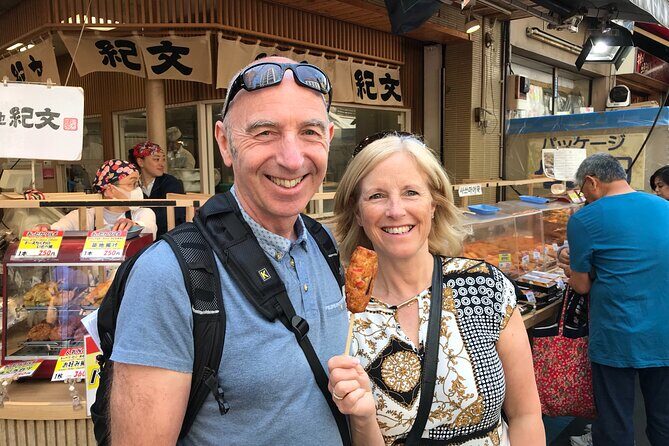
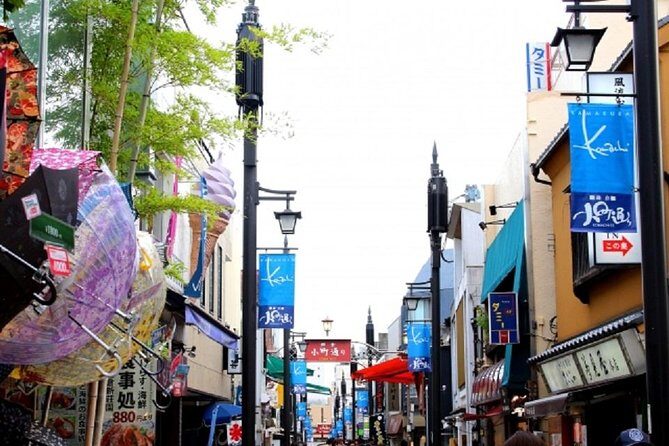
After the big spiritual sights, you’ll get about 30 minutes at Kamakura Komachidori. This is the kind of street time that helps the day feel real rather than purely ceremonial.
The tour frames Komachidori as a place for food and unique shops, and that’s exactly how you should use it: don’t over-plan. Walk a bit, pick something small to eat if you want, and check out the shopfronts for souvenirs that feel more locally sourced than standard tourist stores.
This short stop is also handy because the day involves multiple admissions and transit segments. Komachidori gives you a little flexibility: a snack break, a quick browse, and a chance to stand back and absorb Kamakura’s everyday vibe.
Price and value: what $162.59 really covers
The listed price is $162.59 per person, and it’s an “economical” private day in the sense that you’re not paying for a private car driving between every location. You are paying primarily for:
- an English-speaking professional guide
- a private tour (only your group)
What you should budget separately:
- admission fees for the stops
- food and drinks
- public transportation to/from (this tour uses public transport, but it’s not included)
So is it good value? It tends to be, if you care about interpretation and efficiency. When you’re paying for a private guide, you’re buying time and clarity: the reasons behind Hase-dera’s flower reputation, why Kotoku-in’s Great Buddha matters, what makes Hokoku-ji’s bamboo special, and how Tsurugaoka Hachiman Shrine fits into Kamakura’s religious story.
If you only want the shortest possible route and you’re okay reading guidebooks on your phone, you might feel less “wow” per dollar. But if you want a guided day that feels smoother and more understandable, the private guide piece is where the money earns its keep.
One more value signal: this tour includes a mobile ticket and is noted to offer group discounts. If you’re traveling with at least one other person, private can start to feel like a smart compromise between guided clarity and cost control.
Guide experience: what to expect from an English-speaking pro
You’ll have an English speaking professional guide, and the private format gives them room to match your pace. The best guides don’t just describe what’s in front of you—they connect it to the setting and help you decide where to spend your attention.
From earlier experiences, guides show up with personality and preparation. Names that have come up include Yumi (praised for being very nice and knowledgeable about the area) and Harry San (praised as kind, interesting, and clearly prepared). Another small detail that stuck with people: the day can turn into friendly conversation, with personal stories popping up alongside the temple stops.
For you, the practical takeaway is simple: bring questions. Ask about what you’re seeing, ask for the best photo angles, and ask what to notice first at each stop. With a private guide, your questions can actually steer your experience.
Getting the most out of the moderate walking
The tour is marked for moderate physical fitness, with walking spread across multiple locations. The good news is that this isn’t described as a marathon. The walking is part of what makes temple and shrine areas enjoyable: you get gradual viewpoints and natural breaks between sites.
Still, I’d plan your day like a walking day:
- wear comfortable shoes
- don’t schedule a long “must-do” right after, since you’ll likely finish feeling pleasantly tired, not energized
- bring what you need for weather, since the experience notes it requires good weather
If rain or bad weather shows up, the tour may be adjusted or canceled, with either an alternate date or a full refund offered.
Who should book this Kamakura private tour
This tour fits best if you want:
- a private guide without group distractions
- a day focused on Hase-dera, Kotoku-in, Hokoku-ji, and Tsurugaoka Hachiman Shrine
- an efficient route using public transport
- time for a calmer street walk on Komachidori
It’s especially good for couples, small friend groups, and families who want someone to handle routing logic and explanation while you control the pace.
It might be less ideal if you hate walking in Japan’s temple areas or if you’re trying to keep total daily costs ultra-low after adding admissions and transit. The tour is economical, but not “all-in free” once you factor in what’s not included.
Should you book this Kamakura Full-Day Private Tour?
I’d book it if you want Kamakura’s top highlights with a guide who helps you see what matters at each stop. The combination of private time, a practical public-transport route, and a thoughtful mix of sites (flowers, Great Buddha scale, bamboo calm, and a major shrine) makes it a strong use of a day.
If you’re the type who enjoys reading and self-guiding, you might save money elsewhere. But if you want your time to feel smooth and meaningful—especially at places like Hase-dera and Hokoku-ji—this is the kind of tour that turns a list of landmarks into an actual story.
FAQ
How long is the Kamakura Full-Day Private Tour?
It runs for about 6 hours 30 minutes.
Where do I meet the guide, and where does the tour end?
You start at Kamakura Station 1-chōme-1-15 Onarimachi, Kamakura, Kanagawa 248-0012, Japan, and the tour ends back at the meeting point.
What stops are included in the day?
The main stops are Hasedera Temple, Kotoku-in (Great Buddha of Kamakura), Hokoku-ji Temple (bamboo temple), Tsurugaoka Hachiman Shrine, and a Kamakura Komachidori street walk.
Are admission tickets included?
No. Admission fees for the listed sites are not included.
Is food included?
No. Food and drinks are not included.
Is public transportation included?
No. You cover public transportation to/from yourself.
What’s included in the tour price?
You get an English-speaking professional guide and the tour is private.
How much walking is involved?
The tour requires a moderate amount of walking and is best for travelers with moderate physical fitness.
What if the weather is poor?
The experience requires good weather. If it’s canceled due to poor weather, you’ll be offered a different date or a full refund.
What is the cancellation policy?
You can cancel for free up to 24 hours in advance for a full refund.
When will I receive confirmation after booking?
Confirmation is received at booking unless you book within 2 days of travel, in which case confirmation is received within 48 hours, subject to availability.