REVIEW · YOKOHAMA
Yokohama Private Transfer: Tokyo City, Narita and Haneda Airport
Book on Viator →Operated by Pick-U · Bookable on Viator
Door-to-door beats airport chaos. I like the flight tracking that adjusts pickup after you land, and the extra 90-minute free waiting so you are not sprinting through arrivals. One possible drawback: meeting can get stressful if your pickup point is vague, so it can help to consider the optional name-sign add-on when it matters.
I also appreciate the WhatsApp coordination: you get a reconfirmation email about 3 days out, then your driver messages you within 24 hours with vehicle details. The service is built for real travel days, with Toyota Alphard/Hiace-style vehicles and a clear luggage rule—just keep the one 24-inch suitcase per person limit in mind.
In This Review
- Key highlights at a glance
- A practical way to go Yokohama–Tokyo without lugging your life around
- Flight tracking and waiting times: how you avoid the panic window
- Meet-up reality: pickup locations, name signs, and luggage rules
- Inside the vehicle: clean comfort for families and groups
- Yokohama areas the transfer is built to reach fast
- Price and value: when this is worth it, and when it isn’t
- Timing tips I’d use before you book your airport pickup
- Who should book this transfer (and who might skip it)
- Short decision guide: should you book it?
- FAQ
- How long does the transfer take?
- Is flight tracking included?
- How long do they wait for me at the airport or in the city?
- What if my flight is delayed or canceled?
- What luggage can I bring?
- Can I cancel for free?
Key highlights at a glance
- Flight tracking + up to 90 minutes free waiting after landing keeps late arrivals from turning into a scramble
- Up to 20 minutes free waiting for Yokohama and Tokyo city pickups
- Private, door-to-door rides between central Yokohama and central Tokyo, plus Haneda or Narita
- Licensed, insured drivers in Toyota Alphard/Hiace or similar for comfort and peace of mind
- Covers major Yokohama areas like Yokohama Station, Minato Mirai, Chinatown, and Yamashita Park
- Add-ons exist for tougher meet-ups: name sign, nighttime service, and Port pickup pricing
A practical way to go Yokohama–Tokyo without lugging your life around
Most people plan Japan around trains. That’s great—until you’re standing in a station with heavy bags, trying to read a sign in the rain, or hunting for the right taxi lane at the airport. This transfer service cuts that problem out. You’re picked up at your door or hotel, then dropped close to where you need to be—central Yokohama, central Tokyo, Haneda, or Narita.
What makes it especially useful is the way it handles timing. Flight tracking means the driver is watching your schedule and can adjust pickup time. You also get meaningful free waiting allowances—so small delays don’t turn into extra fees or frantic messaging.
And yes, it’s private. That matters when you’re traveling with kids, have a lot of luggage, or just want zero coordination stress. One rider also mentioned the driver helped when mobility was a factor, which is exactly the kind of real-world benefit door-to-door transport can give you.
You can also read our reviews of more city tours in Yokohama


Flight tracking and waiting times: how you avoid the panic window
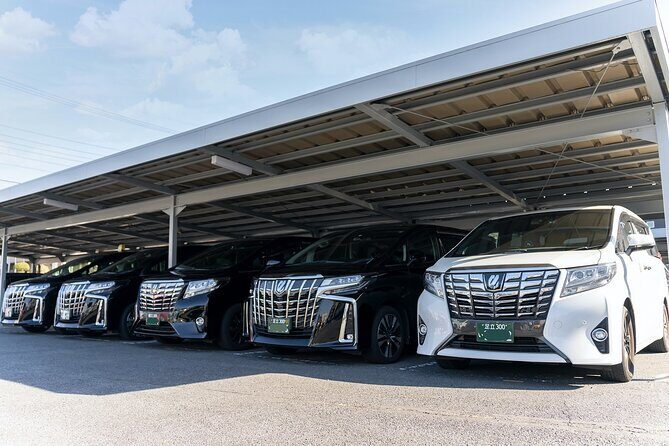
The service is built around two time-based safety nets: waiting at the airport and waiting for city pickups.
For airport arrivals, flight tracking is the default. Your driver monitors your flight and will wait up to 90 minutes after landing. If you want a specific pickup time anyway, you can request it in advance—otherwise the service follows the flight-tracking approach.
For city or hotel pickups, the driver waits up to 20 minutes at the scheduled time. That’s long enough for most normal hotel lobbies and common meeting spots, but it still means you should be ready when pickup time hits.
Delays have rules. If your flight is delayed or cancelled, you need to notify the provider at least 6 hours in advance. Without that notice, the transfer will follow the original schedule. That’s not meant to punish you—it just means the system can’t magically adapt if it’s not told early.
Here’s the practical tip: factor in the time you personally need after landing. One example from a Haneda arrival described about 90 minutes for customs and retrieving luggage. If your trip habits look similar, the 90-minute free waiting is a real buffer. If you’re fast through everything, it still helps; the goal is not squeezing you into a narrow window.
Meet-up reality: pickup locations, name signs, and luggage rules
Let’s talk about the part that decides whether the day feels effortless or mildly annoying: meeting the driver.
You’ll get a reconfirmation email about 3 days before your service with pickup time and location. Then your driver contacts you via WhatsApp within 24 hours. They’ll share vehicle details so you can spot the right car quickly.
Still, airports and terminals can be confusing. In one case, a rider had trouble finding the pickup spot and used translation tools to coordinate. Another rider reported the meet-up worked once they found the taxi pickup area, which is the kind of detail that matters more than people expect.
So what should you do?
- Double-check you selected the correct pickup location during booking, especially if you’re using a port or a specific airport zone.
- Use the contact number and answer WhatsApp messages quickly when they arrive.
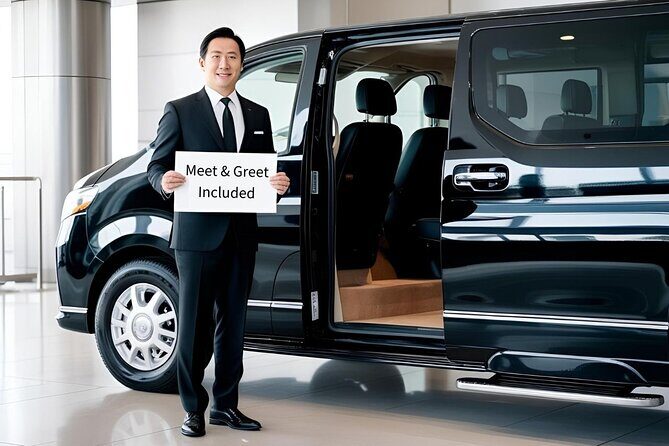
- If meeting would be hard for you—language barrier, complicated terminal, or tight timing—consider the optional meet-and-greet name sign. It costs ¥2,500 per booking and is there for exactly this pain point.
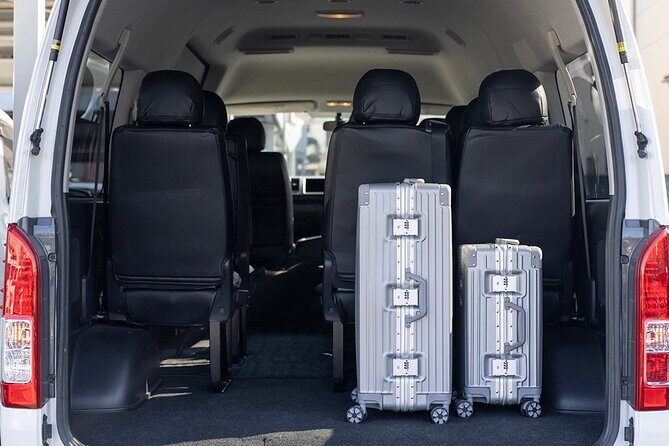
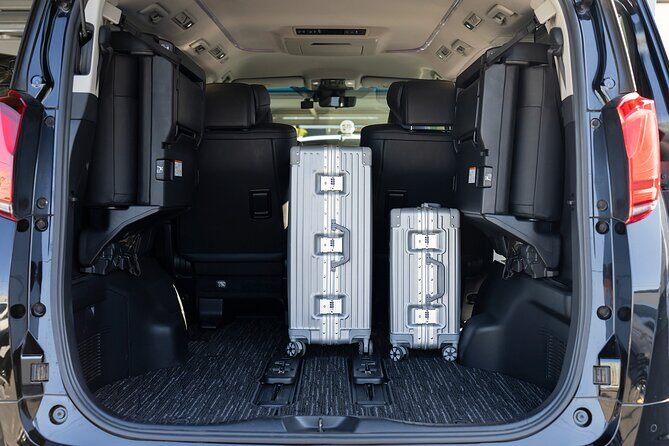
Now, luggage. Each passenger can bring one 24-inch suitcase. Extra or oversized luggage may require booking additional seats. And if your luggage exceeds the vehicle’s capacity, the driver reserves the right to refuse the service.
That luggage rule is important if you’re traveling with a large family setup or lots of shopping bags. One group shared that the van handled a lot of luggage comfortably, but that doesn’t override the stated capacity limits. The “private” part works best when you match vehicle size to your load.
Inside the vehicle: clean comfort for families and groups
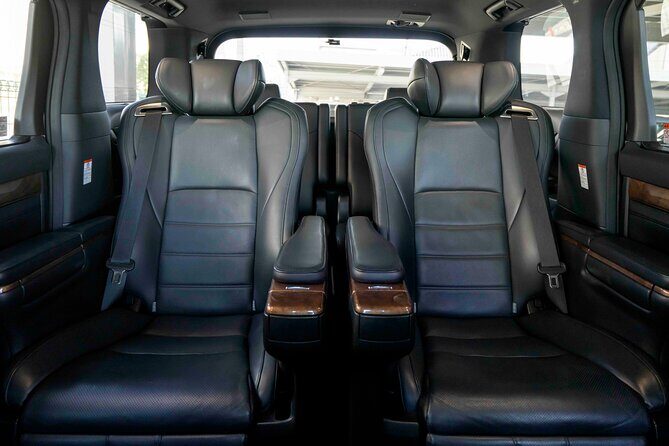
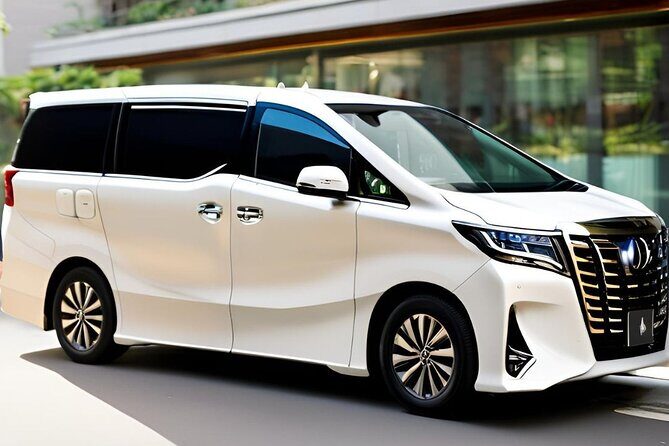
This isn’t a bare-bones shuttle. Vehicles are typically Toyota Alphard or Hiace, or similar. In real travel terms, that means:
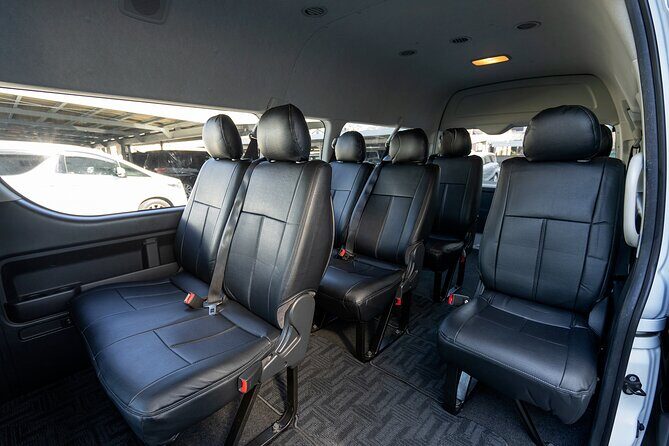
- Comfortable seating for longer rides
- Space to manage luggage without playing suitcase Tetris in a crowded train station
- A car that feels more like a “real transport” option than a last-minute fix
A few details from real-world use stand out. People described the vehicle as very clean and even “luxury SUV” clean. Others liked that the driver handled luggage in the drop-off flow, which can save energy right when you’re trying to catch an airport process.
There’s also a small but thoughtful family feature: a booster seat for children aged 3–6 is included, but availability varies. If you’re traveling with a child in that range, I’d treat this as “ask and confirm” rather than assuming it will always be there.
For groups, the private setup is the money-saver. One rider traveled with a group of 7 and said the vehicle fit everyone and their luggage easily. Shared taxis can get expensive fast. Private transfers let you keep the group together and avoid splitting up at the worst possible moment.
Yokohama areas the transfer is built to reach fast
The transfer covers major Yokohama and city areas, including Yokohama Station, Minato Mirai, Chinatown, Yamashita Park, and more. You can think of this as a convenience layer: you choose a destination area that matches your hotel or your plans, and the driver takes you there without you stitching together multiple trains while dragging luggage.
Here’s what that means for your trip:
- Yokohama Station is your hub choice. If you’re doing day trips and want easy onward travel, this pickup/drop-off location can work well.
- Minato Mirai fits travelers staying in the modern waterfront zone, where getting to and from the airport without transit switching is a big time win.
- Chinatown is ideal if your hotel is near the lively streets and you don’t want to fight train transfers after a meal.
- Yamashita Park is a common base for people who want an easy stroll by the water. A door-to-door transfer can help you start your day without “bag logistics.”
One more practical note: the ride duration is listed as about 30 minutes to 2.5 hours. That spread is normal in Tokyo-area traffic. It also means you should choose an airport arrival time with wiggle room. The transfer includes waiting for delays, but you still don’t want to build your whole plan on perfect conditions.
You can also read our reviews of more private tours in Yokohama






Price and value: when this is worth it, and when it isn’t
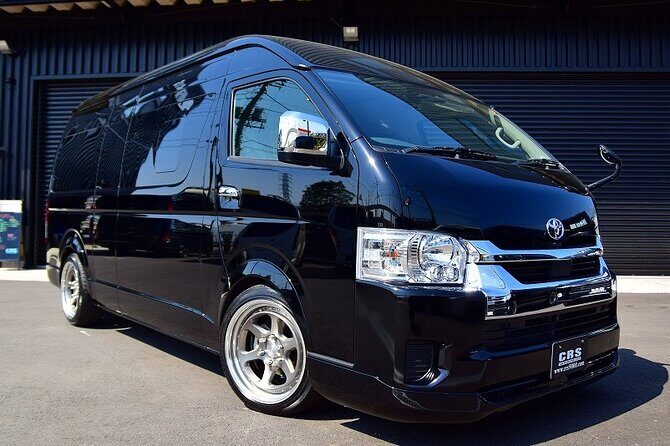
The listed price is $62.01 per person (also shown as ¥18,880). That sounds like “not cheap” until you compare it to real costs on a travel day.
What you get for that price that matters:
- A private, door-to-door ride (not shared with strangers)
- Licensed, insured drivers in a proper vehicle (Toyota Alphard/Hiace style)
- Standard tolls and fuel charges included
- Flight tracking
- Up to 90 minutes free waiting after landing
- Up to 20 minutes free waiting for city pickups
Where the value can rise quickly is with:
- Families (especially if you’re juggling kids, strollers, or booster-seat needs)
- Groups (you avoid multiple taxis and multiple transfers)
- Anyone tired of station navigation and luggage lifting
Where the value can dip is if your travel day is extremely flexible and you’re okay doing public transit with bags. If you’re solo, traveling light, and you have time, trains can be cheaper.
Also plan for add-ons if needed:
- Name sign meet-and-greet: ¥2,500 per booking
- Nighttime service (22:00–6:00): ¥3,000 per booking
- Yokohama Port pickup/drop-off: ¥6,000 per booking
- Extra waiting beyond free time: ¥3,500 per half hour
Those add-ons are the price of convenience when the meet-up environment is harder than usual. If your schedule is tight, paying for clarity can be cheaper than paying with stress.
Timing tips I’d use before you book your airport pickup
If you want this to feel smooth, here are the steps that reduce the chances of a bad moment:
- Choose a pickup location that you can actually point to quickly. Airports have multiple zones. Hotels can have multiple entrances.
- Expect that drivers may use translation tools. One rider mentioned using Google Translate when English was limited, and that got the job done. So keep your messaging simple and confirm you’re at the same spot.
- Don’t wait until the last second to answer WhatsApp. The driver uses that channel to coordinate.
- Build your airport plan around customs and baggage—not just boarding time. For example, one Haneda arrival experience described about 90 minutes for customs and luggage.
- If you have flight changes, notify the provider at least 6 hours in advance so tracking adjustments stay aligned with your reality.
The one big “gotcha” is a mismatch between what you booked and where you’re standing. There was an instance where the pickup location selected during booking was incorrect, and the driver and rider ended up waiting at different spots. The lesson is boring but real: double-check the pickup point you select in booking.
Who should book this transfer (and who might skip it)
I’d steer you toward this transfer if any of these sound like your trip:
- You’re arriving with luggage that’s annoying to move through stations
- You want door-to-door convenience between central Tokyo and Yokohama
- You have kids and want fewer steps between arrivals and your hotel
- You’re traveling as a group and want everyone together
- Mobility needs make stairs and long walks difficult (car pickup can be a major win)
I’d consider skipping or comparing alternatives if:
- You’re traveling solo with one small bag and you’re comfortable with transit
- Your hotel and airport plan are super straightforward and you’re confident navigating meeting areas quickly
- You’re flexible on timing and don’t mind coordinating your own route
Short decision guide: should you book it?
Book it if you want the simplest possible path between airports and where you’ll actually stay. The combination of flight tracking, real waiting time, and a private vehicle is what makes this feel worth it on travel days.
Skip it if you’re cost-first and you’re traveling light with enough time to manage transit. Trains can be excellent in Japan, and you’ll save money.
If you’re on the fence, pick the option with the best “risk control” for your day. For many people, that’s choosing a private transfer and paying to remove the biggest uncertainty: where you meet the transport after a long flight.
FAQ
How long does the transfer take?
The duration is listed as about 30 minutes to 2 hours 30 minutes. The exact drive time depends on whether you’re going to central areas or the airport and on traffic.
Is flight tracking included?
Yes. Flight tracking is included by default, and the driver monitors your flight and adjusts pickup time accordingly.
How long do they wait for me at the airport or in the city?
For airport arrivals, the driver waits up to 90 minutes after landing. For city or hotel pickups, the driver waits up to 20 minutes at the scheduled time.
What if my flight is delayed or canceled?
If your flight is delayed or canceled, you should notify the provider at least 6 hours in advance. Without notice, the service follows the original schedule.
What luggage can I bring?
Each passenger can bring one 24-inch suitcase. Extra or oversized luggage may require booking additional seats. If luggage exceeds vehicle capacity, the driver may refuse the service.
Can I cancel for free?
Yes. You can cancel up to 24 hours in advance for a full refund. If you cancel later than that, the amount paid is not refunded.