REVIEW · YOKOHAMA
Eat Like a Local in Yokohama Walking Tour with Local Expert Guide
Book on Viator →Operated by JewelTours.Japan · Bookable on Viator
Soup dumplings meet neighborhood walks. This 4-hour Yokohama Chinatown and Noge-cho food tour pairs a local expert guide with a step-by-step route and multiple tastings, plus admission covered at select moments. I like that you’re not just wandering. The guide helps you move through the maze and focus on what to eat, not what to stare at.
I also like the human side of it. People have praised guides for finding standout soup dumplings and for adjusting stops when there are food preferences (Mika is one example). One consideration: the price doesn’t cover public transportation or private transport, so you’ll want a solid plan for how you’ll reach the Yokohama meeting point and get back.
In This Review
- Key Highlights Worth Marking on Your Map
- A 4-Hour Yokohama Food Walk Through Chinatown and Noge-cho
- Price and Value: Why $116.22 Can Make Sense Here
- Getting Oriented: Pickup, Operating Hours, and Mobile Ticket
- Stop 1: Yokohama Chinatown for Your First Hit of Street Food
- Stop 2: A Breather in Yokohama City Life
- Stop 3: Chinatown Main Streets and the Shoronpo Moment
- Stop 4: Noge-cho for That Older Yokohama Neighborhood Feel
- The Guides: What Brian, Mika, and Franchesco Tell You About the Experience
- What You’ll Eat: Variety Across Multiple Locations
- How to Prepare: Shoes, Appetite, and Questions That Pay Off
- Who This Yokohama Food Tour Is For
- Should You Book It? My Decision Guide
- FAQ
- FAQ
- How long is the Eat Like a Local in Yokohama Walking Tour?
- Where does the tour start and end?
- Is pickup available?
- Is the tour private?
- What neighborhoods are included in the itinerary?
- Are entry fees included?
- What kind of ticket will I use?
- What time does the tour run?
- Can the guide accommodate food preferences?
- What is the cancellation policy?
- Is public transportation included?
Key Highlights Worth Marking on Your Map
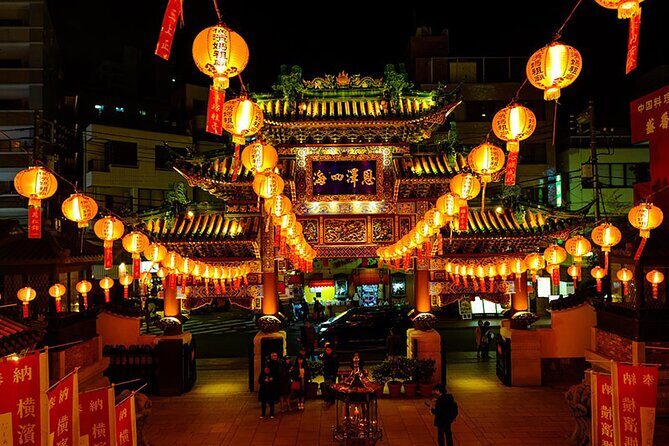
- Chinatown twice in the itinerary with included admission at the Chinatown food stops
- Noge-cho for the local neighborhood feel, a slower, older Yokohama change of pace
- Pacing control by the guide, including how some groups could set the flow to match their timing
- Variety across different locations, not one restaurant and done
- Pickup option + mobile ticket, useful when you’re trying to keep your day simple
A 4-Hour Yokohama Food Walk Through Chinatown and Noge-cho
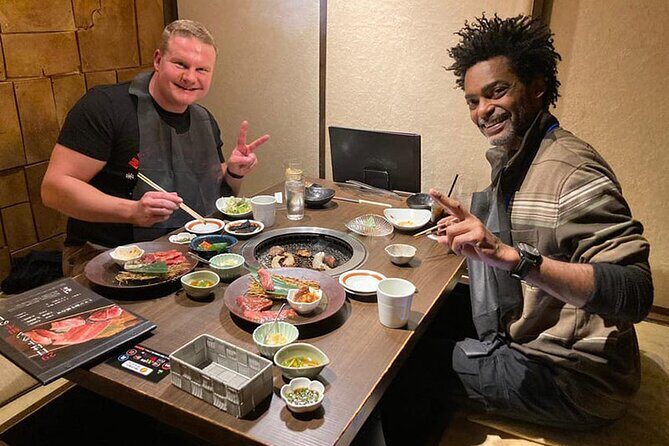
This is a walking tour built around two Yokohama food worlds: the big-name buzz of Chinatown and the more everyday vibe of Noge-cho. With a duration of about 4 hours, it’s long enough to feel like a real meal plan, not a quick snack stop.
The format matters. You’re not left to figure things out solo in a place where the streets can feel like they’re on fast-forward. Instead, the guide’s job is to steer you through the right areas and keep the timing comfortable across multiple tasting locations.
Also, it’s offered as a private tour/activity, meaning it’s just your group. That usually makes it easier to ask questions, slow down when something smells too good to ignore, and get your bearings faster than trying to DIY Chinatown with a hungry clock ticking.
You can also read our reviews of more walking tours in Yokohama

Price and Value: Why $116.22 Can Make Sense Here

At $116.22 per person for roughly 4 hours, you’re paying for more than food. You’re paying for structure, local guidance, and (at least at some stops) admission tickets that are included.
Here’s the practical way to think about value:
- You get variety at different locations, which often costs more in time and trial-and-error if you’re doing it on your own.
- The tour includes any entry fees (and specific stops list admission tickets included), so you’re not hit with unexpected add-ons mid-walk.
- Pickup is offered, which can quietly save you from a lot of transit friction when you’re already navigating a new city.
One more small but real value point: support is included before and after your tour, like help with restaurant reservations and even hotel or train bookings if you ask. That turns the tour from a single experience into something that helps smooth the rest of your Yokohama trip.
Getting Oriented: Pickup, Operating Hours, and Mobile Ticket
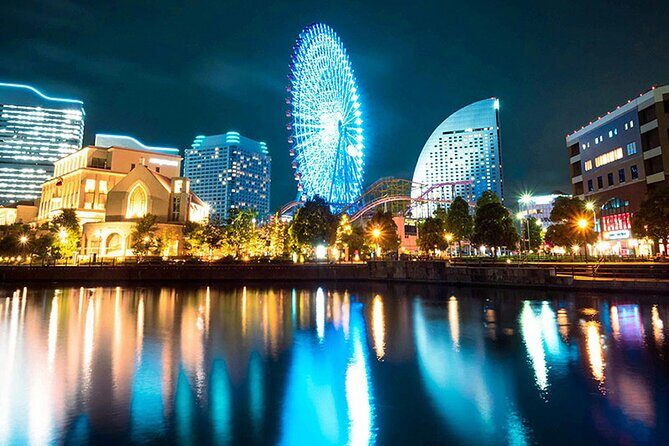
The tour window runs daily Monday through Sunday from 12:00 PM to 6:00 PM, so you can slot it into a lunch-to-early-dinner stretch. Since the walking tour ends back at the meeting point, you don’t need to worry about ending up across town from where you started.
You can also opt for pickup. That’s not a detail to ignore in Yokohama, where it’s easy to burn time figuring out the last stretch. If you’re staying near the action, pickup can make this feel like a smooth afternoon rather than a scavenger hunt.
You’ll use a mobile ticket, and confirmation is received at booking time. That’s simple and useful if you’re balancing multiple bookings while you travel.
Stop 1: Yokohama Chinatown for Your First Hit of Street Food
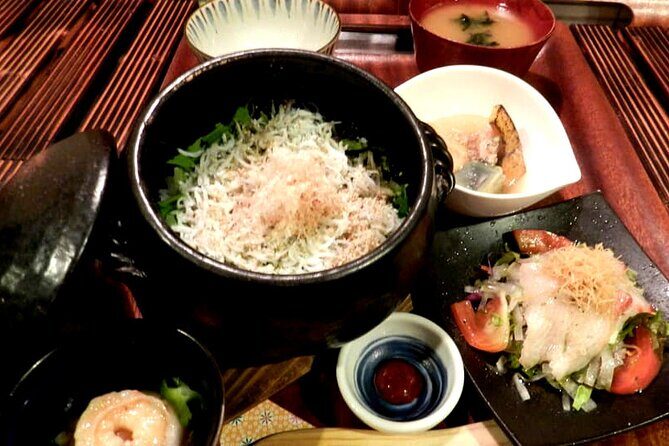
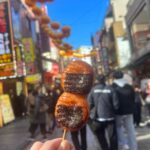
The tour kicks off in Yokohama Chinatown for about 30 minutes, and this is where you’ll get the rapid-fire introduction. Chinatown is described as a food paradise with colorful streets and lots of options nearby—so your guide’s first job is to point you toward the right choices early, before you get overwhelmed.
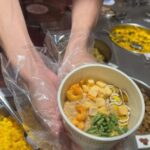
You can expect the kind of foods Chinatown is known for: freshly steamed buns, savory dumplings, and at least one sweet treat. Admission is included at this stop, which suggests you’ll be spending time in a specific food-focused area rather than just strolling.
How this stop works in real life: it’s a great way to jump into the flavors quickly while your stomach is empty enough to enjoy everything. If you arrive late or too full, this is the part that suffers first. Treat it like the opening act—make room.
Stop 2: A Breather in Yokohama City Life
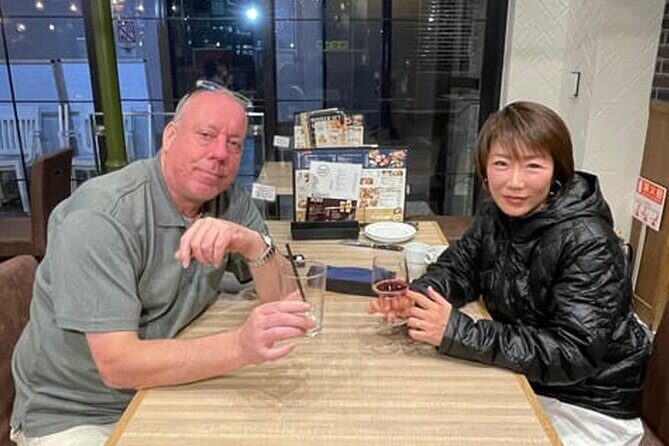
Next comes a shorter 30-minute segment labeled as Yokohama, with admission listed as free for this part. This looks like your pacing reset: enough time to move from the Chinatown intensity and get some context for the broader food scene around you.
Why this matters: Chinatown can be a sensory overload. A middle stop that shifts focus helps you keep enjoying food instead of getting numb to it. It also sets you up for the second Chinatown block later, when you’ll already understand the pattern of streets, stalls, and ordering rhythms better.
Expect it to feel more like movement and orientation than a themed museum stop. The goal is to keep the walk comfortable and the day flowing.
A few more Yokohama tours and experiences worth a look

Stop 3: Chinatown Main Streets and the Shoronpo Moment
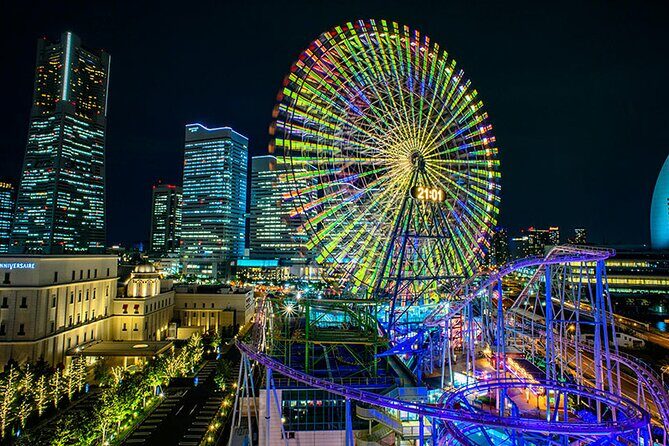
Then you’re back in Yokohama Chinatown for about 45 minutes, with admission included again. This is where the itinerary leans harder into the main-street energy: food stalls, restaurants, and the kind of snack-hunting that turns into memory-making fast.
You’ll find familiar favorites—dumplings and buns—plus the specific item mentioned as shoronpo, a well-known Chinatown-style soup dumpling. If you’re the type who thinks about one bite for the rest of the day, this is the stop that can do that.
Practical note: soup dumplings are fragile and best eaten at a comfortable speed. If you rush, you’ll spill or overheat. If you slow down, you get the full experience. A good guide will help you time it, and that’s exactly what people have praised—like groups who found the best soup dumplings they’d had.
This stop is also a good checkpoint. If you realize you’re too full, the guide can likely steer you toward lighter options so you don’t spend the last hour feeling stuffed.
Stop 4: Noge-cho for That Older Yokohama Neighborhood Feel
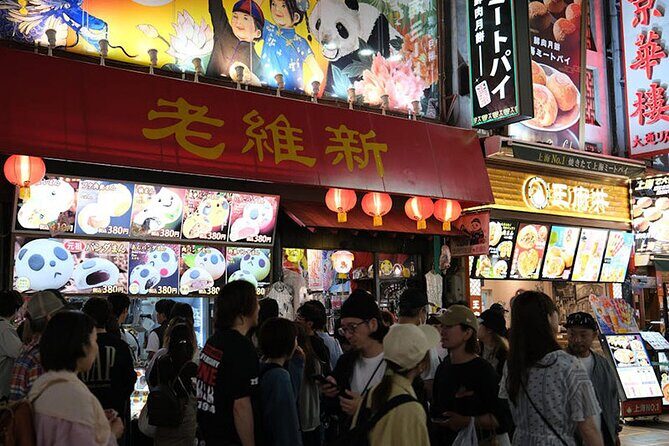
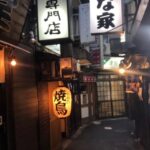
The final stretch—about 2 hours—moves to Noge-cho, described as a more authentic and beloved neighborhood with a nostalgic charm. This is where the tour changes gears from Chinatown’s obvious food spectacle to a Yokohama side that feels more lived-in.
Why I think this stop is valuable: it balances the day. When you only do Chinatown, you learn the famous version of Yokohama. When you also do Noge-cho, you get a better sense of how locals might eat and socialize away from the tourist spotlight.
You’ll spend time walking the neighborhood with the guide’s narration, which is the key ingredient here. The narration isn’t just for fun—it helps you notice details you’d otherwise miss, like the way shopfronts and small eateries are arranged and how the rhythm of the street supports everyday meals.
If you’re the kind of traveler who enjoys photos, this is also a better area for street views that don’t feel like the same postcard angle as everywhere else.
The Guides: What Brian, Mika, and Franchesco Tell You About the Experience
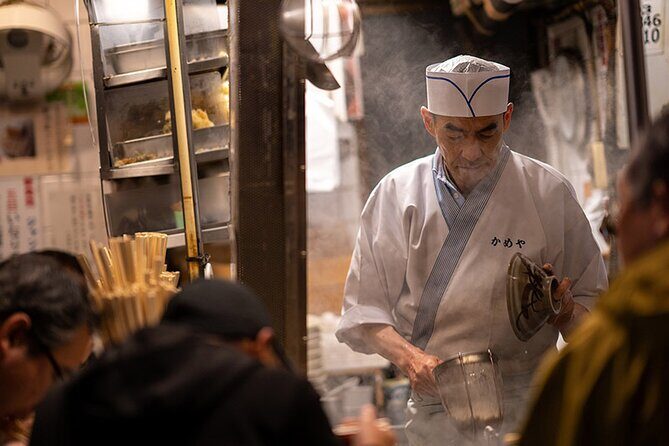
The tour experience lives or dies by the guide, and the evidence here is pretty clear. People have praised guides by name, including Brian and Mika, and also Franchesco. That matters because it tells you you’re not just buying a route—you’re buying how someone walks you through it.
Common praise points from real-world accounts:
- Guides picking strong food stops, including standout soup dumplings
- Guides moving at a pace that feels comfortable (not rushed, not dragged)
- Guides accommodating food preferences when possible
- Guides doing pickup from a hotel and helping adjust the flow based on what you want that day
One thing to watch: in one case, a group said the tour was cancelled after a guide contracted Covid, and it couldn’t be resolved in time under Japanese law. That’s not something you can plan perfectly for, so it’s a good reason to avoid scheduling this as the single make-or-break meal of your trip.
What You’ll Eat: Variety Across Multiple Locations
The itinerary is built around variety, and that’s one of the best parts of this kind of food tour. Instead of one restaurant meal, you get a chain of tastings across different spots.
From the description, you’ll likely see foods like:
- Steamed buns and dumplings
- Chinatown sweets
- Soup dumplings (shoronpo is explicitly mentioned)
- A mix of snacks you can sample without committing to a full plate everywhere
What this means for you as a decision-maker is simple: you’ll leave full, but not necessarily weighed down. With multiple stops, you can taste a range of things and still keep enough room to enjoy the last bite.
A small strategy tip: if you’re a slow eater, tell the guide early. The stops are time-boxed (30 minutes here, 45 there, plus a longer neighborhood walk), so your timing affects the menu experience. Good guides will use that info to keep the day from turning into a rush.
How to Prepare: Shoes, Appetite, and Questions That Pay Off
Because it’s a walking tour, start with practical basics:
- Wear comfortable shoes you can walk in for several hours.
- Bring a little water. Even in Japan, a food walk can work up thirst fast.
- Go in hungry, but not empty-stomach desperate. Chinatown food is best when you’re ready to enjoy, not just to survive.
Before the tour, think about your questions. The tour includes support during your time in Japan, including help with reservations and bookings. If you’re already planning your next meal or your train route, ask while it’s fresh. The guide’s local know-how is the main value-add after the food.
If you have any food preferences, mention them clearly. There’s at least one named example of a guide adjusting stops to fit what the group needed. That’s a big deal because it turns the tour from generic to personal.
Who This Yokohama Food Tour Is For
This is a good match if you want:
- A guided walk that saves you time choosing where to eat
- A Chinatown experience plus an added neighborhood segment in Noge-cho
- A private group format, which tends to make it easier to tailor pace
- Help beyond the tour itself, like restaurant and train planning support
It also fits a wide range of travelers since the listing says most people can participate and service animals are allowed. If you’re traveling with someone who gets overwhelmed by too many choices, a guide can be the difference between enjoying the day and getting lost in the options.
Should You Book It? My Decision Guide
Book this tour if you want a structured way to experience Yokohama food without spending hours comparing menus. The combination of Chinatown stops plus a long Noge-cho walk gives you variety, and the guide-led pacing is where this gets its strongest praise.
You might skip it or double-check your planning if:
- You’re relying on this as the only food plan with no backup, since cancellations can happen when health issues arise.
- You don’t have an easy way to reach the Yokohama meeting point, because transportation isn’t included.
Overall, this is a solid value when you factor in guide time, multiple tastings across different locations, included entry fees at certain stops, and the extra support before and after your tour.
FAQ
FAQ
How long is the Eat Like a Local in Yokohama Walking Tour?
It’s approximately 4 hours.
Where does the tour start and end?
The tour starts in Yokohama, Kanagawa, Japan, and it ends back at the meeting point.
Is pickup available?
Yes, pickup is offered.
Is the tour private?
Yes, it’s listed as a private tour/activity, so only your group participates.
What neighborhoods are included in the itinerary?
Yokohama Chinatown and Noge-cho are included.
Are entry fees included?
Any entry fees are included, and the itinerary notes admission tickets included for some stops and free for others.
What kind of ticket will I use?
You’ll use a mobile ticket.
What time does the tour run?
It operates Monday through Sunday from 12:00 PM to 6:00 PM.
Can the guide accommodate food preferences?
The tour information includes examples where guides accommodated food preferences, such as Mika adjusting for what the group needed.
What is the cancellation policy?
You can cancel for a full refund up to 24 hours in advance of the experience’s start time.
Is public transportation included?
No. Public transportation is not included, and private transportation is also not included.