REVIEW · YOKOHAMA
Yokohama: Soba Noodle Workshop with a Soba Master
Book on GetYourGuide →Operated by misah_Yokohamaguide · Bookable on GetYourGuide
Making soba is hands-on magic. You start with buckwheat flour and end with noodles you cut yourself, all in Yokohama’s working-studio style. I love the chance to learn 100% buckwheat soba from a soba master, and the way the room smells like toasted grain while you knead and roll.
Two things really made this experience click for me. First, the teaching is clear enough that beginners can follow along, especially with English support from your guide, Misah. Second, I appreciated that you get to compare results by eating what you made, hot and cold, so the lesson turns into something you can actually taste and remember.
One consideration: this workshop uses buckwheat flour, so it’s not a fit if you have a buckwheat allergy. Also, it’s not aimed at very young kids, and it’s not suitable for wheelchair users.
In This Review
- Key points to know before you go
- Finding Soba Studio CHIHANA from Sakuragicho Station
- 100% buckwheat soba: what you learn and why it matters
- The studio moment: buckwheat flour smell and basic dough steps
- Rolling into a square: the technique detail that makes it memorable
- Cutting noodles by hand: where strength meets precision
- Eating your soba in an izakaya-style meal setting
- Value check: is $88 worth it in Yokohama?
- Nearby drinking districts: what to do after the workshop
- Who should book this soba workshop (and who shouldn’t)
- Should you book this Yokohama soba-making class?
- FAQ
- How long does the soba-making part take?
- Where do I meet for the workshop?
- Is transportation included?
- What’s included in the price?
- Are extra meals or drinks included?
- What languages are used during the workshop?
- Is 100% buckwheat soba gluten-free?
- Who shouldn’t join?
Key points to know before you go
- Soba Studio CHIHANA lesson: a real from-scratch workflow using 100% buckwheat flour
- English support from Misah: step-by-step help that keeps beginners confident
- Aroma moment: buckwheat flour smell fills the studio while you work
- Hands-on technique: knead, roll (into a square), then cut noodles by hand
- Eat what you make: your soba is served in an izakaya-style restaurant afterward
Finding Soba Studio CHIHANA from Sakuragicho Station
Your tour begins at Sakuragicho Station. When you arrive, exit from the South Gate—this matters because the north gate exit can send you the wrong way. From there, you’ll head to Soba Studio CHIHANA for the lesson.
I like meeting at a major station like Sakuragicho because it keeps the first step simple. Yokohama is easy to reach, and once you’ve got the right exit, you can focus on the fun part: making soba.
Also note the practical rules: pets, baby strollers, bikes, chewing gum, baby carriages, and electric wheelchairs aren’t allowed. It’s a small, workshop setting, so keep it light and moveable.
A few more Yokohama tours and experiences worth a look
100% buckwheat soba: what you learn and why it matters
This isn’t a shortcut. You’re taught to make 100% buckwheat soba from scratch, using the traditional approach you’d recognize as deeply Japanese: mix, knead, roll, and cut. The soba is completed in about 60 minutes.
That matters because 100% buckwheat noodles behave differently than mixed-flour noodles. Buckwheat doesn’t have the same elasticity as wheat, so technique matters more than muscle alone. When you work it with guidance, you start to understand why soba-making has been practiced in Japan since the Edo period.
The workshop is designed so that beginners can keep up. You’re not expected to already know how dough should feel. You’re expected to learn the feel.
The studio moment: buckwheat flour smell and basic dough steps
The first thing you’ll notice is the smell. Buckwheat flour has a distinct, comforting aroma, and it fills the studio as you begin. That sensory cue is more than a vibe—it helps you understand when you’re moving in the right direction.
The core steps go like this: you mix buckwheat flour with water, knead the dough, roll it out, and cut it into noodles. Even if you’ve never done anything similar, the process is structured, and the soba master’s explanations help you stay oriented.
This is also where the lesson turns “cookery” into real skill. You start paying attention to texture—how the dough stretches, how it holds, and how it changes as you work.
Rolling into a square: the technique detail that makes it memorable
One of the most interesting details is the rolling method. A standout moment in the lesson is rolling the dough into a perfect square without trimming the edges. That sounds tiny, but it changes your whole mindset.
Square rolling keeps everything even, which makes cutting more consistent. And it’s oddly satisfying—like you’re doing geometry with flour. If you tend to rush, you’ll learn fast that soba rewards patience.
There’s also a personal learning curve. You’ll likely feel that dough elasticity varies depending on your hand strength and how you work it. That’s not just normal beginner chaos; it’s part of the lesson, and it’s why the small group setting works so well. You can ask questions and adjust before you fall behind.
Cutting noodles by hand: where strength meets precision
After rolling comes the part that surprises most people: cutting the noodles requires more strength than you expect. It’s not just about wrist motion. It’s about control, pressure, and timing.
Once you start cutting, you’ll probably understand why Japanese noodle traditions are built around practice, not just recipe steps. When you finish by hand, you get a real sense of accomplishment that you don’t get from watching food videos.
One helpful attitude here: don’t aim for perfection on your first try. Aim for correct technique. Your final result at the table helps you see what worked.




Eating your soba in an izakaya-style meal setting
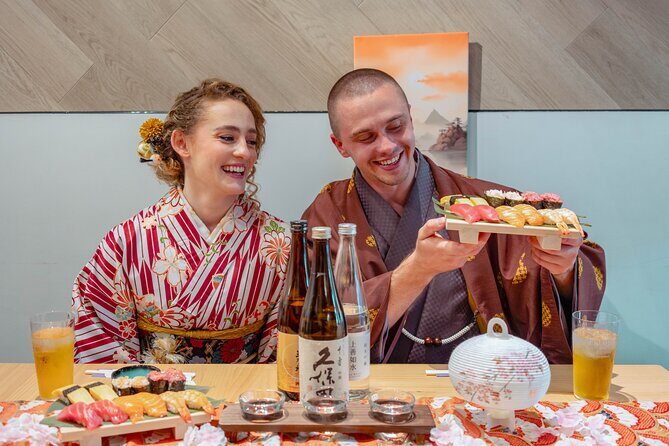
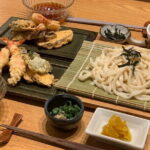
The workshop ends with a meal where you eat the soba you made. It’s served in an izakaya-style restaurant, so the experience feels social and casual, not like a formal tasting.
One of the best parts is getting to experience soba both hot and cold. Cold soba tends to show a stronger buckwheat aroma—grain-forward and fragrant. Hot soba feels warmer and more comforting, with a smoother, cozy flavor.
I like this setup because it turns your work into feedback. If the cold noodles smell fantastic, you learn something about how buckwheat character comes through. If the hot noodles taste comforting, you learn how serving changes the experience.
And since additional foods and drinks you order aren’t included, your budget stays under control. You can stick to just what’s planned, or you can decide what sounds good once you’re there.
Value check: is $88 worth it in Yokohama?
At $88 per person, you’re paying for several things that matter. You get a real guided lesson with a soba master, a guide who supports English questions, all ingredients and equipment, and a meal where you eat what you make.
Here’s how I think about the value. Cooking classes often charge for instruction only, but this one builds in a full “learn + eat” arc. The cost is higher than casual street food, yes, but it includes the core deliverable: time with a teacher, tools and ingredients, and the satisfaction of producing noodles that you actually serve and taste.
Also, because the soba-making takes about an hour, it’s not a quick demo. You’re hands-on long enough to learn technique and feel the dough changes under your fingers.
If you enjoy food that requires skill—beyond ramen toppings or sushi variety—this price can make sense.
Nearby drinking districts: what to do after the workshop
You won’t be stuck in a classroom for the rest of the day. The soba studio area has plenty of places to eat and drink, including local standing bars. That means you can extend the mood after you’ve finished your noodles.
If you want an easy plan, consider doing one or two stops nearby rather than turning it into a complicated night. You’ll already have the “Yokohama local food” story in your head, and you can keep it going with a casual drink and snacks.
If your day includes time with Misah beyond the workshop, you may also be able to pair it with a short walk in the Noge area. That kind of add-on works well because it keeps the trip rooted in neighborhood life, not just one activity.
Who should book this soba workshop (and who shouldn’t)
This experience fits best if you want a practical taste of Japanese food culture. You’ll learn a process that’s traditional, measurable, and repeatable. You also get a clear dietary note: 100% buckwheat soba is gluten-free, and it’s a good option for vegetarians.
It’s less suitable if you need wheelchair access, since it’s not appropriate for wheelchair users. It’s also not suitable for children under 11.
And if you have any buckwheat allergy, skip it—this workshop involves buckwheat flour, and it would be unsafe to attend.
Should you book this Yokohama soba-making class?
Book it if you want more than a meal. If you like learning by doing—mixing flour, feeling dough, rolling carefully, and cutting noodles—this workshop gives you a full skill loop and then rewards you with what you made.
Skip it if you’re short on time or you’re sensitive to buckwheat. Also, if you prefer purely passive experiences, you might find the hands-on part tiring.
My honest take: this is one of those rare food experiences where the memory is tied to your own hands. The buckwheat aroma, the square rolling challenge, and the hot-versus-cold soba tasting are exactly the kind of details that stick.
FAQ
How long does the soba-making part take?
The soba is completed in about 60 minutes during the lesson. You’ll also spend time eating your soba afterward.
Where do I meet for the workshop?
Meet at Sakuragicho Station, and exit from the South Gate. Be careful not to exit from the North gate.
Is transportation included?
No. Transportation is not included.
What’s included in the price?
The price includes the soba-making lesson with a soba master, English-speaking guide support, and all necessary ingredients and equipment. You also get to enjoy the soba you made at an izakaya-style restaurant.
Are extra meals or drinks included?
Only the soba noodles you made are included. Any additional food or drinks you order are not included.
What languages are used during the workshop?
The workshop is supported in English and Japanese.
Is 100% buckwheat soba gluten-free?
Yes. The workshop focuses on 100% buckwheat soba, which is gluten-free.
Who shouldn’t join?
It’s not suitable for children under 11 years, wheelchair users, or anyone with a buckwheat allergy. Pets, baby strollers, bikes, chewing gum, baby carriages, and electric wheelchairs are also not allowed.
If you tell me your travel dates and whether you’re pairing this with other Yokohama plans, I can suggest a realistic timing plan around Sakuragicho.