REVIEW · YOKOHAMA
Yokohama: A City at the Corner of Tradition and Modernity
Book on GetYourGuide →Operated by Temples and Trails Tours Japan · Bookable on GetYourGuide
Yokohama rewards you for walking. In just 4 hours, you’ll see Minato Mirai, Yokohama Chinatown, a standout garden, and Noge—plus you’ll get the story of how this port city grew into Japan’s trade and beer hub. I particularly like the balance here: big-city sights, then slow-down time in a real garden, then neighborhood atmosphere in Noge. One drawback to plan for: it’s a walking-first tour, so comfy shoes matter.
This is also one of those tours where good guiding changes the day. In one past group, the guide (John) was praised for being organized, for answering lots of questions, and for adjusting the pace when someone had an injured knee. Still, if you tire easily, tell your guide early so they can shift more segments to public transport.
In This Review
- Key Points to Expect From This Yokohama City Walk
- Price and What You Really Get for $129
- The Big Idea: Why Yokohama Feels Different From Tokyo
- Meeting Point: Start Easy at Nihon-Odori Station Exit 2
- Minato Mirai: Downtown Yokohama Without the Confusion
- Yokohama Chinatown: Japan’s Largest, Up Close
- Sankei-en Garden: The Best Garden for a Reason
- Noge: The Neighborhood Contrast That Makes the Tour Feel Real
- Walking, Timing, and How to Stay Comfortable
- Getting the Most Out of a Private Group Tour
- Costs You Should Budget On Top of the Tour Price
- Who This Tour Fits Best
- Should You Book This Yokohama Tour?
- FAQ
- How long is the Yokohama walking tour?
- Is this tour private?
- What is the price and group size?
- What is included in the price?
- What is not included?
- Where do we meet?
- What language is the tour guide?
- What should I bring?
- Does the tour use public transportation?
- Is the tour wheelchair accessible?
- Can I cancel and get a full refund?
- Does it offer reserve now and pay later?
Key Points to Expect From This Yokohama City Walk
- Minato Mirai waterfront views with classic downtown energy
- Yokohama Chinatown culture and street-life at Japan’s largest Chinatown
- Sankei-en Garden as your reset button after the city walking
- Noge for a more local-feeling Yokohama contrast
- A private English live guide who can adapt the pace when needed
Price and What You Really Get for $129
This tour is priced at $129 per group (up to 10 people), for a 4-hour private experience. That pricing structure is great for couples, small families, and friends traveling together. If you use all 10 spots, the cost comes out to $12.90 per person—before you even factor in the value of having a guide keep the route flowing.
What you’re buying is time and guidance, not a pile of included meals or lots of paid attractions. The guide fee and one friendly English guide are included, while lunch/snacks/drinks, transportation (about 400 yen), and entry fees (about 1000 yen) are not. For me, that makes sense: it keeps the tour flexible, and you can choose what you actually want to eat and drink—especially around Chinatown.
Duration matters here. Four hours is long enough to feel like a mini “Yokohama sampler,” but short enough that you can still do a second activity the same day (or just grab dinner without rushing).
You can also read our reviews of more city tours in Yokohama


The Big Idea: Why Yokohama Feels Different From Tokyo
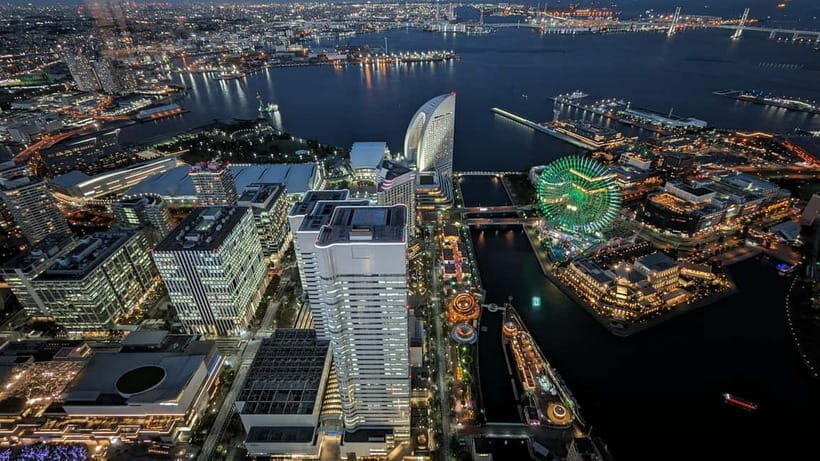
Yokohama is where Japan’s modern port-city story meets everyday neighborhood life. Two major forces shape the feel of the day you’ll spend here.
First, the city’s origin as a small fishing village changed fast. About 200 years ago, Yokohama was tiny; then in the mid-1800s, Japan opened up trade with the outside world, and overnight this place grew into one of the largest and richest cities in Japan. That’s why your tour includes both the polished modern downtown (Minato Mirai) and older, more intimate urban corners.
Second, Yokohama has a special link to Japan’s beer culture. The tour’s background notes point to late-1800s breweries starting here—so you’re not just sightseeing; you’re in a city with an industrial and cultural backbone. Even if the tour day isn’t a formal beer stop, that context makes everything feel more grounded: this wasn’t a random destination, it was a gateway city.
Meeting Point: Start Easy at Nihon-Odori Station Exit 2
You’ll meet just outside Exit 2, the Stadium Exit, of Nihon-Odori Station. I like this kind of meeting setup because it’s clear and it helps you avoid the common pre-tour chaos of hunting for the group under the wrong sign.
From there, you’ll use public transport at times during the tour, but most of the route is designed for walking. That’s important to know up front: the itinerary is meant to work as a sequence of places you can connect with your legs, not as a series of short bus hops.
Minato Mirai: Downtown Yokohama Without the Confusion
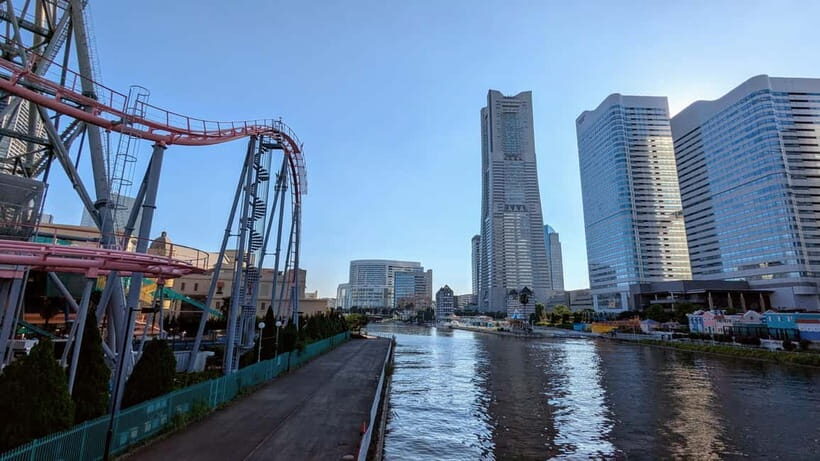
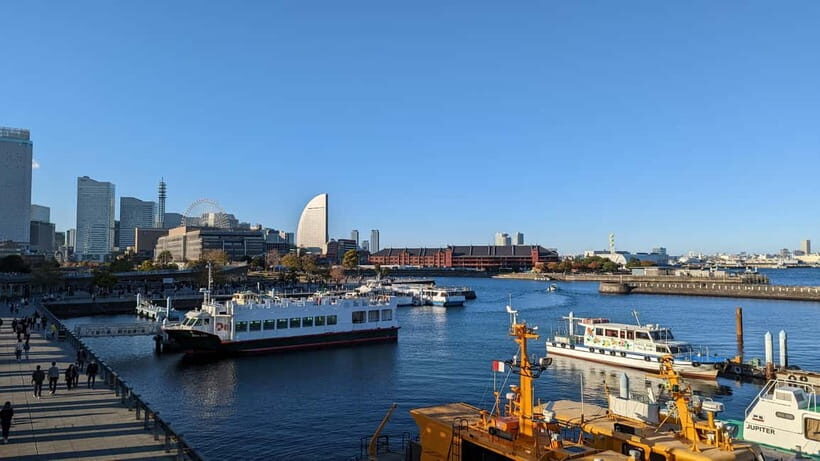
Minato Mirai is the modern Yokohama downtown—the area you picture when you think waterfront, skyline views, and a city that looks forward. This is one of the first stops for a reason: it gives you instant orientation. You can see the layout, the energy, and the contrast with what comes next.
What you’ll enjoy here is the clean “city logic” of Minato Mirai. It’s visually easy to navigate and good for photos, but I also think it’s a strong mental reset. After that, you’re headed into places where the pace and vibe change: Chinatown first, then garden time, then Noge.
Practical tip: plan for a little time looking up and around. Even when you only walk a few blocks, Minato Mirai rewards attention to angles—between buildings, waterfront lines, and street geometry.
Yokohama Chinatown: Japan’s Largest, Up Close
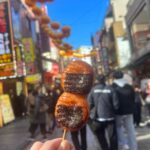
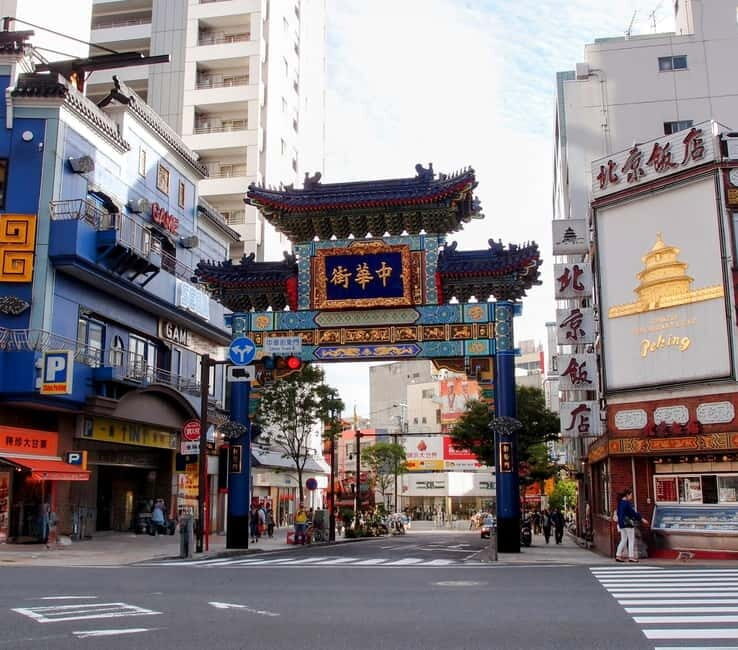
Then comes Yokohama Chinatown, described as the largest Chinatown in Japan. This isn’t just a quick photo stop. Chinatown works best when you slow down and watch small moments: shopfront energy, street layout, and the way the neighborhood feels like its own world inside a larger city.
I like Chinatown on guided walks because the guide can help you make sense of what you’re seeing without turning it into a lecture. You’ll get the cultural framing that turns random signage and food smells into something more meaningful. And since the tour doesn’t include lunch, you’ll have freedom to choose your own timing—grab something you actually want when the moment feels right.
One consideration: Chinatown is a walking-heavy zone. If your feet get tired, tell your guide early. The tour plan is flexible, and you don’t have to suffer through a long slog.





Sankei-en Garden: The Best Garden for a Reason
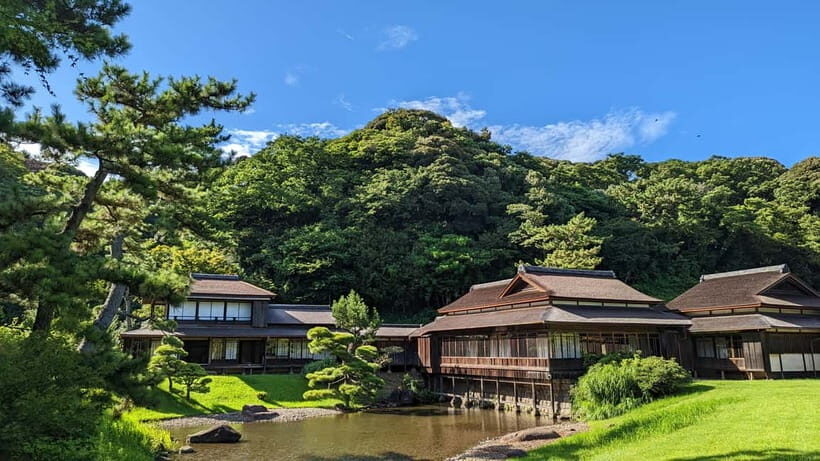
After the street energy, Sankei-en Garden is your pressure-release valve. The tour notes call it the best garden in the whole Tokyo region, and even if you don’t obsess over superlatives, the logic is solid: a garden like this gives you a chance to step out of the commercial city mode and back into a slower rhythm.
This stop matters because it changes your day’s pacing. You move from crowds and storefronts into a designed walking environment. It’s also a strong contrast to Minato Mirai: one place is about modern harbor-city lines, while the other is about human-scale space and the feeling of stepping into a composed natural scene.
If you’re the type who likes taking photos, this is where you’ll enjoy it most. And if you’re not, you’ll still benefit from the break. Gardens make walking easier on the mind, even when your legs are still moving.
Noge: The Neighborhood Contrast That Makes the Tour Feel Real
Finish with Noge, which adds a more local feeling to the route. This is where Yokohama starts to feel less like a headline and more like everyday city life. Noge gives you that “how people actually live” contrast that prevents the day from feeling like a checklist.
I like including a neighborhood stop because it balances the two biggest attractions—downtown and Chinatown. You get variety, and you get a better sense of how Yokohama isn’t only about icons. It also has ordinary streets, characterful corners, and a pace that feels like it belongs to residents.
If you want your Yokohama day to feel lived-in rather than just scenic, don’t skip Noge time. Let it be your last impression.
Walking, Timing, and How to Stay Comfortable
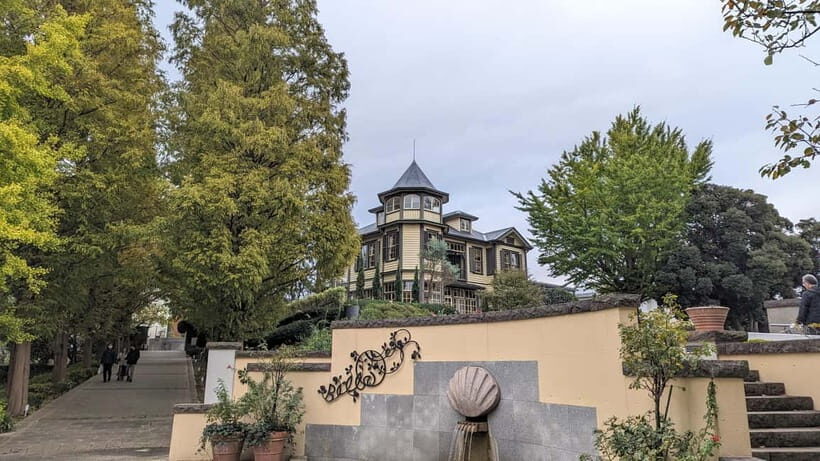
This is a walking tour with occasional public transport use. The tour information explicitly says you’ll mostly get around on foot, and it recommends comfortable shoes. In summer, bring water—simple advice, but it makes the whole 4 hours more enjoyable.
Also note the physical limitation: this tour is not suitable for wheelchair users. If you have mobility limits (stairs, long stretches of walking, or stamina concerns), tell your guide. The tour plan is set up so adjustments can be made; in one highlighted case, the guide changed the plan to meet an injured knee situation.
If you’re prone to getting tired late in the day, aim to start steady. The biggest mistake people make on tours like this is saving energy only for the last stop. Your body isn’t a calculator; it needs pacing.
Getting the Most Out of a Private Group Tour
Because this is private (up to 10 people), you get something rare: a smoother rhythm. You won’t feel like you’re being dragged along by the fastest walkers. It’s also easier to ask questions because you’re not competing with a large crowd.
In a strong example from the tour’s history, the guide John was praised for being well organized and for handling lots of questions across everyday life in Japan. That’s a big deal for you because it turns sightseeing into understanding—like learning what to notice, how neighborhoods work, and what to ask next when you’re on your own later.
If you’re the kind of traveler who likes to understand context (not just take pictures), this private format is a real value-add.
Costs You Should Budget On Top of the Tour Price
Plan for a bit of spending during the day:
- Transportation: about 400 yen (approximate)
- Entry fees: about 1000 yen (approximate)
- Lunch/snacks/drinks: not included
So you’re not going to be blindsided by surprises, but you should have cash or card ready. I find this budgeting style helps you keep control: if you want a snack in Chinatown, you can do it when you feel like it, not when the tour schedule dictates.
Who This Tour Fits Best
This experience is a great match if you want a compact Yokohama orientation that still includes variety:
- Downtown views in Minato Mirai
- Big-street energy at Yokohama Chinatown
- A proper, calming break at Sankei-en Garden
- A neighborhood finish in Noge
It’s also ideal for small groups who prefer a private guide rather than joining a larger walking crowd. And if you’re traveling with someone who needs a slower pace, the tour information suggests the plan can be adjusted—so bring that up early.
If you hate walking, or you need full wheelchair accessibility, you’ll probably want a different option. This one is designed for legs first.
Should You Book This Yokohama Tour?
I’d book it if you’re on a time budget but still want Yokohama to feel like more than a single landmark. The day mixes modern downtown, Chinatown culture, and garden calm, and that rhythm keeps you from getting tour-fatigued after the first big attraction.
You should skip or reconsider if walking long stretches is hard for you, since the route is mostly on foot and the tour is not suitable for wheelchair users.
If you’re flexible and willing to wear comfortable shoes, this private 4-hour plan is a smart way to get your bearings in Yokohama fast—then move on to whatever you want next, with a better feel for where to go.
FAQ
How long is the Yokohama walking tour?
It lasts 4 hours.
Is this tour private?
Yes. It’s a private group tour.
What is the price and group size?
The price is $129 per group up to 10.
What is included in the price?
Included are the guide fee and one friendly and knowledgeable guide (English live guide).
What is not included?
Not included are lunch/snacks and drinks, transportation (about 400 yen), and entry fees (about 1000 yen).
Where do we meet?
You meet just outside Exit 2, Stadium Exit, of Nihon-Odori Station.
What language is the tour guide?
The guide gives the tour in English.
What should I bring?
Bring comfortable shoes. For summer, bring water.
Does the tour use public transportation?
Yes, you’ll use public transport at times, but you’ll mostly walk.
Is the tour wheelchair accessible?
No. It’s not suitable for wheelchair users.
Can I cancel and get a full refund?
Yes. You can cancel up to 24 hours in advance for a full refund.
Does it offer reserve now and pay later?
Yes. There is reserve now & pay later, so you can book your spot and pay later.