REVIEW · YOKOHAMA
Ramen,Gyoza,Udon,Tempura-Making experience in Japanese home
Book on Viator →Operated by Mana Home Made Cooking In Japan · Bookable on Viator
Cooking in a real Japanese home is the point.
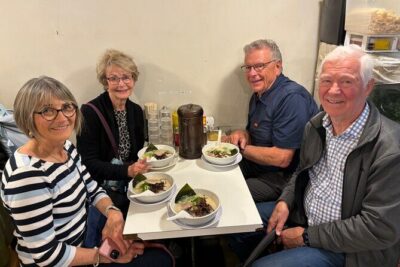
I like how Mana runs things with a calm, family-kitchen feel, not a classroom vibe, and I also like that you get a clear, doable menu with a chance to learn basics you can repeat at home. You’ll also spend real time cooking and eating together, which makes it feel less like a show and more like dinner prep. One thing to plan for: diet changes and ingredient requests need advance messaging, and you can’t swap without notifying the instructor.
What really makes this stand out is the combo of a private lesson and a local host who cooks for her family every day. The menus rotate between udon + tempura, gyoza + maki-sushi, or soy source ramen + gyoza, and you eat what you make. The only potential drawback: you’ll need to handle your own transportation to the meeting area since private transport isn’t included.
In This Review
- Key things I think you’ll care about
- Why cooking in Mana’s Yokohama home feels different from a studio
- Menu choices: udon + tempura, gyoza + maki-sushi, or soy source ramen + gyoza
- Udon and Tempura set
- Gyoza and Maki-sushi set
- Soy source Ramen and Gyoza set
- The 2-hour rhythm: meet near Totsuka, cook 1h45, eat, then head back
- Getting to the home near Totsuka station (without losing your time)
- Working with a licensed home cook named Mana
- Dietary needs: halal, vegan, veg, allergies, and disliked foods
- What you’ll learn you can actually use after you go
- Price and value: $64.16 for a private lesson with lunch
- Who should book this (and who might prefer something else)
- Should you book Mana Home Made Cooking in Japan?
- FAQ
- What food options are included in the class?
- Is the ramen made from scratch in the class?
- Can I request halal, vegan, or vegetarian meals?
- Can the instructor accommodate allergies or disliked foods?
- Where do we meet in Yokohama?
- Is this a group class or private?
- Is private transportation included?
- What’s the cancellation window?
Key things I think you’ll care about
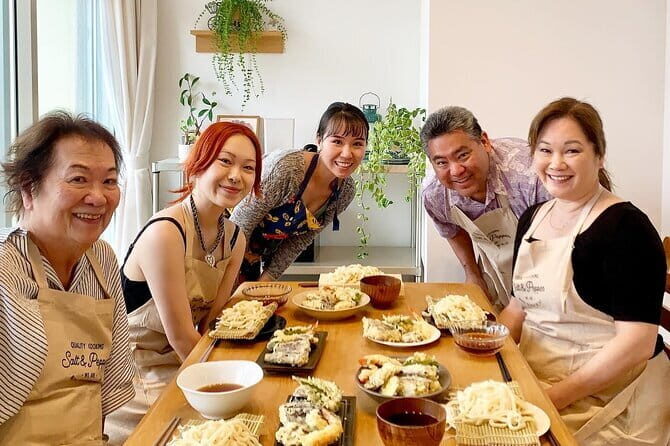
- Private, home-style cooking with a relaxed pace and lots of back-and-forth
- Clear set menus (udon/tempura, gyoza/maki-sushi, soy ramen/gyoza) so you’re not guessing
- Mana’s daily home experience plus a cooking license in Japan
- Lunch included, so the class ends with food you helped create
- Ramen noodles are premade, which keeps timing smooth for a 2-hour lesson
Why cooking in Mana’s Yokohama home feels different from a studio
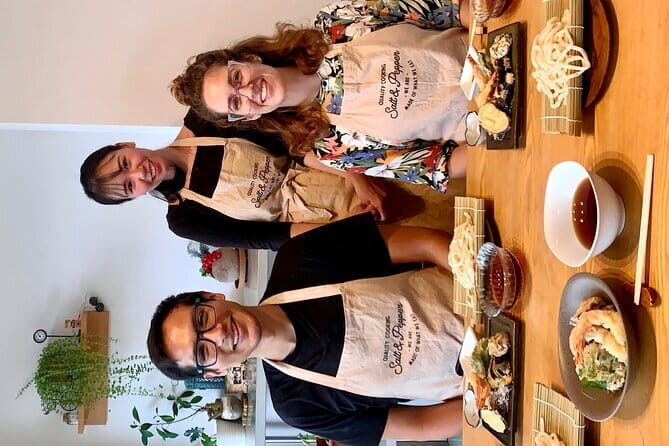
This is one of those activities where the setting does half the work. A restaurant kitchen teaches you how to order and eat; a studio class often teaches you how to follow steps. Here, you’re stepping into a real home near Totsuka station, where cooking is part of daily life. That means the instructions feel practical, like someone is showing you how to make dinner, not performing for a crowd.
I also like the comfort level. It’s private, so you’re not stuck waiting your turn while a group gets shuffled through. You can ask questions as you go, and you get time to taste and adjust rather than just completing a checklist.
The host, Mana, is a local Japanese cook with a cooking license and the kind of routine knowledge that comes from cooking for her family every day. And based on guest comments, her English is strong enough that you don’t have to guess your way through the lesson.
You can also read our reviews of more tours and experiences in Yokohama.



Menu choices: udon + tempura, gyoza + maki-sushi, or soy source ramen + gyoza
You choose one of three sets, and that choice shapes the whole experience. It’s not a buffet class where you float between stations. It’s focused, which is good if you want to actually learn how each dish comes together.
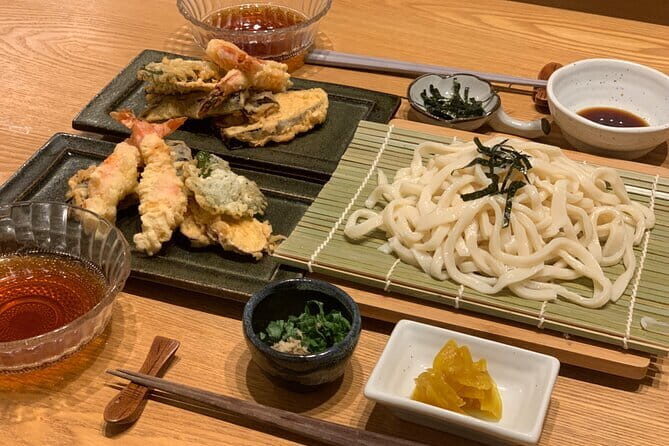
Udon and Tempura set
If you pick this option, expect wheat-noodle comfort plus crispy frying practice. Tempura is a great “at-home” dish because the technique (batter texture, heat control, and timing) is what you can repeat later. Udon usually feels forgiving, but making it well still comes down to handling and serving it correctly.
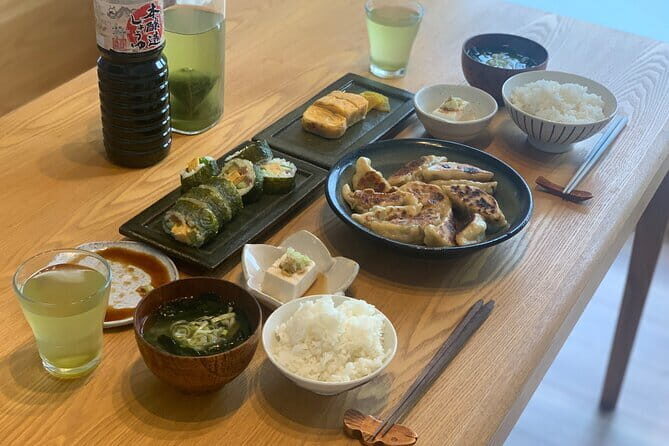
Gyoza and Maki-sushi set
This menu is the most variety-heavy. You’ll work on gyoza, which teaches folding and filling discipline, and you’ll also make maki-sushi. In one set of cooking feedback, guests mentioned making miso soup with traditional ingredients and creating California-style rolls and smaller sushi pieces as part of the sushi portion. Your exact items may vary with what’s easiest to source, but the theme stays the same: technique plus a chance to personalize.
Soy source Ramen and Gyoza set
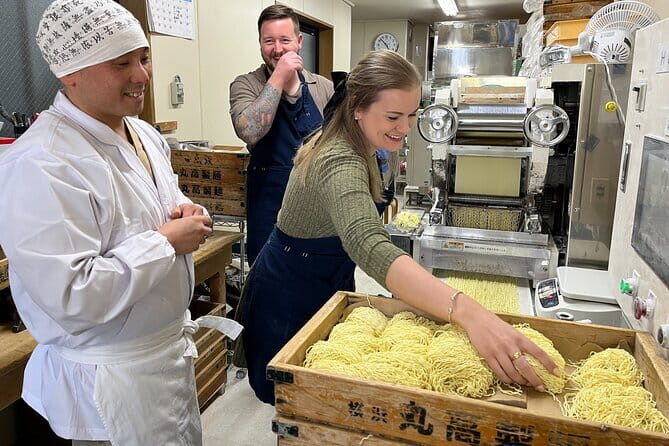
Ramen in Japan can feel intimidating, but this class is structured to keep you moving. The ramen noodles are premade, so you’re not spending the lesson rolling noodles or timing hydration. That leaves room to focus on flavor building and pairing ramen with gyoza, which is a classic combo in comfort-food terms.


The 2-hour rhythm: meet near Totsuka, cook 1h45, eat, then head back
The schedule is built for momentum. You meet near Totsuka station (the class lists a meeting area by Pizza-La and describes meeting at a McDonald’s near Totsuka), then Mana explains the flow before you start cooking. The cooking block runs about 1 hour 45 minutes, and then you eat what you made.
That pacing matters because it reduces the two classic problems of cooking tours:
- You’re not standing around too long.
- You’re not rushed through eating.
After the meal, you return to the meeting point. It’s simple, and it keeps the class from turning into a half-day event.
Getting to the home near Totsuka station (without losing your time)
You’ll start at a specific meeting area near public transportation. The idea is that Mana picks you up from the meeting point and takes you to the house, which makes the neighborhood logistics less stressful.
Still, plan for one practical thing: private transportation isn’t included. In other words, you’re responsible for getting yourself to the meeting area. If you’re using transit, give yourself a little buffer for figuring out exactly which entrance or storefront matches the meeting spot.
What I’d do: arrive a bit early and be ready to show the mobile ticket when you connect with Mana.
Working with a licensed home cook named Mana
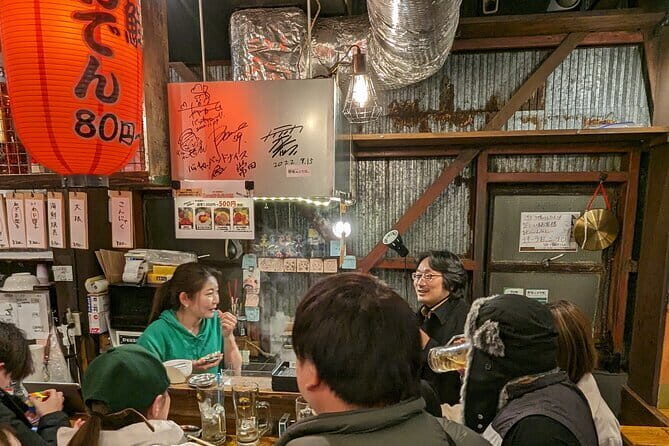
This is where the value gets real. A home-cook brings habits you don’t get in a classroom. You’ll likely see how she keeps ingredients organized, how she adjusts seasoning in small steps, and how she explains technique in plain language.
Mana is described as the perfect hostess with very good English. That matters more than people expect. If you can understand the “why” behind a step, you’ll cook better later. If language is shaky, you end up memorizing steps without learning.
The private format also helps. You can ask for clarifications right when something feels confusing, instead of waiting for a translator or for the group to catch up.
Dietary needs: halal, vegan, veg, allergies, and disliked foods
One of the more useful parts of this experience is that dietary options are offered, but with conditions.
- Halal/vegan/veg are listed as available.
- Ingredient preferences and allergy or disliked foods can be requested.
- You must contact the instructor through the message feature when you book soon.
Two important cautions from the rules you’re given: food item changes can’t be made without notification, and the instructor can’t respond on the day. So if you have allergies or strong dislikes, don’t wait until your final hours. Message early so the menu can be adapted with enough time to shop and prep.
Also, if you’re strict about dietary rules, it helps to be specific in your request. Instead of just saying vegan, tell Mana what you can’t eat and what substitutions you want where relevant.
What you’ll learn you can actually use after you go
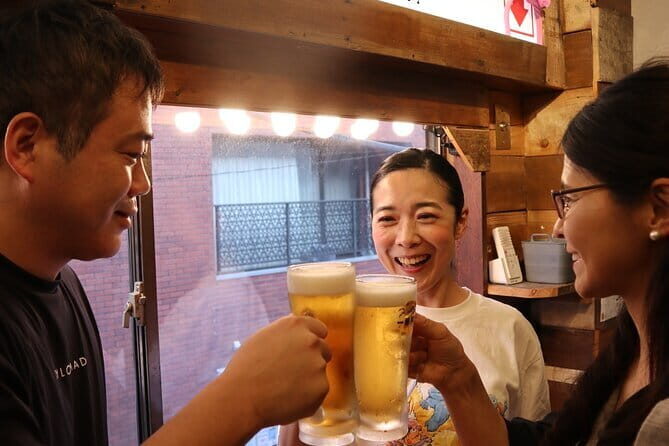
This class is designed to leave you with practical home skills, not just photos. Because you’re cooking in a home kitchen, the techniques you pick up tend to be the kind you can repeat with ordinary supplies.
Here are the kinds of takeaways that fit each menu:
- Tempura skills: batter texture and frying timing are where people usually struggle at home. Learning what “right” looks and feels like helps a lot.
- Gyoza technique: folding and filling balance. Once you understand the mechanics, you can adjust filling flavors next time.
- Sushi building: maki assembly and rolling basics. Even if you’re not making perfect restaurant rolls, you’ll learn the fundamentals that make homemade sushi feel doable.
- Ramen pairing logic: since the noodles are premade, you can focus on combining components well—so you get a better result without needing a noodle-making setup.
If you’re worried about “I’m not a cooking person,” don’t overthink it. The class is structured with simple recipes and techniques described for this experience, and the private setting means you won’t be lost in a crowd.
Price and value: $64.16 for a private lesson with lunch
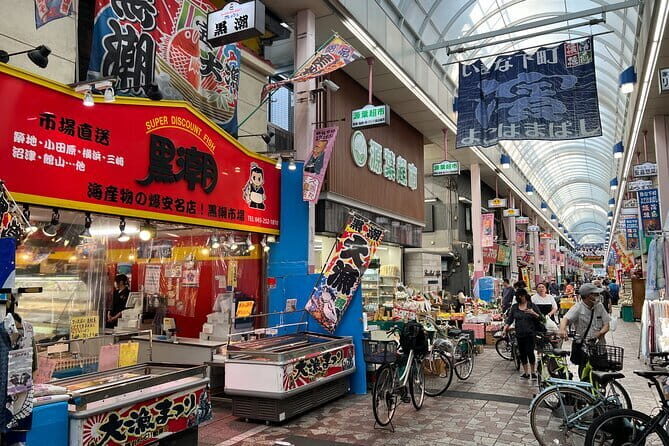
At $64.16 per person for about two hours, this is not the cheapest way to eat Japanese food in Yokohama. But the value comes from what you get for that money: a private home lesson, lunch included, and instruction from a local host who cooks daily.
Compare it to a typical restaurant meal: you’d pay for food, but you wouldn’t get the how-to. Compare it to a studio class: you might learn recipes, but you often lose the home-kitchen context and the relaxed pace.
Also, the timing is efficient. You cook for nearly two hours total and then eat. You’re not paying for a long trip with little hands-on time.
One more thing: ramen noodles being premmade is a smart design choice. It keeps the class on schedule and gives you more time for the parts that actually teach technique.
Who should book this (and who might prefer something else)
This experience fits best if you want:
- A more personal, low-pressure cooking session
- Real home-style food rather than restaurant plating
- A chance to learn a few core techniques in one focused menu
It’s especially good for couples or small friend groups who want something more meaningful than a meal alone. The private format also helps if you have dietary needs, because you can communicate your constraints ahead of time.
If you’re the type who wants a big group atmosphere, or you want a very specific ingredient style that’s not discussed in advance, you might find a more customizable cooking experience better. The key limitation is that menu swaps and adjustments depend on notifying Mana in advance.
Should you book Mana Home Made Cooking in Japan?
If you’re choosing between eating Japanese food and learning how to make it, I think this is the better swing. Mana’s home setting, the private format, and the fact that lunch is included make it feel like a proper cultural interaction, not a ticketed activity you move on from.
Book it if:
- You want hands-on cooking in a real Yokohama home
- You like the idea of learning one set menu thoroughly
- You’re okay messaging in advance about diet, allergies, or dislikes
Skip it if:
- You need last-minute food changes on the day of the class
- You don’t want to handle your own transport to the meeting area
If you want a relaxing, doable way to cook ramen, gyoza, udon, tempura, or maki-sushi with a local host, this is a strong choice.
FAQ
What food options are included in the class?
You pick one set from three options: udon and tempura, gyoza and maki-sushi, or soy source ramen and gyoza. Lunch is included, and you eat what you cook together.
Is the ramen made from scratch in the class?
No. The ramen noodles are premade, so the class focuses on preparing and serving the ramen along with the rest of the set.
Can I request halal, vegan, or vegetarian meals?
Yes, halal/vegan/veg options are listed as available. You need to message the instructor through the message feature when you book soon.
Can the instructor accommodate allergies or disliked foods?
The class allows ingredient preferences, including allergies and disliked foods, but you must contact Mana in advance through messaging. You can’t expect changes without notifying the instructor.
Where do we meet in Yokohama?
You meet near Totsuka station at the meeting point described for the experience (the listing provides an address near Totsukachō and also notes a McDonald’s meeting point). Mana picks you up and takes you to the home.
Is this a group class or private?
It’s private. Only your group participates.
Is private transportation included?
No. Private transportation isn’t included, so you’ll need to get yourself to the meeting point.
What’s the cancellation window?
Free cancellation is available up to 24 hours before the experience starts for a full refund. If you cancel less than 24 hours before, the amount paid isn’t refunded.