REVIEW · TOKYO
Tokyo Morning City Tour with Pick-up Service from 28 Hotels
Book on Viator →Operated by Japan Gray Line · Bookable on Viator
Tokyo can feel like a puzzle at 8:30 in the morning. This tour gives you an organized path to big landmarks, with hotel pickup and a Tokyo Tower photo stop that makes your morning feel instantly worth it.
I particularly love the mix of old and new: Meiji Jingu slows the pace with a forested Shinto setting, then the energy flips to modern Tokyo with the Shibuya area sights. I also like how your guide shares practical ideas for the rest of your trip, so you leave with a plan instead of just photos.
One consideration: this is a half-day format with no hotel drop-off, so you’ll need to get back on your own (subway/train or taxi). Add in some outdoor walking and the usual Tokyo morning traffic variables, and it helps to start with the right expectations.
In This Review
- Quick hits before you go
- Where this morning tour fits in your Tokyo plan
- Price and what you actually get for $52.26
- Pickup logistics: easy start, one key limit
- The guide experience: what the best parts feel like
- Meiji Jingu Shrine: the calm reset stop
- Shibuya sights: the world-famous crossing, seen from the right angle
- Tokyo Tower viewpoint: the photo moment and the payoff
- The Imperial Palace loop and government buildings: quick context through the window
- Ginza free time: shopping district stroll and Japanese-style lunch time
- What to wear and bring (so the tour feels smooth)
- Group size and pacing: good structure, some bus time
- Who this tour is best for
- Should you book this Tokyo morning tour?
Quick hits before you go
- Hotel pickup from many Tokyo hotels makes the start of the day easy
- Meiji Jingu pairs a free admission stop with calm, old-school Tokyo atmosphere
- Tokyo Tower includes admission and a main-deck viewpoint at 150 meters
- Shibuya Crossing is part of the sightseeing loop, known for heavy pedestrian action
- Ginza free time lets you choose a Japanese-style lunch on your own
- Small group size (up to 40) keeps the experience feeling manageable
Where this morning tour fits in your Tokyo plan
If you’re new to Tokyo, “what do I do first?” is a real problem. You can spend your first day bouncing around and still feel lost. This kind of half-day tour fixes that by giving you a clean route to the most iconic stops without asking you to decode train transfers.
You’re looking at about 4 hours total, including pickup and travel between sights. That short window is a plus if your energy is limited or you want time later for neighborhoods that take longer to explore at street level. It’s also a good “warm-up” day, the sort of outing that helps you understand where places are in relation to each other—so your later, independent plans make more sense.
You can also read our reviews of more city tours in Tokyo

Price and what you actually get for $52.26
At $52.26 per person, the value comes from what’s bundled. You’re paying for a certified English-speaking guide, pickup from designated hotels, and included admission (with Tokyo Tower specifically called out). You’re also getting built-in time buffers for transport and the kind of photo moments a self-guided walk usually turns into a scramble.
What’s not bundled is also important. Lunch is not included, and WiFi on board isn’t included either. This means you’ll still want a few extra dollars (or yen) for food and any optional add-ons like snacks during the stops. Also, gratuity is not required, but it’s not hidden either—so decide what fits your comfort level.
In plain terms: you’re buying convenience plus good “first-day structure,” not a full meal plan.
Pickup logistics: easy start, one key limit
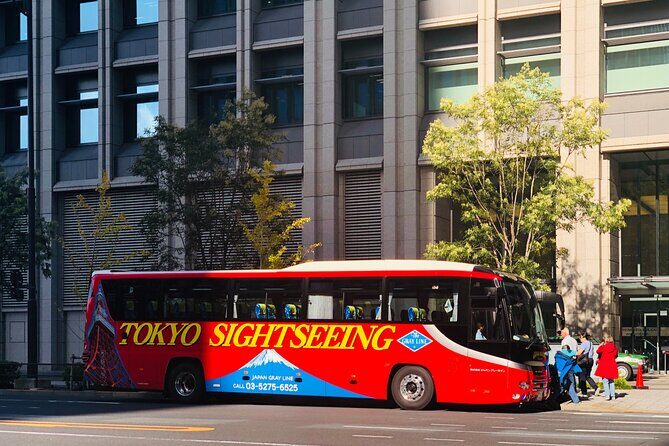
The tour starts at 8:30 am, and pickup is offered at designated Tokyo hotels. Pickup can also involve a taxi, depending on the area. If you’re staying in a hotel where pickup is offered, this is one of the biggest reasons the tour feels less stressful than other sightseeing plans.
There’s one detail to keep in mind: a guide may not accompany you when pickup is handled by vehicle transfer. That doesn’t mean the tour quality drops—it just means you should plan to find your group and then connect with the main guide once you’re on the tour’s vehicle or meet point.
Also, the tour provides no drop-off service back to your hotel. So by the time you finish in the Ginza area, you’ll be navigating back yourself. If you’re not comfortable with Tokyo’s train system, that’s the one part of this tour where you may want to pre-plan your return route (or budget for a taxi).
The guide experience: what the best parts feel like
This is led by a National Licensed Guide-Interpreter, and the tone matters. The best versions of this tour turn into more than landmark photo stops. One of the standout patterns here is energy and clarity—there are mentions of guides being very upbeat, patient with a big mixed group, and willing to recommend what to do next.
If your guide is Yoshi, there’s specific praise for how he handled a larger group with different ages and still stayed consistent with the energy. Even better: there are comments about him taking great souvenir photos at Tokyo Tower, which is exactly what you want from a guided stop—less awkward posing, more good results.
Meiji Jingu Shrine: the calm reset stop
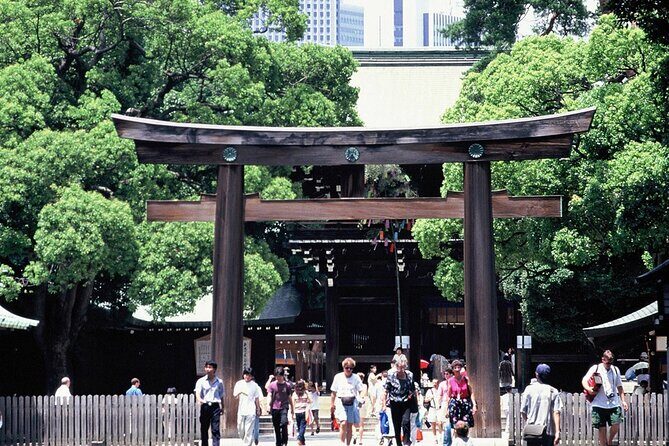
Your first major stop is Meiji Jingu Shrine. The tour gives you about 40 minutes, and it’s the kind of place where even a short visit feels meaningful.
You’ll be in a large shrine property that includes serene forests and traditional Shinto-style architecture, dedicated to the spirits of Emperor Meiji. The added context shared during the stop includes his role in ending the Samurai era and shaping a major turning point in Japan.
Why this stop works in a morning tour: it’s not just scenic. It’s a break from Tokyo’s fast pace. You’ll likely walk some outdoor paths, so wear shoes that don’t punish you after 20 minutes.
The one drawback is also practical: with limited time, you won’t see everything. But for first-time visitors, this is a smart “taste” that anchors your understanding of Japanese culture before the city goes fully modern.
A few more Tokyo tours and experiences worth a look




Shibuya sights: the world-famous crossing, seen from the right angle
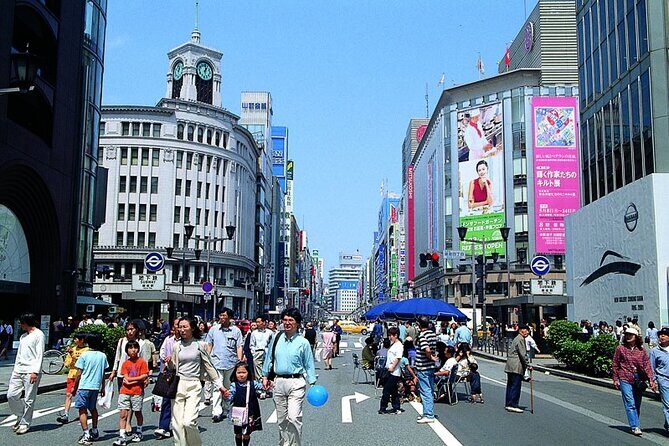
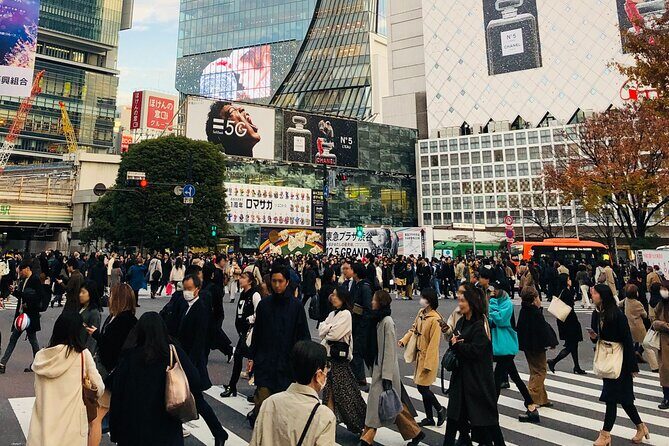
During the bus portion, you’ll pass by Shibuya Crossing (also called Shibuya Scramble Crossing). It’s famous for being the busiest pedestrian crossing in the world, and that reputation is easy to understand just by watching how the flow works.
This is a stop you should treat as a visual moment rather than a long exploration. You’re seeing it through the structure of a guided tour and from the moving point-of-view of the vehicle. That means you get the context without the chaos planning.
If your main goal is “I want to wander Shibuya on foot,” save that for later. This morning format is built for orientation and iconic snapshots.
Tokyo Tower viewpoint: the photo moment and the payoff
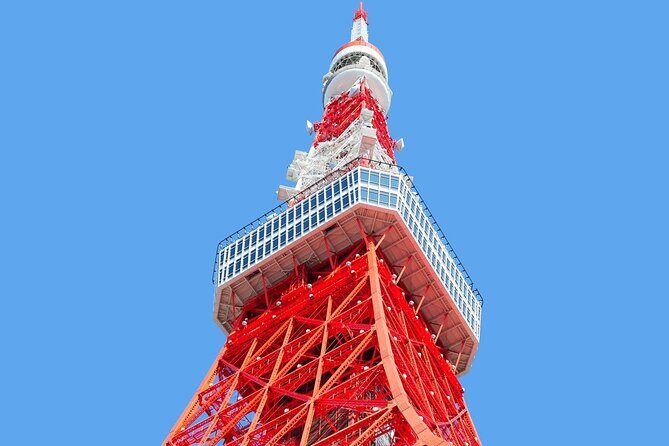
Tokyo Tower is the big “wow” stop on this tour. You get about 40 minutes, and admission to the main observation area is included. Tokyo Tower was constructed in 1958, and the top deck is 150 meters above the ground—high enough to make Tokyo’s sprawl feel real.
One of the most praised aspects is the way the tour handles souvenir photos. Tokyo Tower is notoriously tricky for self-timing and angle choices, so having the guide organize a photo moment can save you time and awkward attempts.
Even if you’ve seen Tokyo from screens, the viewpoint is still a shock in person. From up there, you get a better sense of distances, river lines, and the overall city grid. That’s valuable because later you can pick neighborhoods with more confidence.
Small consideration: expect a bit of queue time depending on conditions. The tour time is limited, so it’s wise to move promptly when you’re on the observation level.
The Imperial Palace loop and government buildings: quick context through the window
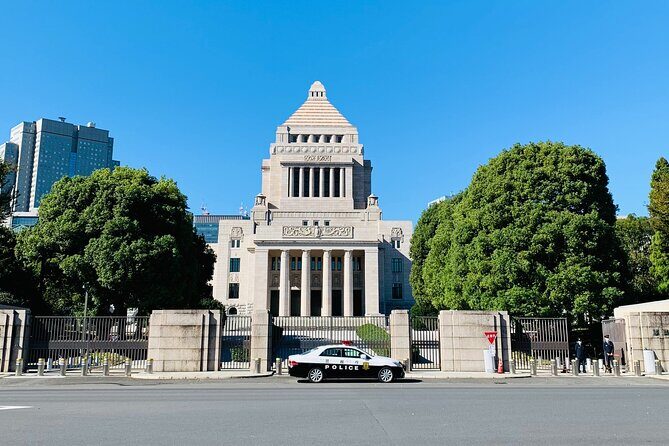
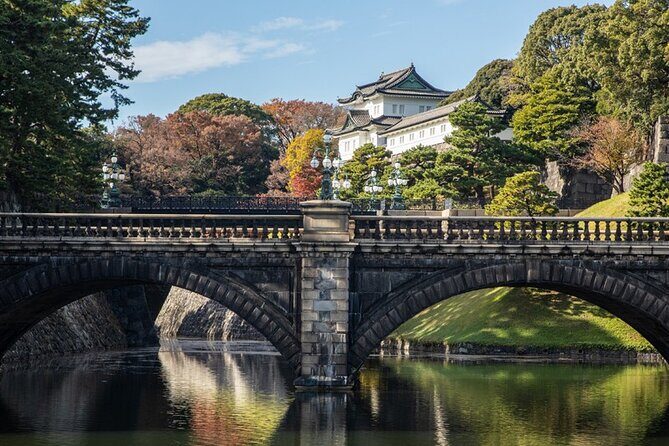
Between major landmarks, the tour includes drive-by sightseeing. One segment loops around the Imperial Palace, described as being the former Shogun’s castle until the mid-19th century. You’ll spend about 20 minutes on this loop, and your guide provides commentary as you ride.
It’s short, but it helps you connect modern Tokyo to its political and historical layers. You’ll also pass by a major government building: described as constructed in 1936 and resilient through wartime, and referenced as Japan’s political heartland.
This is not a museum-like stop where you get to linger. Think of it as fast context. For many people, that’s exactly what a half-day tour should do.
Ginza free time: shopping district stroll and Japanese-style lunch time
The final focus is Ginza, known for being one of Japan’s more sophisticated, upscale shopping districts. You’ll have time to take a leisurely stroll through the refined shopping streets.
And yes, this is also where the lunch opportunity comes in—time is set aside to enjoy a Japanese-style lunch. The important part: lunch itself is not included. You’re getting the time and the location. You’ll still be the one paying for your meal wherever you choose.
This ending works well because Ginza is easy to connect from later. If you want to keep going after the tour, you’re dropped into a neighborhood where you can keep walking, snack-hopping, or head to nearby transit corridors.
What to wear and bring (so the tour feels smooth)
Since the tour involves a good amount of outdoor walking, plan on comfort. The tour suggests sneakers or comfortable shoes and having rain gear like an umbrella or raincoat.
Also bring a small mindset shift: this is half-day sightseeing, so you’ll be moving on schedules. If you tend to wander slowly on trips, choose one or two “must-see” moments in each stop, then let the rest be quick but meaningful.
Group size and pacing: good structure, some bus time
The tour caps at 40 travelers. That size is big enough to feel organized, small enough that it doesn’t turn into a stampede.
You should also expect some time riding the bus and driving through areas. If traffic is heavy, the schedule can shift. The tour notes that weather, traffic, or operational reasons may cause itinerary changes or substitutions and that the tour fare won’t be refunded in those cases. In other words: Tokyo logistics are real life, not a perfect movie set.
The way to make peace with that is to use the bus time for your orientation. Look out the windows, notice directions, and mentally tag where things are. It makes your later self-guided exploring easier.
Who this tour is best for
This is a strong fit if:
- You’re a first-time visitor who wants a quick, structured introduction
- You like a mix of culture and modern Tokyo icons in one morning
- You prefer not to plan transport between stops
- You want a guide’s recommendations for what to do after the tour
It might feel less ideal if:
- You strongly prefer independent sightseeing without a set schedule
- You’re uncomfortable navigating Tokyo trains when you finish without hotel drop-off
- You want lots of time to linger at every location
Should you book this Tokyo morning tour?
I’d book it if you want an easy first day that covers the big hitters: Meiji Jingu, the Shibuya Crossing area, and the Tokyo Tower viewpoint—with hotel pickup doing the heavy lifting at the start. It’s also a smart move if you’re trying to learn Tokyo’s geography fast, since the tour gives you that “now I get it” feeling.
I’d think twice if you need the tour to end back at your hotel, because the finish in the Ginza area means your return is on you. If you’re comfortable with trains (or willing to budget for a taxi), it’s a solid value for the combination of guide time, pickup convenience, and included admission.
If you’re set on seeing Tokyo at street level later, treat this tour as your orientation base camp. Then go explore the neighborhoods with that new confidence.