REVIEW · OITA
Japanese Kominka Experience
Book on Viator →Operated by シークレットプライベートツアー · Bookable on Viator
Rural Oita slows you down—in a good way. This half-day, English-guided route puts you in kominka spaces and crafts around Nakatsu, with yukata photos that feel like a movie set.
I like how the day mixes hands-on food making with real place-based sightseeing, not just quick photo stops. The wagashi workshop and the soba lunch give you two very different flavors of local life in just a few hours.
One thing to consider: this tour isn’t suitable for food allergies, especially buckwheat (soba) allergy.
In This Review
- Key points to know before you go
- Kominka in Nakatsu: Why this feels like rural Japan
- Start at Nakatsu Station: timing, transport, and the private setup
- Yukata dressing without the chaos: what you should wear
- Stop 1: Musashiya shoten for matcha, wagashi, and your first taste
- Lunch at Hanagoromo: Michelin-recognized soba comfort food
- The 120-year-old house and garden: yukata photos in a real space
- Wagasa umbrella workshop: watch traditional craft being made
- Nakatsu Castle and Shrine: goshuin stamp and flower-town views
- Niwa Saryo tea time: gyokuro plus matcha parfait
- What you’re really paying for: value beyond the headline price
- Practical tips so you enjoy the day (not just survive it)
- Who this Japanese kominka day suits best
- Should you book this Japanese Kominka Experience?
- FAQ
- FAQ
- Where does the tour start and end?
- What time does the tour begin?
- How long is the tour?
- Is the tour private?
- What’s included in the price?
- What is not included?
- Do I need to bring anything for the yukata?
- Is the lunch always soba?
- Is there any food restriction to know about?
- How do booking and tickets work?
- Can I cancel and get a refund?
Key points to know before you go
- Wagashi workshop plus tea tasting: You start with matcha and wagashi, then make your own.
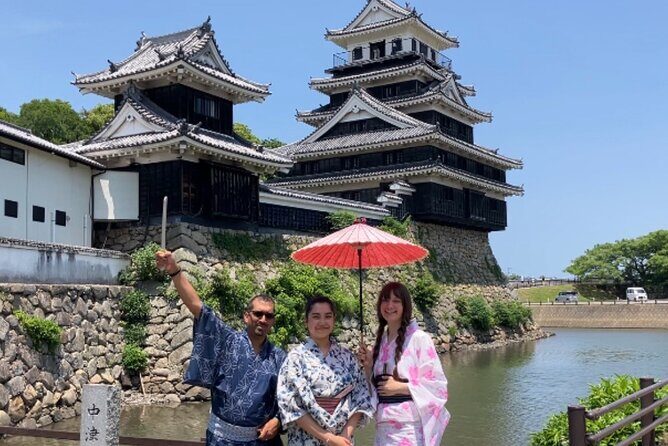
- A 120-year-old house with garden photos in yukata: It’s more than a costume.
- Wagasa umbrella craft watch: Traditional umbrella making is short, focused, and visual.
- Nakatsu Castle and Shrine with a goshuin stamp: A small, meaningful souvenir.
- Gyokuro and matcha parfait at Niwa Saryo: You end with a sweet-and-tea finale.
- Private, limited group format: You only share the day with your group.
Kominka in Nakatsu: Why this feels like rural Japan
If your Japan trip is mostly Tokyo and Kyoto, this Oita half-day gives your brain a new rhythm. Nakatsu is a castle town, but the tour steers you away from big-city tourism. You spend time in older structures and working crafts, where you can see how people actually live and eat.
What I like most is the pairing: you get a traditional home and garden photo session, then you move to taste and technique. The day never forgets that culture is hands, hands, and hands—wood, paper, dough, tea. You also get the practical bonus that your guide handles the pacing and transitions, so you’re not hunting for the next stop on foot.
You can also read our reviews of more tours and experiences in Oita.


Start at Nakatsu Station: timing, transport, and the private setup
This experience starts at 10:30 am at Nakatsu Station (Nakatsu, Oita). It ends back at the same meeting point, so you don’t have to figure out a separate return. The duration is about 6 hours 30 minutes, and you travel by air-conditioned vehicle.
It’s also a private tour, meaning only your group participates. That matters for comfort if you’re traveling with friends or family, because you can ask questions, move at a pace that works for you, and get help with the yukata part without feeling rushed.
There’s a mobile ticket, and the meeting point is near public transportation, which makes it easier to connect with other plans around Oita.
Yukata dressing without the chaos: what you should wear
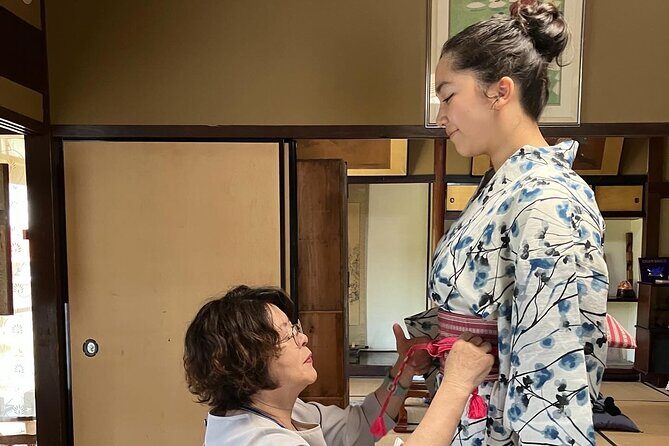
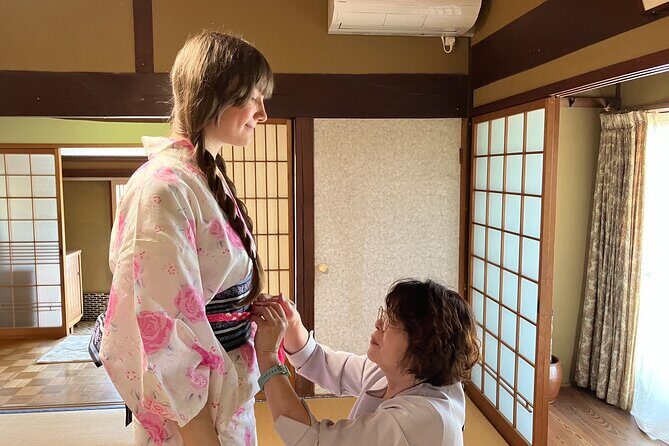
You’ll rent a yukata and pay a dressing fee as part of the included services. Plan your outfit choices carefully. For yukata, the tour asks you to wear a V-neck undershirt, and to inform the team of your usual clothing and shoe sizes in advance.
That detail is worth taking seriously. A yukata can look simple, but fit makes a big difference for comfort and photos. If you show up in the wrong neckline or shoes, you might spend extra time sorting it out.
You can also expect the yukata to show up at the 120-year-old house garden portion, so you’re not just dressing up for ten minutes. You get a proper photo session outdoors, which is the moment many people remember most.
Stop 1: Musashiya shoten for matcha, wagashi, and your first taste
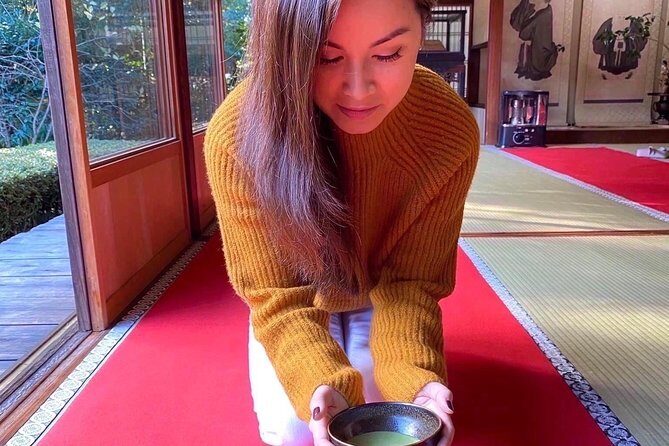
The day begins in Nakatsu with a stop at Musashiya shoten, centered on wagashi (Japanese sweets) and matcha. You get time for tasting first, then the workshop.
This order is smart. It’s easier to appreciate what you’re making later when you already understand what good looks and tastes like. Also, wagashi isn’t just dessert here. It’s seasonal form and a balance of sweetness, texture, and tea pairing.
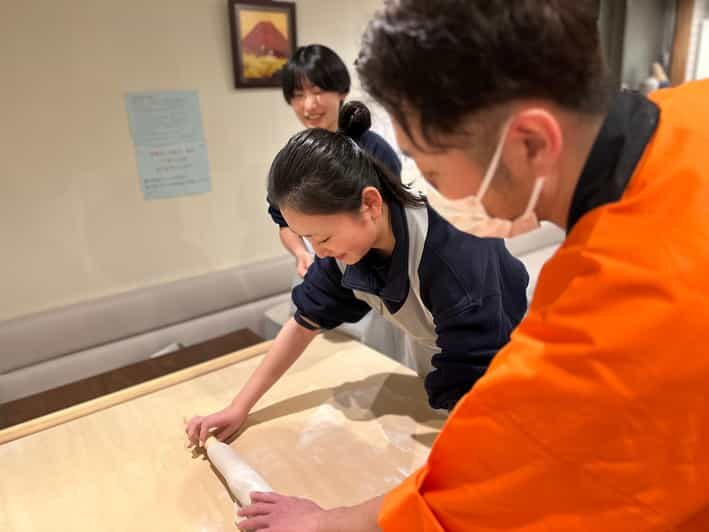
Then comes a hands-on wagashi-making experience with a fee included. The teacher explains the process, and you take home the satisfaction of doing it yourself, not just watching from the back.
Practical note: this is one of the core attractions of the tour. If you have any hesitation about sweets, this still works because the session is guided and focused.
Lunch at Hanagoromo: Michelin-recognized soba comfort food
Next up is lunch at Hanagoromo, described as a famous soba restaurant in Nakatsu. The tour highlights it as Michelin-recognized, which is a good sign for quality and consistency.
This is where the day becomes very Japanese in a different way. You’re not just eating lunch; you’re eating one of the region’s signature foods. Expect a traditional rhythm to the meal and a chance to refuel before the outdoor parts of the day.
Important consideration: the tour notes it is not suitable for those with food allergies, especially buckwheat (soba) allergies. If soba is a no-go for you, skip this one.
Also, note the day plan can change: depending on the day, lunch may be replaced with sushi and Nakatsu fried chicken. The tour keeps the lunch stop, but the menu isn’t guaranteed to be soba every time.
The 120-year-old house and garden: yukata photos in a real space
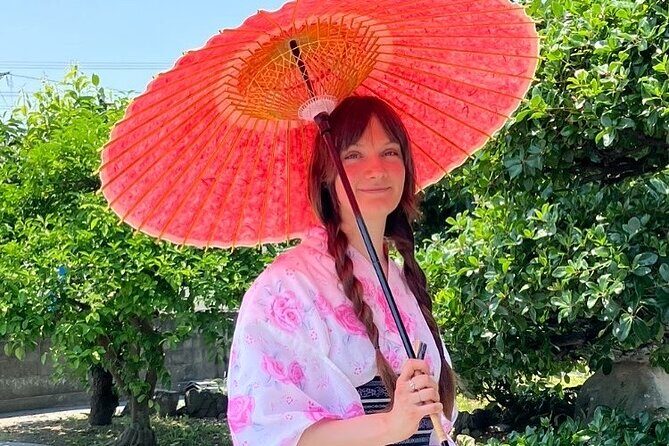
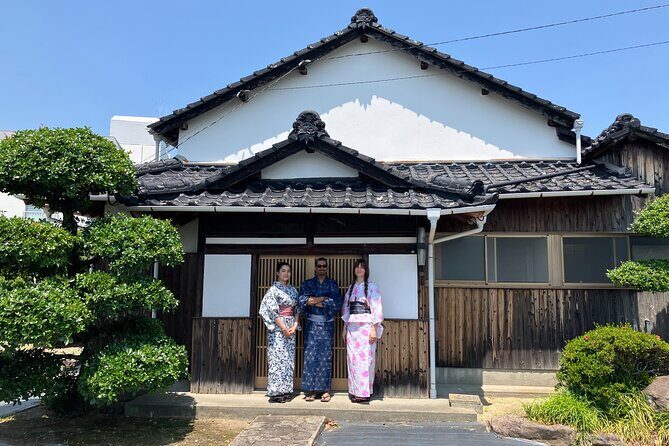
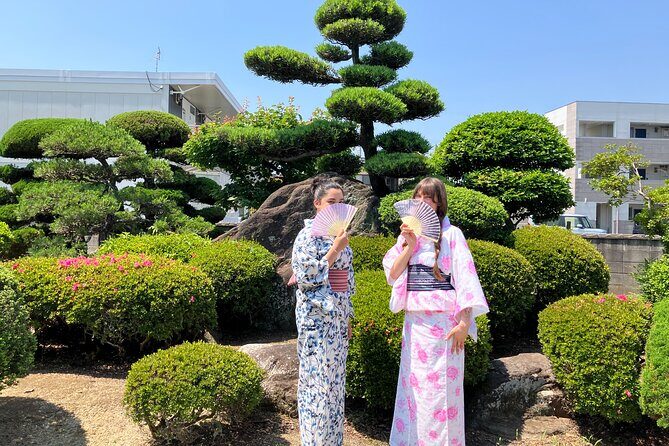
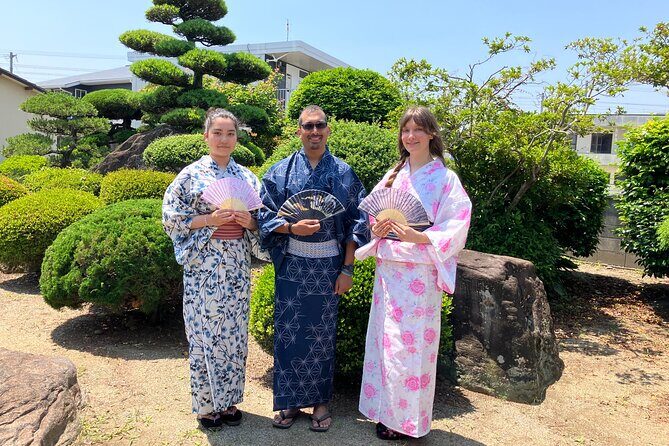
One of the most memorable segments is the visit to a 120-year-old traditional Japanese house, followed by a yukata change for a garden photo session. The value here is not just the age of the building. It’s the atmosphere: older homes have a different scale, different light, and different views through doorways and garden frames.
You’ll spend about an hour in this zone. That’s enough time to walk, photograph, and actually look at details instead of sprinting to the next stop.
What to watch for: in older houses, the layout matters—rooms, corridors, and the way furniture and objects are placed. If you like quiet structure and small visual clues, you’ll enjoy this more than a typical photo-op.
There’s also a gentle pacing advantage. Earlier you’re tasting and making sweets; here you’re moving more slowly, letting the day cool down before the next craft stop.
Wagasa umbrella workshop: watch traditional craft being made
After the house and garden, you shift from food to tools and materials. You’ll watch a wagasa (Japanese umbrella) being made at a traditional umbrella workshop.
This part takes about 30 minutes. That short duration is good: it keeps the craft portion focused, and you’re not stuck through a long demonstration. The making process is the point, and you get to see how traditional umbrella construction comes together.
If you’re the kind of traveler who likes thinking about how objects are built, this is a great counterbalance to all the eating. Umbrellas are everyday items, but wagasa has its own aesthetic and history. You’ll likely leave seeing rain gear differently.
Nakatsu Castle and Shrine: goshuin stamp and flower-town views
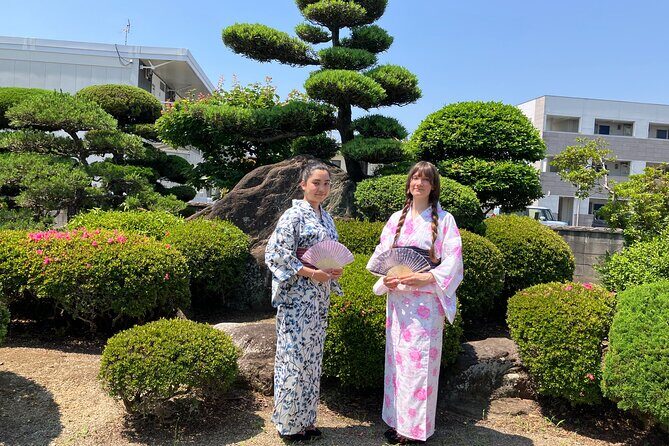
Then you get a stroll through Nakatsu Castle and Nakatsu Shrine while wearing your yukata. You’ll also receive a goshuin (shrine stamp), which is a small keepsake with a big cultural signal.
This segment runs about 1 hour, and it’s designed for walking and photos. Nakatsu Castle is noted for flowers, so timing can matter for what you see, but even without peak blooms, castle-town walking gives you a sense of place in a way a museum-only day can’t.
The goshuin piece is especially meaningful if you collect them. Even if you don’t, it’s a simple cultural moment that turns the stroll into more than just scenery.
Niwa Saryo tea time: gyokuro plus matcha parfait
Your final stop focuses on tea and sweets—at Niwa Saryo. You’ll have premium gyokuro and a matcha parfait, and there’s shopping available if you want to bring something home.
This is a sweet ending, but it also makes sense within the theme of the day. Earlier you tasted matcha and wagashi and learned about sweets craft. Here you shift into higher-end tea, where nuance matters.
Gyokuro is known for being premium, and it changes how matcha tastes on your palate. The parfait also gives you texture contrast: cold dessert, layered sweetness, and tea flavors that don’t just taste like sugar.
If Niwa Saryo isn’t part of your exact schedule, the tour says this segment may be replaced with a matcha experience in a traditional Japanese house. Either way, the takeaway is the same: you end with quality tea and a classic matcha sweet.
What you’re really paying for: value beyond the headline price
The price is $292.64 per person, and it’s easy to look at that number and wonder if it’s too much for a half-day. Here’s how I judge value on a tour like this.
You’re paying for four big buckets:
- Kimono/yukata rental and dressing fee, so you don’t deal with the hassle
- Lunch at a recognized soba restaurant (or a substitute lunch if menus shift)
- Hands-on wagashi-making, not just tasting
- Transportation in an air-conditioned vehicle plus guided routing
On top of that, your guide brings you between craft spaces and heritage areas without you needing to figure out the logistics across town. For many visitors, time is the real currency. This tour is built to “spend” your day in the right places, not on transit confusion.
If your interests are food craft, tea culture, and older neighborhood vibes, the cost is easier to justify. If you only want big sights with minimal structure, you might find you prefer a different style of touring.
Practical tips so you enjoy the day (not just survive it)
This tour runs on a smooth sequence, but your comfort still matters.
First, for yukata: wear a V-neck undershirt and bring along shoes that work with the dressing plan. The tour specifically requests that you inform your usual clothing and shoe sizes, which suggests proper fit is part of the experience.
Second, eat early. You’ll have lunch, plus multiple sweet and tea moments throughout the day. You don’t need to overeat before you go, but you also shouldn’t arrive starving and then overload on sweets.
Third, check food limits. The tour is not suitable for those with allergies, especially buckwheat.
Finally, pack for Japan-style walking. You’ll be doing outdoor strolls in yukata, so wear comfortable layers underneath your undershirt and keep your phone and camera accessible.
Who this Japanese kominka day suits best
This works especially well for you if:
- You like food experiences that include making, tasting, and pairing
- You want a slower, rural-feeling day in Oita rather than another city stop
- You’re interested in traditional crafts like wagashi and wagasa
- You enjoy cultural souvenirs like a goshuin stamp
It may be less ideal if:
- You have a buckwheat allergy or other serious food restrictions
- You prefer totally free time with no structured stops
- You dislike demonstrations or workshops
Should you book this Japanese Kominka Experience?
I think you should book it if you want a compact day that mixes heritage homes, crafts, and tea culture—and you’d rather spend your hours doing rather than just passing by.
Skip it if buckwheat is a problem for you, or if you’re traveling with needs that make yukata dressing difficult. Also, if you’re expecting the itinerary to be identical every day, remember the lunch and final tea segment can be swapped depending on the day.
If those caveats fit your travel style, this is a strong way to understand rural Nakatsu in a handful of hours—through sweets, tea, and the quiet work behind traditional crafts.
FAQ
FAQ
Where does the tour start and end?
It starts at Nakatsu Station in Nakatsu, Oita and ends back at the same meeting point.
What time does the tour begin?
The start time is 10:30 am.
How long is the tour?
The duration is about 6 hours 30 minutes.
Is the tour private?
Yes. It’s a private tour/activity, so only your group participates.
What’s included in the price?
Kimono rental and dressing fee, a Japanese lunch fee, air-conditioned vehicle transportation, and the wagashi-making fee are included.
What is not included?
Hair styling and makeup for kimono dressing are not included. Personal purchases, shopping, and any additional food or drink expenses are also not included.
Do I need to bring anything for the yukata?
You should wear a V-neck undershirt for the yukata. You also need to inform the team of your usual clothing and shoe sizes in advance.
Is the lunch always soba?
Not always. Depending on the day, lunch may be changed to sushi and Nakatsu fried chicken.
Is there any food restriction to know about?
Yes. The tour is not suitable for people with food allergies, especially buckwheat (soba) allergies.
How do booking and tickets work?
You receive a confirmation at booking (unless booked within 12 hours of travel, in which case confirmation comes as soon as possible subject to availability), and the tour uses a mobile ticket.
Can I cancel and get a refund?
No. The experience is non-refundable and cannot be changed for any reason.