REVIEW · SAPPORO
Soba noodle making experience and tempura, Hokkaido sakeplan
Book on GetYourGuide →Operated by 手打ち蕎麦 もんど · Bookable on GetYourGuide
Soba becomes a hands-on ritual. This private Sapporo experience turns handmade soba into a guided lesson, while a chef serves tempura and a sake taster recommends two Hokkaido sakes with the meal’s own rhythm (Sobamae). I like that you’re not stuck watching from the sidelines. You’ll knead, roll, and cut with careful support, even if it’s your first time. I also like the structure of the meal: sake and soba are treated like a pairing, not an afterthought. One thing to consider: tempura frying can create smoke, and if ventilation isn’t running full strength, your eyes might feel it.
You’ll meet at 手打ち蕎麦もんど, a handmade soba restaurant with convenient access from Miyanosawa Station on the Tozai Line (a short walk from Exit 6). The experience runs about 90 minutes, and it’s designed for a private group with instruction in English and Japanese.
What really makes this feel special is the cultural flow. After you make and taste soba, you’ll learn the Sobamae custom: drink sake as part of the soba meal, then finish with soba. Add tempura to that mix and you get a comfort-food pairing that makes sense on paper and on your plate.
In This Review
- Key things I’d pay attention to
- Hand-Soba Headquarters in Sapporo: 手打ち蕎麦もんど
- From buckwheat dough to neat noodle cuts
- Tempura, cooked fresh: the pairing you’ll understand immediately
- Sobamae: the sake ritual that shapes how you eat
- A realistic 90 minutes: how the flow works on the day
- Price and value: what $116 buys in Sapporo
- Who should book this soba-and-tempura plan
- Should you book 手打ち蕎麦もんど for soba making and sake?
- FAQ
- What is the duration of the soba making experience?
- What food and drinks are included?
- Is this experience private?
- Where do we meet in Sapporo?
- What languages are available during the class?
- Is there an age limit?
Key things I’d pay attention to
- Edo-period soba focus: you’ll make and eat a soba type tied to an Edo-period tradition, presented as Hokkaido’s standout version of the craft.
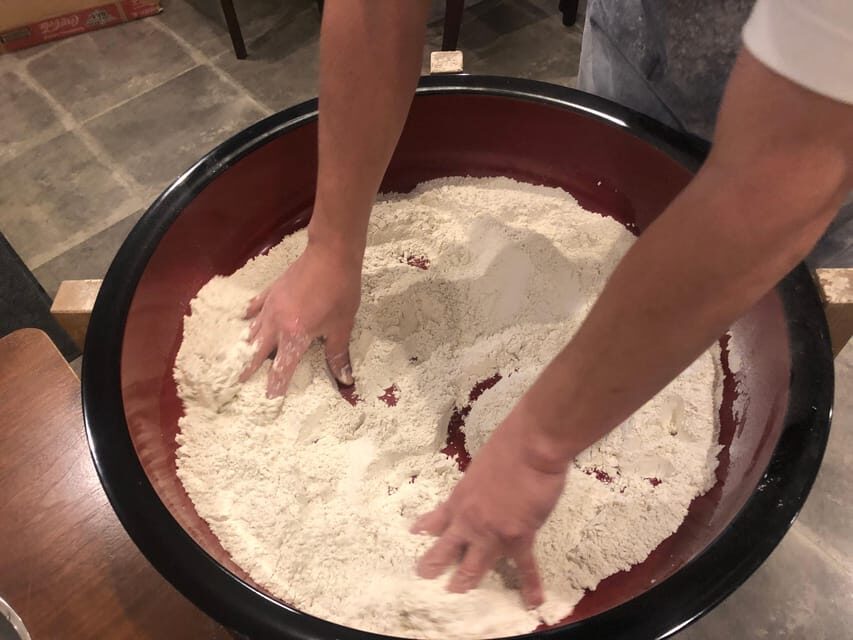
- You make the noodles, not just taste them: expect buckwheat dough work, rolling with a wooden roller, and careful cutting into even portions.
- Tempura is cooked by a Japanese culinary artisan: the meal isn’t prepped and plated for you. You get the real-time cooking element.
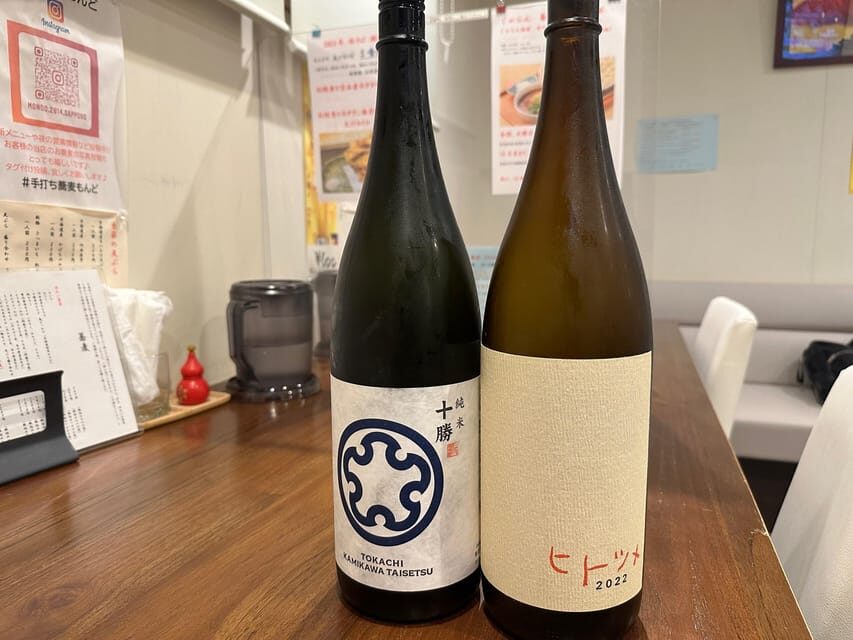
- Two limited-edition Hokkaido sakes: a sake taster selects two options for you to try alongside the food.
- Sobamae pacing: sake isn’t random sipping. It’s built into the order of the meal.
- Private, small-group feel: you get instructor support throughout, including for first-timers.
Hand-Soba Headquarters in Sapporo: 手打ち蕎麦もんど
This experience is anchored at 手打ち蕎麦もんど, a restaurant that specializes in handmade soba noodles. That matters because you’re not doing a generic cooking class in a studio. You’re in a real soba-focused place where the staff is used to serving guests and handling the rhythm of making and cooking noodles.
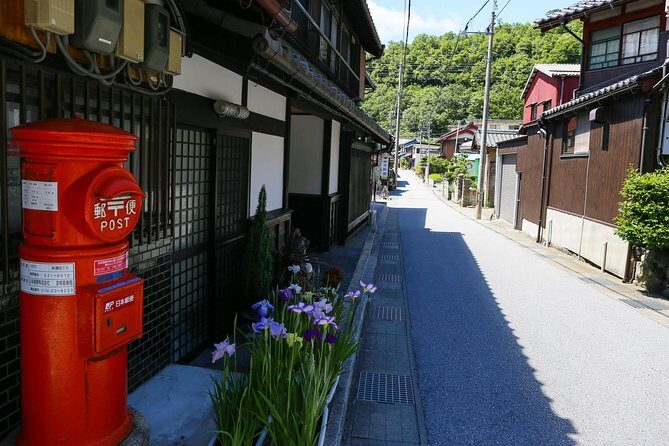
Location is also practical. You’ll be near Sapporo’s Miyanosawa Station (Tozai Line), with a short walk from Exit 6. It’s also walkable from Shiroi Koibito Park, so if you’re already in that area, it’s easier to stitch into your day without extra taxi time.
One small planning note: it’s described as a handmade soba restaurant during lunch time, so communication on the day of your visit might be slower than usual. If you have timing questions, I’d try to confirm ahead of time rather than waiting until the last minute.
You can also read our reviews of more tours and experiences in Sapporo.

From buckwheat dough to neat noodle cuts
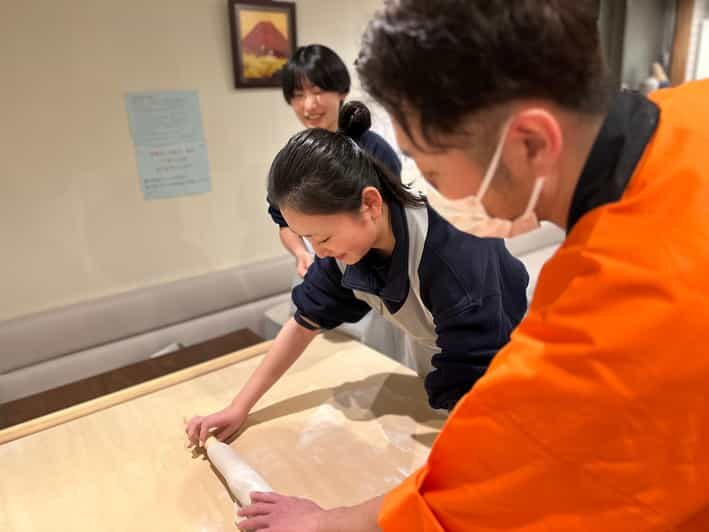
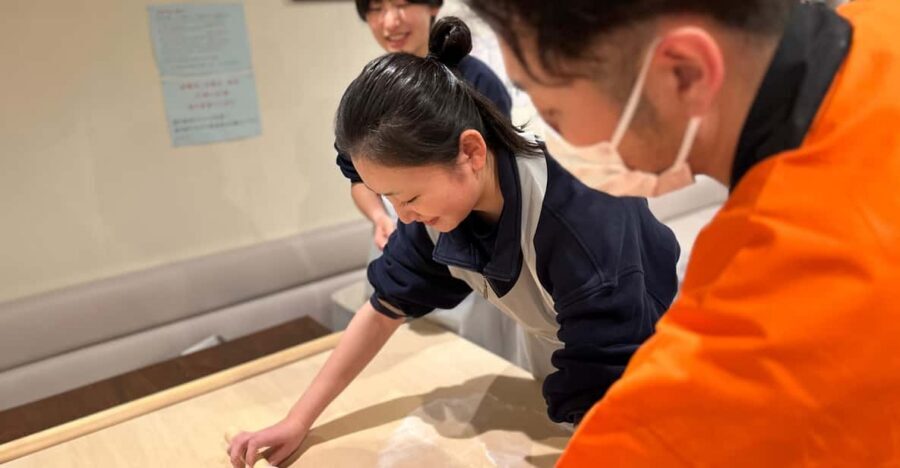
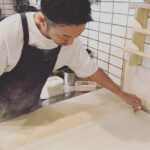
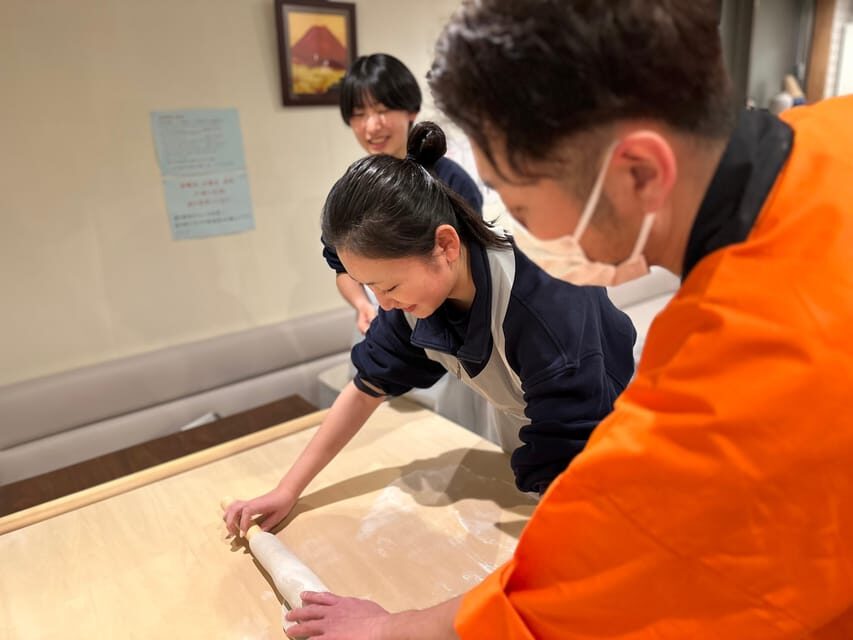
The core of the experience is soba-making. And it’s hands-on in a very direct way: buckwheat noodles aren’t something you do “on a touchscreen.” You’ll work the dough, roll it, and cut it into noodles.
Here’s what you can expect in plain terms:
- Buckwheat noodle making: you’ll mix and shape the dough by hand, guided so you don’t feel lost.
- Rolling: you’ll use a wooden roller to flatten and stretch the dough to the right thickness.
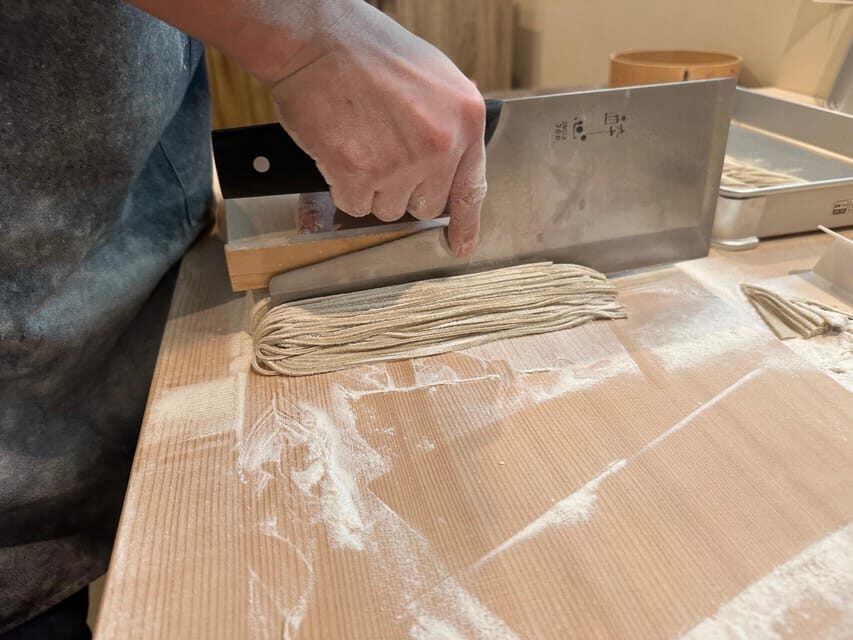
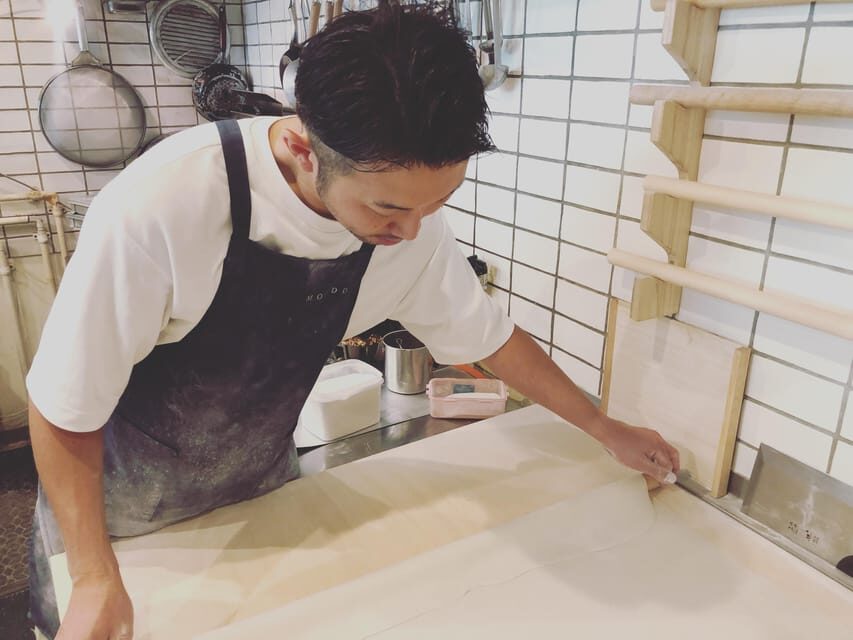
- Cutting: you’ll use a knife to cut the dough into noodles with consistent spacing.
The class is framed as easier and more casual than some traditional soba workshops, but “casual” here still means you’ll do the work. The point is to help you learn the technique well enough to make a real bowl, not just perform a few token steps.
I like that the maker supports you carefully, specifically so first-timers don’t worry. Soba can be fussy in other settings, because the thickness and the cutting matter. In a private class, you get the chance to correct course while you’re still holding the dough.
After your prep, there’s also a tasting component. That’s important because you’re learning the craft, but you’re also leaving with your own result in your stomach.
Tempura, cooked fresh: the pairing you’ll understand immediately
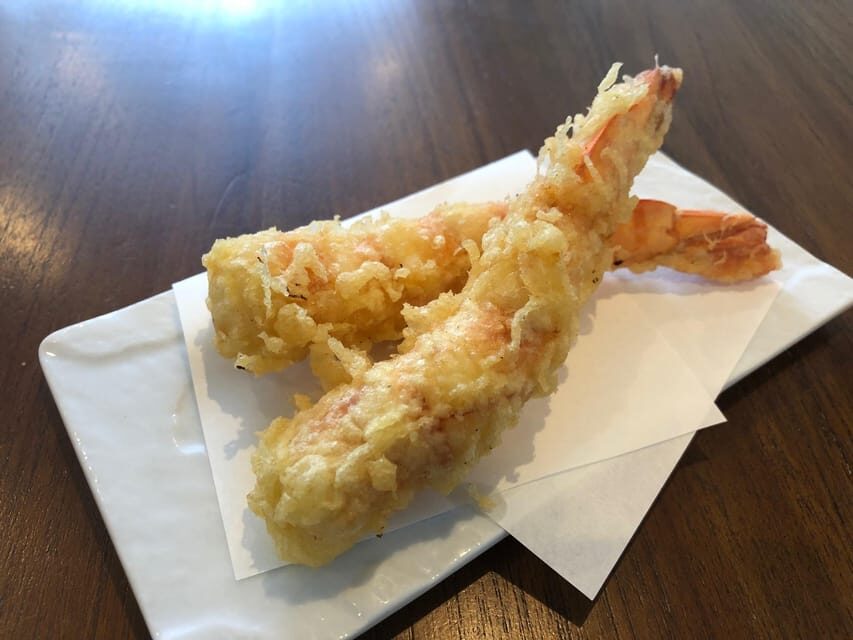
While you’re making noodles, a Japanese food chef cooks tempura. This is one of those pairings that sounds classic because it is classic, but you only really get it once you’re eating it next to soba.
Tempura brings:
- Crunch from the fried batter
- Clean flavors that don’t overpower buckwheat
- A break from the chewy texture of noodles
And in this meal, tempura isn’t treated like a separate course. It’s part of the same soba set feeling. The format also matches how Japanese people often order meals: soba and tempura as a set, built for sharing and balance.
Practical drawback to know upfront: frying can create haze or smoke, especially if the range hood doesn’t start strong. One person found their eyes got watery when ventilation kicked in late. If you’re sensitive to smoke or scents, it’s reasonable to ask the staff about ventilation early and position yourself where airflow is strongest.
Sobamae: the sake ritual that shapes how you eat
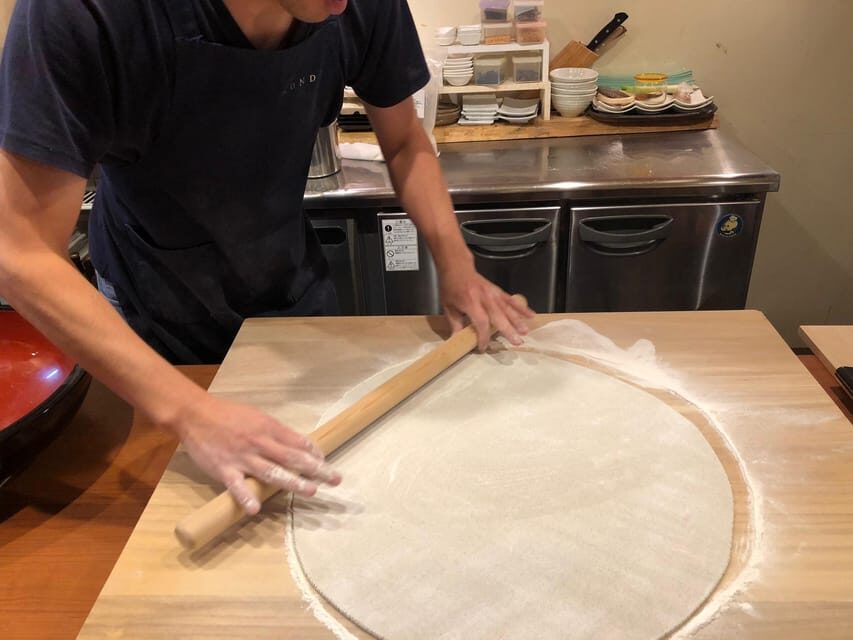
Sake tasting is a major part of this experience, and it’s handled with a specific concept: Sobamae. In Japan, Sobamae is the custom of drinking sake with soba. It’s not presented as a random add-on. The meal is paced around the pairing.
Here’s the idea you’ll follow:
- Enjoy the meal in the Sobamae style with sake involved early.
- Then finish with soba after the tasting/pairing moment.
You’ll also taste two types of limited-edition Hokkaido sake. The selection is done by sake tasters with a sake license, so it’s not just “here’s some drinks.” It’s guided choosing, with the intention that the sake matches what you’re eating.
I like this approach because it turns “sake tasting” into a food experience, not just alcohol education. You’ll taste the sake while the meal is happening, which is when it actually matters—how it changes the flavor of buckwheat and how it plays with the lightness (and salt) of tempura.
Also, this is very Hokkaido-friendly. The meal is built to highlight local identity, not generic Japanese cuisine.
A realistic 90 minutes: how the flow works on the day
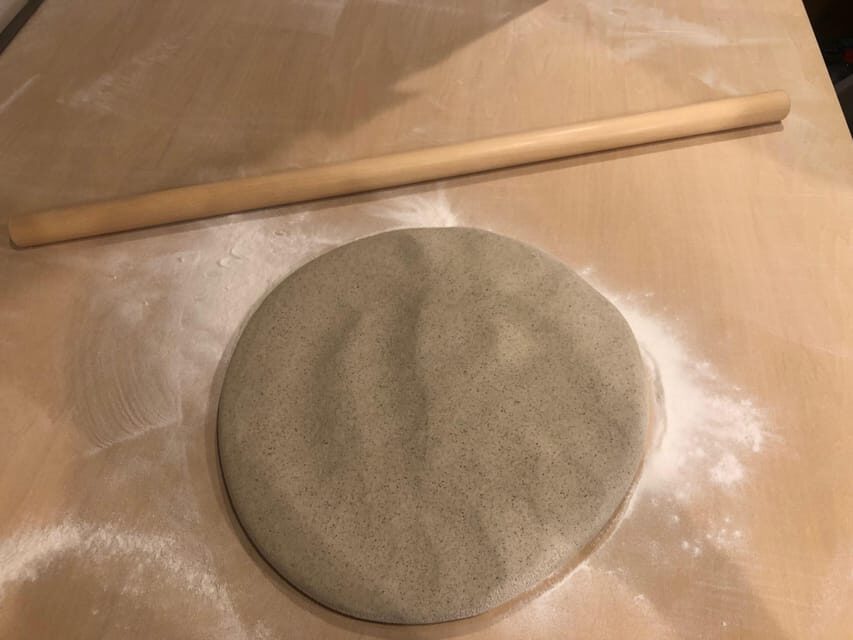
The experience runs about 90 minutes, and it’s described as a private group plan. In practice, that time has to cover several moving parts: dough work, rolling, cutting, then finishing with tempura and tastings.
You’ll start at 手打ち蕎麦もんど, where lunch service may be running if you’re taking the daytime option. That can mean a slightly busier restaurant environment, but it also reinforces that you’re in an active soba setting rather than a quiet demo space.
Start-time matters. The plan notes that arriving late can inconvenience the next start time customers, and if you can’t make it by the start time, it may be treated as an unapproved cancellation. Translation for your planning: aim to show up early, and treat the scheduled start as firm.
If you want to feel relaxed instead of rushed, give yourself padding for getting to Miyanosawa Station and walking over. That route is short, but Sapporo weather can change plans quickly.

Price and value: what $116 buys in Sapporo
At $116 per person for a 90-minute private experience, you’re paying for more than food.
You’re paying for:
- Private instruction through dough, rolling, and cutting
- A restaurant-style handmade soba meal
- Tempura cooked by a chef
- Two limited-edition Hokkaido sake selections guided by sake tasters
- The whole meal concept (Sobamae) that connects the tastings to the noodles
If you’ve done cooking classes before, you know the common downside: you sometimes end up with a handful of steps and a plated result, with little real guidance. This plan specifically calls out careful support for first-timers, plus a structured meal that includes both sides of the pairing—sake and tempura.
So the value equation is pretty simple: you get instruction + cooking skill + a full meal + tasting beverages, all in one sitting. It’s not the cheapest food you’ll eat in Sapporo. But for a first-time craft experience that also feeds you properly, it’s easy to understand where the money goes.
One more practical value point: the experience is described as having free cancellation up to 24 hours in advance for a full refund, and it also offers reserve now and pay later. That flexibility is genuinely helpful in Japan, where weather and train timing can affect plans.
Who should book this soba-and-tempura plan
This is a great fit if you want a hands-on cultural meal with a clear structure.
You’ll likely enjoy it if you:
- Like food experiences where you do the work and then eat what you made
- Want sake tasting paired with real food, not just a separate activity
- Enjoy classic Japanese meal combinations (soba + tempura + sake)
- Prefer a private setting with English/Japanese instruction
It may not be the best fit if you:
- Are highly sensitive to frying smoke (ask about ventilation early)
- Don’t want any hands-on kitchen steps
- Want a long sightseeing walk instead of a focused food class
There’s also an age note: it’s not suitable for people under 20. If you’re traveling as a family, check ages before booking.
Should you book 手打ち蕎麦もんど for soba making and sake?
My take: book it if you want a practical, local-feeling food experience in Sapporo where you learn a real technique and then eat a full, thoughtfully paired meal.
Choose this over a generic tasting if you care about the order of the meal (Sobamae pacing), and if you like the idea of pairing your own handmade soba with chef-cooked tempura and two Hokkaido limited-edition sake pours.
Skip it only if you’re uncomfortable with frying smoke or you’re looking for a long, sightseeing-heavy outing. Otherwise, it’s one of those “you’ll remember how it worked” meals, not just something you ate.
FAQ
What is the duration of the soba making experience?
The experience lasts about 90 minutes.
What food and drinks are included?
You’ll have a handmade soba (buckwheat noodle) experience and meal, tempura, and two types of limited-edition Hokkaido sake recommended by sake tasters.
Is this experience private?
Yes, it’s a private group experience.
Where do we meet in Sapporo?
The meeting point is 手打ち蕎麦もんど. For getting there, Miyanosawa Station (Tozai Line) Exit 6 is a short walk away, and it’s also within walking distance from Shiroi Koibito Park.
What languages are available during the class?
The instructor can guide in English and Japanese.
Is there an age limit?
Yes. It isn’t suitable for people under 20 years old.

![[1 Group Only] Explore Tokyo Ginza Food Tour for Family - Stop 1 in Shimbashi: cooking your own Japanese pancake-style meal](https://images.thejapantraveler.com/wp-content/uploads/1-group-only-explore-tokyo-ginza-food-tour-for-family.jpg)