REVIEW · SHIGA PREFECTURE
Japan’s Rural Life & Nature: Private Half Day Cycling Near Kyoto
Book on Viator →Operated by Biwako Backroads - Rural Japan Tours · Bookable on Viator
A quiet bike ride can beat the crowd fast. This private half-day cycling tour near Kyoto trades big sightseeing lines for backroads, rice fields, and temple detours led by an English-speaking guide like Tako-san. Two things I really like: the stories you get along the way, and the comfort touches like coffee/tea plus water and snacks that keep you steady for a 13 km ride. One thing to consider: it runs best with good weather, and lunch isn’t included.
You also get a simple, beginner-friendly route: about 9 miles (13 km), plus short stops for photos and exploring. If you want a change of pace from temple hopping in Kyoto, this is one of the calmer ways to see real everyday Japan in Shiga Prefecture—without needing to be a cycling athlete.
In This Review
- Quick highlights from Maibara to rural Shiga
- How this half-day bike tour near Kyoto really feels
- Getting to Maibara: the short shinkansen reset
- Stop 1: Maibara Station and a 13 km ride through farming communities
- Stop 2: Saienji village temple stop (traditional rural community feel)
- Stop 3: Iwaya Zenkodo, the 120-meter mountain temple, and a small hike
- Stop 4: 南世継外れ温泉 (natural spring well) and what it’s for
- Farm area where rice fields replaced a drained inland lake
- Time on the bike: pace, breaks, and beginner-friendly comfort
- Where Lake Biwa and Hikone Castle fit in
- Guide quality: what Tako-san does that makes it click
- Price and value: is $255 worth a half day?
- Who should book this cycling tour (and who should skip it)
- Should you book Biwako Backroads’ rural cycling tour?
- FAQ
- What is the duration of the Japan’s Rural Life & Nature private cycling tour near Kyoto?
- Where does the tour start and end?
- How far do we cycle?
- Is this a private tour?
- What’s included in the tour price?
- Is lunch included?
- What should I do if weather is bad or I need to cancel?
Quick highlights from Maibara to rural Shiga
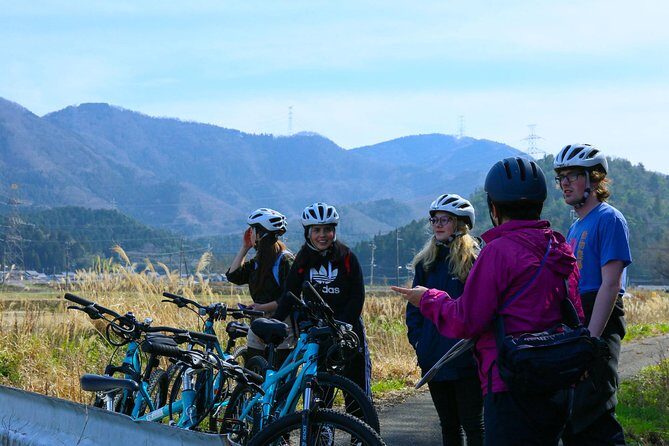
- Private group experience: only your group rides, so the pace feels human and not rushed.
- Guided culture on quiet roads: history and local context are built into the stops, not tacked on at the end.
- Beginner-friendly 13 km loop: enough distance for a real ride, not so much that you’re wrecked.
- Temple + nature combo: Saienji, Iwaya Zenkodo, a natural spring well, and countryside farm areas.
- Fuel included: coffee/tea, plus water and snacks during the ride.
- Easy extension options: you can spend more time around Lake Biwa or Hikone Castle if you want.
How this half-day bike tour near Kyoto really feels
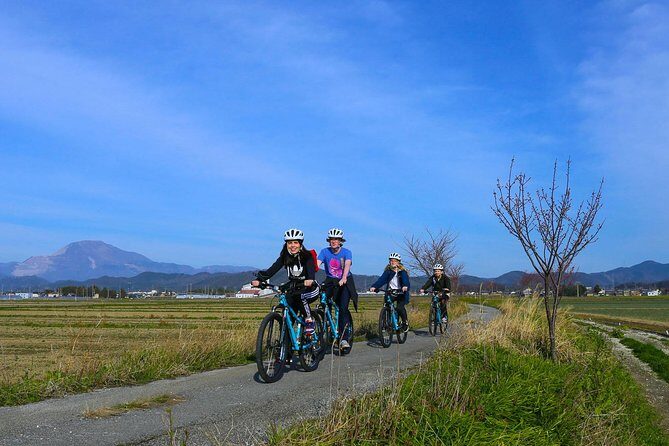
This ride is designed for people who want rural Japan, not just a checklist of photo stops. You start in Maibara—an actual gateway town—with a route that threads through farming areas and small village communities that have grown together over the past few decades for governing purposes. That matters, because it explains why the ride feels like “one place,” not a string of disconnected dots.
You’re also not stuck just watching the scenery. You’re moving through it at a comfortable pace, guided in English, with frequent breaks. And because it’s private, your guide can slow down for a question, a viewpoint, or a detour you want to capture.
You can also read our reviews of more tours and experiences in Shiga Prefecture.
Getting to Maibara: the short shinkansen reset
The tour begins with a short shinkansen (bullet train) ride to Maibara Station. The idea is simple: swap city energy for countryside energy quickly. In the time it takes to settle into the train, you’re already shifting your day away from crowds and into quiet roads and countryside air.
Starting at a major station is practical too. It keeps the “where do I go?” stress low, especially if you’re arriving from Kyoto or nearby. Your tour also starts and ends back at Maibara, so you don’t have the headache of coordinating an extra transfer.
Stop 1: Maibara Station and a 13 km ride through farming communities
Maibara is the launching pad for the cycling loop of about 13 km (9 miles). The route follows farmland and village areas around Maibara—areas that have gradually merged into the larger Maibara city for administration. That background gives you a helpful lens: you’re not just passing by fields; you’re seeing how communities evolved into the modern town you’re riding through.
For timing, plan on a relaxed flow rather than a “ride hard the whole time” mindset. Even though it’s only half a day, the route includes multiple stops where you’ll get off the bike, walk briefly, and recharge.
Stop 2: Saienji village temple stop (traditional rural community feel)
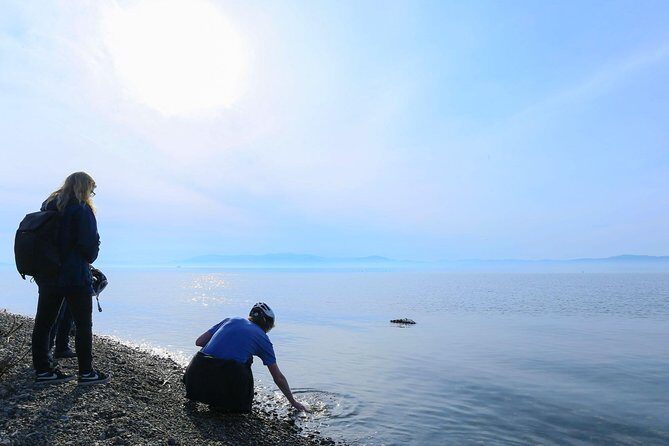
At Saienji, you get a brief look at a Chinese-influenced Zen temple and the small village community associated with it. This is the kind of stop that teaches you to notice what locals live around: a temple area isn’t separate from daily life—it’s part of the neighborhood rhythm.
You’ll stop briefly, just long enough to understand the setting and take a few photos without turning it into an all-day detour. It’s a nice warm-up before the slightly more active stop later on.
Stop 3: Iwaya Zenkodo, the 120-meter mountain temple, and a small hike
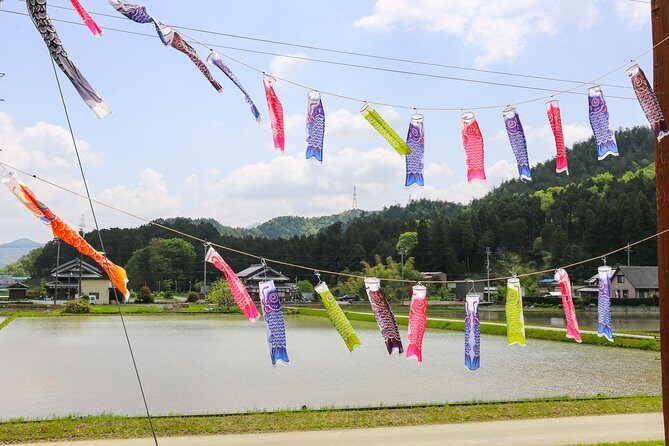
Iwaya Zenkodo is where the tour adds a bit more adventure. You’ll stop at a 120-meter-high mountain temple and do a short hike. The temple was built into the mountain side, which gives the whole place a dramatic, lived-in feel rather than a showpiece.
You’ll also find:
- an Inari Shrine
- an old manmade cave with a unique history
- refreshments during the stop
This is one of the best value parts of the itinerary because it mixes several things in one: religion, a bit of physical effort, and a clear reason the location makes sense. It also helps break up the cycling with something memorable beyond “another temple gate.”
Stop 4: 南世継外れ温泉 (natural spring well) and what it’s for
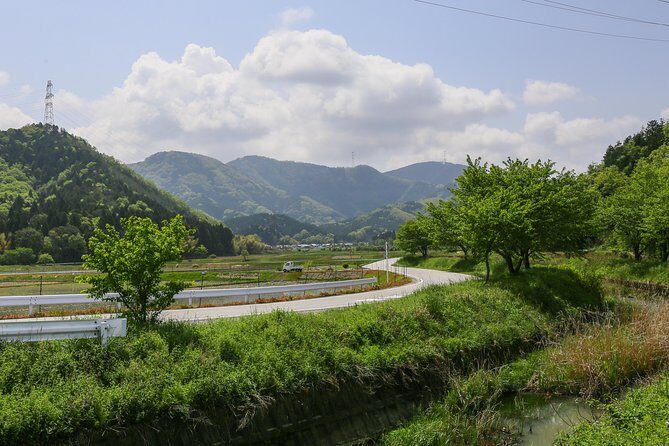
Next comes the natural spring well stop at 南世継外れ温泉. This is shared by the local community and connects to underground water flow between Mt. Ibuki and Lake Biwa. That’s a useful detail because it explains why this water matters to locals beyond tourism.
Important practical note: the tour specifies the water is untreated and not for drinking. Locals use it for washing, so you should treat this as a place to look and learn, not to taste-test your bravery. The stop is short—around 10 minutes—so it won’t interrupt your ride too much, but it gives the tour an authentic “how people use water here” moment.
Farm area where rice fields replaced a drained inland lake
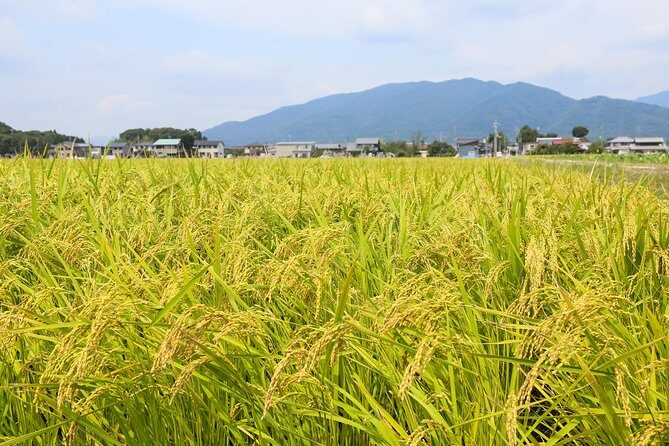
The final stretch focuses on agriculture and scenery tied to a specific historical change. In pre-war Japan, the farm area was actually a smaller inland lake near Lake Biwa. Later, it was drained and converted to farm land to supply much-needed rice for post-war recovery.
That historical detail makes the countryside feel more meaningful. When you’re cycling past fields, you’re not just looking at pretty scenery—you’re seeing a land-use story about rebuilding food supply and reshaping the environment to meet human needs.
Time on the bike: pace, breaks, and beginner-friendly comfort
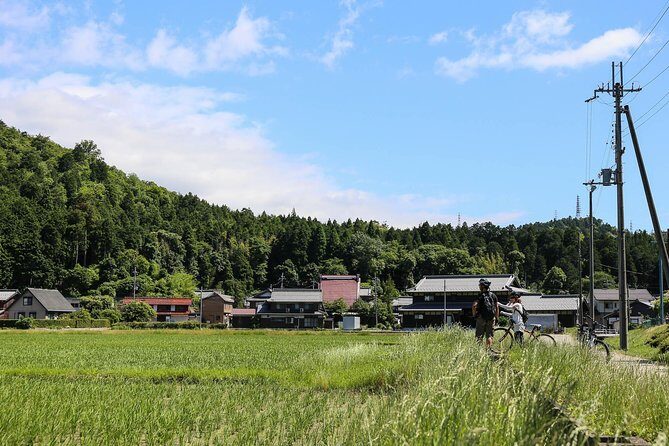
The route is described as beginner-friendly, and the distance—13 km—lands in the “you’ll feel accomplished, not destroyed” category for most people. The tour also includes breaks at the right moments:
- brief village temple stop
- mountain temple with a short hike and refreshments
- a natural spring well stop
- countryside farm area riding and viewing
You’re also not traveling on an empty stomach. Coffee, tea, water, and snacks are included, which is a big deal for comfort on a half day. It means you can keep a steady energy level without hunting for a convenience store mid-ride.
What’s missing: lunch. That doesn’t make the tour bad, but it does affect your planning. If you want a full day without thinking, plan to eat before you start or have a meal lined up after you return to Maibara.
Where Lake Biwa and Hikone Castle fit in
The tour is built around rural cycling near Maibara, but it includes an easy flexibility piece: you can stop off and spend more time at Lake Biwa or Hikone Castle if you like. That’s useful if you’re the type who loves one big anchor sight, not just a string of small stops.
In practice, this means you can shape the ending to match your interests:
- If you want water and views, lean toward Lake Biwa.
- If you want a historic structure and sightseeing rhythm, Hikone Castle is the add-on option.
Guide quality: what Tako-san does that makes it click
A huge part of why this tour earns a near-perfect satisfaction rate is the way the guide turns ordinary roadside scenes into understandable stories. Tako-san stands out in the feedback for being fluent in English and sharing history and local knowledge with a clear, organized approach (including a handy binder).
That matters because rural Japan can feel like a blur if you don’t know what you’re looking at. With the guide’s explanations, the temple locations, village setting, and even the farm history start to make sense. You’re not guessing. You’re learning in real time.
Also, the guide’s support shows up in small ways, like helping you feel comfortable on backroads and giving you permission to ask for extra photo stops when it makes sense.
Price and value: is $255 worth a half day?
At $255 for a private 3 to 4 hour experience, the value depends on how you travel.
Here’s the honest math in plain terms:
- You’re paying for a private guide and bike use, plus included drinks and snacks.
- You’re also paying for curated stops that would take real effort to arrange yourself—especially the combination of temple spots, a natural spring well, and rural farming areas.
- The ride is short enough to fit into a Japan itinerary without burning half your day on logistics.
If you’re used to budgeting for one-on-one experiences, this pricing feels in the normal range for a private day segment. If you’re traveling solo and expecting a group-style deal, it might feel steep. The sweet spot is a small group (friends, couple, or family), where the privacy and included items spread out and the day becomes more relaxed.
And honestly, the “no lunch included” detail means you should budget for food separately, but you’re still not paying for every little thing along the route.
Who should book this cycling tour (and who should skip it)
This tour is a strong match if you:
- want a break from Kyoto crowds and want rural Japan near Lake Biwa
- like cultural context, not just sightseeing photos
- enjoy cycling at a comfortable distance (about 13 km)
- prefer private, guided attention over a large-group bus day
I’d think twice if you:
- hate riding when weather looks uncertain (the experience requires good weather)
- want a full-day food plan handled for you (lunch is not included)
- are looking for long-distance cycling or serious climbs (the ride is short and beginner-friendly by design)
Should you book Biwako Backroads’ rural cycling tour?
If your ideal Japan day includes quiet villages, temples with a little texture (like mountain-side architecture), and agriculture with real historical meaning, I’d book it. The combination of English guidance, included refreshments, and a private pace makes this an easy win for anyone who’s tired of only big-city highlights.
Just plan your meal timing, and keep an eye on the weather. If it looks questionable, you’ll want flexibility in your schedule. When conditions are good, this is the kind of half day that leaves you feeling like you saw Japan beyond the postcards—on roads you’ll remember long after the train ride.
FAQ
What is the duration of the Japan’s Rural Life & Nature private cycling tour near Kyoto?
The tour runs about 3 to 4 hours.
Where does the tour start and end?
The tour starts at Maibara Station and ends back at the same meeting point.
How far do we cycle?
The course is about 13 km (9 miles).
Is this a private tour?
Yes. It’s a private tour/activity, and only your group participates.
What’s included in the tour price?
The tour includes a professional guide, use of bicycle, and coffee and/or tea. The tour overview also states that water and snacks are included.
Is lunch included?
No. Lunch is not included.
What should I do if weather is bad or I need to cancel?
The experience requires good weather. If it’s canceled due to poor weather, you’ll be offered a different date or a full refund. Free cancellation is available up to 24 hours in advance for a full refund.