REVIEW · OSAKA
Nara : Private Day Walking Tour (From Osaka/Kyoto Possible)
Book on Viator →Operated by Guydeez · Bookable on Viator
Nara turns the volume up on your day. This private 6-hour walking tour strings together UNESCO temples and the famous deer of Nara Park, with a flexible route you can shape around your pace and interests. I like that you start with Kofuku-ji and its National Treasure sculpture, then move straight to Todai-ji for the Great Buddha and Nandaimon Gate statues, and that the final stop at Kasuga Taisha includes time for the National Treasure Hall. One thing to consider: it is a walking city tour, and the time feels focused on key areas rather than a long, slow tour inside every monument.
You’ll also like the practical setup. You can get hotel pickup if you’re in Osaka, Kyoto, or Nara, and you’ll meet your guide at your chosen location if you’re elsewhere. A guide can help with booking tickets for the visits you want, and the tour runs in English, Spanish, or French.
Still, the value depends on how you want to spend your hours. There’s no food or drinks included, so you’ll want to plan water and snacks (especially if you’re feeding deer and stopping for photos).
In This Review
- Key things you’ll love about this Nara day walk
- A 6-hour Nara plan that feels efficient, not rushed
- Kofuku-ji Temple and the Statue of Ashura
- Todai-ji, the Great Buddha, and Nandaimon Gate statues
- Nara Park deer time: fun, but follow the common-sense rules
- Kasuga Taisha and the National Treasure Hall
- Private tour pacing: why your guide matters more than you think
- What’s included (and why it affects your comfort)
- Price and value: what you’re really paying for
- Timing tips for a smoother Nara day on foot
- Who this tour suits best
- Should you book this Nara private walking tour?
- FAQ
- How long is the Nara private walking tour?
- Where does the tour start?
- What are the main stops on the itinerary?
- Are entrance tickets included?
- Is this a private tour?
- What languages are guides available in?
- What’s not included in the price?
- Is there a cancellation option if plans change?
- Is the tour suitable for most people?
Key things you’ll love about this Nara day walk
- Private and exclusive: only your group, so your guide can adjust on the fly.
- Kofuku-ji + Todai-ji in one flow: Statue of Ashura to the Great Buddha without backtracking.
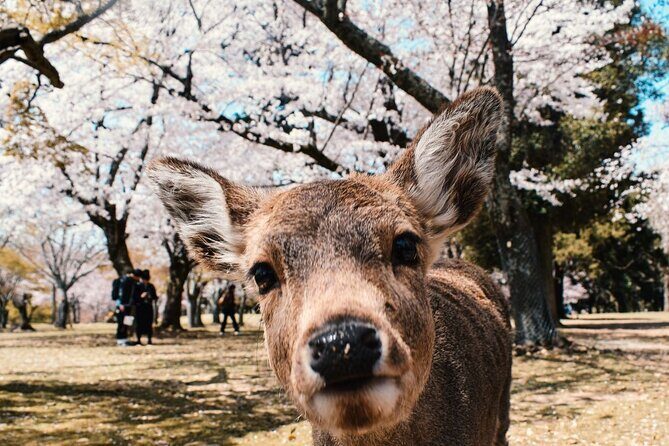
- Nara Park deer time: a hands-on break that makes the temples feel more human.
- Kasuga Taisha National Treasure Hall: red shrine architecture plus Buddhist art and artifacts.
- Guide help with tickets: saves time and hassle for your chosen visits.
- Flexible 6-hour pacing: each stop gets solid time, with room to tailor what matters most.
A 6-hour Nara plan that feels efficient, not rushed
Nara is one of those places where the top sites are close enough to do on foot, but not so close that you can ignore logistics. This tour is built like a smart walking loop: Kofuku-ji, Todai-ji, Nara Park, then Kasuga Taisha. Each stop runs about 1 hour 30 minutes, which is long enough to enjoy the space without feeling like you’re speed-walking from one postcard to the next.
What makes it practical is that you’re not trapped in a fixed script. The route is customizable, so if you’re more into temple art, you can lean toward the treasure halls. If you just want a best-of day with photos and atmosphere, your guide can help shape that too.
And because it’s private, you won’t be stuck with a group pace that doesn’t match yours. That matters in Nara, where deer and crowd flow can change your rhythm minute to minute.
You can also read our reviews of more walking tours in Osaka


Kofuku-ji Temple and the Statue of Ashura
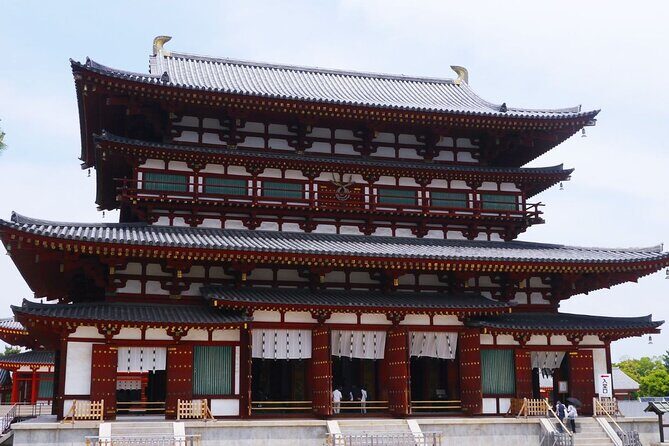
Your day starts at Kofuku-ji, a UNESCO World Heritage site that’s known for major Buddhist treasures. This is a strong opening because it sets the tone: you get the kind of historical and artistic focus that makes the rest of the temples hit harder.
The highlight here is the Statue of Ashura, listed as a National Treasure. Even if you’re not an art-history superfan, you’ll likely enjoy the scale and presence of a statue that’s treated as culturally important. This stop is also the one where you get early wins: once you understand what you’re looking at, Todai-ji tends to land even more dramatically.
A small consideration: it’s described as a city walking tour, not an all-day deep inside each monument. So you’ll likely spend your time moving through key areas and viewpoints rather than hours spent in quiet, controlled interior viewing. If you want marathon museum-style study time, you might need extra independent time later.
Todai-ji, the Great Buddha, and Nandaimon Gate statues
Next comes Todai-ji, probably Nara’s most famous temple complex. This is where the itinerary earns its reputation. You’re going for the Great Buddha statue—described as Japan’s largest Great Buddha—and that alone makes this stop worth carving out the full time.
Todai-ji also brings variety beyond the big centerpiece. At Nandaimon Gate, you can see the Kongo Rikishi statues, which add an intense, guardian-style energy at the entrance. One of the best ways to enjoy this stop is to take a few moments to step back before you rush toward the main sight. Your photos will improve, sure, but more importantly you’ll appreciate the scale better.
In one case, a guide named Hugo was singled out for making the day memorable, and the huge Buddha was the clear highlight. That’s the kind of day this stop can be—big, impressive, and a little overwhelming in the best way.
Practical note: free admission is listed for the stops, but you still may want to think about timing and entry flow. Having your guide help with ticket booking for the visits you choose is useful, especially if you’re aiming for a smooth day with minimal waiting.
Nara Park deer time: fun, but follow the common-sense rules
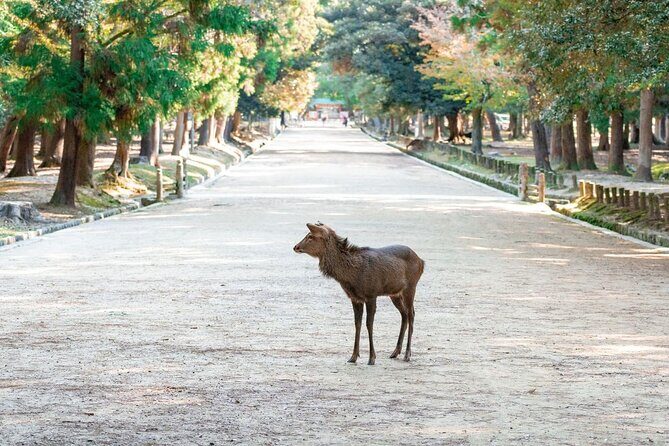
Then you step into the most iconic break of the day: Nara Park. This is where the wild deer show up in force, and where the experience turns from impressive temples into something playful and surprisingly personal.
The tour includes time for feeding the deer, which is exactly why this is often the part people remember long after the photos. The deer are described as tame and friendly, and it’s easy to see how that changes the mood. You’re still in a UNESCO city with ancient temples, but you’re also in a living place where animals are part of the scenery.
A drawback worth noting: deer can be busy and curious, so if you’re wearing something bright or carrying food, expect attention. Keep your expectations simple. Stay aware of your hands, keep the feeding controlled, and don’t plan to eat complicated snacks while they hover.
If you want the best deer moments, you’ll benefit from using your time wisely within the 1.5-hour window. Spend the first part watching behavior and positioning for photos, then feed once you’re comfortable with the flow. That keeps it fun instead of chaotic.
Kasuga Taisha and the National Treasure Hall
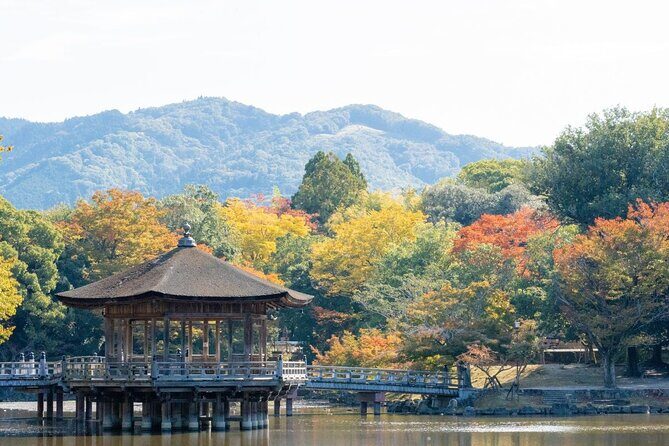
Your final stop is Kasuga Taisha, another UNESCO World Heritage site, famous for its vivid red shrine architecture. This makes a nice contrast after Todai-ji. Where Todai-ji can feel monumental and grounded in one giant spectacle, Kasuga Taisha gives you more visual rhythm—repeating structures, shrine details, and a calmer spiritual feel.
The tour also includes Kasuga-Taisha National Treasure Hall, where you can see Buddhist art and artifacts. This is a great way to shift from outdoor atmosphere back into cultural interpretation. Even if you only skim a few displays, you’ll leave with a clearer idea of what kinds of objects these temples preserve and why they matter.
One of the strongest points here is that you’re not only seeing the exterior. You’re getting a chance to understand the collection that supports the shrine’s ongoing traditions. It’s also a good stop for rainy weather or when your legs start requesting mercy.
You can also read our reviews of more private tours in Osaka

Private tour pacing: why your guide matters more than you think
The private format is the main reason this tour works for many people. Your guide can adapt the timing so you’re not stuck in line while everyone else needs a bathroom break. It also helps with small decisions, like whether you spend extra minutes at a viewpoint or move on quickly when crowds build.
The guide experience seems to vary in quality depending on who you get. That’s true of any guided day, but it’s worth calling out because this itinerary asks your guide to connect the dots across four major stops. In one case, a guest felt the guide was sub-par, with little insight beyond links to information they could find on their own. In contrast, other guides were praised for doing more than reciting facts.
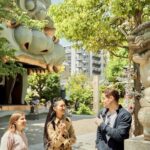
For example, a guide named Kokoro was described as helpful and able to guide smoothly through the city and tour, especially in how the day felt for a parent and daughter. Another guide, Hugo, was highlighted with the Great Buddha as the highlight—suggesting a guide can shape how satisfying the flagship sight feels.
How does that help you decide? Ask your guide early what they think is the best way to see the Great Buddha and Nandaimon Gate. You’re paying for interpretation, not just movement.
What’s included (and why it affects your comfort)
Here’s the practical breakdown:
Included:
- Private and exclusive tour (your group only)
- Customization
- Hotel pickup if you’re in Osaka, Kyoto, or Nara
- Walking tour
- Guide help booking tickets for desired visits
- In-person guide in English, Spanish, or French
- Mobile ticket
Not included:
- Drinks or food
- Tips
- Transportation costs during the tour (public transport is on you)
This matters because it changes how you should plan your own day. Since food and drinks aren’t included, you’ll want to build in a snack stop. Even if you’re eager to keep moving, a quick water break makes the deer portion easier and keeps temple pacing from turning into leg-slap misery.
Also, transportation is on your tab. The tour is described as a city walk, but public transport costs still apply if you need to travel between start points or if your pickup doesn’t cover everything. If you’re starting from Osaka or Kyoto, confirm where you’ll meet and how pickup works for your exact location.
Price and value: what you’re really paying for
At $174.29 per person for about 6 hours, this isn’t a low-cost casual stroll. So what makes it feel worth it?
You’re paying for:
- Privacy: no matching your pace to strangers
- Guide support: English/Spanish/French live interpretation, plus help with ticket booking
- Customization: your day can shift toward the parts you care about
- A built-in route: major sites are connected in one loop without you doing heavy planning
One subtle value point: this itinerary balances big-ticket highlights with smaller meaning. Todai-ji gives you the Great Buddha. Kofuku-ji gives you a specific National Treasure sculpture. Kasuga Taisha adds the National Treasure Hall. Nara Park gives you the emotional, funny, memorable human-animal moment.
If you were to DIY this route, you’d likely spend time figuring out where to start, when to enter, and how to keep the day from feeling like logistics. Paying for a guide is basically buying back mental energy.
Is it overpriced? Only if you want a self-guided stroll and don’t care about explanation. If you want someone to connect the dots and keep your timing smooth, it has a better chance of feeling fair.
Timing tips for a smoother Nara day on foot
You’re walking a lot across four big destinations, even though the stops are in sequence. In practice, that means you should plan around comfort more than you plan around landmarks.
A few smart moves:
- Wear shoes you’d actually wear for a long city walk, not just “temple sandals.”
- Bring water because food isn’t included.
- Give yourself space for the deer feeding moment; don’t schedule anything right after your tour ends unless you’re okay with delays.
Since the tour is offered from Osaka/Kyoto possibilities, you might be tempted to book the day you arrive. I’d avoid that unless you’re confident about your energy. Your best day is usually the one where you’re not dealing with jet lag or long transfers.
Who this tour suits best
This is a strong fit if you want:
- A guided best-of Nara day without doing all the planning
- The major UNESCO temple stops plus Nara Park deer feeding
- A private experience with your own pace
- A guide who can speak your language (English, Spanish, or French)
It’s also a good choice if you’re traveling with a family. One review highlighted a parent and daughter having a great time with the deer and enjoying how the guide managed the day through the city.
If you’re the type who wants to spend hours in detailed indoor viewing, you might find this feels more like a focused highlights walk. Since it’s described as a city tour and not inside-monuments all day, plan extra solo time if that’s your style.
Should you book this Nara private walking tour?
Book it if you want a clean, structured Nara day with a private guide, clear temple highlights, and scheduled time to enjoy the deer without turning it into a messy free-for-all. I think this itinerary works especially well for first-timers who want the major sites—Kofuku-ji, Todai-ji, and Kasuga Taisha—plus the one thing that makes Nara feel different from Kyoto.
Skip it (or pair it with extra independent time) if you prefer long, slow interior exploration or you’re hoping the guide experience will be identical every time. The overall concept is strong, but guide quality can affect how much you get out of the day.
If you’re deciding today, my checklist is simple:
- Do you want a guided, private walking day around four UNESCO sites?
- Do you want deer feeding time built in?
- Are you okay bringing your own snacks and planning for walking?
If you said yes to those, you’ll likely have a memorable Nara day that feels fun, not just impressive.
FAQ
How long is the Nara private walking tour?
The tour lasts about 6 hours.
Where does the tour start?
You meet your guide at your chosen location, which can include your hotel. Hotel pickup is offered if you are in Osaka, Kyoto, or Nara.
What are the main stops on the itinerary?
The tour includes Kofuku-ji Temple, Todai-ji Temple, Nara Park, and Kasuga Taisha Temple with time at the Kasuga-Taisha National Treasure Hall.
Are entrance tickets included?
Admission tickets for the listed stops are shown as free. The guide also provides help to book tickets for the visits you want.
Is this a private tour?
Yes. It’s private and exclusive, meaning only your group participates.
What languages are guides available in?
Guides are available in English, Spanish, and French.
What’s not included in the price?
The tour does not include drinks or food, tips, or transportation costs during the tour (public transport costs are your own).
Is there a cancellation option if plans change?
Yes. There is free cancellation, with a full refund if you cancel at least 24 hours before the experience starts.
Is the tour suitable for most people?
The information says most travelers can participate, and it’s described as a city walking tour near public transportation.