REVIEW · FUJINOMIYA
Mount Fuji E-Bike Tour: Explore Nature and History
Book on GetYourGuide →Operated by Seishinkai Social Welfare Corp. · Bookable on GetYourGuide
Fuji hits different when you ride toward it. This Mount Fuji e-bike tour mixes coastal views with spring water and real-world geology. You’ll be in the Shizuoka region’s Shimizu area, about an hour from Tokyo, and you’ll come back the same day.
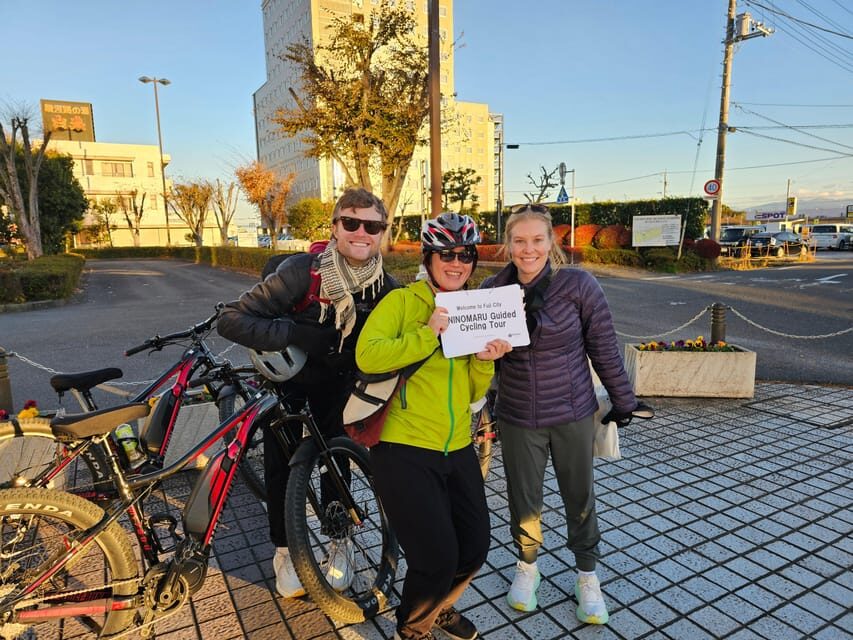
What I like most is the small-group pace. With a limit of 5 participants, you get time for photo stops and guide attention, including patient group-picture moments with guides like Yasu and Aiko. It’s also more than sightseeing because the tour explains how Mount Fuji connects to everyday life, from sacred water to local traditions.
One thing to plan around: Mount Fuji visibility isn’t guaranteed. If weather is cloudy, you’ll still have a great ride and stops, but you might not get the big, clear mountain view.
In This Review
- Key highlights that make this ride worth your time
- A smart day trip from Tokyo: timing and value
- Shin-Fuji Station meetup: how to find your guide fast
- Riding into Suzukawaminato Park: coastal views with a real guide story
- Photo stops through Shimizu: backstreets, tea, and local industry
- Izuminosato Yusui Park: sacred spring water from Fuji
- Hounji and the earthquake lesson: why geology is personal here
- Tea stops and family hospitality: the part you’ll remember
- E-bike practical tips: you’ll have an easier ride with the right prep
- Price and logistics: what’s included, what you need to cover
- Who this tour is best for (and who should skip it)
- Should you book this Mount Fuji e-bike tour?
- FAQ
- Where does the tour start?
- How long is the Mount Fuji e-bike tour?
- What languages are the guides?
- Is Mt. Fuji visibility guaranteed?
- What should I bring?
- What’s included in the price, and can I get a refund?
Key highlights that make this ride worth your time
- Small-group cycling (up to 5) means less waiting and more guide time
- Shin-Fuji Station meetup keeps things simple for a day trip from Tokyo
- Spring-water stops show how Fuji sustains life through underground reservoirs
- Earthquake and geology explanations connect the scenery to real forces that shaped the area
- Local tea experiences, including tea made and served in a guide’s family setting
- E-bike support makes the route doable without turning into a fitness test
A smart day trip from Tokyo: timing and value
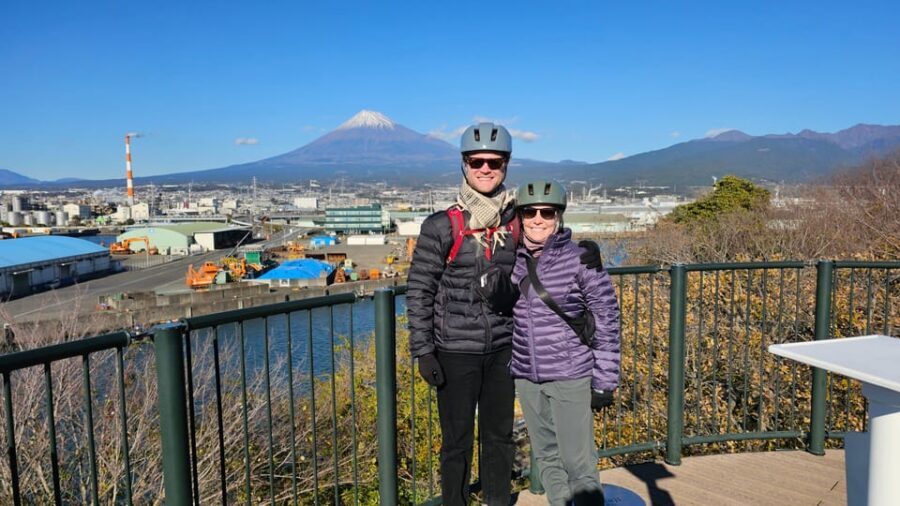
This tour is built for day-trippers. You’re close enough to Tokyo that you can do it without sleeping away from the city, and the overall time on the ground is 150 minutes. That matters because you’re spending time experiencing the Fuji region, not burning half your trip in transit.
The price is $109 per person, which is pretty reasonable once you tally what you’re actually getting. You get an e-bike rental and helmet, plus a local guide (English and Japanese), and the tour is insurance-supported by providing information after you reserve. Meals aren’t included, but the route includes enough stops that the lack of a full meal service doesn’t feel like a deal-breaker.
You also get an intentional pace. The schedule includes transfers between stops, short rides, and multiple photo/visit moments. In practice, that’s what keeps it fun and readable rather than rushing past everything.
You can also read our reviews of more cycling tours in Fujinomiya
Shin-Fuji Station meetup: how to find your guide fast
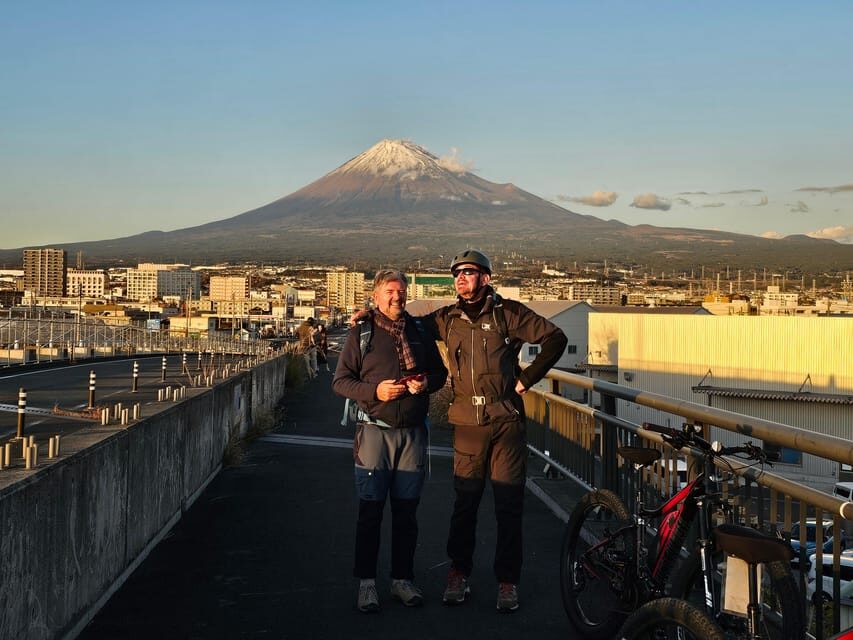
You start at Shin-Fuji Station, south exit. Look for a guide holding a [NINOMARU Guided Cycling Tour] sign. This is the kind of meeting point that works well if you’re doing Tokyo-to-Fuji logistics on your own: it’s clear, central, and easy to navigate.
The tour runs with live interpretation. You can expect English and Japanese, which is a relief if you want explanations about geology and local history rather than just holding onto the handlebars.
Because the group is small (up to 5), arriving on time helps. You won’t have a big “line of bikes” situation to blend into, so make a little buffer for station wandering, platform changes, or walking up from the trains.
Riding into Suzukawaminato Park: coastal views with a real guide story
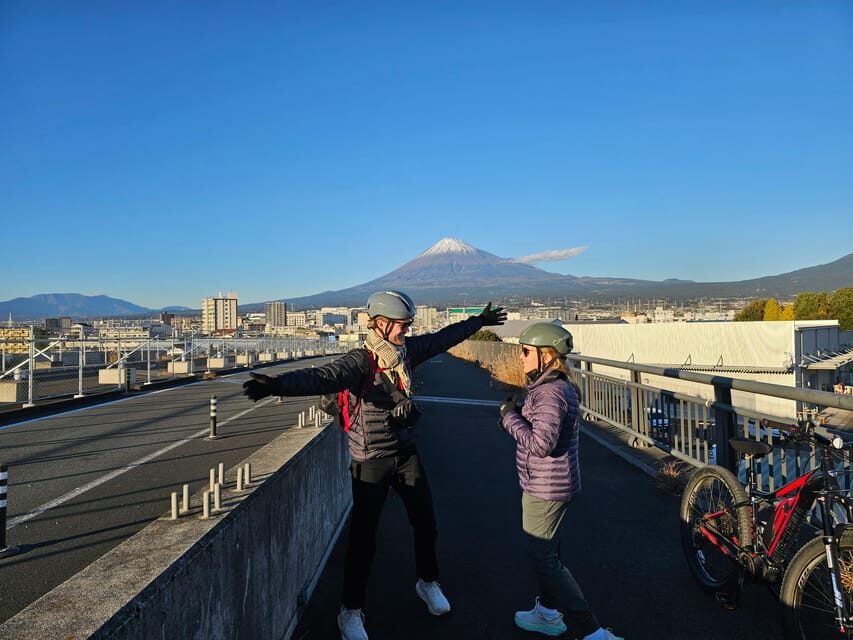
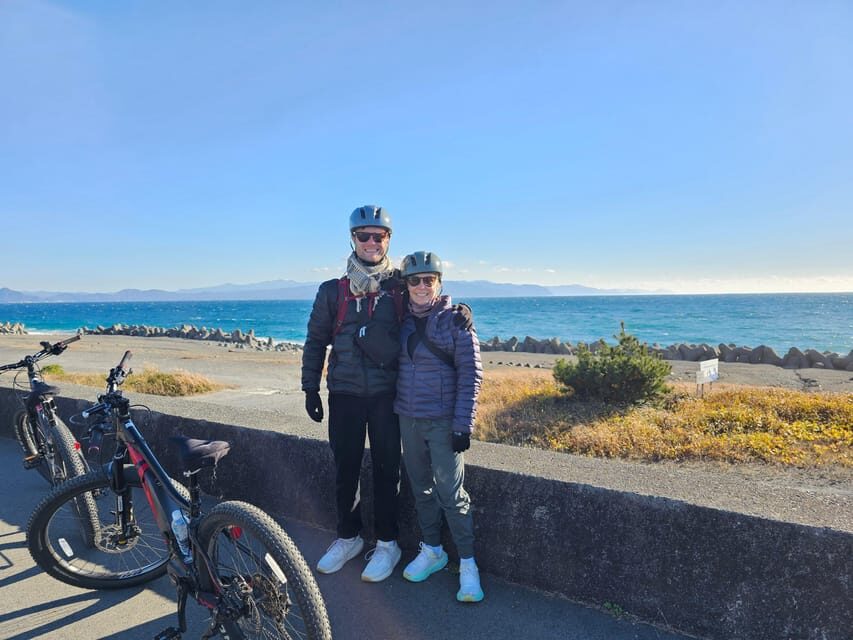
One of the early hits is Suzukawaminato Park, where the schedule calls for a photo stop and a visit. This is where the coastal Fuji views often show up most clearly, and it’s a good place to take a breath and get oriented before you roll deeper into the area.
E-bikes matter here. Even if you’re not a cyclist, the bike support helps you stay relaxed on the flatter stretches and around short, stop-and-go segments. That lets you focus on the guide’s talk rather than your legs.
You’ll also get context that makes the route feel connected. Instead of just seeing the water and then moving on, you get a thread that links places to how people live with Mount Fuji’s presence—spiritual, practical, and historical.
Photo stops through Shimizu: backstreets, tea, and local industry
After the first coastal moment, you move toward the Shimizu side of things with quick photo/visit stops. One stop is listed near 13-32 Suzukawanishichō, and another is Hounji. These aren’t long museum-style visits. They’re more like: pause, look closely, and learn what you’d miss if you walked past without a guide.
This is where I think the tour wins for curious people. You’re not only chasing views. You’re learning why certain places matter—temples, local streets, and the kind of everyday culture that doesn’t show up in big-city guidebooks.
One review specifically highlighted learning about local tea and paper industry culture. That’s the sort of detail that changes the ride from scenic to meaningful. If you enjoy small explanations—why a place is there, what it represents, and how locals interpret it—you’ll appreciate these stops.
Izuminosato Yusui Park: sacred spring water from Fuji
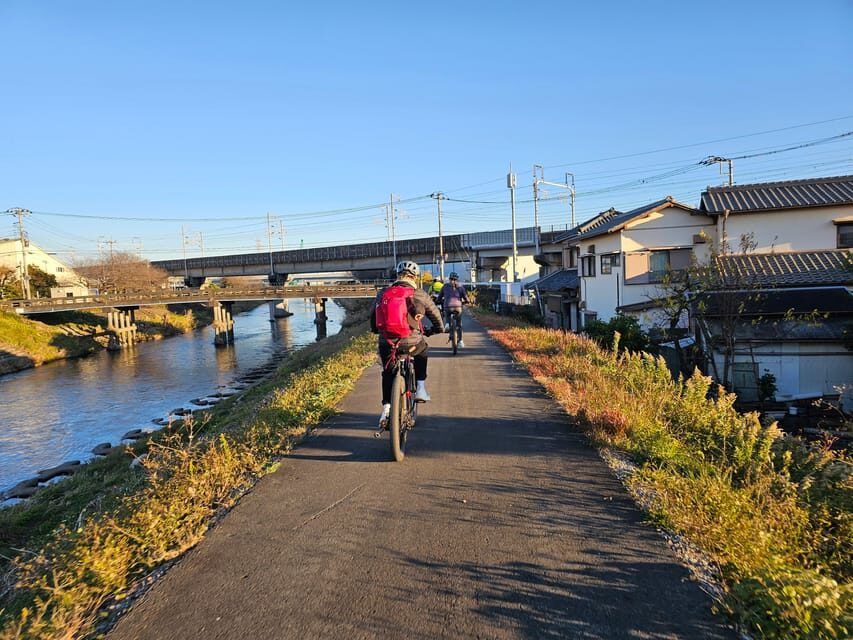
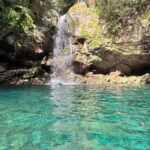
If you care about how nature becomes daily life, this is the stop. Izuminosato Yusui Park is a spring-water location on the schedule, and it’s tied to a key idea: Mount Fuji feeds the region through underground water systems.
The experience is framed around crystal-clear water flowing from Fuji’s underground reservoirs, and you get a chance to witness the water directly rather than just hearing about it. Bring your own bottle because the tour notes that you can refill at the spring water spots.
This is one of those “small” moments that can stick with you all trip. It’s not just pretty scenery. It’s a reminder that the mountain isn’t only a photo backdrop—it’s part of the local water story.

Hounji and the earthquake lesson: why geology is personal here
The tour doesn’t treat geology like a distant school topic. It connects Mount Fuji to the forces that keep shaping the region: plate tectonics, volcanic activity, and—importantly—past earthquakes and disaster preparedness.
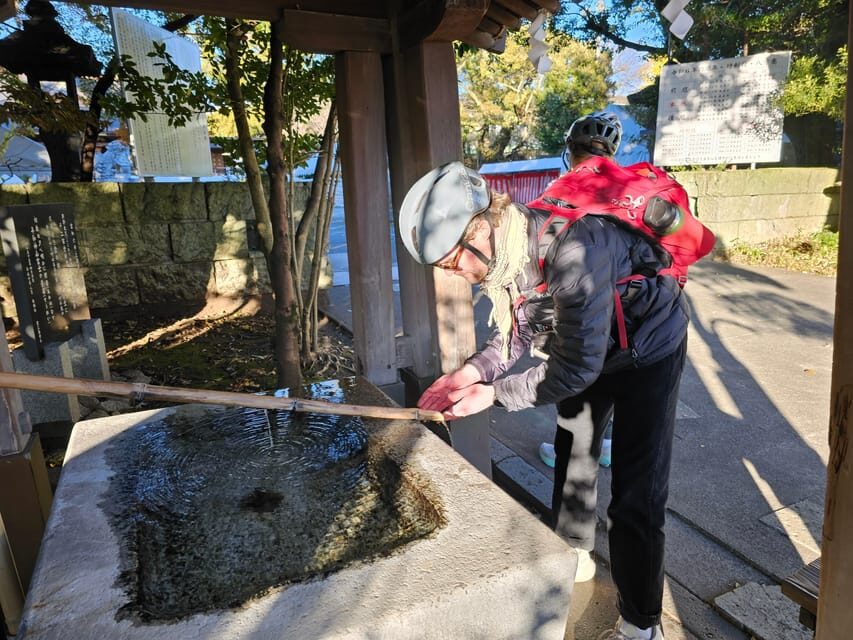
You’ll see temples and shrines connected to the mountain, then hear how spiritual practice and community history intertwine. The tour notes that Mount Fuji is a sacred symbol as well as a stunning natural landmark, and the stops are chosen to support that.
A good guide turns “earthquake facts” into something you can actually hold onto. Instead of only listing dates and names, you get the practical why: why communities plan, how people respond, and how natural forces influence local traditions.
And yes, you might not always get a perfectly clear mountain view. When visibility drops, the geology and history stops become even more important.
Tea stops and family hospitality: the part you’ll remember
Here’s where the tour tends to feel special. Multiple people mention tea experiences that go beyond a standard convenience-shop stop. You may stop for tea at a guide’s family home, and you may also visit a tea store for a tea tasting and hands-on explanation about how green tea is made and served.
One review called out a visit for tea at a guide’s mom’s house, described as a sweet, heart-warming Japanese experience. Another highlighted a tea tasting at a shop where you can learn the process of making and serving green tea.
This is more than a snack break. It’s a way to understand hospitality as culture, not as performance. In a region tied to Fuji and local traditions, tea fits naturally—quiet, seasonal, and tied to the rhythm of daily life.
If you like travel moments that feel human—where the guide isn’t just reading script notes—this portion is likely to be a standout.
E-bike practical tips: you’ll have an easier ride with the right prep
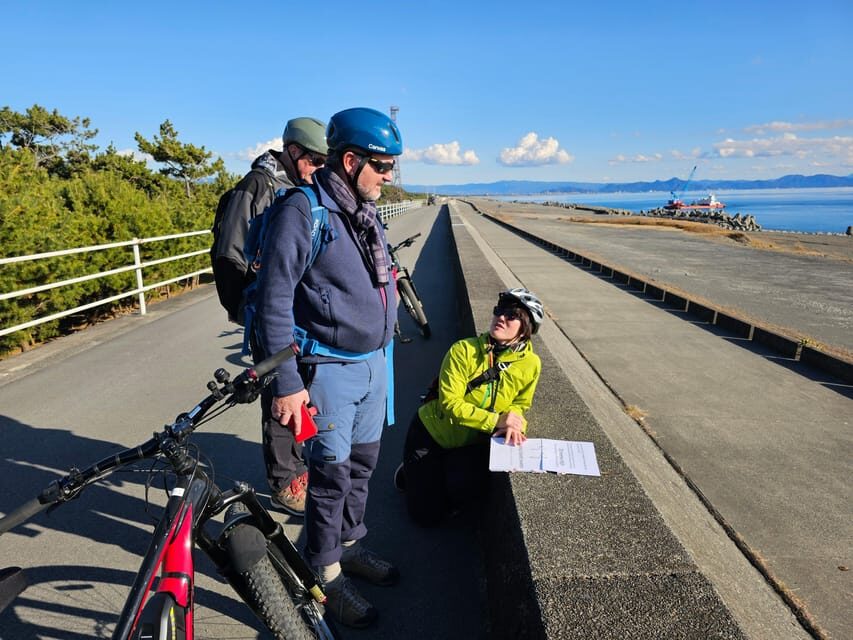
The e-bike makes the route approachable, but you still need to show up ready to ride. The tour asks for comfortable shoes and water. Wear clothes that handle biking without fuss.
Bring a small backpack for personal items. The tour also mentions refilling water at spring stops, which means you’ll want your bottle accessible instead of buried.
Also read the rider suitability notes carefully. This tour isn’t for everyone, including people with back problems, mobility impairments, wheelchair users, people who can’t ride a bike, and people under 150 cm. It’s also listed as not suitable for pregnant women and for people over 65. If any of these apply, it’s better to choose a different style of Fuji tour that matches your comfort level.
One more weather reality: dress for conditions, because visibility can change quickly. If Mt. Fuji is hidden, you’ll still enjoy stops and explanations, but you’ll want layers in case it’s cooler near the coast.
Price and logistics: what’s included, what you need to cover
Let’s break down value in plain terms.
Included:
- Local guide
- E-bike rental
- Helmet
- Insurance enrollment support after your reservation is confirmed
- Small-group format (up to 5)
- Live guide in English or Japanese
Not included:
- Hotel pickup and drop-off
- Meals
So you’ll want to plan your day around that. Since meals aren’t included, you might grab breakfast before you head out from Tokyo and bring a little backup snack if you’re the type who gets hungry. The tour duration and stops are designed to keep you satisfied without a full meal service, but it’s still cycling and site time.
Also, because there’s no hotel pickup, base yourself in Tokyo somewhere with easy train access to your route. The easier your commute to Shin-Fuji Station, the smoother the whole day feels.
Who this tour is best for (and who should skip it)
This tour is ideal if you want a Fuji experience that mixes views + culture + practical natural history. If you like learning how a place works—how water sources feed communities, why temples are connected to the mountain, and why earthquake awareness matters—this fits.
It’s also a good match if you want a manageable physical commitment. The e-bike support keeps the route from feeling like a grueling ride, and the schedule includes transfers and photo stops.
Skip it if you can’t ride a bike, have mobility or back issues, or fall into the listed non-suitable categories. In those cases, you’ll get more comfort and less stress with an alternative tour format that doesn’t require cycling.
Should you book this Mount Fuji e-bike tour?
I’d book it if you want a day trip that feels more personal than a big bus tour. The small group size, the spring water focus, and the earthquake-and-geology storytelling are the big reasons. Add the tea experiences—especially the family-home hospitality angle—and you get a Fuji day that feels distinctly local.
I’d think twice if you’re chasing only a perfect view of Mount Fuji. Visibility isn’t guaranteed, and weather can soften the postcard effect. You can still have a great time, but if the entire reason you’re here is a clear mountain photo, build in that uncertainty.
If you’re flexible, comfortable on an e-bike, and excited to learn while you ride, this is a strong value at $109 for a 150-minute, well-paced day.
FAQ
Where does the tour start?
Meet at the south exit of Shin-Fuji Station. Look for the guide holding a [NINOMARU Guided Cycling Tour] sign.
How long is the Mount Fuji e-bike tour?
The tour duration is 150 minutes.
What languages are the guides?
The live tour guide is available in English and Japanese.
Is Mt. Fuji visibility guaranteed?
No. Visibility of Mt. Fuji is not guaranteed due to weather conditions.
What should I bring?
Wear comfortable shoes and bring water. The tour also suggests bringing a small backpack for personal items and bringing your own water bottle to refill at spring water spots.
What’s included in the price, and can I get a refund?
Included are a local guide, e-bike rental, helmet, and insurance enrollment support after confirmation. The tour offers free cancellation up to 24 hours in advance for a full refund, and you can reserve now & pay later.