REVIEW · TOKYO
Horse Racing Tour with Local Fans in Tokyo Racecourse
Book on Viator →Operated by Japan Traditional Travel · Bookable on Viator
Horse racing in Tokyo is surprisingly fun. You get live races plus a betting lesson that makes the whole day click, even if you don’t speak Japanese. What I like most is how quickly the guide translates the logic of racing and betting into plain, doable steps, and then builds in time to roam the track with local fans right behind the action. The one catch is you’ll want cash yen for bets, and the cost of betting, food, and alcohol isn’t included in the $100.
The logistics are also manageable: you meet in Shibuya, ride together to Tokyo Racecourse, and spend about four hours at the track. The group is capped at 12, and you’ll use a mobile ticket, so you’re not stuck figuring out paperwork while everyone else is lining up.
One more consideration: you’ll be walking around the racecourse, and the day involves standing and moving between race moments, so plan for a moderate level of fitness.
In This Review
- Key Highlights You’ll Care About
- Meeting in Shibuya and Getting to Tokyo Racecourse
- The English-Friendly Race Intro: Learning Fast Without Getting Lost
- Paddock Time and Watching How Fans Really React
- Betting on the Spot: How the Guide Keeps It Simple
- Premium Drinks and Japanese Street Food: Plan for What You Buy
- How Long You’re Actually There (and Why Four Hours Works)
- Price and Value: What $100 Really Buys
- Who This Tour Fits Best
- A Quick Reality Check: The One Thing to Not Forget
- Should You Book This Horse Racing Tour With Local Fans?
- FAQ
- How long is the Tokyo Racecourse horse racing tour?
- What does the tour cost and what’s included?
- Do I need to speak Japanese to join?
- Do I need cash for betting?
- Is food and alcohol included?
- How big is the group?
- Where do I meet the group?
- Is public transportation included?
- What’s the cancellation policy?
Key Highlights You’ll Care About
- Small group (max 12): more help when you’re learning bets or race flow
- English-friendly race guide: rules explained in a simple way, even with zero Japanese
- Paddock and track access time: you get more than just a seat view
- Between-race betting instruction: the guide shows you how to place bets during lulls
- Guide-provided race predictions: meant to help you bet with more confidence
- Cash yen needed for betting: bring yen so you can join the action without delays
Meeting in Shibuya and Getting to Tokyo Racecourse
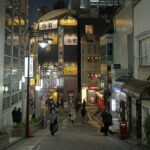
This tour starts at SHIBU HACHI BOX in Shibuya (2-chōme-1-1 Dōgenzaka). You’ll meet there, then head out together by train to Tokyo Racecourse. For me, that matters because Tokyo stations can be fast and confusing when you’re tired. Having a guide and a group rhythm reduces the stress before the fun even begins.
Once you’re on the move, you’re already in “local day out” mode. In a small group of up to 12, the pace feels friendly: time to ask questions, compare notes, and settle into the mindset that this isn’t just sightseeing. It’s watching people cheer for horses, then using that excitement to place bets (or at least understand them).
You’ll also be using a mobile ticket, which is convenient. No printing. No scrambling for confirmation papers. Just keep your phone accessible.
Plan to arrive a few minutes early if you can. It makes the start smoother, especially if you want to confirm meeting details with your guide before boarding.
A few more Tokyo tours and experiences worth a look
The English-Friendly Race Intro: Learning Fast Without Getting Lost
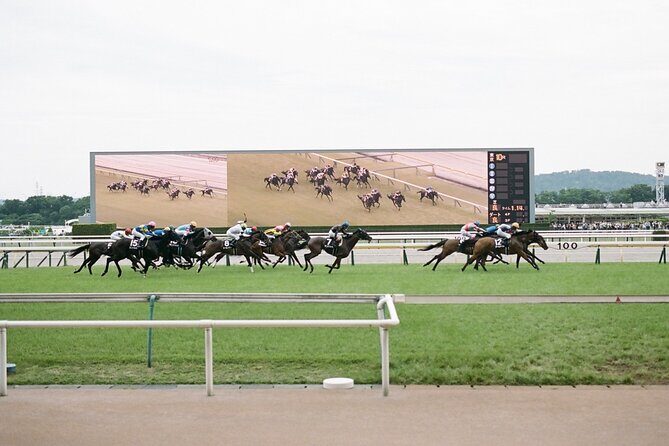
One of the best parts of this experience is the way it handles the hardest question first: how do horse races actually work in Japan? The tour is designed so you feel comfortable even if you don’t speak Japanese, because the guide explains the rules in an easy-to-understand way.
In practice, that means you’re not learning from scratch while the horses are already lining up. Instead, you get a clear foundation before the races pick up speed—so you know what you’re watching and why people are reacting so strongly.
You’ll also get what I’d call the “local framework” for the day: how race moments are timed, where fans focus their attention, and how the betting rhythm fits between races. That’s important. Without that, track time can turn into a lot of standing around while you wait for someone to tell you what happens next.
If you’re a total beginner, this is exactly the kind of structure that prevents the common mistake: watching without understanding. If you already know racing, you’ll still benefit because the guide helps you translate the process you’re using at this track into something you can act on quickly.
Paddock Time and Watching How Fans Really React
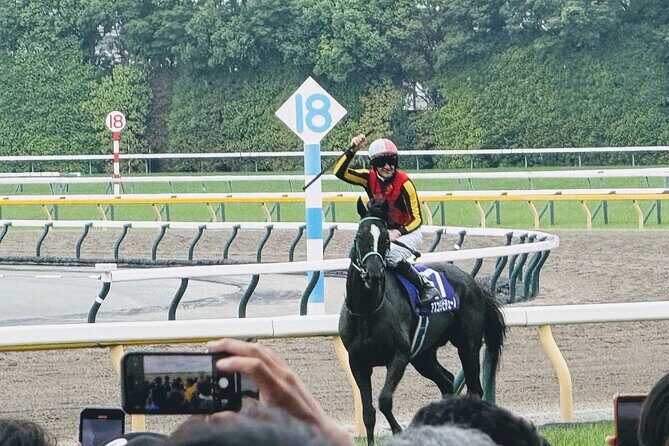
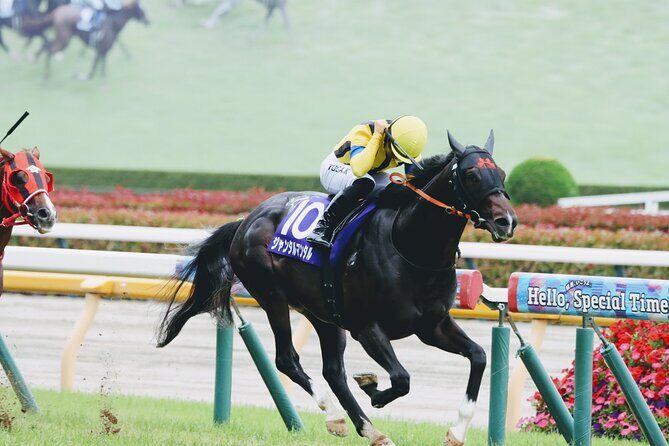
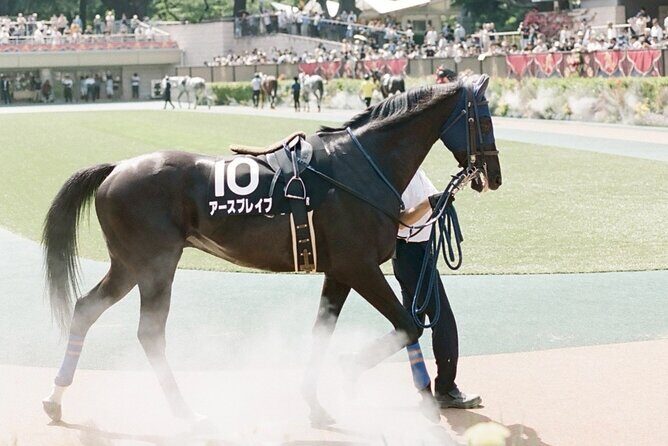
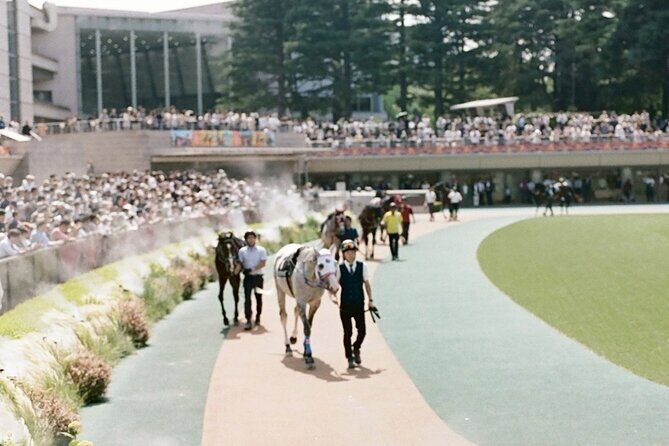
Once you arrive at the track, you’ll walk around and soak up the atmosphere with local fans. This is one of those experiences where the “venue vibe” does half the job. People aren’t treating it like background entertainment. They’re keyed in—cheering, tracking horses, and responding to race changes in real time.
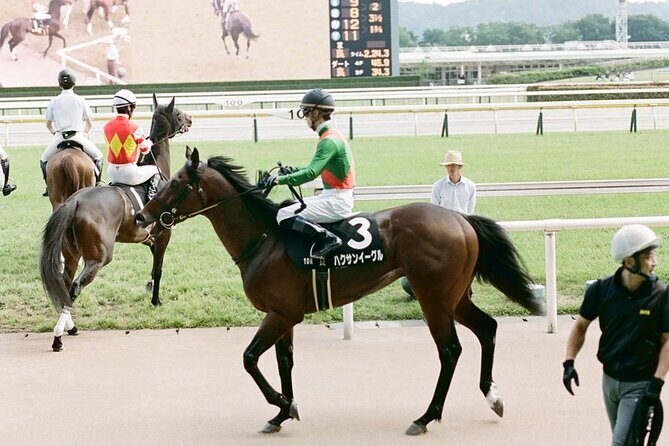
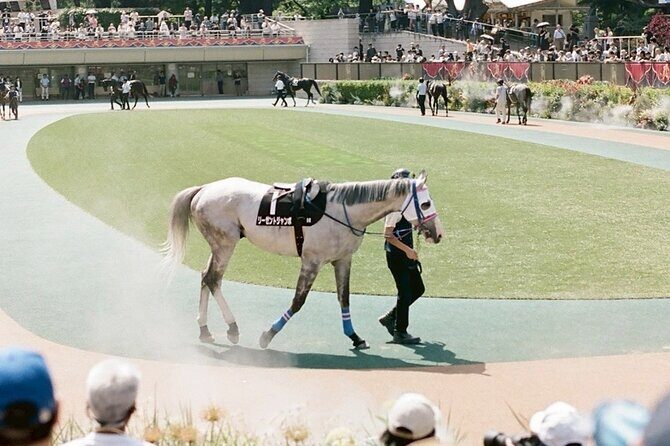
Your guide helps you navigate what matters visually. That’s especially useful around areas like the paddock, where you can get closer to the horses and see that pre-race energy before the actual running. The difference is huge: sitting in a distant seat gives you action. Paddock time gives you context.
I also love that the pacing includes movement. Between races, you’re not stuck in one spot. You’re guided around to explore the atmosphere, so you see more of the track experience—not just the one moment of the race itself.
A small group also helps here. You’re less likely to get lost in a crowd, and the guide can adjust if you need a slower walkthrough.
One practical note: racecourses are meant for viewing, but you still end up standing and walking. Wear comfortable shoes and keep your phone battery in mind, since you’ll probably want photos and quick check-ins throughout the day.
Betting on the Spot: How the Guide Keeps It Simple
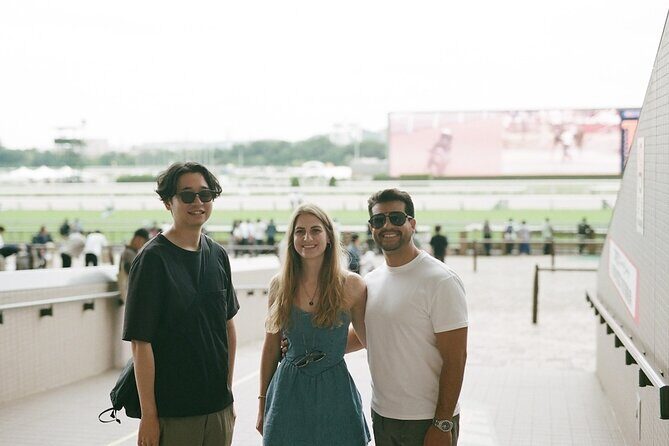
Betting is the heart of the event, and it can also be the most intimidating part—especially if you don’t speak Japanese. That’s why the tour builds in between-race time for instruction.
The guide shows you how to place bets, whether you’re new or you already have some betting experience. The key value here isn’t just learning the mechanics. It’s learning what to do when you’re under time pressure. Races come in waves. You don’t have the luxury of reading a manual.
You’ll also be getting race predictions from your guide. These predictions aren’t about making you rich. They’re about giving you a starting point—so your bets feel grounded instead of random.
Here’s what I’d treat as non-negotiable prep: bring Japanese yen in cash. The tour specifically notes that betting typically requires it. If you show up without cash, you may end up watching while everyone else places bets, which is fun for some people but not what most folks signed up for.
Also, remember that the cost to bet is not included. Your $100 is for the guide and the experience structure, not your wagers.
If you want to bet, go in with a mindset that you’re learning in real time. If you don’t want to bet, you’ll still get value from the explanation—because you’ll understand the race story as it unfolds, not just the final result.
Premium Drinks and Japanese Street Food: Plan for What You Buy
The tour description sets expectations for premium drinks like sake and cocktails and gourmet Japanese street food, and there’s time built around that social side of race day. But the cost of food and alcoholic beverages is listed as not included in the tour price.
So what does that mean for you? It means you should budget for purchases on site if you want to add those extras. The guide experience helps you enjoy them in the flow of the day, but you’ll pay directly for what you order.
I like having this flexible setup. If you want a drink during the excitement, you can grab one. If you’d rather keep it light, you’re not paying extra you didn’t use. Race day can get long, and a small treat makes sense—just plan it.
This is also a good moment to keep your energy up. Watching races is active, and when you’re walking around and then taking in the betting steps, having something to snack on helps you stay focused for multiple races.
If you’re sensitive to alcohol, you can still enjoy the social side without going heavy. Just pace yourself so you can enjoy both the track walking and the betting instruction without feeling rushed.




How Long You’re Actually There (and Why Four Hours Works)
The experience runs about 4 hours and wraps around 4:00 PM. That timing is smart for a few reasons.
First, it keeps the day from eating your entire Tokyo schedule. You’re getting several races, but you’re not sacrificing a full afternoon.
Second, it matches the natural rhythm of the track. Horse racing isn’t one long continuous event. It’s a sequence of built-up moments. Four hours is enough time for the excitement to build, for you to understand the flow, and for you to try betting guidance at least a couple of times.
Third, it’s a friendly window for meeting up later. If your plan is dinner and a stroll afterward, you’ll have energy and time to do it.
For your planning: wear comfortable shoes, keep your cash accessible, and don’t overstuff your schedule right before the tour starts. You’ll want a relaxed start so you can pay attention when the guide explains what matters.
Price and Value: What $100 Really Buys
At $100 per person, the headline price sounds straightforward, but the value comes from how the tour is built.
You’re paying for a guided experience that solves three hard problems:
- figuring out race rules and terminology fast
- learning how to bet without guesswork
- navigating the track atmosphere in a way that makes sense for beginners
That guidance is especially valuable because betting requires action and timing. If you’re doing this on your own, you’ll spend more time figuring things out and less time enjoying races.
What’s not included helps clarify what you’re buying:
- alcoholic beverages
- food
- the cost to bet
- public transportation (listed as ¥320 per person)
So if you’re the type who already knows betting systems well and plans to avoid food and drinks, you’re still getting the key benefit: the guide helping you place bets confidently and understand what you’re seeing.
If you’re totally new, the tour is even more cost-effective, because the alternative is often paying for confusion—either with language barriers or with wasted time.
In other words, the price feels fair if you want both the racing and the betting lesson. If you only want passive sightseeing with no betting interest, you might compare against other Tokyo experiences.
Who This Tour Fits Best
This is a strong match if any of these describe you:
- you want to watch live races but you don’t want to learn everything alone
- you’re curious about Japanese horse racing culture and local fan energy
- you want predictions and help placing bets without being embarrassed by it
- you prefer a small group experience (max 12)
It also works if you speak no Japanese. The entire premise is comfort even without language skills, because the guide explains the rules clearly.
A practical fit note: the tour advises moderate physical fitness. You’ll be moving around the racecourse, so if you know you don’t do well with standing and short walks, consider that.
And if you travel with a service animal, the tour indicates service animals are allowed.
A Quick Reality Check: The One Thing to Not Forget
This tour runs on momentum—train to the track, intro to the rules, then race after race. The biggest risk isn’t understanding. It’s readiness.
Bring Japanese yen cash for betting. Have it before you arrive at the moment when you want to place a wager. And budget extra for any drinks, food, and betting costs you choose to add.
Do that, and the rest is mostly smooth. The guide handles the parts that typically slow visitors down: explaining what’s happening, showing you how to bet, and helping you feel confident during the busy race rhythm.
Should You Book This Horse Racing Tour With Local Fans?
Yes—if you want the track experience plus real help learning betting. This is the kind of tour that turns a confusing venue into something you can actually participate in. The small group size, the easy rule explanations, and the guide predictions make it feel friendly even for first-timers.
If you hate the idea of spending extra cash for food, drinks, or betting, you may still enjoy it as a racing-focused outing, but the experience is clearly designed around joining the betting action. Bring yen, and decide ahead of time whether you’ll place a bet or just learn.
If you’re looking for a short, high-energy slice of Tokyo culture that isn’t a museum and doesn’t require you to decode everything alone, this is a solid bet.
FAQ
How long is the Tokyo Racecourse horse racing tour?
It runs for about 4 hours, with the experience concluding around 4:00 PM.
What does the tour cost and what’s included?
The price is $100. The tour includes the guide fee. It does not include food, alcoholic beverages, or the cost to bet.
Do I need to speak Japanese to join?
No. The guide explains the rules of horse racing in an easy-to-understand way, so you can feel comfortable even without Japanese.
Do I need cash for betting?
Yes. The tour advises that you should bring Japanese yen in cash because betting typically requires it.
Is food and alcohol included?
No. Alcoholic beverages and food are listed as not included, even though the experience includes time around premium drinks and Japanese street food.
How big is the group?
The tour has a maximum of 12 travelers.
Where do I meet the group?
You’ll meet at SHIBU HACHI BOX, 2-chōme-1-1 Dōgenzaka, Shibuya, Tokyo 150-0043, Japan. The tour ends back at the meeting point.
Is public transportation included?
No. Public transportation costs are listed as ¥320 per person.
What’s the cancellation policy?
Free cancellation is available. You can cancel up to 24 hours in advance for a full refund.