REVIEW · TOKYO
Tokyo: Horse Racing Tour with Local Fan
Book on GetYourGuide →Operated by Japn Traditional Travel · Bookable on GetYourGuide
Horse racing in Japan feels like a whole other language. You get the big, noisy race-day energy—plus an English-speaking guide who helps you actually take part, not just watch from the sidelines. I particularly like the how-to support for betting and the guided way of getting you into the right seat area, even though racecourse info is usually in Japanese.
The other big win for me is the atmosphere: cheering, betting chatter, and the sense of being in a real local routine, not a tourist performance. One thing to consider: you’ll need cash in yen for betting, and food/drinks plus train tickets are not included—so you should budget a bit extra beyond the tour price.
In This Review
- Key points for this Tokyo horse racing experience
- Betting culture, explained like you’re in the group
- Choosing the right racecourse day: Tokyo vs Nakayama vs Oi vs Kawasaki
- Meeting up and getting your reserved seat ticket in hand
- How the guide helps you place bets (without speaking Japanese)
- Race day energy: cheering, stakes, and the fun of trying
- The food and drinks reality: what’s included vs what you pay
- Why this tour is better value than trying to go solo
- What to bring and how to prepare so the day stays fun
- Who this tour suits best (and who should skip it)
- Final call: should you book this Tokyo horse racing tour?
- FAQ
- What does the tour cost?
- Is the tour ticket the same as admission to the racecourse?
- Do I need to speak Japanese to understand the races?
- Which racecourse will we visit?
- What should I bring for the tour?
- Are food and drinks included?
- Is betting included in the price?
Key points for this Tokyo horse racing experience
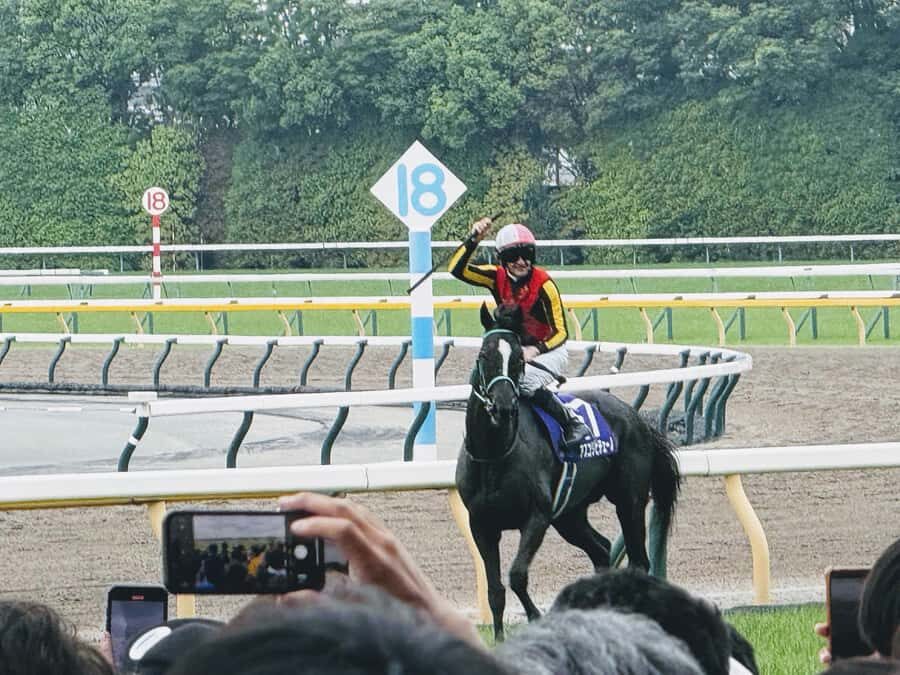
- English guide support for rules and betting when the venue info is mostly in Japanese
- Reserved seats when available, handed out by the guide in person
- Course varies by day: Tokyo/Nakayama on weekends; Oi/Kawasaki on weekdays
- Help placing bets so you’re not stuck translating everything yourself
- Race-day food and drinks on site (you buy what you want, but you’re in the right spot to enjoy it)
Betting culture, explained like you’re in the group
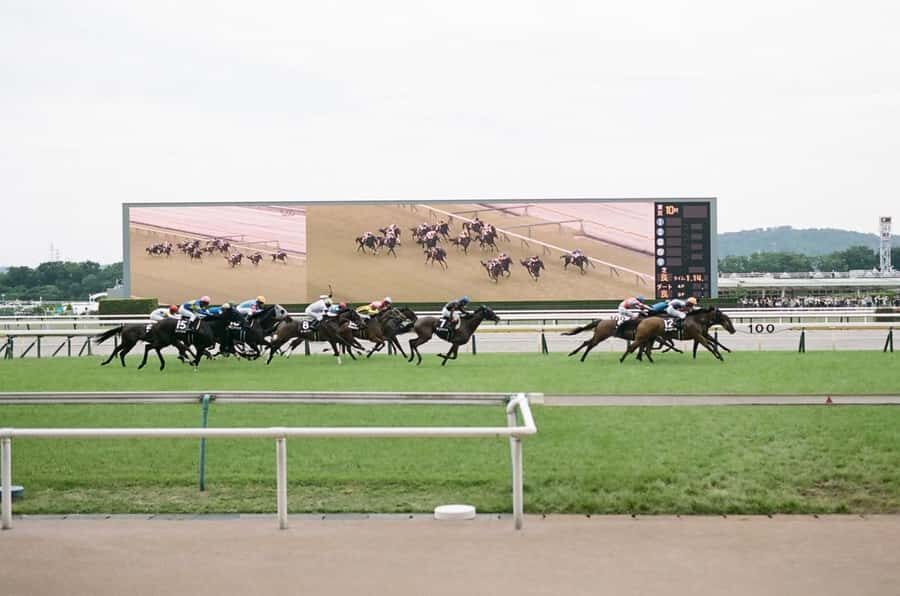
Japanese horse racing is one of those everyday passions that can look confusing from the outside. The horses, the jockey details, the betting system—it all moves fast. This tour keeps the pace human by pairing you with a guide who explains what matters and when it matters.
What makes it especially useful in Tokyo is that language usually becomes the bottleneck. Racecourses often provide explanations in Japanese only, so without support you can feel like you’re reading a play with the subtitles missing. With an English-speaking local fan on your side, you can focus on the fun part: the races and the crowd energy.
And yes, the setting is different from the typical city sights. This is real spectator culture—people showing up, checking forms, placing bets, and reacting to each run like it’s personal. You don’t need to be a lifelong racing fan to enjoy that rhythm.
A few more Tokyo tours and experiences worth a look
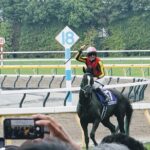
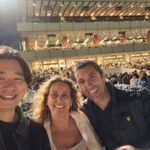
Choosing the right racecourse day: Tokyo vs Nakayama vs Oi vs Kawasaki
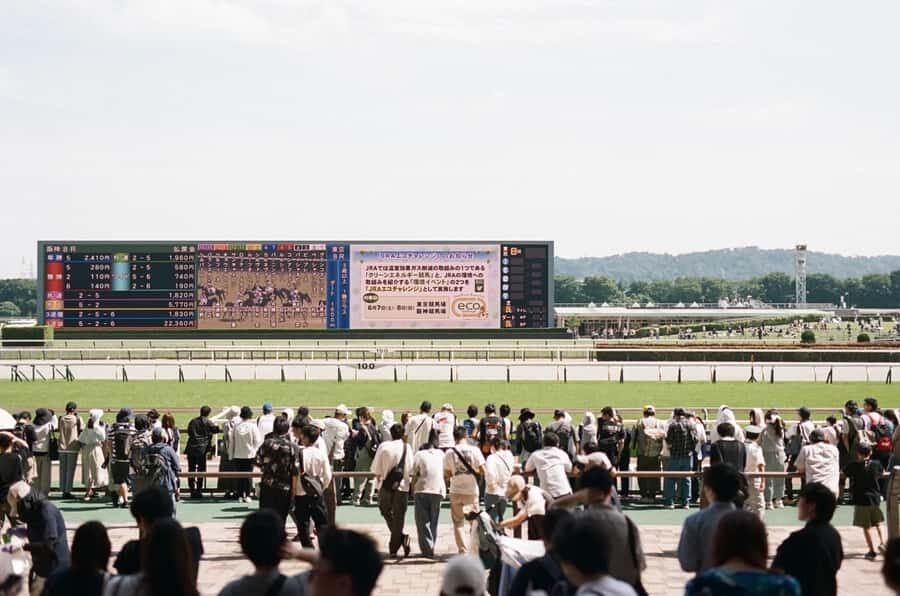
One detail that changes everything is where you go, because the racecourse depends on your date. Here’s the straightforward breakdown:
- Weekends: typically Tokyo Racecourse or Nakayama Racecourse
- Weekdays: typically Oi or Kawasaki Racecourse
- The exact venue shows on the booking date page.
This matters because different courses can feel different in layout and vibe. You might end up with a bigger, more central-feeling atmosphere on one day and a more local-feel on another. Either way, the tour’s core value stays the same: you’re not trying to solve ticketing and betting alone.
If you’re trying to plan around a specific day of the week, treat it like part of the decision. A weekday trip can be a great fit if you want a more routine, local cadence. A weekend can feel more festive if you like a fuller crowd.
Meeting up and getting your reserved seat ticket in hand
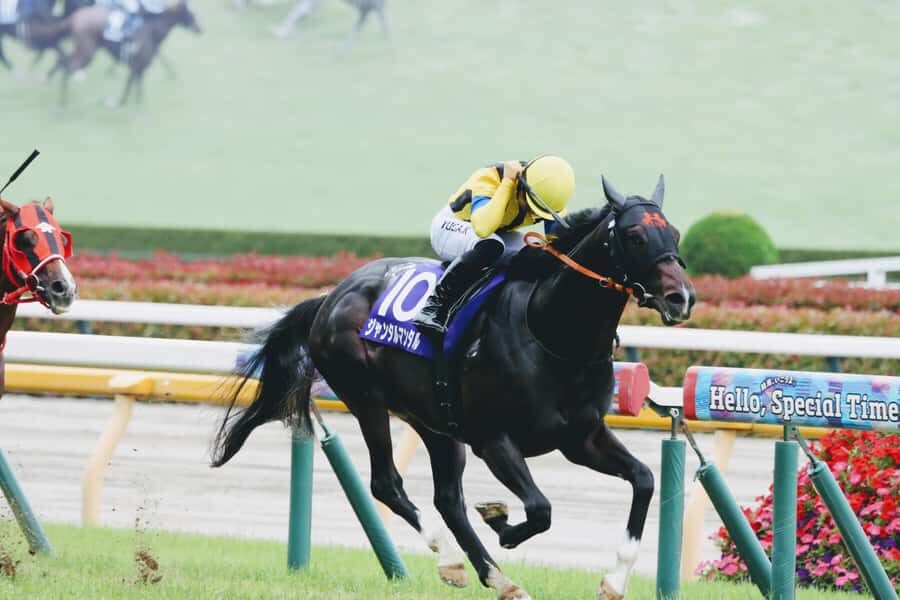
The first practical hurdle is getting into the venue correctly. This tour is set up to avoid that stress.
You meet at the start point where the guide is waiting with a sign with your name. You send a text when you arrive. Your guide then provides your reserved seat ticket in person.
Two important notes from the rules of the experience:
- Your GetYourGuide voucher is not an admission ticket.
- Entry to the racecourse is only possible with the guide.
In plain terms: show up on time, find your guide, and let them handle the entry steps. Once you’re inside, everything becomes much simpler because your support continues through the betting process and the explanations.
Also, since train tickets aren’t included, you’ll want to plan your route so you’re ready to move quickly. Tokyo stations can be a maze, and the tour works best when you’re not rushing at the last second.
How the guide helps you place bets (without speaking Japanese)
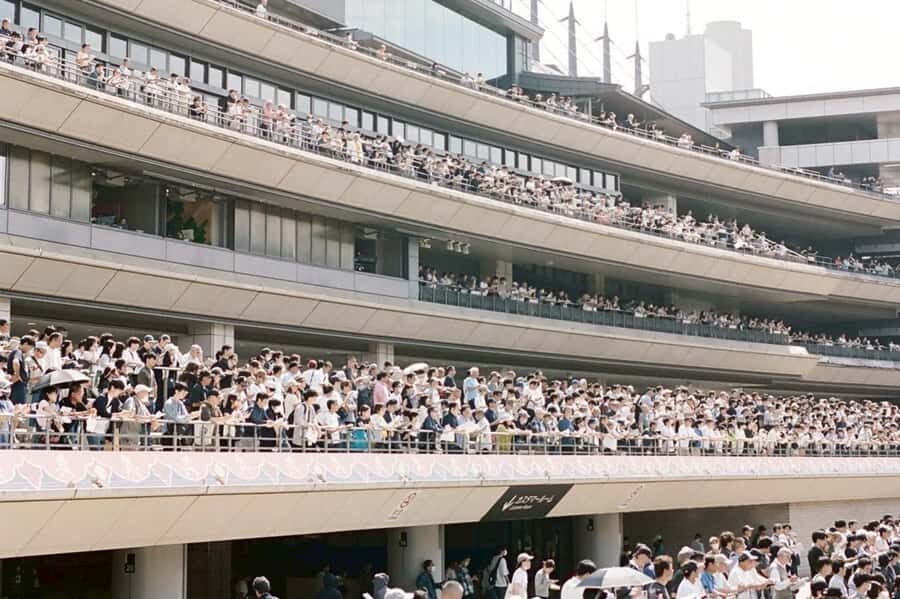
The tour’s biggest advantage is that it turns betting from a mystery into an activity you can follow in real time.
At a racecourse, you can usually see plenty of information—but it’s often in Japanese. Without help, even the basics can feel locked behind language barriers. This tour gives you dedicated support so you can understand:
- the rules of what you’re doing
- the betting process
- key info like which horses and jockey details are relevant
You don’t need to already know the system. The point is to get you through the steps while you can still react during the event. The guide also provides assistance with placing bets during the races, which is huge for first-timers.
One practical tip: bring enough cash to feel comfortable trying a few bets, not just one. The experience is more fun if you can participate more than once during the day. And yes—sometimes you’ll feel the excitement build race by race, especially when you understand what you chose and why.
Race day energy: cheering, stakes, and the fun of trying
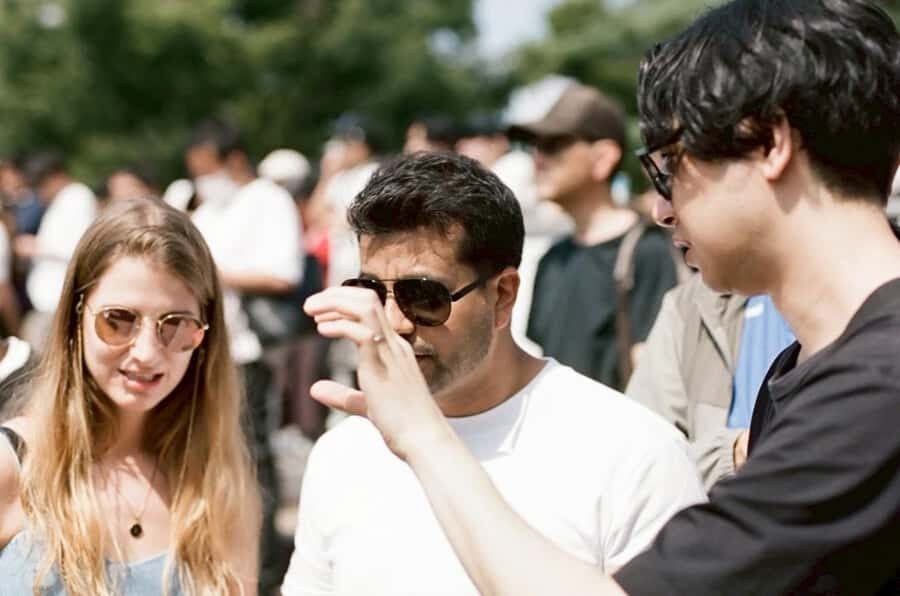
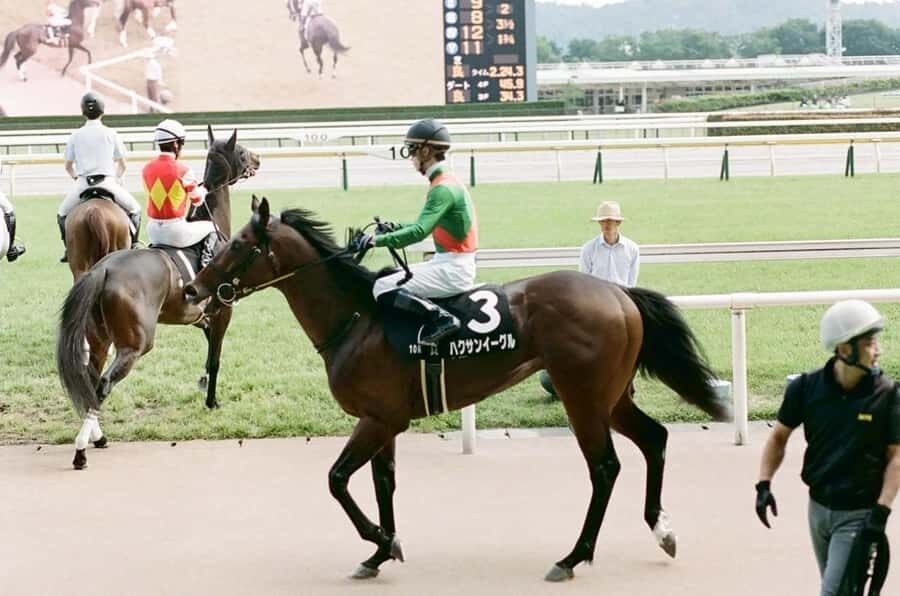
Once the races start, the day becomes about attention and reaction. You’ll watch horses sprint, jockeys push hard, and the crowd respond instantly as results come in.
This is where the tour’s pacing clicks. Because you understand the basics, you’re not stuck waiting for translation. You can enjoy the tension of each race: the split-second decisions, the crowd noise rising and fading, and the moment someone nearby celebrates.
The group setting also helps. Even if you’re watching the race with a wider mix of people, you’re all there for the same reason: to enjoy Japanese racing up close. The betting part adds stake, which makes the viewing feel sharper.
And if luck swings your way, you’ll remember that feeling. If it doesn’t, you still walk away with a clear understanding of how racing culture works in Japan—and that knowledge makes any future race viewing easier.





The food and drinks reality: what’s included vs what you pay
Here’s the balanced truth about the meal part. The experience promises drinks and gourmet Japanese snacks in the overall race-day setting, but it does not include food and drinks as part of the tour price.
So, what should you expect in practice?
- You’ll likely be able to buy snacks and drinks on site as you go.
- The guide can help you navigate what to order and when to take a break, based on what you want to do.
- You should bring extra money beyond the tour cost if you plan to eat properly.
That said, the racecourse environment is made for snacking. If you’re the type who likes to try local comfort foods, this is a fun place to do it. Even simple items become part of the day’s rhythm—something you pair with watching the next race.
Why this tour is better value than trying to go solo
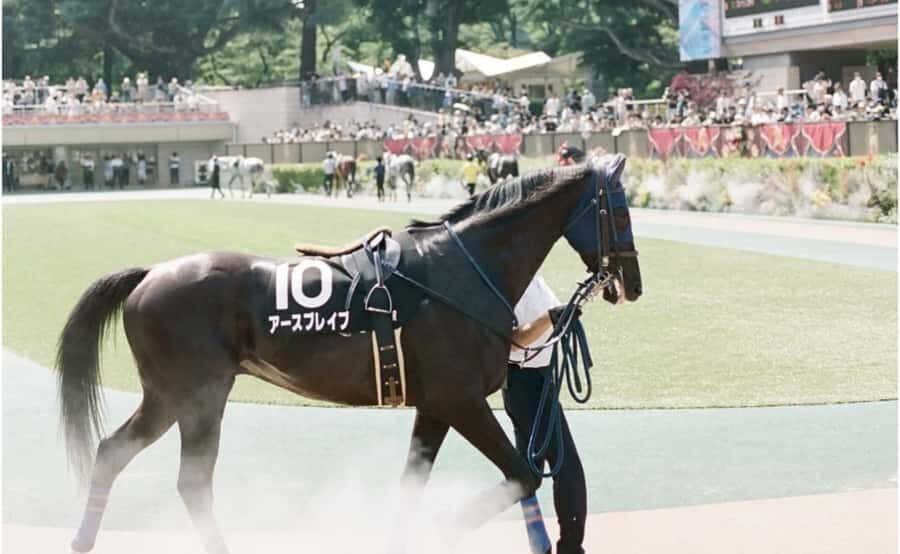
At $60 per person, the price can look low for something that includes admission and ongoing English guidance. The value isn’t just entry. The value is that you don’t waste hours figuring out:
- how to buy the right kind of ticket
- how to enter correctly
- how to interpret betting info fast enough to use it
Without a guide, you can spend the day standing around, watching other people place bets while you try to reverse-engineer what’s happening. This tour trades confusion for clarity.
So when you think about cost, think like this: you’re paying for time saved and stress avoided, plus real support during the part that matters—betting and understanding what you’re seeing.
It’s also a niche experience. You’re in the middle of a Japan-only weekend/weekday habit, not doing a generic entertainment stand-in. That’s why it feels like a different Tokyo day.
What to bring and how to prepare so the day stays fun
Preparation is simple, but it’s not optional.
Bring:
- Cash (in Japanese yen) for betting
Plan for:
- Train tickets are not included, so you’ll need to cover transport to/from the meeting point and racecourse area.
- Food and drinks are not included, so budget for snacks and drinks if you want them.
The other readiness move is mental. Horse racing is fast and detail-heavy, but the tour is designed to keep you comfortable. If you go in with a “learn as we go” mindset, you’ll have a smoother time than if you expect to master everything instantly.
Who this tour suits best (and who should skip it)
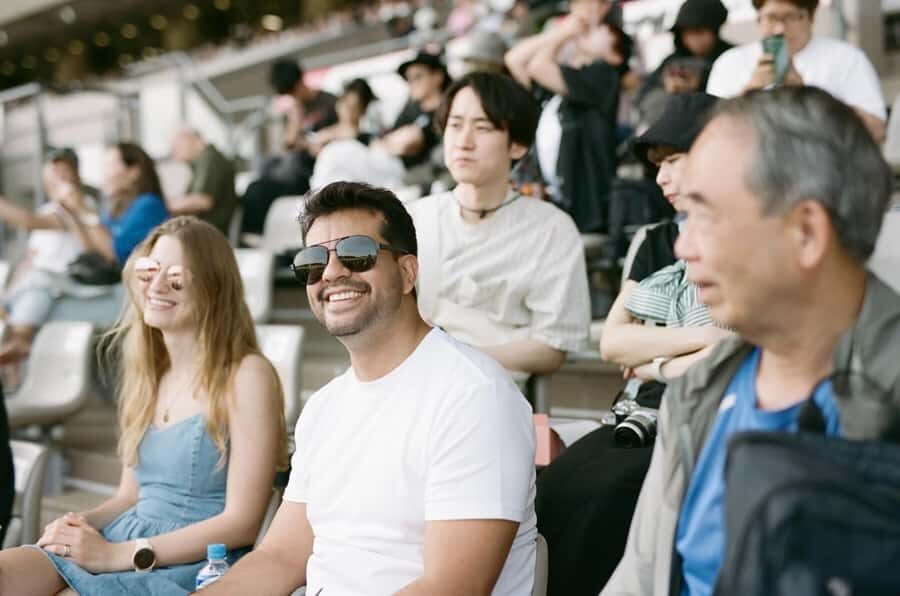
This is a great fit if you want a hands-on local experience. You like practical cultural stuff—real routines, real rules, real people reacting to real outcomes.
It’s also perfect if you’re traveling solo or as a small group and you don’t want to get stuck on translation. The English support is the point.
Consider skipping it if:
- you dislike gambling concepts entirely (even though you can participate lightly)
- you don’t want to manage cash for betting
- you prefer purely self-guided activities and don’t want the “entry only with the guide” setup
If you’re unsure, this is still worth considering for the learning alone. Betting is the hook, but understanding how Japanese race-day culture works is the real payoff.
Final call: should you book this Tokyo horse racing tour?
If you want a Tokyo day that feels genuinely local, with English guidance and real involvement, I’d book it. The combination of admission, reserved seating when available, and hands-on help placing bets is exactly what makes a niche activity manageable.
Skip it only if the betting and cash part sounds like a hassle, or if you’re on a tight budget where even snacks and drinks are off-limits. Otherwise, this is one of those experiences where you leave knowing more than you did when you arrived—and you get to enjoy the noise, the pace, and the culture as it actually happens.
FAQ
What does the tour cost?
The price is $60 per person.
Is the tour ticket the same as admission to the racecourse?
No. Your GetYourGuide voucher is not an admission ticket. The guide provides your reserved seat ticket in person.
Do I need to speak Japanese to understand the races?
No. The tour is led by an English-speaking guide who explains the rules and betting process during the event.
Which racecourse will we visit?
It depends on the date. Weekend tours typically go to Tokyo Racecourse or Nakayama Racecourse. Weekday tours typically go to Oi or Kawasaki Racecourse. The exact venue is shown when you select your tour date during booking.
What should I bring for the tour?
Bring cash in Japanese yen for betting.
Are food and drinks included?
No. Food and drinks are not included, so you can buy your own meals at the racecourse.
Is betting included in the price?
No. Betting amounts are paid individually by participants.