REVIEW · TOKYO
Tokyo: Toshogu Shrine (Nikko Toshogu), Lake Chuzenji, Kegon Falls
Book on Viator →Operated by Scenic Bend · Bookable on Viator
Nikko hits hard in one long day. This tour strings together Nikko Toshogu Shrine, Lake Chuzenji, and Kegon Falls with big view stops along the way. The standout for me is how you get both the ornate Tokugawa story at Toshogu and the sweeping scenery from Nikko’s top observation area. One drawback to consider: meeting your guide can feel chaotic in busy tourist zones, with little to signal who’s in charge.
You’ll ride a tight loop through the Nikko Mountains, then spend short, focused chunks at each must-see. It’s also built to be family-friendly and efficient, with tickets handled and a max group size of 15. Just go in with your eyes open for crowd timing—especially around the shrine.
In This Review
- Key things you’ll notice on this Nikko loop
- Entering Nikko Toshogu Shrine: Tokugawa carvings and gate symbolism
- The Iroha Mountain Road drive: 48 turns to Lake Chuzenji
- Akechidaira Observation Area: cable car to the 1,373m viewpoint
- Lake Chuzenji: a “four-season” lake with serious photo power
- Kegon Falls: the 99m drop and the big waterfall feel
- Price and logistics: what $105.99 buys you (and what it won’t)
- Getting organized with the guide: how to avoid the common confusion
- Who should book this Nikko day trip?
- Should you book this Nikko day trip from Tokyo?
- FAQ
- What is included in the tour price?
- Are admission tickets included for all the stops?
- How long is the trip and how much time do I get at each place?
- What days does the tour run?
- How big are the groups?
- Is this tour good for families or children?
- Do I need to carry anything special with me during the tour?
- Can I bring luggage?
- Where will I meet the group?
Key things you’ll notice on this Nikko loop
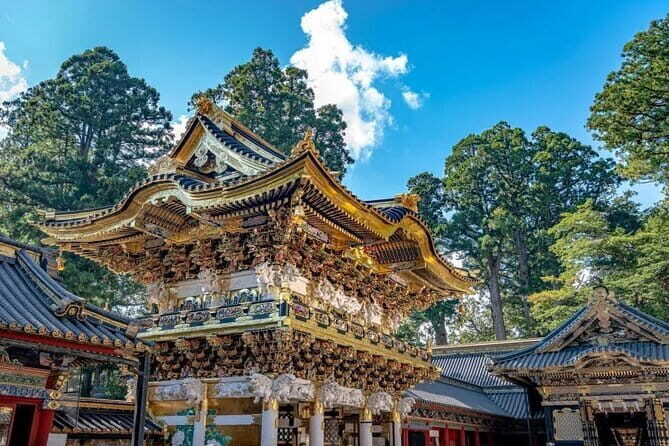
- Nikko Toshogu Shrine is a UNESCO site tied to Tokugawa Ieyasu, with iconic Mingyang Gate and Tang Gate details
- Akechidaira Observation Area puts you above the lake via a short cable ride to a 1,373m viewpoint
- Iroha Mountain Road is a scenic drive highlight: 15.8 km of road with 48 turns
- Lake Chuzenji rewards every season with azaleas, summer green, autumn reds, and winter scenery
- Kegon Falls is the main waterfall stop at a dramatic 99m drop, with a 700m water story behind it
- Group size stays small-ish (max 15), but tour timing can still mean crowd overlap
Entering Nikko Toshogu Shrine: Tokugawa carvings and gate symbolism
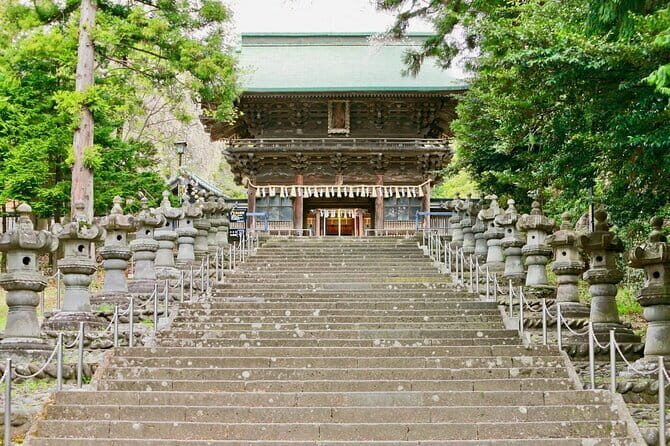
Your day starts at Nikko Toshogu Shrine, the headquarters shrine complex in Nikko. The shrine honors Tosho Ogongen, which connects directly to Tokugawa Ieyasu, the first shogun of the Edo shogunate. If you like meaningful details, this place is built for that: you’re not just looking at buildings, you’re reading a story through design.
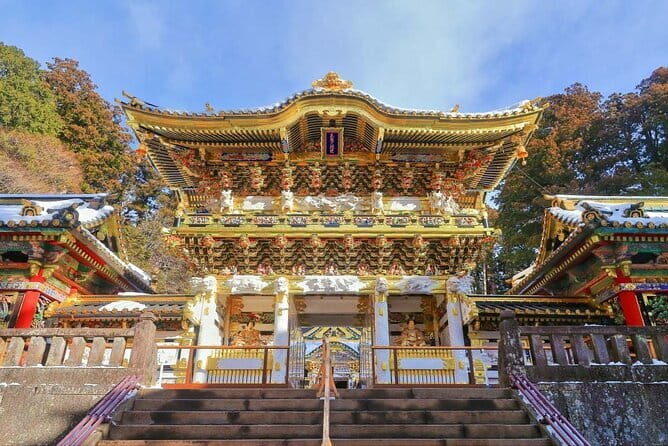
What makes Toshogu special is the look and feel of the craftsmanship. The shrine is set against the mountains, so it feels like it grew out of the terrain instead of being dropped into a flat city grid. The architecture leans heavily into symbolic gates—especially the Japanese-style Mingyang Gate and the Chinese-style Tang Gate. Even if you don’t read Japanese, you can still sense what’s going on: different cultural design cues placed side by side as part of the shrine’s identity.
Timing here is simple and a bit intense: you get about 2 hours, and the admission ticket is free in the tour’s setup. That’s enough to see the major features, but it’s not enough to “slow stroll and study every carving” for hours. Think of this as a strong first hit that orients you for the rest of Nikko’s nature.
Practical note: if you’re sensitive to crowds, plan to move with purpose. The shrine area is popular, and mornings can be packed. Your best strategy is to pick what you want most—gates and main structures—then circle outward if you still have energy.
You can also read our reviews of more tours and experiences in Tokyo.



The Iroha Mountain Road drive: 48 turns to Lake Chuzenji
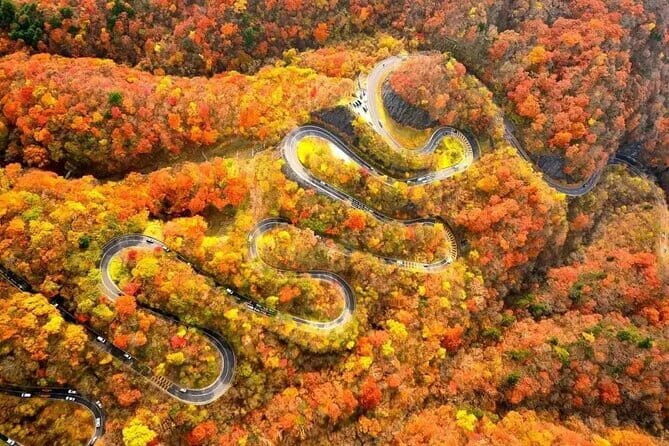
After Toshogu, you transition from shrine architecture to mountain road theatre. The stop tied to this segment is Iroha Mountain Road, one of Japan’s Top 100 Roads. The facts are specific and helpful: it’s 15.8 kilometers between Nikko City and the Lake Chuzenji / Oku-Nikko area, with 48 turns along the route.
That turn count matters, because it changes how you experience the day. You’re not in a straight highway rhythm; you’re in a twisting road where views appear in bursts. If the weather is clear, you’ll get frequent glimpses of the changing elevations, which makes the drive feel like part of the sightseeing rather than just transit.
This route also connects to one of the tour’s key view moments. The day later includes an observation area where you can see down toward the lake and the waterfalls region. So the road sets the stage: you’re already climbing into Nikko’s high scenery, which makes the observation deck feel like a reward instead of a random viewpoint.
One consideration: mountain roads can be slower than you expect in real traffic, plus the tour keeps an overall schedule. That’s why the tour structure (short stays, timed viewpoints) feels important here. You’ll want to keep your expectations aligned with a day-trip pace.
Akechidaira Observation Area: cable car to the 1,373m viewpoint
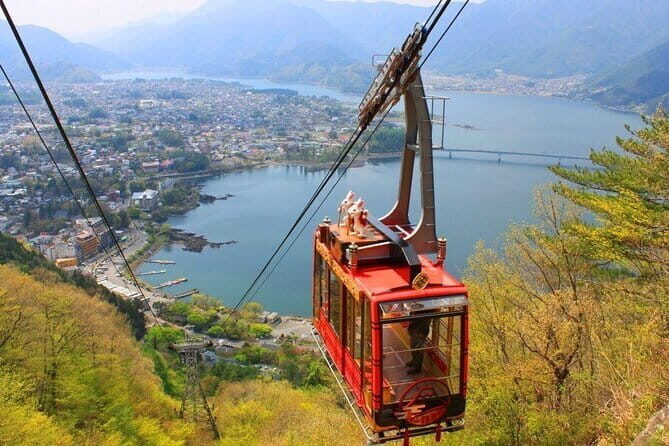
If you want one place to justify the whole day, it’s Akechidaira Observation Area. This is described as the most popular observatory in the Nikko area, and the reason is straightforward: you get a clean line of sight over Lake Chuzenji and views toward the Huayan Waterfall area.
The tour includes the key mechanism: a cable car ride (about 3 minutes) to reach an altitude of 1,373 meters. That quick lift is a huge time saver. You don’t have to work for the elevation, and you still get that above-the-trees, wide-angle sensation you want on a Nikko day trip.
There’s also a bonus visual from the east side of the observatory. You can see Pingfeng Rock, described as a series of continuous cliffs, plus rolling mountains in the distance. Even if you’re taking photos, this kind of view is about layers: foreground features, midground water, and background ridgelines.
Time here is about 1 hour, and the admission is included. That hour is also what makes the stop work for different travel styles: if you’re photo-focused, you’ll have time for multiple angles. If you’re just trying to breathe the air and take it in, you can watch the light shift over the water without feeling rushed into a fast exit.
Crowd check: observation areas can get busy because they’re the easiest payoff point. So if you care about getting photos without people everywhere, arrive with a plan—move early, choose a spot, and then let the crowd thin slightly before you switch viewpoints.
Lake Chuzenji: a “four-season” lake with serious photo power
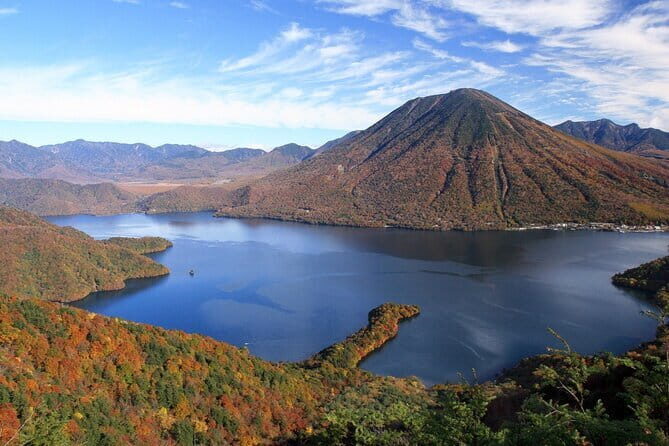
Next comes Lake Chuzenji, described as the highest natural lake in Japan. It’s a classic Japanese scenery lake, and the tour gives you the seasonal clues you need:
- Spring brings azaleas
- Summer brings green trees
- Autumn brings red leaves
- Winter can bring snow scenery
Even if you’re visiting outside peak season, the value here is that Lake Chuzenji changes its “mood” dramatically through the year. That’s why the lake is popular with camera people. The scenery isn’t just attractive; it’s also photogenic in different ways depending on season and weather.
The tour schedules about 1 hour at Lake Chuzenji, with admission included. One practical advantage of having a fixed time box: you don’t get stuck feeling obligated to walk every path. You can decide quickly—viewpoint, lakeside photos, then back on the road.
A small caution: because it’s popular in spring and autumn, you can expect dense visitor flow during those times. The trick is to treat the lake like a highlight stop, not a full-day hike. You’ll likely enjoy it more if you keep moving toward the best viewing angles first.
Kegon Falls: the 99m drop and the big waterfall feel
The day’s waterfall moment is Kegon Falls, one of Japan’s famous three waterfalls. The tour doesn’t just tell you it’s pretty—it gives you enough physical context to appreciate the scale.
Here’s the setup: water flows from Chuzenji Lake into the Ojiri River at the eastern end, crosses Mount Nantai, and then drops down from about 700 meters to form the main waterfall. The main part is a 99-meter drop. That distinction matters. When you stand there, you’re not just looking at a single vertical fall—you’re seeing the end result of a long downhill path.
The description also mentions the upper rock protruding forward and 12 smaller waterfalls spilling out of rock gaps. That means it’s not one smooth sheet of water. You get texture, multiple strands, and a sense of the falls working differently across the width of the cliff.
Timing is short—about 30 minutes—and admission is free in this tour’s structure. That’s common for waterfall stops. You get the key experience: stand back far enough for the full view, then move closer if conditions allow and if the area is not too crowded.
Autumn gets special mention in the tour info: red leaves around the falls can blanket the whole setting. Even if you’re not visiting in peak autumn, you can still enjoy Kegon Falls for its clean, dramatic shape and the classic Nikko National Park scenery feel.






Price and logistics: what $105.99 buys you (and what it won’t)
At $105.99 per person, this is a mid-priced day trip that trades cost for convenience: one vehicle, a planned route, and tickets handled at least for the stops where admissions are included or free.
Here’s what you’re really paying for:
- Door-to-area transport within a tight timeline
- A structured loop through three major Nikko “big name” sites
- Included admissions at Akechidaira Observation Area and Lake Chuzenji (and free admission at Nikko Toshogu and Kegon Falls in the tour’s framing)
- A small cap of 15 travelers, which is better than the mass-tour feeling
What you’re not getting:
- Time to linger deeply at every single detail
- A guarantee of calm crowds (Nikko is popular, period)
- A full meal plan (meals are not included, and lunch time is part of the remaining schedule)
Also note the day length: about 11 hours total. That aligns with the included driver service time limit (within 10 hours by Japanese law) plus travel time and lunch. In other words, you won’t have a long free-form stretch. Plan to treat it as a “great hits” day.
If you’re budgeting, this can be good value compared to piecing together all transport and entry costs yourself—especially if you’d rather not deal with switching buses or routing around mountain areas.
Getting organized with the guide: how to avoid the common confusion
One of the main concerns that comes up with this kind of Nikko day trip is simple: in crowded spots, it can be hard to identify your guide fast. In the experience you’re describing, the guide won’t come calling to you, and meeting details are handled by email the night before.
So here’s how you set yourself up:
- Be at the meeting point a bit early. Don’t show up right on the minute.
- Use the departure reminder email details (vehicle registration number, guide contact info, and pick-up time) to orient quickly.
- If you’re picked up at a hotel, wait at the front of the hotel, not inside the room. Many hotels can’t park for long.
Also, because this tour is listed as near public transportation, you should be able to meet the group even if hotel pickup is a little tricky. But the key is still the same: get your bearings early, because the best “smooth day” starts before you ever see the shrine gates.
One more item I take seriously: carry your passport and valuables with you during the tour. The tour info explicitly asks you to keep them safe, since you’re responsible if something is lost or stolen.
Who should book this Nikko day trip?
This is a great fit for:
- Families with children who want the big highlights without managing transfers
- Adventure seekers who enjoy scenery, scenic drives, and viewpoint stops
- First-time Nikko visitors who want to cover Toshogu + the lake + a signature waterfall in one day
- People who like guided structure and don’t want to plan each stop timing by themselves
It may not be ideal if you:
- Want a relaxed, slow travel rhythm
- Get frustrated by crowded meeting points
- Have mobility limits that make cable rides and short walks hard (the tour does include a short cable car ride, and sites are outdoor)
Group size helps—max 15 travelers—but it doesn’t eliminate crowds at the shrine and viewpoints. Nikko is popular by design.
Should you book this Nikko day trip from Tokyo?
If your goal is to see Nikko Toshogu Shrine, take in the Akechidaira lake-and-falls viewpoint, and stand at Kegon Falls all in one day, this tour is a strong choice. The structure is efficient, the included sightseeing is real, and the price feels reasonable for the convenience.
I’d book it if you’re the type who likes a well-paced highlight itinerary and you can handle busy tourist areas for a few hours at a time. I’d think twice if you hate crowds or you need extra time to linger. In that case, you might prefer a more flexible plan—because this trip is built for momentum.
FAQ
What is included in the tour price?
The tour includes vehicle service fees listed in the itinerary, vehicle fuel costs, tolls and highway tolls, driver service fee, and vehicle service time within 10 hours. It also states that children under 3 are free of charge without occupying a seat.
Are admission tickets included for all the stops?
Not all stops are the same. The itinerary indicates admission is free for Nikko Toshogu Shrine and Kegon Falls. Akechidaira Observation Area and Lake Chuzenji have admission ticket included.
How long is the trip and how much time do I get at each place?
The tour duration is about 11 hours. Scheduled time at stops is listed as 2 hours at Nikko Toshogu, 1 hour at Akechidaira Observation Area, 1 hour at Lake Chuzenji, and 30 minutes at Kegon Falls. Remaining time covers travel and lunch.
What days does the tour run?
Departures are on Tuesdays and Saturdays, with a minimum of 4 people.
How big are the groups?
The tour has a maximum of 15 travelers.
Is this tour good for families or children?
It’s described as suitable for most travelers, and children under 3 are free of charge without occupying a seat.
Do I need to carry anything special with me during the tour?
The tour info asks you to carry your passport and valuables with you and keep them safe during the trip.
Can I bring luggage?
It’s a one-day trip and not recommended to carry luggage. If you need luggage, you must register clearly when booking. The info says 1 luggage is allowed per person, and an extra 100 yuan per piece may be charged if you fail to note it or if there is more than 1 piece per guest.
Where will I meet the group?
The info says you’ll receive a departure reminder email the night before with pick-up time and details. It also notes the meeting point is tied to a specified location and that many hotels cannot park for a long time, so if picked up by hotel, you should wait at the front of the hotel.