REVIEW · TOKYO
Celebrate Unique Japanese New Year Tradition Culture Festivity
Book on Viator →Operated by OMAKASE · Bookable on Viator
Foxes, lanterns, and sake for a Tokyo New Year. Oji’s New Year legend feels oddly personal here, with Oji Inari Shrine folklore brought to life through the Oji Fox Pageant. I like the hands-on pacing: you get sake served in hinoki cypress masu cups and a chance to learn how sake is made before the big procession. One thing to keep in mind is that shrine areas and the procession route can feel crowded, so you’ll want to follow your group flow and keep your voice down.
You start the day at the JR Ōji Station north entrance, then head out for a guided walk to three local shrines. I like that this isn’t just a show-first plan; it gives context for why the fox legend matters right where it’s rooted. The potential drawback: with three shrine stops packed into about three hours, you’ll be moving at a steady pace rather than lingering.
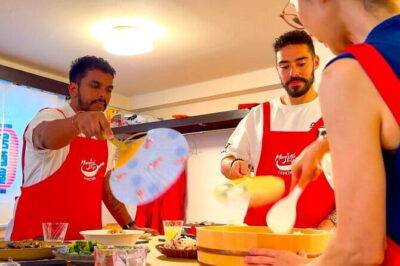
Then comes the part most people remember: an evening at a cozy izakaya built around sake culture and food pairings. You’ll meet a sake specialist for a sake-brewing talk, do a tasting, and keep the drinks flowing; adults get free-flow sake and beer (soft drinks too), while the finale takes you to the fox procession starting point for traditional dances, including the lion dance. If you don’t drink, you can still participate with soft drinks, but the schedule really centers on the drinking-and-snacking rhythm.
In This Review
- Key highlights to know before you go
- Oji’s Fox Pageant: a New Year story you can actually walk through
- Meeting at JR Ōji Station and the 3-hour timing reality
- The three shrine visits: where the folklore gets grounded
- Izakaya time with free-flow sake: the hinoki masu moment
- Sake brewing lesson + tasting: how to turn alcohol into knowledge
- From izakaya to the finale: fox procession starting point and lion dance
- Crowd etiquette: when group scale can make or break the experience
- Value for $106.74: what’s included and why it can be fair
- Weather matters: a festival tour that can change with the sky
- Who should book this Oji Fox Pageant tour?
- Should you book this tour or not?
- FAQ
- Where is the meeting point?
- What time does the tour start?
- How long is the tour?
- How much does it cost?
- Is the ticket mobile?
- What will I do during the tour?
- What drinks are included?
- Is there a sake learning component?
- What food is included?
- What happens if the weather is bad?
- What is the cancellation window?
Key highlights to know before you go
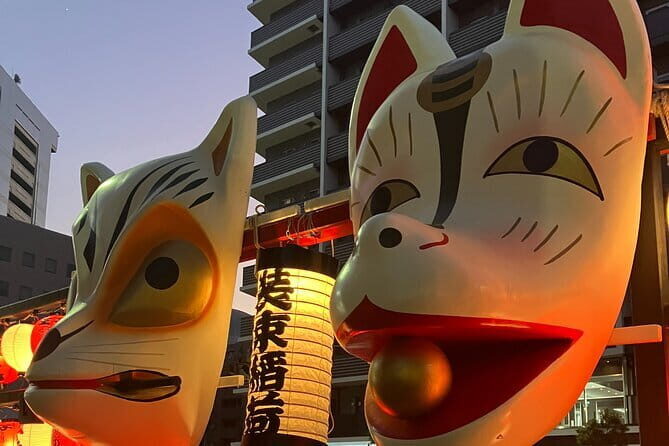
- Oji Fox folklore at Oji Inari Shrine: fox legends tied to New Year’s Eve and local tradition
- Three shrine visits with a Japanese host: context first, show second
- Hinoki masu sake service: sake in aromatic cypress cups, not a plastic cup situation
- Sake sommelier-style brewing lesson + tasting: you’ll learn and then try
- Food pairings with your tasting: edamame, fried chicken, French fries, and more snacks
- Fox procession finale with traditional dances: including the lion dance
Oji’s Fox Pageant: a New Year story you can actually walk through
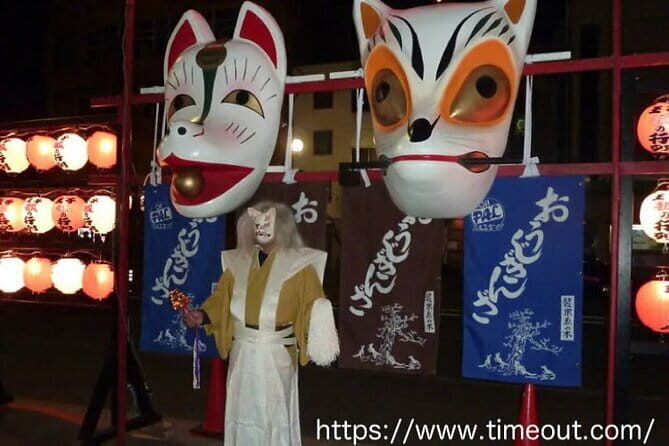
Tokyo’s New Year energy isn’t one single thing. It’s shrines, prayers, family time, and street performances all stacked in the same few days. This tour leans into one very specific thread: the Oji fox folklore connected to Oji Inari Shrine.
What makes this feel more than a generic festival stop is the way the story is framed. The fox legend ties back to regional lore and even appears in ukiyo-e artwork, which helps explain why locals created the Oji Fox Pageant. On New Year’s Eve, the event draws more than 200 participants, with yellow lanterns symbolizing foxfires. People wear kimonos and fox masks or fox-style makeup, and the whole thing culminates in a lively procession.
For you, that means you’re not just watching costumes. You’re getting the “why” behind the costumes—before you arrive at the most dramatic moments.
You can also read our reviews of more tours and experiences in Tokyo.



Meeting at JR Ōji Station and the 3-hour timing reality
The plan begins at 8:30 am at the north entrance of JR Ōji Station. The tour runs for about three hours, and it’s designed to keep you moving: shrine context, then food and sake, then the procession starting point.
This compact timing is both good and demanding. Good, because you’ll still see the festival’s key beats without spending an entire day in transit. Demanding, because you should treat this as a guided event, not a free-roam wander.
Also note the practical setup:
- You’ll use a mobile ticket.
- The meeting point is near public transportation, so you won’t need a taxi adventure.
- The tour is capped at up to 30 travelers, which is still enough people to create a group bubble on sidewalks.
The three shrine visits: where the folklore gets grounded

One of the most valuable parts of this tour is the three local shrines visit with a Japanese host. This is where the fox pageant stops being a street spectacle and starts feeling like a New Year practice.
Even without getting lost in details, shrine visits teach you the rhythm of the place: the pace of walking, the respectful spacing, and the idea that this tradition is tied to local community behavior, not just tourism photos.
Here’s what to do so you get the most out of it:
- Keep your phone quiet and your movement smooth in tighter areas.
- Follow your host’s timing rather than trying to “optimize” your own stops.
- Expect the group to pass through shared space with other visitors—don’t treat the shrine grounds like an empty stage.
Potential drawback to plan for: shrine areas and the festival route are the heart of the event, which means crowd pressure is real. If you’re the type who wants long, slow, quiet contemplation, you may have to compromise. The tour is built for the full arc, not solo meditation.
Izakaya time with free-flow sake: the hinoki masu moment
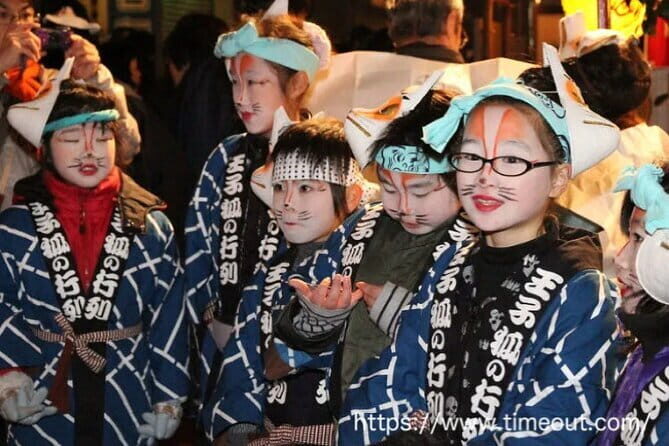
After the shrine sequence, you head to a cozy izakaya for the meal-and-drink portion. The selling point here is not just that sake is included—it’s how it’s presented.
You’ll get sake served in hinoki cypress masu cups, which matters more than it sounds. Those cups are aromatic, and they add a sensory layer to the tasting. It’s a small detail, but New Year food and drink experiences in Japan often hinge on these “little” things.
The included drinks are straightforward:
- Adults: free-flow sake and beer (plus soft drinks are also available)
- Under drinking age: soft drinks instead
Then there’s the education piece. You’ll learn about sake brewing from a sake sommelier, which sets up the tasting so it’s not random samples. Even if you’re not a sake nerd, you’ll likely pick up enough to recognize that different sake styles can taste different in aroma and texture.
And yes, you’ll get a toast: say Kanpai (cheers) with the group.
Sake brewing lesson + tasting: how to turn alcohol into knowledge
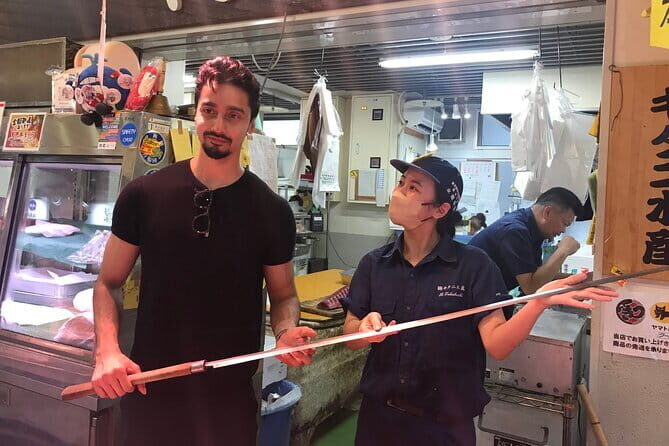
This is where the tour earns its value for money. Free-flow drinks alone can feel like a gimmick on some tours. Here, the drink is paired with a brewing lesson, plus a structured tasting.
You’ll do a sake tasting with snacks—specifically noted as 5 kinds of snacks. That matters because sake is easier to understand when you can taste while switching flavors on your tongue, not just taking sip after sip.
What you’ll eat includes items like:
- Edamame (green soybeans)
- Fried chicken
- French fries
…and other snacks in the same spirit.
Practical tip: pace your sips. In Japan, “free-flow” often means you’ll be topped up, but that doesn’t mean you should polish off every cup immediately. If you want to actually taste and learn, keep a steady rhythm.






From izakaya to the finale: fox procession starting point and lion dance
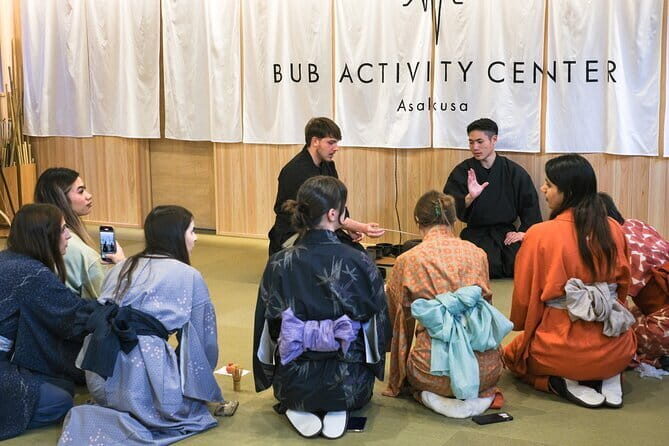
The day’s climax is the moment you head out to the starting point of the fox procession. The tour then brings you into the festival’s big performance block, including traditional dances such as the lion dance.
This part is less about tasting and more about presence. The fox pageant isn’t just costumes—it’s movement, music, and group energy. Being taken to a starting point helps because you’re not hunting for where the action will build.
A key reality check: the procession and dance moments attract attention from everyone nearby. Plan to:
- Stay close to your meeting area so you don’t get separated when crowds tighten.
- Watch the host’s instructions for when to move and when to stop.
- Keep your group respectful around performance space, since you’ll be walking through the same areas locals and participants use.
Crowd etiquette: when group scale can make or break the experience

I’ll be blunt in a helpful way: even when a tour is capped at a certain size, big festivals can still feel too wide for shrine spaces. That’s not a reason to skip—Oji’s fox event is meant to be seen at full volume—but it is a reason to go in with the right expectations.
If you care about quiet, unhurried shrine time, this won’t be that kind of tour. You’ll be guided through sacred areas while managing a group. The best strategy is simple: don’t linger where others need space, and don’t block photo lines or narrow paths.
If you show common courtesy—head up, voice low, movement deliberate—you’ll come away feeling like you participated, not like you took over.
Value for $106.74: what’s included and why it can be fair
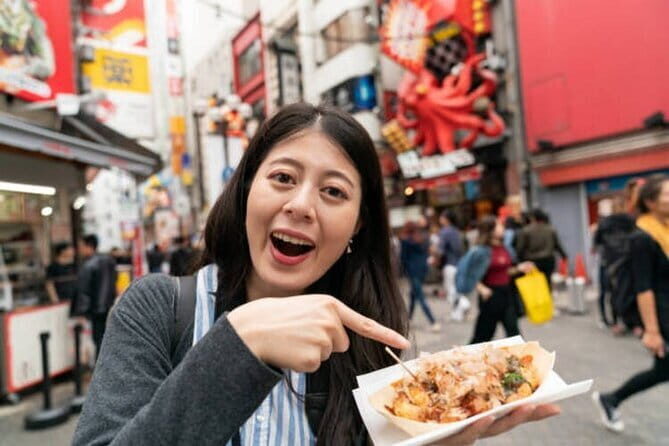
At $106.74 per person for about three hours, this tour isn’t cheap, but it’s not random either. You’re paying for a full package that includes:
- Guided visits to three local shrines
- A sake brewing learning segment with a sake professional
- A sake tasting paired with five kinds of snacks
- All-you-can-drink beverages for adults (sake and beer) plus soft drinks
- Help getting to the fox procession starting point
- A chance to watch traditional dances, including the lion dance
- A mobile ticket setup
So the value math depends on you. If you enjoy learning about Japanese food and drink culture and you’re happy to drink within reason, the included tasting and lesson can justify the price quickly.
If you’re only interested in the parade and you don’t plan to drink, you may find the cost harder to swallow. You’ll still have soft drinks, but the structure is clearly built around sake and pairing snacks.
Booking tends to happen about six days in advance on average, which suggests this sells in advance when people plan around the New Year schedule. If you’re set on going, don’t wait until the last minute.
Weather matters: a festival tour that can change with the sky
This experience requires good weather. If conditions are poor, you’ll be offered a different date or a full refund.
Plan for variability. If you’re traveling during a New Year period, you’re already facing crowds and winter conditions. Bring layers and expect the day to be “outdoors plus brief indoor breaks,” because that’s how festival days work.
Who should book this Oji Fox Pageant tour?
This tour is a strong match if you:
- Want a New Year experience that blends folklore, shrines, and performance
- Enjoy food-and-drink culture, especially sake
- Like guided context more than wandering and guessing
- Don’t mind a moderate group dynamic during busy festival moments
It may not be ideal if you:
- Want a quiet, slow shrine visit where you can sit and reflect without moving
- Are not interested in sake or snack pairings
- Get stressed by crowds, even when the tour keeps you moving
Should you book this tour or not?
I’d book it if you’re the type who likes your Tokyo experiences with a story attached—shrines first, then sake learning and tasting, then the fox parade finale with the lion dance. The hinoki masu detail and the brewing lesson are the kind of touches that make this more memorable than a simple group walk.
Skip it if your priority is a low-key, independent shrine day. This is timed, group-led, and built around festival action and drinking culture. And because festival spaces can get tight, you’ll have the best time if you treat it like a respectful, moving part of the event—not your private viewing area.
FAQ
Where is the meeting point?
Meet at the north entrance of JR Ōji Station, at 1-chōme-10-18 Ōji, Kita City, Tokyo 114-0002, Japan.
What time does the tour start?
It starts at 8:30 am.
How long is the tour?
The duration is about 3 hours.
How much does it cost?
The price is $106.74 per person.
Is the ticket mobile?
Yes, you’ll receive a mobile ticket.
What will I do during the tour?
You’ll visit 3 local shrines with a host, then go to an izakaya for sake and snacks, and finally be taken to the starting point of the fox procession to watch traditional dances, including the lion dance.
What drinks are included?
For adults, it’s free-flow sake and beer (plus soft drinks). Soft drinks are included as well for under drinking age customers.
Is there a sake learning component?
Yes. You’ll learn about sake brewing from a sake sommelier and then take part in a sake tasting.
What food is included?
Snacks such as edamame, fried chicken, French fries, and other snacks are included.
What happens if the weather is bad?
This experience requires good weather. If it’s canceled due to poor weather, you’ll be offered a different date or a full refund.
What is the cancellation window?
You can cancel up to 24 hours in advance for a full refund. If you cancel less than 24 hours before the start time, the amount you paid won’t be refunded.