REVIEW · TOKYO
Tokyo Night Cooking Class: 5 Home-Cooked Japanese Dishes
Book on Viator →Operated by MagicalTrip Inc. · Bookable on Viator
Tokyo tastes different after dark. This small-group evening class teaches you izakaya comfort food you’ll recognize from late-night places in Japan, with a hands-on format and a meal that actually fills you up. I especially like the multi-course approach: you don’t just watch or sample a bite, you make the dishes and get to enjoy them.
Two things I really like are the chance to cook classic items like sushi rolls, chicken balls with shiso, and eggplant with miso—and the way the included drinks help turn cooking into a true nomikai-style dinner. One thing to consider: it’s not set up for vegan or gluten-free diets, and alcohol/sake is limited by age.
In This Review
- Key highlights before you go
- From Shitaya to the Kitchen: How the Night Starts
- Shopping for Ingredients, the Tokyo Way
- Cooking Five Izakaya Dishes (Then Eating Them Right Away)
- How dietary changes affect the menu
- Drinks and Sake Pairing: What the Three Cans Actually Do
- Guides Who Make Step-by-Step Cooking Feel Easy: Alice and Fuji
- Price and Value for $79.28: What You’re Really Paying For
- Who This Tokyo Night Cooking Class Fits Best
- Age and cooking rules you should know
- When you should skip it
- Tips to Get More Out of Your 5:30 pm Class
- Should You Book This Tokyo Night Cooking Class?
- FAQ
- How long is the Tokyo night cooking class?
- Where is the meeting point?
- What time does the class start?
- What’s included in the price?
- Are drinks like sake included?
- Is the class suitable for vegetarians?
- Is it available for vegan or gluten-free diets?
- What age is required to join?
- How many dishes will you make?
Key highlights before you go
- Shop for ingredients on the way, then cook with what you chose
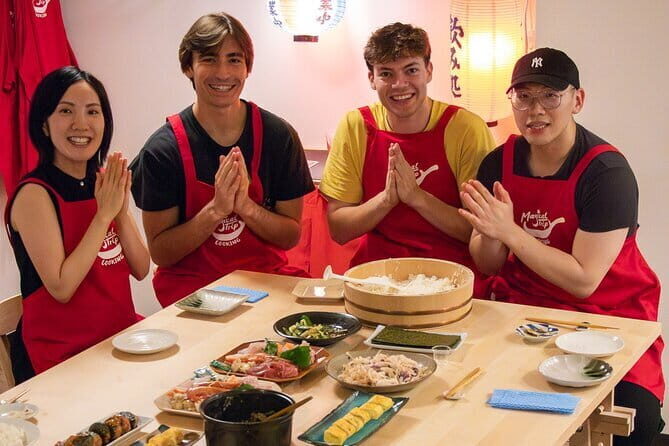
- Cook-and-eat five izakaya dishes in one night, not a single demo dish
- Three included drinks fit right into the izakaya vibe
- Guides matter here: Alice and Fuji are credited with clear step-by-step teaching
- Small group size (max 7) keeps the class from feeling rushed
- Vegetarian options are arranged, but vegan/gluten-free aren’t available
From Shitaya to the Kitchen: How the Night Starts
This class starts at 5:30 pm in Tokyo’s Taito City area, at a FamilyMart near Shitaya (Japan, 110-0004 Tokyo, Taito City, Shitaya, 2-chōme). The activity runs for about 3 hours, and you finish back near the meeting point.
That start time is part of the magic. Late afternoon in Tokyo is a gray zone where you might still have energy to wander, but you’re also starting to feel hungry. A cooking class at this hour gives you a plan: you arrive, get organized, cook, and then sit down to eat what you made.
You’ll also want to plan for a bit of walking. The tour isn’t recommended for people with mobility issues, so if getting around is tough for you, a private option may suit better. That said, it is near public transportation, so you shouldn’t need complicated logistics to get there.
You can also read our reviews of more cooking classes in Tokyo


Shopping for Ingredients, the Tokyo Way
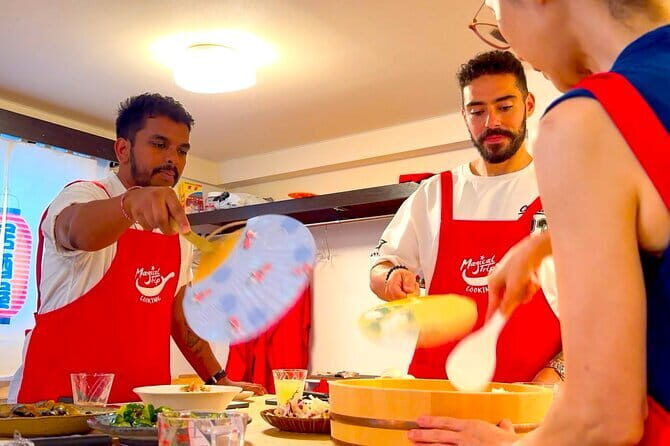
One of the best parts of this experience is that you’re not only cooking—you’re also doing a shopping experience with your group. Even if you’ve cooked at home before, there’s something satisfying about selecting ingredients with the purpose of turning them into real izakaya food.
And yes, it’s the kind of step that helps you understand the why behind Japanese flavors. When you pick ingredients, you pay attention. You notice textures, smells, and how Japanese staples work together. That makes the recipes easier to repeat later, which is a big deal if you’re hoping to bring something home that actually sticks.
You’ll also get tour photos as part of the package. They’re useful if you want a memory of the night without turning the whole evening into a camera session.
Practical note: if you’re picky about certain foods, this is the moment to speak up. The menu is generally designed for a set of dishes, but the class does mention that substitutions and dietary accommodations may not always be possible in every kitchen stop.
Cooking Five Izakaya Dishes (Then Eating Them Right Away)
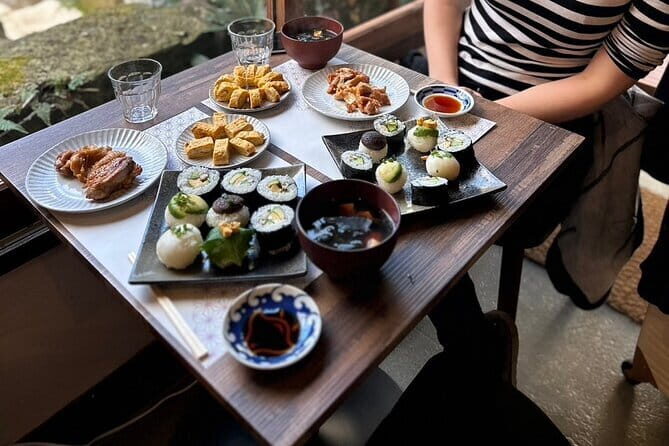
This is a multi-course cooking class built around the small plates feel of an izakaya. Instead of one dish, you learn several, then you eat everything you make. That last part matters more than people think. A lot of classes end with you leaving hungry or just getting a couple bites. Here, the promise is clear: you’ll have enough to eat, and you’re eating your own work.
The menu can include classics such as:
- Sushi rolls
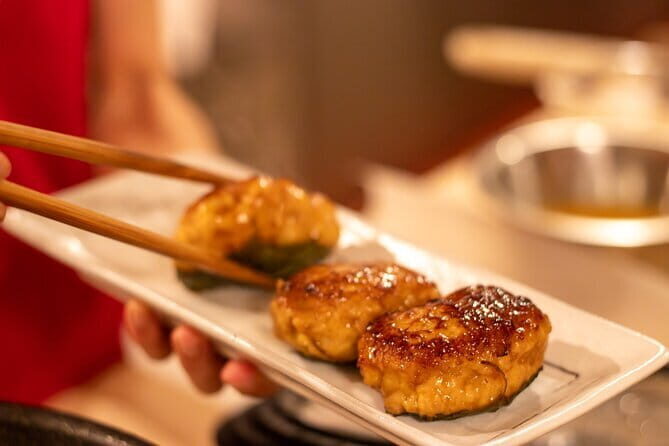
- Chicken balls with shiso leaves
- Eggplant with miso sauce
- Teriyaki chicken
- Japanese omelette
The exact mix can depend on dietary needs, but the goal is consistent: build comfort-food dishes that fit Japanese evening drinking culture. You’re not learning abstract “chef skills.” You’re learning flavors and techniques you can reuse.
How dietary changes affect the menu
Vegetarians are welcome, and the class says they arrange ingredients and the cooking process. If you can’t eat meat and eggs, the menu drops from five dishes to three. If you can eat meat but not eggs, it drops from five to four.
Also keep this in mind:
- It’s not available for vegan and gluten-free participants.
- Allergy-free cooking isn’t guaranteed, because the dishes are prepared in kitchens that do not belong to the operator. Substitutions may not be possible every time, even if they try to compensate at other stops.
So if you have serious allergies, you’ll want to read your own risk tolerance carefully and ask questions before booking.
Drinks and Sake Pairing: What the Three Cans Actually Do
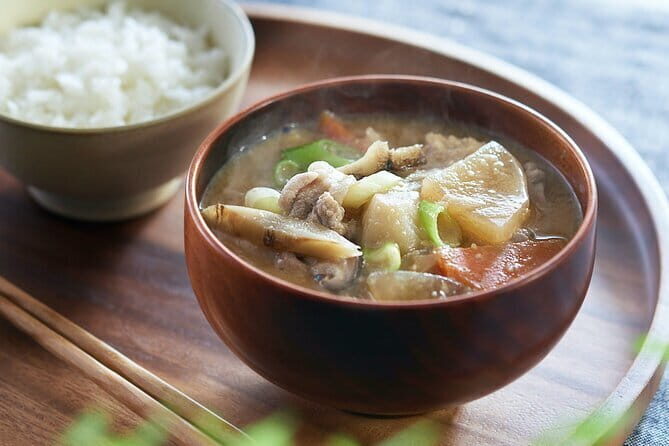
Cooking is only half the experience. The other half is the nomikai-style dinner vibe, supported by included drinks.
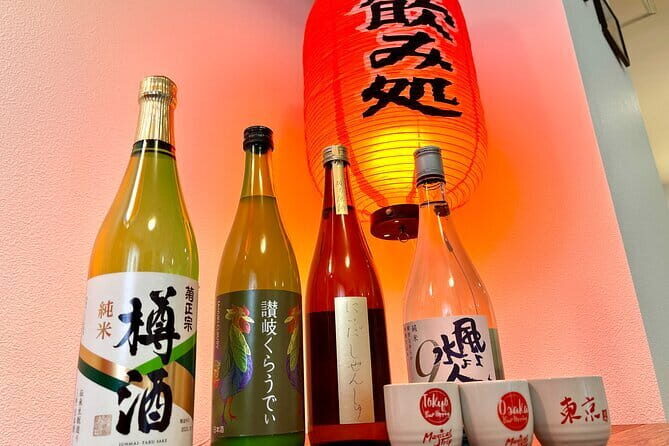
The package includes three cans of alcoholic or soft drinks. Depending on age and what’s available for your session, you may get choices like sake or beer, and the class description also frames this as pairing small plates with sake, beer, or other drinks.
There’s a clear age rule:
- Sake tasting and alcoholic beverages are only available to guests aged 20 and over.
- If you’re under that age, you’ll still get included drinks, but they’ll be soft drinks.
This is where the “izakaya” theme becomes real. The class isn’t treating drinks as a random add-on. It’s pairing drinks with the food you’re making, so the evening feels like a Japanese night out rather than a kitchen workshop.
If you’re the type who likes explaining what you ate to friends later, this setup makes it easier. You’ll remember the food-drink pairing, not just the recipe.
You can also read our reviews of more evening experiences in Tokyo



Guides Who Make Step-by-Step Cooking Feel Easy: Alice and Fuji
A cooking class can be either intimidating or fun, depending on the guide. This one tends to win people over because the teaching style is practical and friendly.
In the feedback I saw, Alice is praised for making the experience enjoyable and turning the night into family fun, with clear guidance while everyone cooks. Fuji is also mentioned for explaining every step and helping people pick up recipes that are easy to reproduce later.
That matters for beginners. You don’t just get ingredients and a vague cooking outline. You get instructions that break cooking into manageable parts, which helps you avoid that common problem: standing at a station, feeling behind, and quietly hoping someone else finishes first.
It also helps experienced cooks. If you already know how to cook, you’ll appreciate learning how these specific Japanese flavor combos work, such as miso-based sauces or seasonings paired with shiso.
Price and Value for $79.28: What You’re Really Paying For
At $79.28 per person, this class costs less than you might expect if you tried to copy the experience at home or build a similar evening around shopping + ingredients + a full meal.
Here’s what the price covers:
- Cooking experience & dinner
- Ingredients
- A certified guide by MagicalTrip
- Shopping experience
- Tour photos
- 3 cans of alcoholic or soft drinks
So you’re paying for more than “a recipe.” You’re paying for a guided, structured night where:
- you don’t have to figure out ingredients,
- you don’t have to plan a meal around multiple dishes,
- and you don’t have to handle translation or cooking confusion.
And because it’s small (maximum 7 travelers), you’re more likely to get attention and explanation instead of being part of a big crowd that moves too fast.
The best value angle here is the full meal. If you’re looking for a way to turn one of Tokyo’s nights into a satisfying dinner you made yourself, this is one of the more straightforward ways to do it.
Who This Tokyo Night Cooking Class Fits Best
This class is built for a wide range of people. It’s listed as suitable for all levels—from beginners to experienced cooks. That broad suitability is a big deal, because many cooking classes end up either too basic or too advanced.
It’s also a solid group activity:
- Couples can treat it like a shared project and a memorable dinner.
- Friends get a fun, social reason to try something different.
- Solo travelers can meet people because it’s capped at seven.
Families are welcome too. There’s mention of a kids’ playroom, which helps if you’re traveling with children.
Age and cooking rules you should know
The class allows participants age 6 and above, but there’s a safety line:
- Steps involving knives and heat are only for those aged 12 and over, under a parent or guardian’s supervision.
- Alcohol rules apply for sake tasting and alcoholic drinks at age 20+.
If you’re traveling with kids, this is a key detail. It affects how much of the “hands-on” part they’ll do, but the presence of a play area suggests the night is designed with families in mind.
When you should skip it
Skip this if:
- you need a vegan or gluten-free setup,
- you have strong food allergy needs where substitutions can’t be risk-managed,
- or walking is difficult for you.
Tips to Get More Out of Your 5:30 pm Class
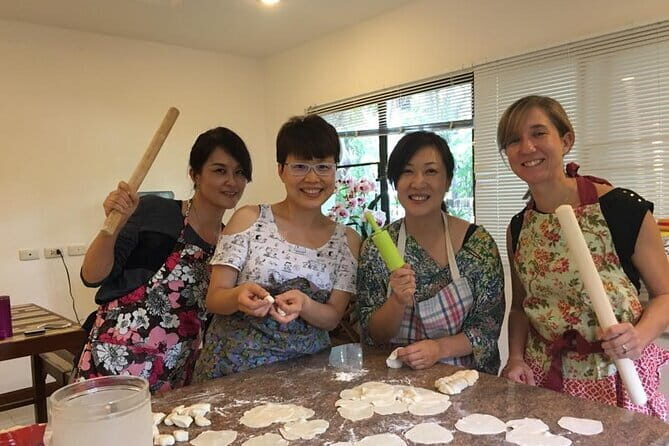
A few practical moves make a difference.
First: arrive on time. The class notes that they must start on time for everyone’s experience. If you’re late and miss the group, you won’t be able to join.
Second: wear comfortable shoes. Even if it’s not a long walk, you’ll likely move between the meeting area, the shopping step, and the cooking/dining space.
Third: if you’re visiting during Japan’s hot, humid summer, bring water and consider a hat. The class specifically warns about heat and humid conditions.
Finally: think of this as a dinner with skills attached. If you treat it like a casual evening meal you learn from—rather than a strict cooking exam—you’ll probably enjoy it more.
Should You Book This Tokyo Night Cooking Class?
Book this class if you want a Tokyo experience that combines three things most people miss when they just eat out: a plan, hands-on learning, and a complete dinner you don’t have to assemble yourself.
It’s especially worth booking if you like the sound of izakaya-style food and you want recipes you can recreate later, with guides like Alice and Fuji known for step-by-step teaching. The small group size and the fact that you eat what you cook make it feel like your night is actually built around food, not just a lesson.
Skip it if your diet is vegan or gluten-free, or if allergies require a level of control the class can’t promise. Also, if mobility is a challenge, look at a more tailored option.
If you fit the general profile, this is one of those simple ideas that pays off. You end the night with a fuller stomach and a better understanding of flavors you’ll keep noticing in Tokyo long after you’ve gone home.
FAQ
How long is the Tokyo night cooking class?
It runs for about 3 hours.
Where is the meeting point?
The class meets at Japan, 110-0004 Tokyo, Taito City, Shitaya, 2-chōme, at the FamilyMart in front of Shitaya 2-chōme.
What time does the class start?
The start time is 5:30 pm.
What’s included in the price?
The package includes the cooking experience and dinner, ingredients, tour photos, a certified guide by MagicalTrip, a shopping experience, and 3 cans of alcoholic or soft drinks.
Are drinks like sake included?
You receive 3 cans of alcoholic or soft drinks. Sake tasting and alcoholic beverages are available only to guests aged 20 and over.
Is the class suitable for vegetarians?
Yes, vegetarian participants are welcome, and the class arranges ingredients and the cooking process.
Is it available for vegan or gluten-free diets?
No. The class is not available for participants who are vegan and gluten-free.
What age is required to join?
Participants must be age 6 and above. Knife and heat steps are only permitted for those aged 12 and over, with parent or guardian supervision.
How many dishes will you make?
The menu is five dishes for most people. If you can’t eat meat and eggs, it’s reduced to three dishes; if you can eat meat but not eggs, it’s reduced to four dishes.