REVIEW · TOKYO
Tokyo Private Tour! Edo Castle & Imperial Palace East Gardens
Book on Viator →Operated by gotcha · Bookable on Viator
Imperial Tokyo gets easier fast. This private 2-hour walk through the Imperial Palace East Gardens turns a confusing landmark into a clear story about power, nature, and design. You won’t be hunting for entrances or figuring out what you’re looking at, because a guide handles the route and the context.
I particularly like how the tour keeps things focused: you get a guided pass by the Edo Castle Ruins and key garden areas without wasting time backtracking. I also like the human touch from guides such as Naoko, Akiyoshi, Shigeru, Mikio, and Yoshiko, who tend to connect details to daily life and culture, not just dates.
One consideration: the tour does not include entering the Inner Palace, so if your dream is to step inside the main palace area, you’ll need another visit for that.
In This Review
- Key things to know before you go
- Imperial Palace East Gardens With a Private Guide (Not a DIY Maze)
- What You’ll Actually See: Edo Castle Ruins, Ninomaru Garden, Ote-mon Gate
- Imperial Palace East Gardens
- Edo Castle Ruins
- Ninomaru Garden
- Ote-mon Gate
- The 2-Hour Schedule: Short Enough to Stay Comfortable
- Getting In: Baggage Inspection and What to Do Before Meeting
- Price and Value: Why $65.41 Can Beat “DIY + Guessing”
- Inner Palace Doesn’t Open the Door (Important Clarifier)
- Transportation and Meeting Point: Wadakura Fountain Is Your Anchor
- What Makes the Guides Work Well (And Where You Should Stay Alert)
- Photos and Quiet Moments: The Best Way to Use Your Time
- Who This Tour Is Best For
- Should You Book This Private Imperial Palace East Gardens Tour?
- FAQ
- How long is the Imperial Palace East Gardens private tour?
- What does the tour include?
- Is this tour private?
- Do we enter the Inner Palace?
- Are tickets included?
- Is there a security or baggage check?
- Where does the tour start and end?
- What if I need to cancel?
- Do you need Japanese paper or special prep for the grounds?
Key things to know before you go
- A guide replaces the stress of navigating a large, restricted-feeling site
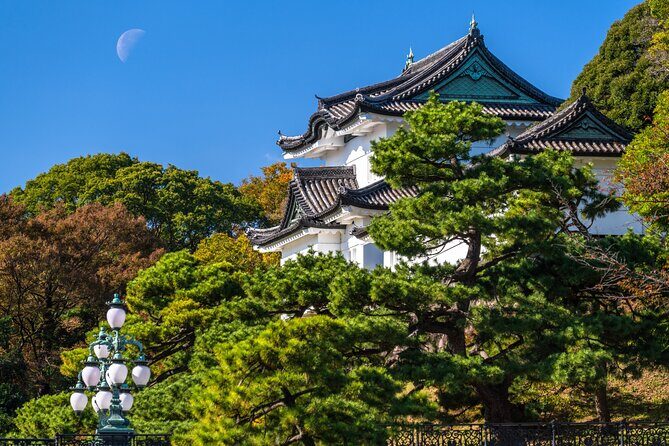
- You’ll see famous East Gardens areas like the Edo Castle Ruins, Ninomaru Garden, and Ote-mon Gate
- Inner Palace entry is not included, so this is an East Gardens experience
- Security is real: plan for a baggage inspection when you enter the grounds
- The pace is adjustable for many groups, and guides often answer lots of questions
Imperial Palace East Gardens With a Private Guide (Not a DIY Maze)
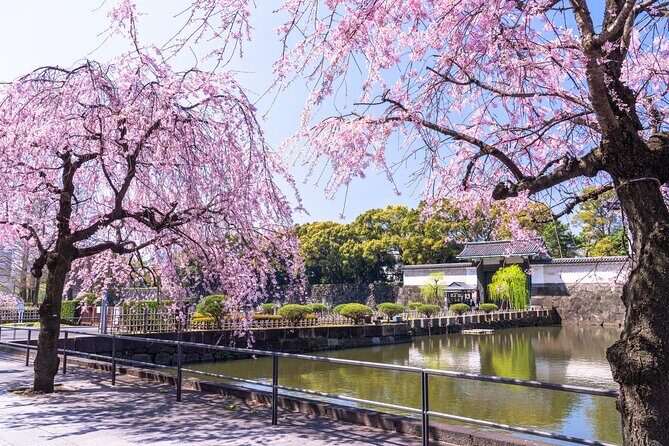
Tokyo’s Imperial Palace grounds can feel like two things at once: beautiful and strangely hard to read. There’s nature, there are historic structures, and there’s also the fact that parts of the palace are restricted. This tour helps you make sense of it all in a short time.
You’re walking with one guide for your group, which matters. When you’re on your own, you might see pretty paths and signage but miss why certain spaces exist, what changed over time, or what the garden design was trying to achieve. With a private guide, you get the “so what?” behind the scenery, and you can ask questions without shouting over other groups.
It’s also a good fit for first-time visitors who want a landmark without turning the whole day into logistics. You’ll start at Wadakura Fountain National Park (3-1 Kōkyogaien, Chiyoda City) and end back there, which keeps your schedule clean.
You can also read our reviews of more private tours in Tokyo



What You’ll Actually See: Edo Castle Ruins, Ninomaru Garden, Ote-mon Gate
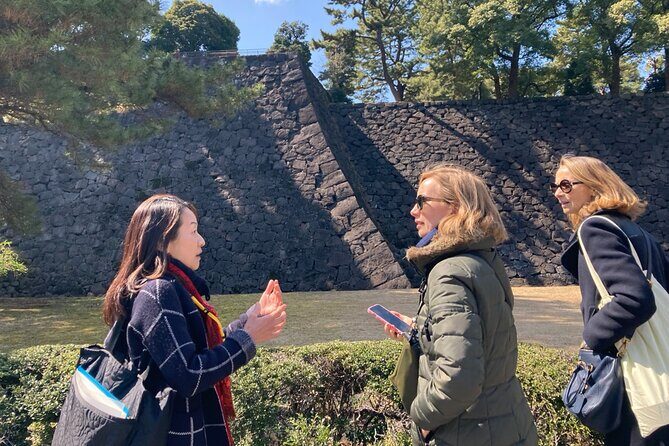
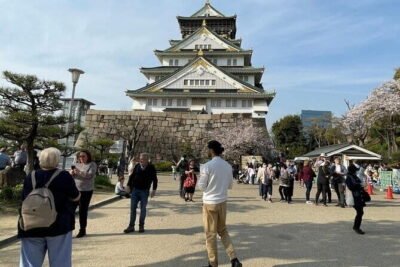
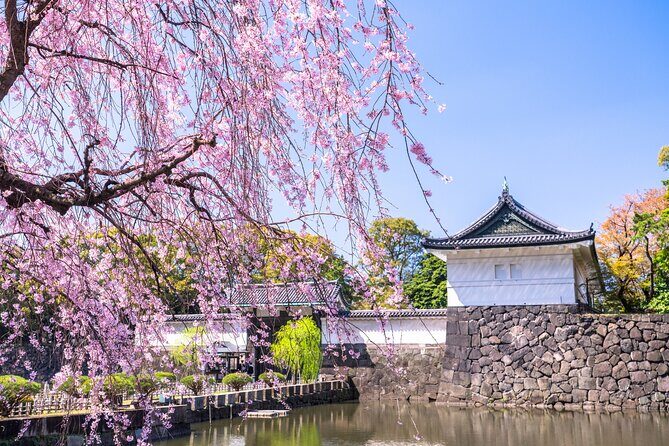
This is not a quick photo-only pass. The tour is built around several distinct parts of the East Gardens, including the Edo Castle Ruins, Ninomaru Garden, and Ote-mon Gate, plus time in the broader Imperial Palace area.
Here’s what that usually feels like on the ground:
Imperial Palace East Gardens
You’ll walk around the grounds with lots of green and open space. Reviews repeatedly highlight how peaceful it feels compared to Tokyo’s street noise. That calm matters. It gives you a break while still staying in one of the city’s most historically loaded locations.
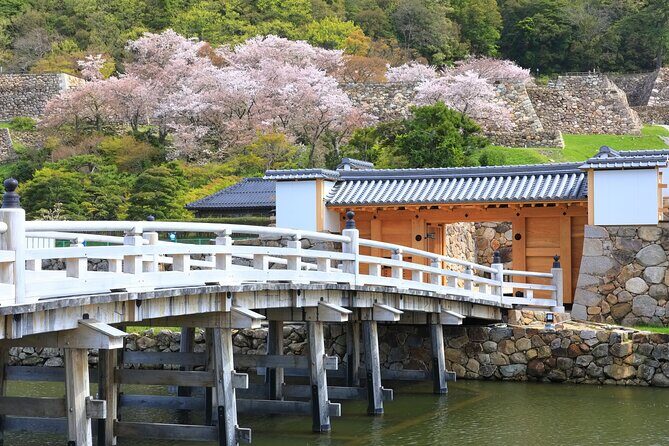
You can also expect a “layered time” experience. One stop notes a special Japanese garden and an old bridge, plus historical buildings and heritage you can view along the route. This is where the guide adds value, connecting the physical features you can see to the imperial story behind them.
Edo Castle Ruins
Even if you’ve heard the Edo period mentioned a lot, ruins make it tangible. You’re not just hearing about what was here. You’re seeing leftover traces and spatial cues that help explain how the site evolved.
This is the part I’d call the best payoff for anyone who wants context. Without guidance, you might walk past stonework and pathways thinking “pretty historic stuff.” With guidance, you start understanding what those elements signaled in earlier eras.
Ninomaru Garden
Gardens in Japan aren’t just decoration. They’re a way of shaping movement, mood, and attention. In Ninomaru Garden, the guide’s plant and design notes can turn a stroll into something you remember. Some guides are specifically noted for discussing plant life and garden details, which is a nice bonus if you like nature as much as history.
Also, the garden setting gives you the best chance to slow down for photos, then keep moving without losing your group.






Ote-mon Gate
Gates are more than architecture. They’re boundaries—between inside and outside, public and restricted, past and present. Ote-mon Gate gives you a visual anchor for the larger story the guide is building. It’s the kind of scene you’ll understand better after you hear why it mattered.
The 2-Hour Schedule: Short Enough to Stay Comfortable
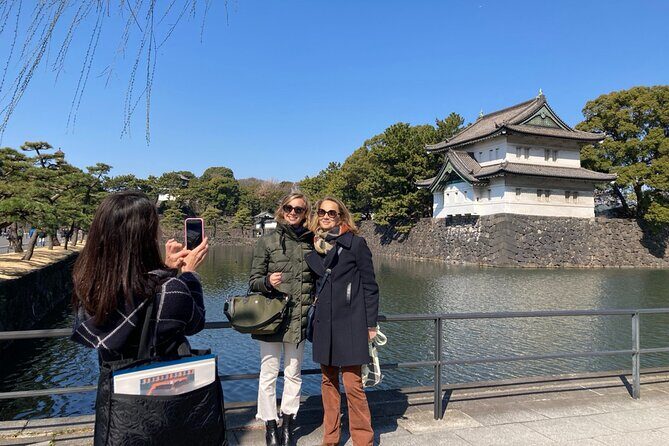
Two hours in central Tokyo is a practical length. It’s long enough to feel guided (not just a meet-and-greet), but short enough that you’re not stuck doing an all-day trek.
Most of the time, you’re walking. That means you’ll want to dress for the weather and keep water handy, especially in hot months. One review notes that despite extreme heat, umbrellas and neck coolers were provided, which is a helpful reminder: conditions can get rough fast, and the difference between tolerable and miserable can be tiny details.
Pacing also seems to vary by guide, but the theme is consistent: many guides are willing to answer questions and keep the walk moving at a group-friendly speed. If you’re traveling with family or you just don’t want a marathon, this tour format tends to work.
Getting In: Baggage Inspection and What to Do Before Meeting
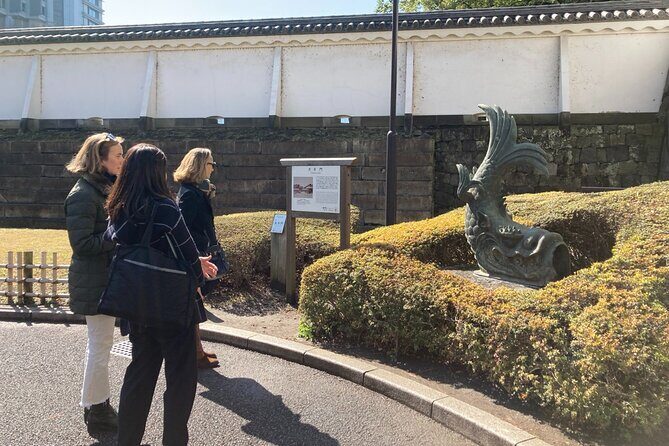
The site has security procedures. The most important one to know is that when you enter the Imperial Palace grounds, visitors are subject to a baggage inspection.
Plan for it. That means you should travel light if you can, and arrive ready to move through checks. Also, there’s a specific caution about items that could be used as weapons—if you plan to buy Japanese knives or similar items at places like Tsukiji or Asakusa, leave them in a coin locker or a similar storage option before the meeting.
This may sound picky, but it’s the kind of rule that can derail your day if you ignore it. Build a little buffer into your morning, and you won’t have to scramble.
Price and Value: Why $65.41 Can Beat “DIY + Guessing”
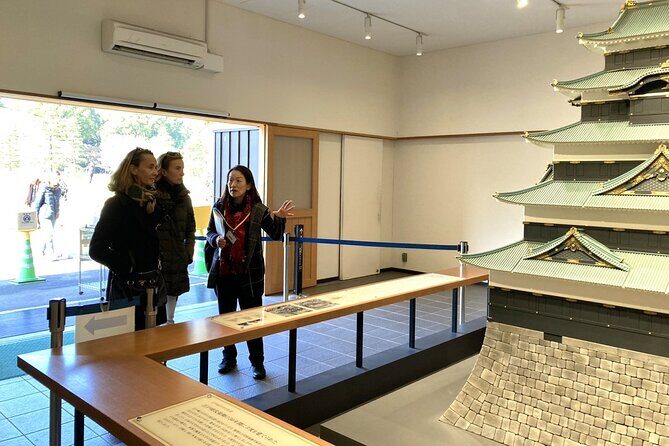
At $65.41 per person, you’re paying for more than a walk. You’re paying for time saved and for the right kind of interpretation.
Here’s where the value usually lands for me:
- The tour removes the need to research, then re-research, then worry you’re missing the “real” highlights.
- You get a guide who can explain what you’re seeing as you go—Edo Castle remnants, garden spaces, and gate context—so you’re not just collecting pretty images.
- You’re in a private format, so the experience fits your group rather than being squeezed into a bigger schedule.
If you’re the type who loves independent exploring and you already feel confident with the history, you could DIY part of this area. But if you want a focused story in a limited time window, the guided structure is exactly what you’re buying.
Inner Palace Doesn’t Open the Door (Important Clarifier)
This tour is about the East Gardens, not the Inner Palace. The listing notes that admission to the Inner Palace is not included, and the tour does not go inside the Inner Palace.
So go in with the right expectation. You’ll still see major parts of the grounds and get strong context, but you should not plan on entering the inner palace buildings.
If your ideal “Imperial Palace experience” means stepping into the main palace area, you’ll need a different activity designed for that access.
Transportation and Meeting Point: Wadakura Fountain Is Your Anchor
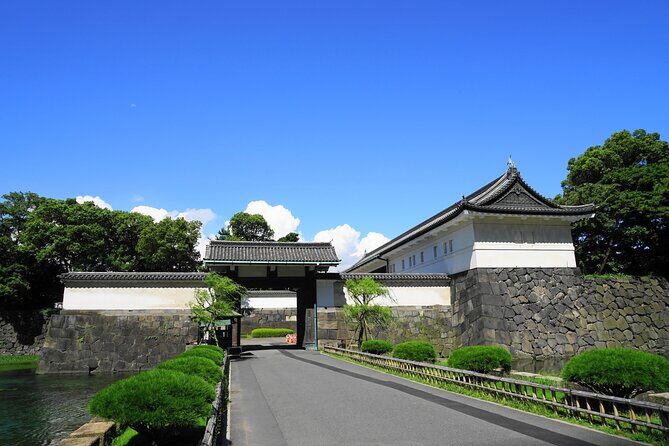
You meet at Wadakura Fountain National Park (3-1 Kōkyogaien, Chiyoda City, Tokyo). It also ends back at the meeting point, which keeps your day from turning into “where do we go now?”
The tour is described as near public transportation, which is what you want for a short, scheduled visit. When you’re in central Tokyo, that kind of convenience matters more than you think. A smooth arrival also makes the security step less stressful.
What Makes the Guides Work Well (And Where You Should Stay Alert)
One thing I like about this experience is how often the guide quality shows up in real outcomes. Reviews repeatedly mention guides bringing the past to life and explaining things clearly, with examples of:
- Naoko speaking excellent English and sharing lots of cultural context
- Akiyoshi offering generous, wide-ranging discussion about history and the ongoing role of the Imperial Family
- Shigeru answering many questions patiently
- Mikio being prompt and handling Q&A smoothly
- Yoshiko keeping the experience enjoyable even when it was extremely hot
- Ishida being friendly and giving strong detail, including plant/garden knowledge
- A tour that included creative touches like Japanese paper souvenirs (shown in one review)
Where you should stay alert: one negative review points to an English communication problem that led the group to stop the tour early. The fact that guide language quality can vary is worth considering. If you rely heavily on English for meaning (or your group includes someone who does), you’ll feel better if your booking details confirm language support before you arrive.
Photos and Quiet Moments: The Best Way to Use Your Time
East Gardens are built for slow looking. Your guide’s job is to keep you moving through the right sections while giving you context so you can photograph with intention.
I’d use the tour like this:
- When the guide explains a feature (ruins, garden design, or a gate), pause and actually look first. Then take photos.
- Let the calm sections be a break, not a hurry. You’re walking, but this is also a reset from Tokyo crowds.
- If you’re traveling with kids or anyone who gets bored quickly, ask questions early. Many guides seem to do well with engagement, and it can turn a standard walk into a story-driven experience.
Who This Tour Is Best For
This private tour works especially well if you:
- Want a high-impact historical experience without spending hours planning
- Prefer guided context in a limited time window
- Like gardens and want their design meaning, not just their looks
- Are traveling with family and want a calmer break from the city’s rush
- Want to learn about Japan’s imperial history and how it shows up in the grounds
It’s less ideal if your top priority is entering the Inner Palace or doing a long, unstructured exploration with no scheduled plan.
Should You Book This Private Imperial Palace East Gardens Tour?
I’d book it if you want a straightforward win: clear navigation, a guided storyline, and a peaceful walk through some of Tokyo’s most important spaces. The private format helps you get answers on the spot, and the 2-hour length keeps it realistic.
Don’t book it if your goal is specifically to go inside the Inner Palace. This experience is designed around the East Gardens, so treat it as that kind of visit.
If you’re price-sensitive, consider what you’d spend in time and effort trying to figure out the right route and interpretation on your own. For many people, paying for a guide is less about luxury and more about getting the most meaning per hour.
FAQ
How long is the Imperial Palace East Gardens private tour?
The tour runs about 2 hours.
What does the tour include?
It includes a tour guide.
Is this tour private?
Yes. It’s a private tour/activity, and only your group participates.
Do we enter the Inner Palace?
No. Admission to the Inner Palace is not included, and the tour does not go inside the Imperial Palace.
Are tickets included?
Admission to the inner palace is not included. The tour notes that an admission ticket is free for the experience, but the Inner Palace entry is still excluded.
Is there a security or baggage check?
Yes. Upon entering the Imperial Palace grounds, visitors are subject to a baggage inspection.
Where does the tour start and end?
It starts at Wadakura Fountain National Park (3-1 Kōkyogaien, Chiyoda City, Tokyo) and ends back at the meeting point.
What if I need to cancel?
Free cancellation is available. You can cancel up to 24 hours in advance for a full refund. Canceling later than that is not refunded.
Do you need Japanese paper or special prep for the grounds?
The main prep mentioned is about baggage inspection and storing items that could be used as weapons (like certain knives) in a coin locker before the meeting.