REVIEW · TOKYO
Asakusa, Tokyo’s #1 Family Food Tour
Book on Viator →Operated by Arigato Japan KK · Bookable on Viator
Asakusa tastes like a Tokyo lesson. This Asakusa family food tour turns a temple-and-shopping walk into five tastings plus lunch, with a guide helping you navigate side streets and traditions you’d miss solo. You’ll sample things like Japanese plums, pickles, rice crackers, tea, and a melon pan, then finish with a matcha drink or ice cream.
I love the small group cap of 10, because the pace stays calm and you can ask questions without getting swept along. I also love the included lunch from southern Japan, since it makes this feel like an actual meal-focused outing, not just a snack crawl. Some guides you’ll see mentioned by name, like Michie and Wesley, get praised for being personable, patient, and practical in tough heat (they’ve even been reported giving out cooling items on sweltering days).
One thing to consider: this tour is weather- and walking-dependent, with a requirement for a strong physical fitness level. If it’s poor weather, you may get a change of date, and seasonal tastings can shift a bit.
In This Review
- Key things I think you’ll care about
- Asakusa’s old-school streets, mapped for eating
- Meeting at Asakusa Culture Tourist Information Center (11:00 am)
- Five tastings and lunch: what you’ll actually eat
- How to think about the food pacing
- Dessert and the final drink
- Kaminari-mon, Hōzōmon gate, and Senso-ji without the stress
- The human factor: pace, small groups, and hot-day help
- Price check: $221 for a 3-hour food-and-temple mix
- Who should book this Asakusa family food tour
- Should you book this Asakusa food tour?
- FAQ
- How long is the Asakusa family food tour, and when does it start?
- How many people are on the tour?
- What’s included in the price?
- Is the tour vegetarian or pescetarian friendly?
- Where do we meet and where does the tour end?
- Can I cancel, and what happens if the weather is poor?
Key things I think you’ll care about
- Small group (max 10): You’ll move as a unit, with time to stop and taste without feeling rushed.
- Five food stops plus lunch: You’re not guessing what to order; you’re getting guided portions across sweet, savory, and drinks.
- Seasonal substitutions: Items like plums, tea, and other regional bites can change based on what’s available.
- Short stops at major landmarks: You’ll see Kaminari-mon, pass through Hōzōmon gate, and spend time around Senso-ji and Nakamise Street.
- Guide-led side streets: The real value is getting route help through alleyways and knowing what to look for.
- Finish with matcha tea or ice cream: It’s a simple, classic Asakusa-style landing.
Asakusa’s old-school streets, mapped for eating
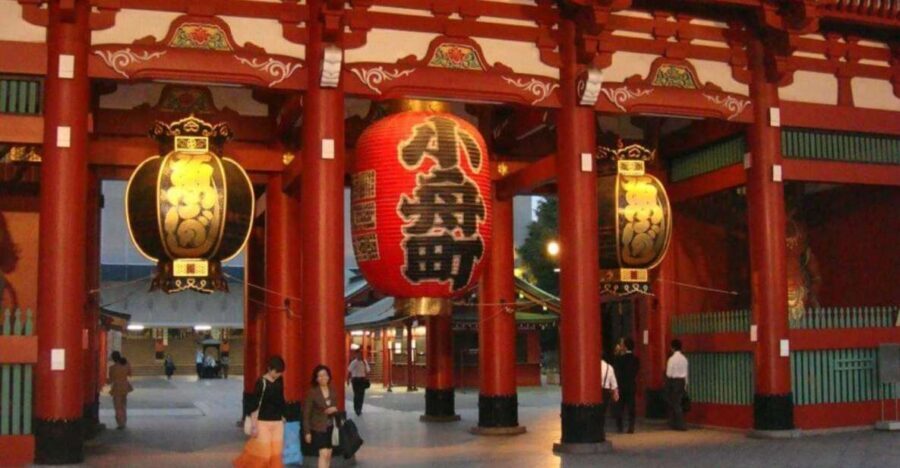
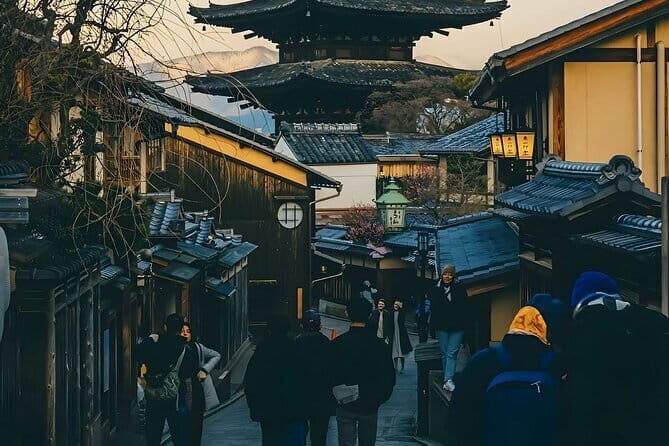
Asakusa is one of those parts of Tokyo where the atmosphere still feels tied to everyday life. You’ll be walking through the area around Sensō-ji, plus the nearby lanes where shops and food stalls sit close together. The best part for me is that the tour doesn’t treat the sights as separate from the food. You taste while you learn, so the district feels connected, not chopped into checkboxes.
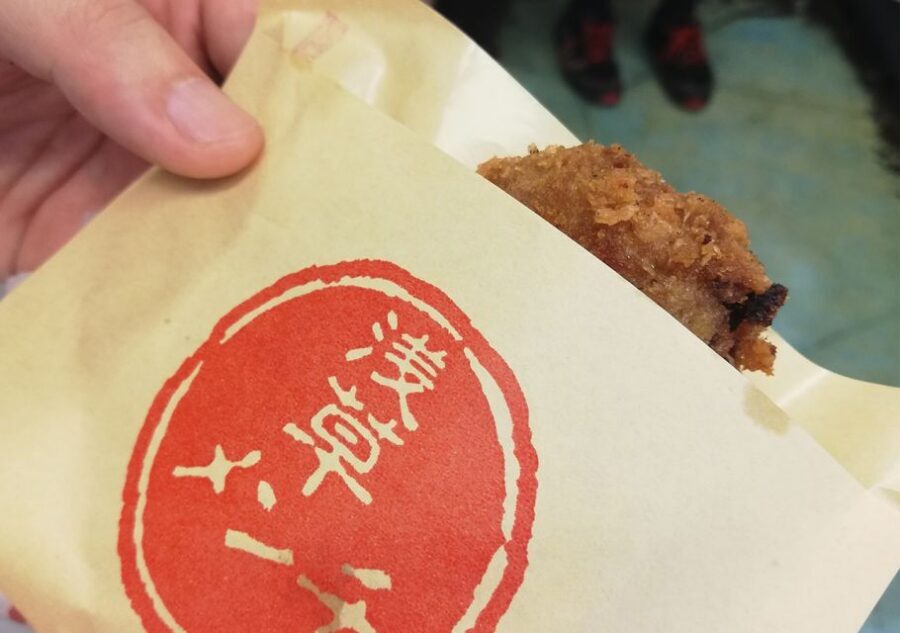
The food theme is also broader than a single category. You’re not only trying sweets. You’ll also get savory nibbles and drinks, including Japanese plums and pickles, plus rice crackers and tea. Then there’s the southern Japan lunch, which adds a satisfying, proper stop in the middle of the walking.
One smart touch: the tour is designed around what’s actually in season. That means you might not get the exact same set of items on every date, but you’re getting the idea—regional flavors and seasonal comfort foods—rather than a rigid tasting list that ignores reality.
You can also read our reviews of more food & drink experiences in Tokyo

Meeting at Asakusa Culture Tourist Information Center (11:00 am)
You’ll meet at the Asakusa Culture Tourist Information Center (2-chōme-18-9 Kaminarimon, Taito City). Start time is 11:00 am, and the first part is a short orientation right at the center.
This matters more than it sounds. If you’ve never done Asakusa on foot, the streets can feel layered—big routes, narrow alleys, and then clusters around the temple area. A quick beginning at the tourist information center helps you understand the flow before you start sampling food.
You’ll also have a mobile ticket, which keeps things simple once you arrive. And since the tour ends near Senso-ji, you’re not stuck backtracking for transit. You can plan the rest of your afternoon around that location.
Practical tip: wear comfortable shoes. Even though several landmark stops are brief, you’ll still be walking for the full experience length, and the tour operator lists a requirement for a strong physical fitness level.
Five tastings and lunch: what you’ll actually eat
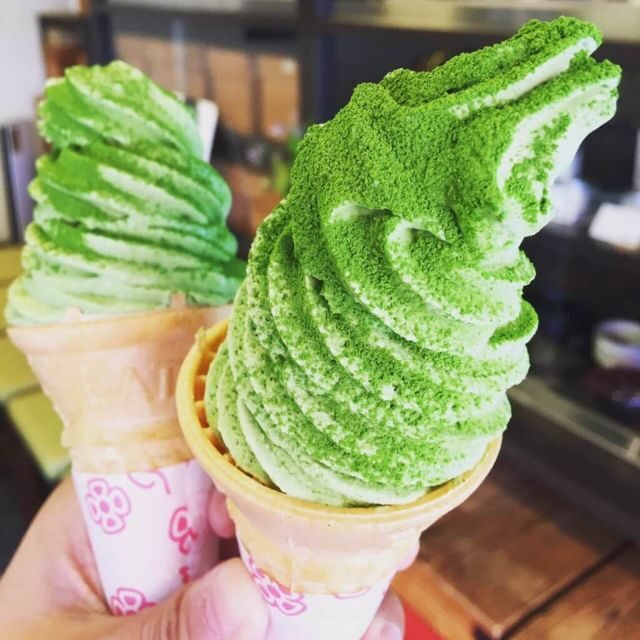
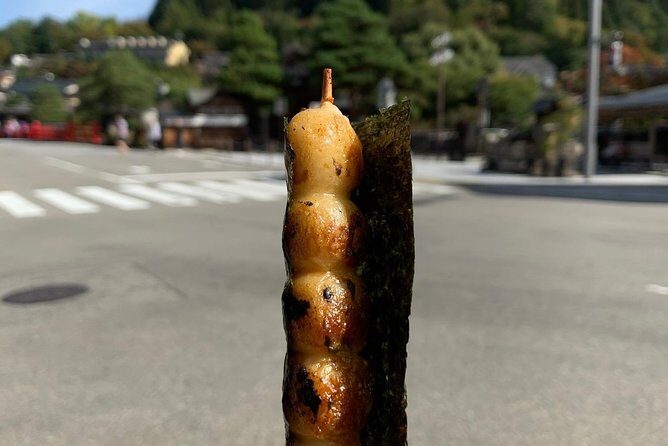
This is a “food stops with context” kind of tour. You’ll hit five food stops including lunch, plus dessert and one included drink. The menu style is classic Japanese, but with regional variety baked in.
Here’s what the tour description specifically points to tasting:
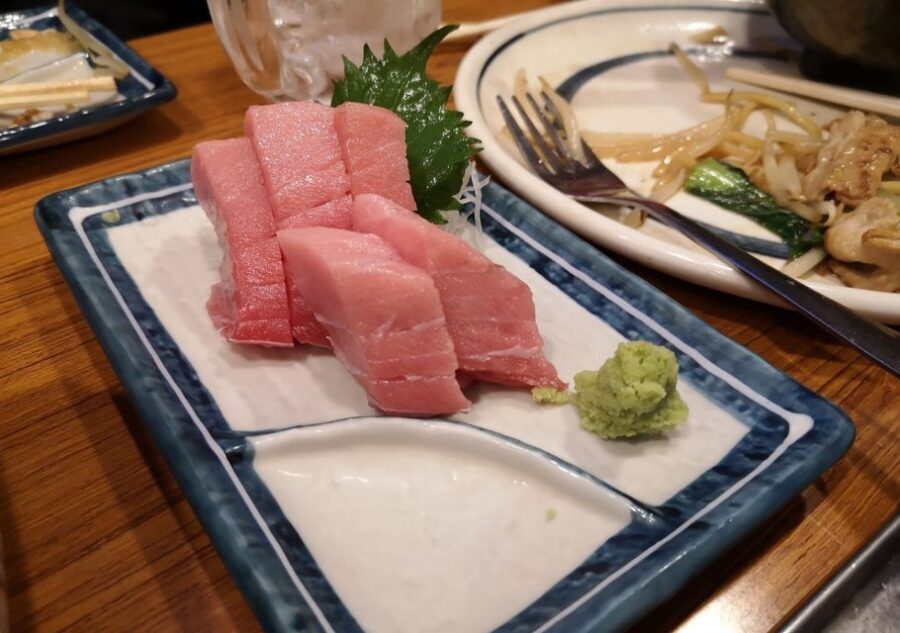
- Japanese plums
- pickles
- rice crackers
- tea
- ice cream
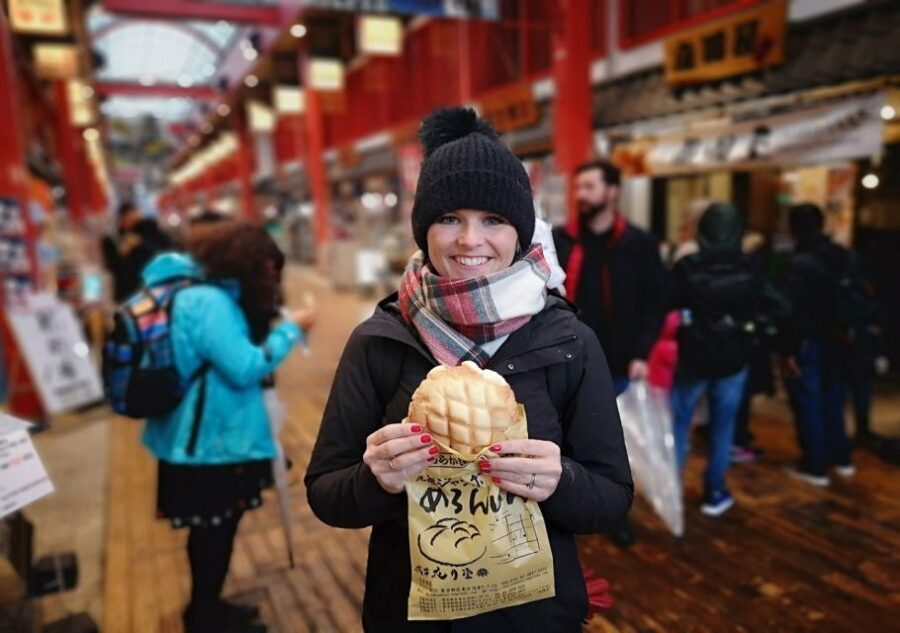
- melon bread (melon pan)
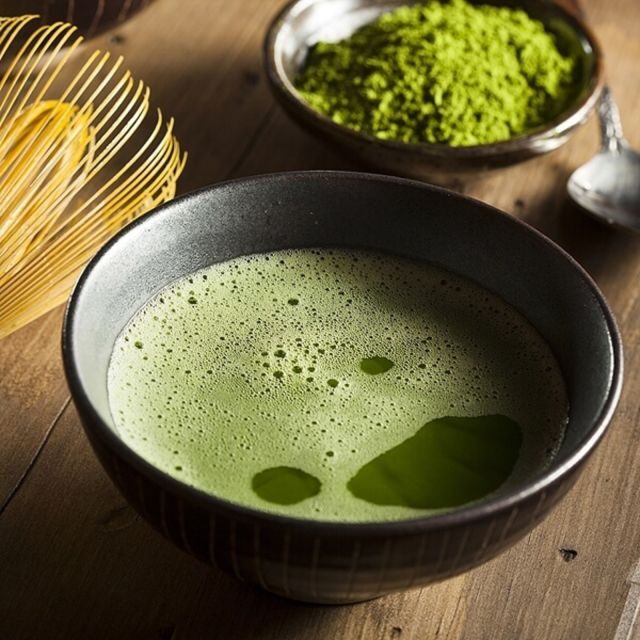
- matcha tea (or ice cream at the end)
Then you get lunch with cuisine from southern Japan. The key for value is that lunch isn’t an add-on. It’s built into the schedule, so you’re eating enough to feel satisfied rather than hovering near “light snack” territory.
How to think about the food pacing
The stops are spaced so you’re sampling as you walk, which keeps your energy steady. If you’re the type who gets hungry fast, this design helps. If you’re more cautious with new foods, it also helps because you’re trying small-to-medium tastes instead of committing to one full dish immediately.
Since vegetarian and pescetarian options are listed as friendly, you should feel more comfortable joining even if you don’t eat meat. Still, because the exact items can change with season and restaurant schedules, it’s smart to share your preferences clearly at the start so the guide can steer you toward the best matches.
Dessert and the final drink
A dessert is included, and the tour ends with a final treat: matcha tea (or ice cream). This last stop is a good closer because it ties the whole afternoon back to an iconic Asakusa flavor route. It also gives you something warm and familiar if you’re walking around temple streets in cooler months.
A few more Tokyo tours and experiences worth a look


Kaminari-mon, Hōzōmon gate, and Senso-ji without the stress
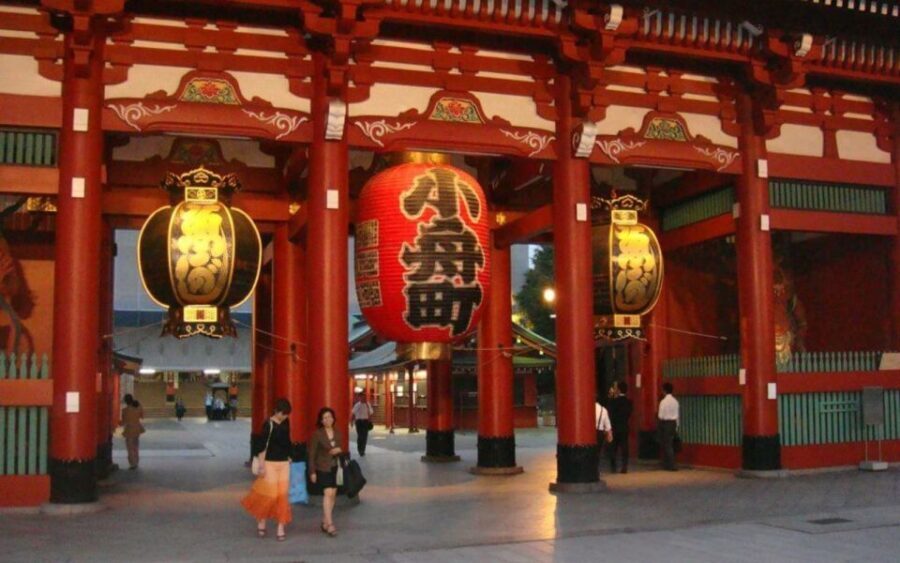
The tour doesn’t try to make you “do everything” at Asakusa. Instead, it hits the biggest visual anchor points in short, guided segments, while you’re already in the right neighborhood for it.
Along the way, you’ll spend time at:
- Kaminari-mon (short stop)
- Hōzōmon gate (mentioned as a stop area)
- Senso-ji Temple (guided with stories and tips)
- Nakamise Street (ending point area)
- Asakusa Shrine (short stop with a local perspective)
What you’re really buying here isn’t extra photos. It’s understanding where to look and how to move through a place that can get crowded, especially around the main temple approach. Your guide is there to share smaller details—often the kind that help you feel like you’re seeing more than just the postcard version.
At Senso-ji, the tour notes that your guide shares hidden secrets and helps you make memories. I take that to mean you’ll get “what to notice” guidance: where the important viewpoints are, what the symbolism means, and how to enjoy the area without constantly checking your phone for direction.
Then the day wraps around the Nakamise Street area. This is a smart finish because Nakamise is where you can keep wandering after the tour, if you want to. You’re left in a central, walkable spot rather than somewhere inconvenient.
The human factor: pace, small groups, and hot-day help
This tour has a maximum of 10 travelers, and that small cap is a big deal in Asakusa. When groups are larger, you lose time waiting and tasting becomes chaotic. With this setup, the tour stays easier to follow, and you’ll have more chances to ask questions that actually matter to you.
One reason I like this kind of tour format is that guides can adjust in real time. The provided feedback includes examples of guides like Michie and Wesley staying patient and helpful on very hot, humid days. That same feedback also mentions cooling products being shared to keep people comfortable. That’s not just nice—it’s practical.
The tour also calls out that it requires a strong physical fitness level. So yes, you should expect walking and standing at food stops and landmarks. If you know you get overwhelmed by heat or long lines, plan your day around the tour start time and consider bringing your own water and a hat even though those items aren’t listed as included.
Weather is another factor. The experience is described as requiring good weather, and if it’s canceled due to poor weather, you’ll be offered another date or a full refund. In other words, the tour is built around outdoor walking and street-level tastings, so it needs conditions that make that enjoyable.
Price check: $221 for a 3-hour food-and-temple mix
At $221 per person, this isn’t a budget street-food sampling. It’s closer to a guided meal experience. The value comes from what’s included:
- 5 food stops including lunch
- regional tastings and street food
- dessert included
- one drink included
- local English-speaking guide
- a small-group size that makes the tasting time usable
In Tokyo, it’s easy to spend money just eating randomly and then end up with no structure. Here, the guide handles the decision-making and the route through Asakusa’s side streets. That saves you time, and it also helps you avoid the common first-time mistake: walking past the places you would later wish you had checked.
The tour also starts at 11:00 am and runs about 3 hours. For many people, that’s the sweet spot: you get a substantial lunch, plus several tastings, without having your whole afternoon disappear into walking.
One more practical note: transportation costs are not included, so you’ll want to plan your own way to the meeting point in Asakusa. The tour is listed as near public transportation, which usually means it’s not a headache to get there once you’re in the neighborhood.
Who should book this Asakusa family food tour
I’d point you toward this tour if you want a family-friendly, structured food experience in Asakusa. It’s designed for people who like to taste their way through a place rather than only sightseeing. The route includes major landmark areas and ends near Senso-ji, so you don’t feel like the tour takes you to a dead-end for the rest of the day.
It’s also a good fit for:
- families who want a calm group size (max 10)
- first-timers in Asakusa who want help finding the right streets and stalls
- food lovers who enjoy regional variety (southern Japan lunch plus other regional snacks)
- people who eat vegetarian or pescetarian-friendly options (listed as friendly)
There are a couple of “maybe not” situations to consider. If you have very limited mobility or you don’t feel comfortable with walking and standing in heat, the strong fitness requirement is a clear signal to think twice. If you’re hoping for a slow, long temple experience with lots of time for museums or deep exploration, this 3-hour format may feel a bit tight.
Also, there’s a minimum booking requirement of two people per booking. If you’re traveling solo, double-check options before you commit.
If you’re bringing kids: children must be accompanied by an adult, and passport information (a copy) is required for kids 10 and above. That’s the kind of detail that’s easy to forget until the last minute.
Should you book this Asakusa food tour?
Book it if you want an easy-to-follow way to eat around Asakusa, with a guide handling the route and the stops. The combination of five food stops plus lunch, a small group size, and landmark tie-ins (Kaminari-mon, Hōzōmon gate area, Senso-ji, Nakamise Street) makes it a strong value for most people who like food and structure.
I would skip it if you prefer a fully self-paced day, or if you can’t do the walking required for a tour that depends on good weather. Also, if you hate the idea of seasonal changes to tastings, be aware that the exact items may shift based on what’s available.
If you match the vibe—walking-friendly, food-focused, and comfortable with outdoor conditions—this is a very sensible way to see Asakusa and actually taste it.
FAQ
How long is the Asakusa family food tour, and when does it start?
It runs for about 3 hours and starts at 11:00 am.
How many people are on the tour?
The group is limited to a maximum of 10 travelers.
What’s included in the price?
The tour includes 5 food stops including lunch, dessert, one drink, and a local English-speaking guide.
Is the tour vegetarian or pescetarian friendly?
Yes, it’s listed as vegetarian, pescetarian friendly.
Where do we meet and where does the tour end?
You meet at the Asakusa Culture Tourist Information Center (2-chōme-18-9 Kaminarimon). You end at the main gate of Sensō-ji Temple in the Asakusa area.
Can I cancel, and what happens if the weather is poor?
Cancellation is free up to 24 hours before the experience start time for a full refund. If the tour is canceled due to poor weather, you’ll be offered a different date or a full refund.