REVIEW · FUJINOMIYA
Halfway Up Mt,Fuji, Oshino Hakkai, Kawaguchiko from Tokyo
Book on GetYourGuide →Operated by VIP Japan Tour · Bookable on GetYourGuide
Fuji views are the goal, but timing matters. I like the legendary Mt. Fuji 5th Station viewpoints when conditions cooperate, and I also really enjoy the calm, clear-water vibe at Oshino Hakkai. One catch: weather can erase the views, and stops are short enough that you have to stay on schedule.
The other big factor is the guide. This tour runs with an English/Chinese guide and an air-conditioned vehicle, and the day often rises or falls on how smoothly the group moves and how well the guide handles plan changes when roads or weather get ugly.
If you’re hoping for a slow, deep Mount Fuji experience, this isn’t it. It’s a 10-hour hits-and-photos loop from Tokyo, built for momentum and classic landmarks—not lingering.
In This Review
- Key Things I’d Watch For
- Mt. Fuji 5th Station: the 40-minute view-or-rain gamble
- Lunch and craft time at Lake Kawaguchi (Kawaguchiko Craft Park)
- Hikawa Clock Shop and Fuji Michi: quick photos, real street etiquette
- Hikawa Clock Shop (30 minutes)
- Fuji Michi / Honcho Street
- Oshino Hakkai ponds: snowmelt calm with a shopping layer
- How the day runs from Tokyo (and why timing can shift)
- Price and value: is $74 worth it for this Fuji loop?
- Who this tour suits (and who should skip it)
- Should you book this Halfway Up Mt. Fuji day tour?
- FAQ
- What are the main stops on this Mount Fuji day tour?
- How long is the tour?
- Where do I meet the tour in Tokyo?
- Is Mt. Fuji 5th Station guaranteed?
- What happens if the weather is bad?
- Is lunch included?
- Do you get free time at Lake Kawaguchi and Oshino Hakkai?
- What languages is the tour guide available in?
- Who is this tour not suitable for, and what’s not allowed?
Key Things I’d Watch For
- 5th Station is weather-dependent: if visibility is poor, you’ll still get the altitude experience, just not the full postcard view
- Lunch timing is built around Lake Kawaguchi: you’ll get a planned break near the water, plus optional nearby wandering
- Photo stops are quick: Hikawa Clock Shop and Fuji Michi are mostly for pictures, not long exploration
- Oshino Hakkai is scenic and popular: you’ll get pond pathways and shopping time, but it’s not a silent nature retreat
- Vehicle comfort can vary: some runs may use smaller minibuses, so it’s smart to pack lightly and be ready for tight seating
Mt. Fuji 5th Station: the 40-minute view-or-rain gamble
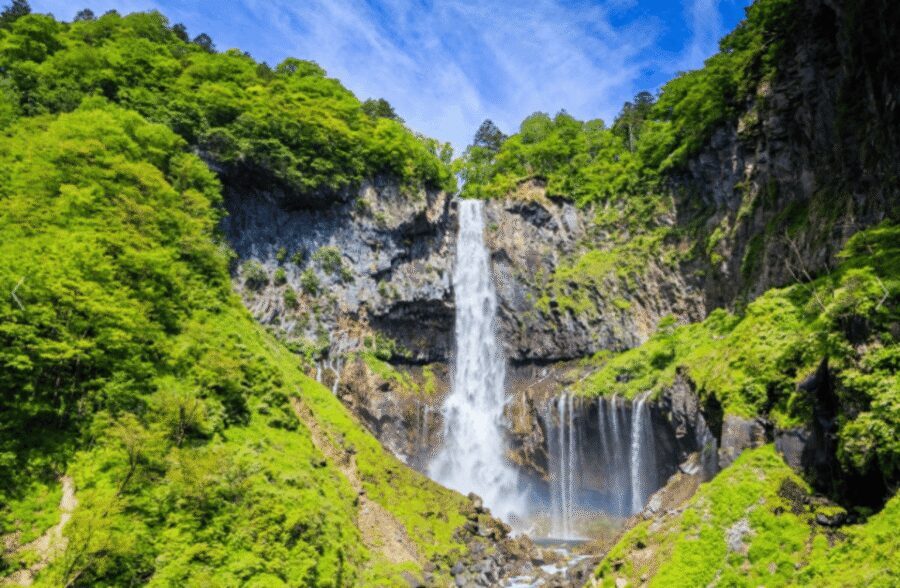
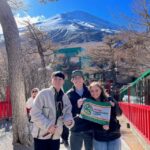
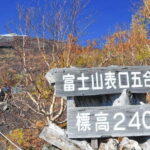
Your day starts with a climb in time, not hiking. You’ll head to the Mt. Fuji 5th Station for about 40 minutes. This is the sweet spot for first-timers who want “I was up there” bragging rights without booking a full climbing day.
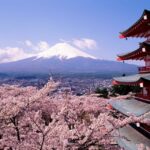
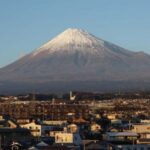
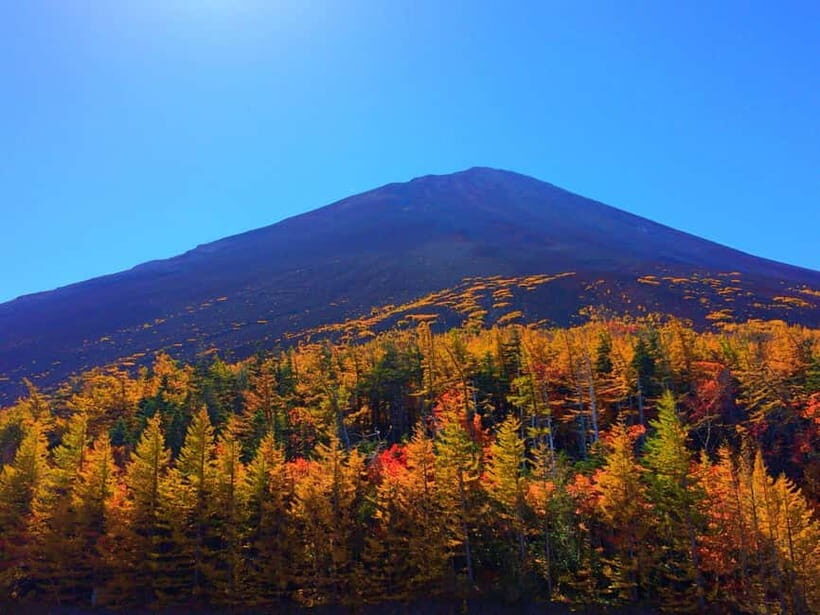
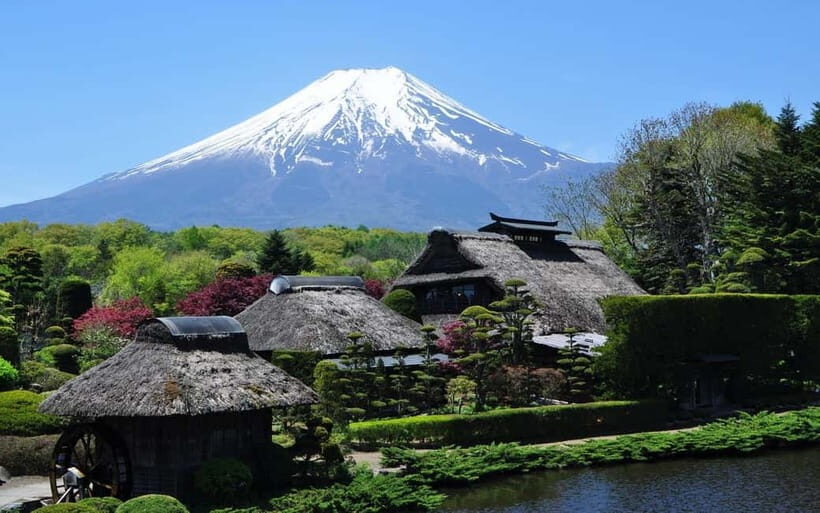
Here’s the honest truth: this is a visibility game. The experience description is clear that panoramic views depend on weather, and real-world days can swing from clear and crisp to cloudy or rainy. If the sky opens up, you get wide looks across the Fuji Five Lakes area and a very real sense of scale for Japan’s most famous mountain. If it doesn’t, you’ll still be high up, but your photos may look more like foggy memories than crisp postcards.
Also note the backup plan: if the 5th Station is closed, the itinerary adjusts to the Yamanashi Prefectural Mt. Fuji World Heritage Center instead. That’s a smart move because it keeps the day from feeling like a total wash. You just trade summit views for more indoor context.
Practical tip: bring a compact rain layer even when the forecast looks decent. Weather on Fuji changes fast, and you don’t want your best photo window ruined by wet sleeves and a soaked camera strap.
You can also read our reviews of more tours and experiences in Fujinomiya.

Lunch and craft time at Lake Kawaguchi (Kawaguchiko Craft Park)
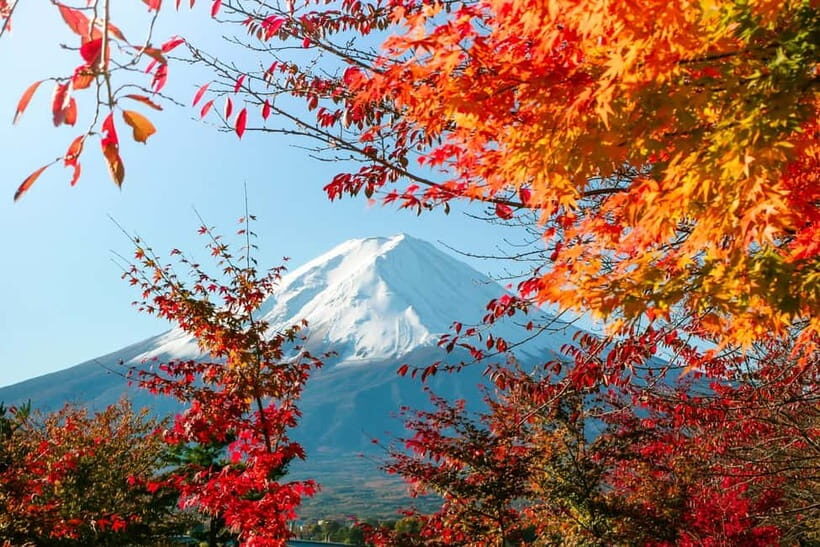
After the altitude stop, the tour slows down with Lake Kawaguchi. You’ll have a combined block here that includes a photo stop, a lunch break, and about 60 minutes of free time.
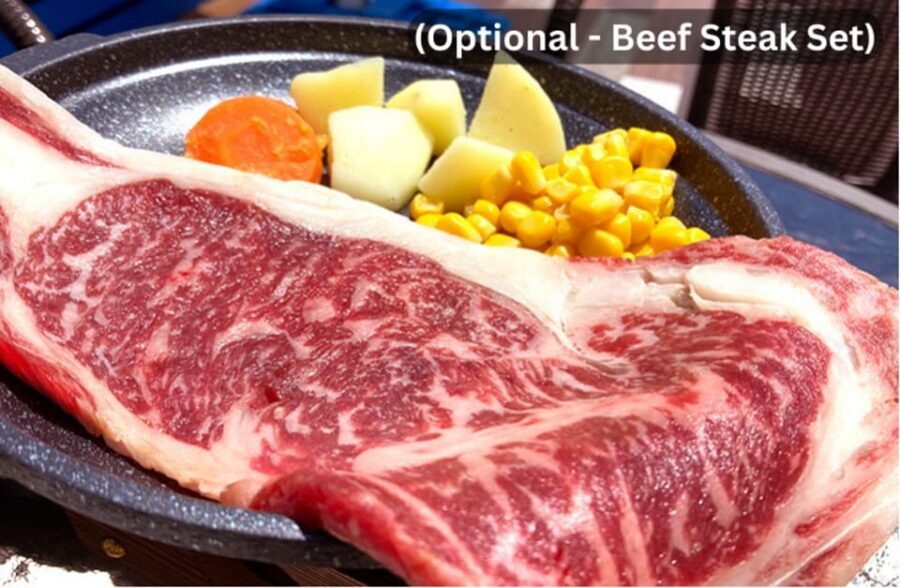
The lunch happens at Kawaguchiko Craft Park, set along the lake. The idea is simple: you rest your legs, eat something local, and look at Fuji from a lower angle. The tour description specifically calls out local options like hoto noodles and Koshu beef, which are exactly the kind of dishes that feel like “Fuji region food,” not just generic convenience meals.
One nuance: the details mention a free meal plan for some bookings, and those with that plan get 60 minutes of free time nearby. If you’re not on a meal plan that includes a free meal, you may still have the lunch break, but your freedom for extra wandering could depend on your booking.
What you can do with that free time is useful for shaping the mood of your day:
- You might stroll through Momiji Kairo (Maple Corridor), a scenic maple-lined path that’s especially beautiful in autumn.
- You might also visit Kawaguchiko Music Forest Museum, where you’ll find automatic musical instruments and gardens. Admission isn’t included, so treat it as optional add-on time.
Either way, this is the moment to reset. You’ve already seen Fuji once from above (or tried to), and now you get the calmer, water-and-trees version. If you came to Japan for aesthetic travel days that still feel grounded in real places, this is where it clicks.
Hikawa Clock Shop and Fuji Michi: quick photos, real street etiquette
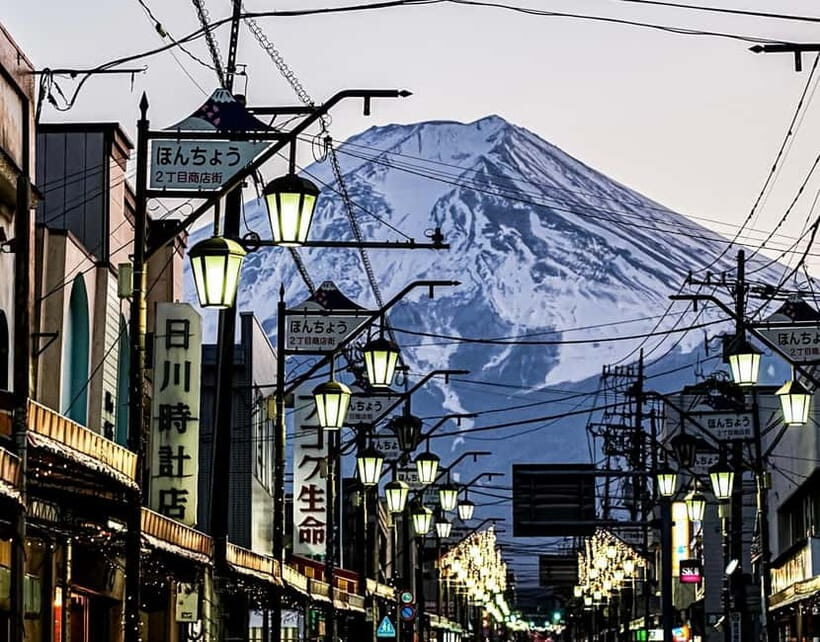
Next come two short stops that are mostly about images. You’ll spend about 30 minutes at Hikawa Clock Shop, then later you’ll do a photo stop at Fuji Michi (Honcho Street).
Hikawa Clock Shop (30 minutes)
This stop is timed tight, so don’t expect a full wander. Think of it as a photo checkpoint and a quick “see it in person” moment. If you’re someone who loves small, quirky roadside shops, you’ll enjoy the contrast: you’re not just chasing big scenery—you’re collecting small landmarks too.
Fuji Michi / Honcho Street
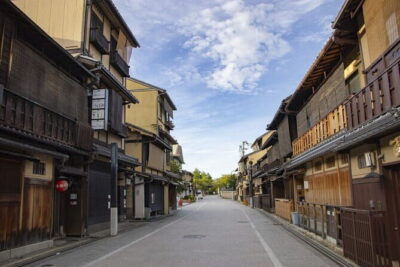
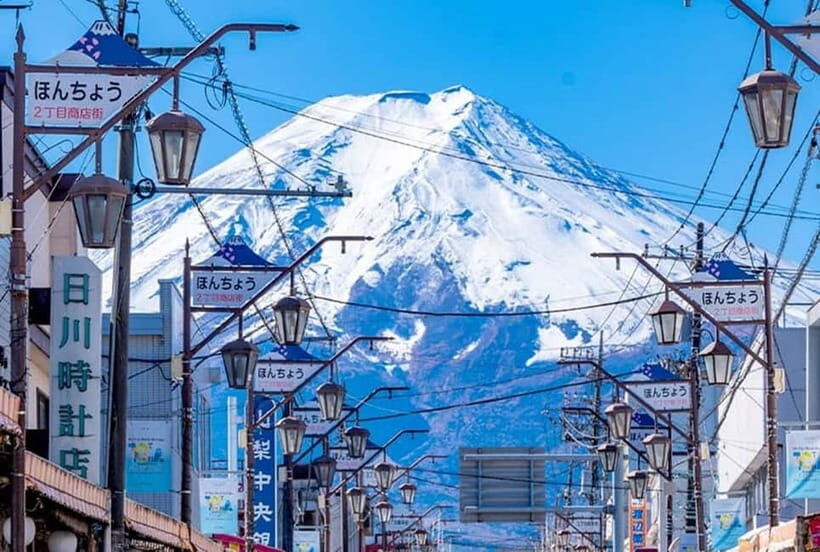
Fuji Michi is one of those places that grew famous because the composition works. You’ll be able to frame Mount Fuji with traditional shop signs and lanterns, and the guide info even notes the electric wires that create that slightly messy but very Instagram-ready look.
But do follow the rules. You’re asked to not photograph on the roadway and to be respectful since it’s a shopping and residential area. That includes keeping noise down while you take photos. In other words: treat the street like a living neighborhood, not a photo studio.
Practical tip: decide your photo angles quickly once you arrive. With a short schedule, it helps to have your shot plan before you step out of the bus.

Oshino Hakkai ponds: snowmelt calm with a shopping layer
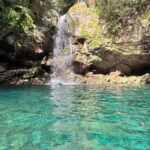
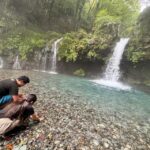
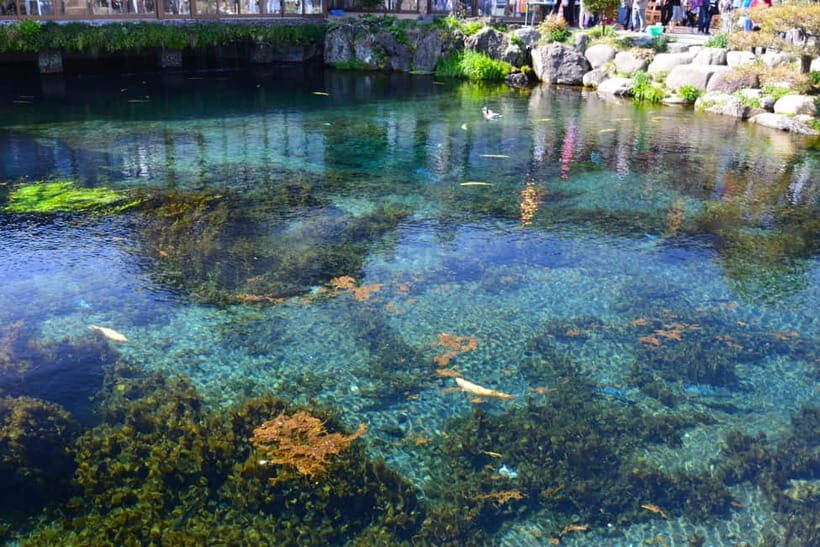
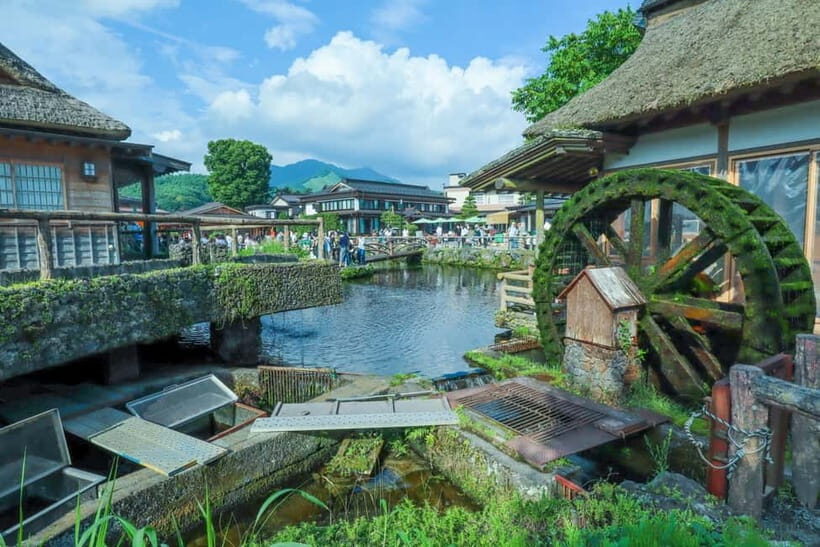
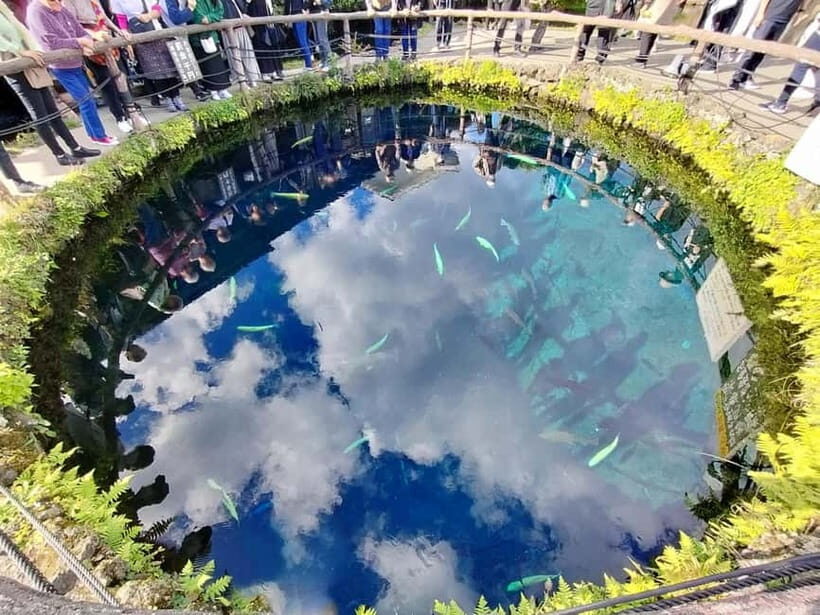
Your final major stop is Oshino Hakkai, a site known for eight ponds fed by snowmelt from Mount Fuji. You’ll have about 50 minutes for visiting, free time, and some shopping.
On paper, Oshino Hakkai sounds like pure nature: wooden pathways, green surroundings, and pond water that reflects Fuji’s shape and mood. That “snowmelt fed, national natural monument” description is why people stop here.
In practice, you’ll get the full combo of scenic ponds plus tourist infrastructure. The tour description also signals shopping time, and the vibe can feel more like a famous roadside attraction than a hidden retreat. Some days you may notice more souvenir activity than you expected, so if you’re chasing total quiet, aim your mindset at “tranquil nature, popular setting,” not “solitude.”
Still, the ponds are the point. Walk the paths at an unhurried pace, watch how the light changes across the water, and take photos without blocking walkways. The time is short, so choose 2–3 ponds you really want rather than trying to hit all eight like a checklist.
This is also a nice closing note to the day: it balances the earlier Fuji views from height and shows Fuji’s influence at ground level, through water and local geography.
How the day runs from Tokyo (and why timing can shift)
This tour is listed as 10 hours from Tokyo, with a departure that happens regardless of weather or traffic conditions unless you’re notified otherwise by the local operator.
That matters because the itinerary is fixed only in spirit. If roads are slow (holidays, rain, congestion), you might see reduction in planned attractions without refunds. And if there’s a vehicle issue, the day can stretch with added waiting time, which can shrink your time at stops.
You also need to arrive on time. The instructions say to be at the meeting point 10 minutes before departure, and they won’t wait for delays or late arrivals. Also, the tour uses starting point options:
- Ueno Onshi Park
- Shinjuku Post Office
Your exact meeting point can vary based on what you booked, so verify the address before you head out.
Group and vehicle realities: the tour includes an air-conditioned vehicle, but some days may use a smaller setup (minibus-style), which can feel tight on longer rides. If you’re bringing a bag, keep it manageable. The tour also lists no oversize luggage, so pack like you’re commuting, not moving apartments.
Price and value: is $74 worth it for this Fuji loop?
At $74 per person, this day trip is in the “good value if it matches your priorities” category.
Here’s why it’s potentially worth it:
- You’re paying for round-trip transportation from Tokyo plus all fees and taxes.
- You get a live English/Chinese guide.
- You hit multiple classic Fuji-area stops in one shot: 5th Station, Lake Kawaguchi area, Hikawa Clock Shop, Fuji Michi, and Oshino Hakkai.
Here’s why it might not be worth it for everyone:
- The most important payoff—Mount Fuji visibility—is not controllable. Rain and cloud can limit views at the 5th Station.
- Stop times are short. If you love museums, long walks, or slow photo sessions, you’ll feel time pressure.
My rule of thumb: book this if you want a structured, first-timer-friendly day with plenty of photo moments and you can handle “weather decides the drama.” If you want guaranteed summit views or lots of time per location, you’ll likely prefer a longer or more flexible option.
Who this tour suits (and who should skip it)
This tour is best for you if:
- You want a tight itinerary with big-name Fuji landmarks.
- You’re okay with quick photo stops rather than deep exploration.
- You like local food breaks and short “wander windows,” like at Lake Kawaguchi.
It may be a poor fit if:
- You need mobility assistance. The tour is not suitable for wheelchair users or people with mobility impairments.
- You hate group pacing or tight timing.
- You want a guaranteed view of Mt. Fuji from every stop. This is a plan-first tour, not a guaranteed-sunshine tour.
One more practical fit check: if you’re sensitive about language comfort, know that while the tour lists English/Chinese guides, guide language can vary depending on how the group is organized.
Should you book this Halfway Up Mt. Fuji day tour?
If you’re doing Japan for the first time and want a classic Mount Fuji day without the stress of trains and transfers, I think it’s a smart pick. The best moments are the 5th Station viewpoint attempt (especially on clear days), the lake-side lunch reset, and the pond walk at Oshino Hakkai.
Book it if you can accept the weather gamble and you’re willing to move on schedule. Skip it if you need long time at each stop, rely on perfect visibility for your photos, or want an unhurried nature experience away from crowds.
Bring rain gear, pack light, arrive early, and keep your expectations practical. Do that, and you’ll come away with a full Fuji day that feels like Japan—without needing a complicated itinerary of your own.
FAQ
What are the main stops on this Mount Fuji day tour?
You’ll visit Mt. Fuji 5th Station (or a World Heritage Center alternative if closed), stop at Lake Kawaguchi for photos and lunch/free time at Kawaguchiko Craft Park, make a photo stop at Hikawa Clock Shop, do a photo stop at Fuji Michi (Honcho Street), and finish with Oshino Hakkai.
How long is the tour?
The duration is listed as 10 hours (approximate and may vary with traffic).
Where do I meet the tour in Tokyo?
You can choose between Ueno Onshi Park or Shinjuku Post Office as starting locations, and the exact meeting point may vary depending on the option you book.
Is Mt. Fuji 5th Station guaranteed?
No. The day depends on operations and conditions. If Mt. Fuji 5th Station is closed, the tour adjusts to visit the Yamanashi Prefectural Mt. Fuji World Heritage Center.
What happens if the weather is bad?
The tour can still run, and Mount Fuji visibility depends on weather. If severe traffic or conditions happen, planned attractions may be reduced without refunds. You may have less scenic visibility on the day.
Is lunch included?
A lunch break is part of the plan at Kawaguchiko Craft Park. The details also mention a free meal plan for some customers, so whether a meal is included can depend on your booking.
Do you get free time at Lake Kawaguchi and Oshino Hakkai?
Yes. At Lake Kawaguchi, you’ll have about 60 minutes of free time. At Oshino Hakkai, you’ll have free time plus shopping (about 50 minutes total for that stop).
What languages is the tour guide available in?
The guide is listed as English-speaking and Chinese-speaking, and depending on the group, both languages may be shared within the same bus.
Who is this tour not suitable for, and what’s not allowed?
It’s not suitable for wheelchair users or people with mobility impairments. Oversize luggage is not allowed, and smoking, alcohol, and drugs are prohibited.