REVIEW · FUJINOMIYA
From Tokyo: Mt. Fuji, Hakone, Owakudani & Lake Ashi Bus Tour
Book on GetYourGuide →Operated by Travel Japan Together · Bookable on GetYourGuide
Fuji in one day is a tall order. I love the way the Hakone Ropeway lays out the valleys in one long view and how Owakudani lets you feel Japan’s volcanic energy up close. The only catch: Mt. Fuji can vanish in bad weather.
This 10-hour trip from Shinjuku is a practical fix for people who want big scenery without map stress. You get an English-speaking guide, transport both ways, entry fees, and scheduled photo stops, but lunch is on you, so plan ahead.
In This Review
- The Big Picture: What This Tokyo-to-Fuji Day Trip Really Gives You
- Key Highlights You’ll Actually Notice
- Meeting Point in Shinjuku: Arrive Early or You’ll Miss the Day
- The 2-Hour Drive: You’re Trading Transit Stress for Time in the Views
- Mt. Fuji Photo Stops: Iconic, But Weather-Dependent
- Hakone Time at Arrival: First Glimpse Before the Ropeway
- Hakone Ropeway (About 1 Hour): Where Panoramas Become Real
- Owakudani Volcanic Valley (About 1 Hour): The Geology Side of Japan
- Lunch in Hakone (About 1 Hour): Not Included, So Plan for Cash
- Hakone Shrine (About 1.5 Hours): A More Spiritual Pause
- Lake Ashi Cruise (About 1.5 Hours): The Day’s Calm Finale
- Price and Value: Is $60 Worth It?
- Group Tour vs Private Feel: Choose the Version That Fits Your Style
- Things to Know Before You Go (So the Day Stays Fun)
- Should You Book This Tour?
- FAQ
- FAQ
- How long is the Mt. Fuji, Hakone, Owakudani & Lake Ashi bus tour from Tokyo?
- Where do I meet the tour in Tokyo?
- Is lunch included in the tour price?
- Do I get an English-speaking guide?
- Is transportation included?
- Are entry fees included?
- Can I cancel for a full refund?
- Do I need to use WhatsApp?
- Is the tour wheelchair accessible?
The Big Picture: What This Tokyo-to-Fuji Day Trip Really Gives You
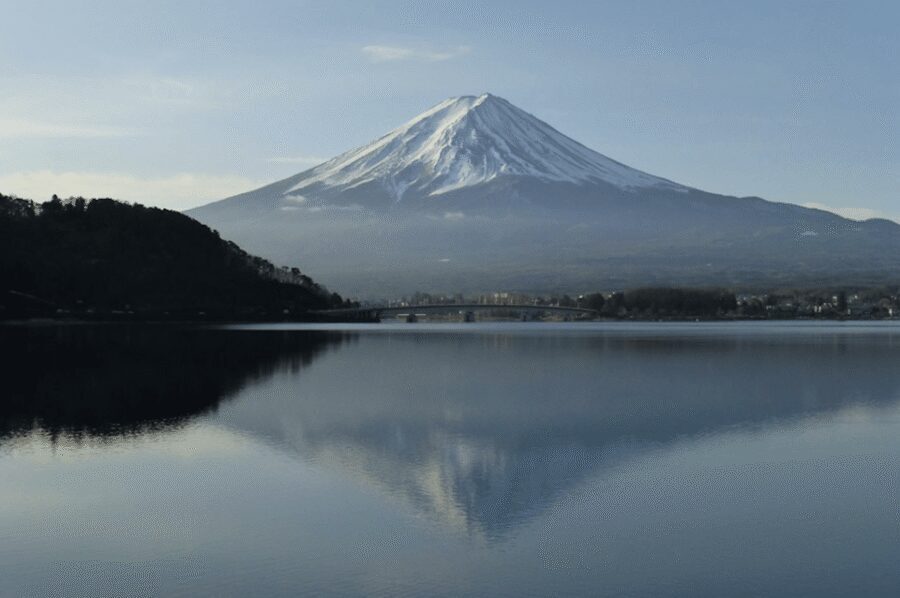
This tour is built for one thing: maximum payoff in a single day. You’re not just seeing Mt. Fuji from a distance. You’re also getting Hakone’s geothermal side and a calm Lake Ashi cruise that changes the mood completely.
The best part is the mix. You start in a classic Mt. Fuji setting, switch to high views from the ropeway, then step into a volcanic zone with steam and sulfur activity. Finally, you end on the water—usually the easiest part of the day to relax into.
If you’re the type who hates tight trains, missed connections, and scrambling for tickets, this format helps. And if you care about the “why” behind what you see, the English guide adds real context at each stop.
Still, keep your expectations honest: Mt. Fuji visibility depends on clouds, haze, and luck. Plan your day so you’d be happy even if you get partial views.
Key Highlights You’ll Actually Notice
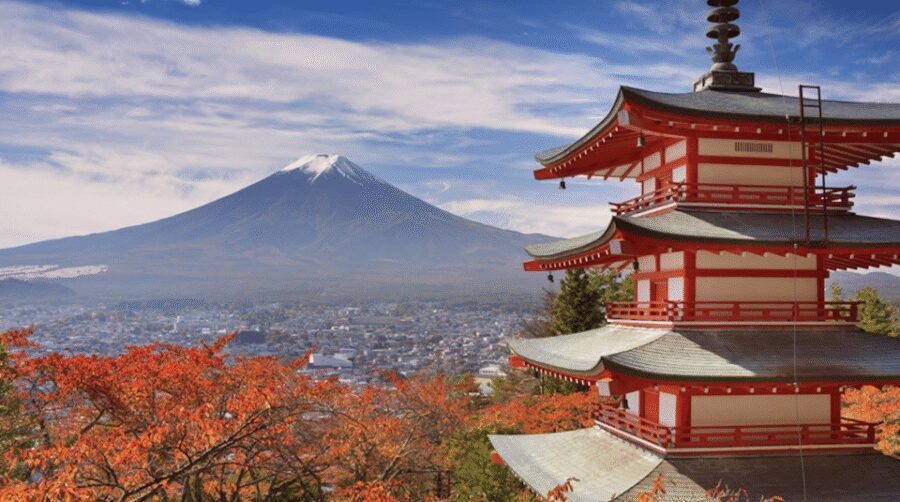
- A full circuit of Mt. Fuji, Hakone Ropeway, Owakudani, and Lake Ashi in one day from Tokyo
- Owakudani’s active volcanic valley with steam vents and sulfur-related scenery
- Hakone Ropeway panoramic rides that make geography feel easy to understand
- Lake Ashi cruise with a chance at Mt. Fuji views across the water
- English-speaking guide + included entry fees so you’re not constantly figuring out logistics
You can also read our reviews of more tours and experiences in Fujinomiya.

Meeting Point in Shinjuku: Arrive Early or You’ll Miss the Day
You meet in front of the LOVE Statue in Shinjuku. It’s simple, but the timing is strict. The bus leaves on schedule, without waiting even by one minute, and joining late isn’t possible.
So here’s my practical advice: show up 15 minutes early, then give yourself a buffer to find the right pickup spot. You’ll also want your phone ready because the guide contacts you via WhatsApp, and the tour info asks you to download it before you go.
This matters because the rest of the day depends on the route moving on time. When you’re doing Fuji and Hakone in one loop, one late arrival can ripple into shortened stops.
The 2-Hour Drive: You’re Trading Transit Stress for Time in the Views
After pickup, you’re on the coach for about two hours heading toward the Mt. Fuji region. You don’t get to wander the highway scenery much, but that’s the bargain: you exchange freedom for convenience.
Use the drive wisely:
- Grab water and a snack if you like, because lunch isn’t included.
- Have a backup plan for photo timing. Fuji is a weather-dependent star.
Even though the bus ride is just the “getting there” part, it sets up the day’s rhythm. Instead of juggling transfers, you go straight from Tokyo into the countryside with a guide who’s already tracking the schedule.
Mt. Fuji Photo Stops: Iconic, But Weather-Dependent
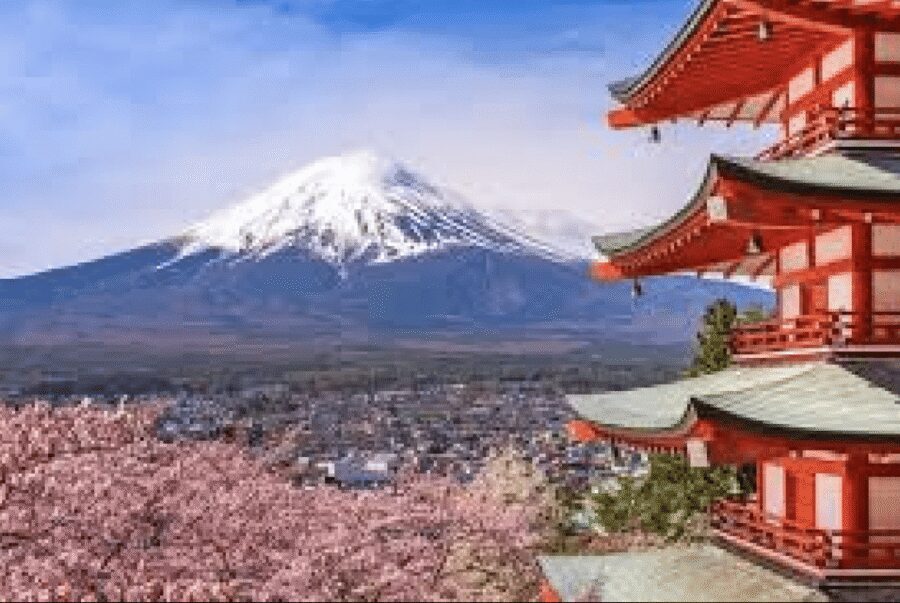
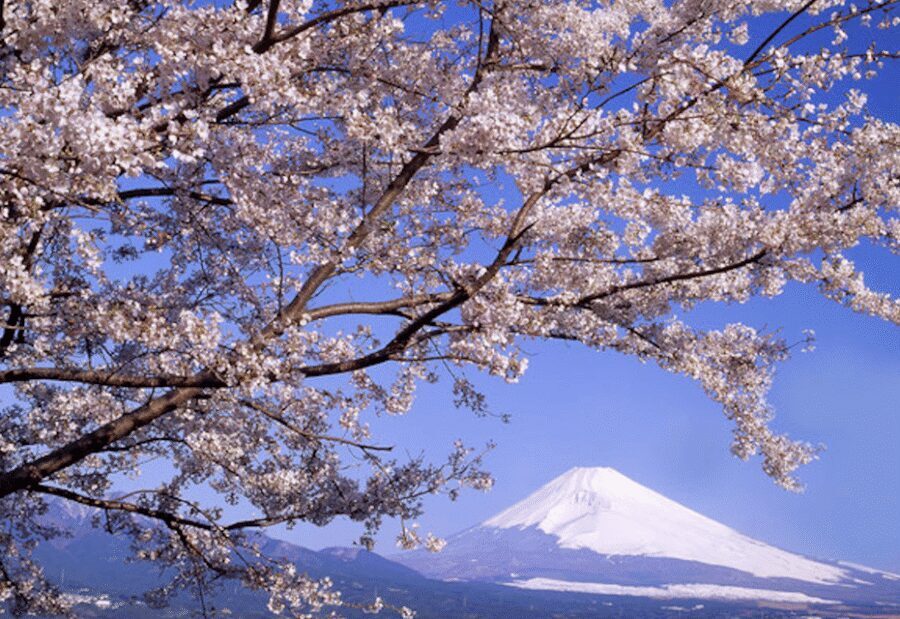
The itinerary includes time for Mt. Fuji area sightseeing, with photo stops depending on visibility and conditions. Mt. Fuji is the UNESCO-listed symbol of Japan, and it’s famous for its elegant shape and spiritual role in Japanese tradition.
What’s valuable here is the framing. With an English guide, you’re not just looking at a mountain—you’re learning how people have related to it through art, history, and belief.
The drawback is the one you already know, but it’s worth stating plainly: Mt. Fuji visibility can be affected by weather conditions. If clouds roll in, don’t let it ruin your mood. Hakone and Owakudani can still feel dramatic even without a clear, perfect peak in every photo.
Hakone Time at Arrival: First Glimpse Before the Ropeway
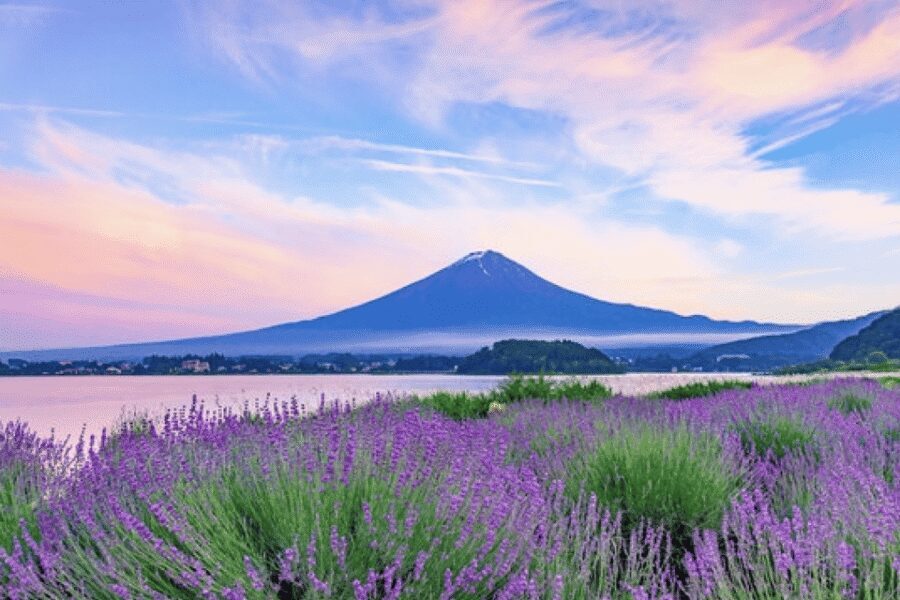
You get a short Hakone stop (about 30 minutes). This is your window to get oriented and do quick sightseeing before the main “viewing machine” kicks in.
Think of this part as:
- stretching your legs after the ride
- taking early photos before the schedule tightens
- grabbing cash if you need it
Some scenic spots and restaurants may only accept cash, and the tour guidance explicitly asks you to bring some along. If you wait until after lunch, you can end up trying to find an ATM when you’re hungry and the line is long.


Hakone Ropeway (About 1 Hour): Where Panoramas Become Real
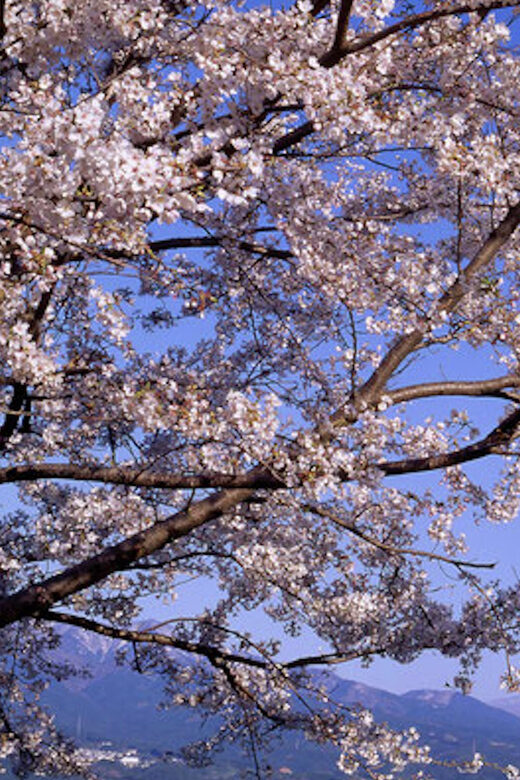
Next comes the Hakone Ropeway, about an hour with sightseeing time. This is one of the highlights for a reason: you get panoramic views across mountains and valleys, and on clear days you may also spot Mt. Fuji from above.
Why this stop works so well in a one-day tour:
- It compresses “big views” into a short timeframe.
- The ride itself helps you understand how the region is shaped.
- It’s different from the road-level look you had in Tokyo.
Practical note: ropeway weather can change fast. If you’re going in cooler months, bring layers. Wind is a thing up there, and photos come out better when you’re comfortable enough to stand still and frame shots.
Owakudani Volcanic Valley (About 1 Hour): The Geology Side of Japan
Then you hit Owakudani, the active volcanic valley. This part is all about geothermal reality: steam vents and sulfur activity, plus rugged terrain you view along designated paths.
If you like places where nature is clearly doing something powerful, this is the portion that tends to stick in your memory. It’s not “pretty scenery” in the soft sense. It’s the other side of Japan’s landscape story—heat, steam, and the fact that the earth is still awake.
A realistic consideration: because it’s volcanic and active, the environment can feel intense. Wear shoes that are comfortable for walking on uneven ground, and keep an eye out for conditions that make paths slippery.
Also, this is where the day’s pace can start to feel like a sprint if you’re the type who wants slow photos. You get about an hour here, so be ready to choose what you want most:
- a few solid viewpoints
- a walk to see the steam and sulfur areas
- a photo you’ll actually use later
Lunch in Hakone (About 1 Hour): Not Included, So Plan for Cash
Lunch is scheduled for about an hour in Hakone, and it is not included. That’s not a problem if you’re prepared, but it does mean you should think ahead.
Bring cash. The tour notes say some restaurants and scenic spots may only accept cash payments. Also, the group timing means you may not have time to bounce around looking for the perfect meal.
How to make this lunch hour work:
- choose a place close to where you’re dropped/collected
- expect a quick decision window
- keep it light if you want energy for Hakone Shrine and Lake Ashi
If you’re traveling with dietary restrictions, it’s smart to check your own comfort with Japanese menus in advance, since the tour doesn’t mention special meal accommodations.
Hakone Shrine (About 1.5 Hours): A More Spiritual Pause
After lunch, you head to Hakone Shrine for about 1.5 hours. This stop is a nice contrast after the volcanic intensity.
A shrine visit gives your brain a breather. You shift from steam and sulfur tones to a calmer, more ceremonial feel. And if you’ve been learning about Fuji as a cultural symbol earlier in the day, this part helps connect the dots between nature, belief, and everyday life in the Hakone region.
It’s also a good time to wander slowly rather than only photo-run. You’ll likely find spaces where you can sit, people-watch, or just soak in the change of pace before the final boat portion.
Lake Ashi Cruise (About 1.5 Hours): The Day’s Calm Finale
Finally, you cruise on Lake Ashi for about 1.5 hours. This is a crater lake surrounded by forested hills, and the big draw is the mood shift. Instead of walking and riding, you’re floating.
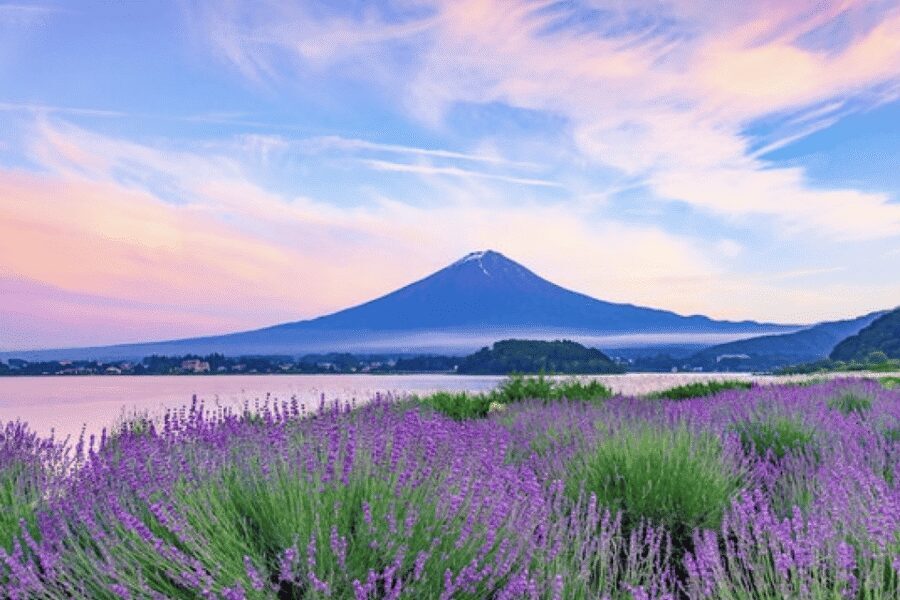
From the water, you can sometimes see Mt. Fuji in the distance, depending on conditions. Even when the mountain is partially hidden, the lake view still gives you a different sense of scale and distance than Hakone’s viewpoints.
This is also a good moment to slow down on photos. Shorelines move, the light changes, and your best shots often come after you stop chasing them. Use the time to watch the scenery and let the day’s intensity fade.
Price and Value: Is $60 Worth It?
For about $60 per person with a 10-hour guided plan, transport, English-speaking guide, entry fees, and photo stops, the value is strong—especially if you’re trying to do Mt. Fuji + Hakone in one day without managing transfers.
The main thing you’re paying for is structure:
- the route from Tokyo
- the timing between distant spots
- someone handling the “how do we get there” details
The tradeoffs are also clear:
- lunch isn’t included
- Mt. Fuji depends on weather
- you’re on a schedule, not roaming freely
In my view, it’s best value for people who want the highlights and don’t want to spend their day planning. If you’d rather linger at one viewpoint for hours, a flexible private plan or a multi-day itinerary may suit you better.
Group Tour vs Private Feel: Choose the Version That Fits Your Style
One key theme that comes up with this kind of tour style is how it feels when you’re in a larger group. If you want a more personal vibe, look for the option that uses a private vehicle setup.
The upside of a private-vehicle approach is simple: you often get more attention from the guide and a smoother sense of pacing. The downside is mostly about cost and availability, which isn’t spelled out here, so check your booking options.
If you’re okay moving with a group and you care most about hitting the major sights, the standard bus format can work great. You still get the guide support and included logistics.
Things to Know Before You Go (So the Day Stays Fun)
A few must-do checks based on the tour rules and practical notes:
- You must arrive at least 15 minutes early at the Shinjuku LOVE Statue pickup.
- The guide contacts you via WhatsApp, so have it ready.
- Mt. Fuji visibility isn’t guaranteed; weather is the boss.
- Return timing can shift on weekends or peak seasons due to traffic and conditions, which can shorten some stops.
- Bring some cash for places that don’t take card.
- This tour isn’t suitable for wheelchair users.
If you build your plans around these points, you’ll enjoy the day more and worry less.
Should You Book This Tour?
Book it if:
- you want Mt. Fuji and Hakone highlights in one day
- you like having an English guide explaining what you’re seeing
- you prefer fewer logistics tasks from Tokyo
- you’re fine with an outdoor day where the weather controls the view
Skip or switch plans if:
- Mt. Fuji visibility is non-negotiable for you and you’d be very disappointed without clear views
- you want lots of free time to wander slowly and independently
- you need wheelchair accessibility
My take: this is a strong “first-taste” day. You’ll come away knowing how Mt. Fuji fits into Japanese culture, why Hakone is known for geothermal activity, and what Lake Ashi feels like when the day slows down.
FAQ
FAQ
How long is the Mt. Fuji, Hakone, Owakudani & Lake Ashi bus tour from Tokyo?
It runs for 10 hours total.
Where do I meet the tour in Tokyo?
You meet in front of the LOVE Statue in Shinjuku.
Is lunch included in the tour price?
No, lunch is not included.
Do I get an English-speaking guide?
Yes, the tour includes an English-speaking guide.
Is transportation included?
Yes. The tour includes transportation by bus or private vehicle.
Are entry fees included?
Yes, entry fees are included.
Can I cancel for a full refund?
Yes, you can cancel up to 24 hours in advance for a full refund.
Do I need to use WhatsApp?
Yes. The guide will contact you through WhatsApp, so you should download it before the tour.
Is the tour wheelchair accessible?
No, it’s not suitable for wheelchair users.