REVIEW · HIROSHIMA
HIROSHIMA ORIZURU TOWER Admission Ticket
Book on GetYourGuide →Operated by HIROSHIMA ORIZURU TOWER Co.,Ltd. · Bookable on GetYourGuide
Hiroshima from the top, with meaning below. The Hiroshima Hills observatory gives you wide views across Peace Memorial Park and out toward Miyajima, and the Orizuru Square turns a simple walk into a hands-on peace ritual.
I also like how the experience is clearly built for you to do something, not just look: you fold origami cranes, then post them to the Orizuru Wall as part of the message of hope.
The main drawback is that this visit isn’t a long museum day. If you’re expecting lots of galleries and deep text, you might find it a shorter, lighter kind of stop—more “activity + view” than “hours of exhibits,” with the best payoff coming from the interactive parts and the skyline.
In This Review
- Key highlights you should care about
- Hiroshima Orizuru Tower in one sentence: views plus a peace craft
- Before you go: what kind of day this is (and what it isn’t)
- The first ascent: reaching Hiroshima Hills observatory views
- A small practical note
- Orizuru Square: the origami part that makes the ticket feel personal
- What if you’re not into crafts?
- The Orizuru Wall: where your crane becomes part of the message
- Spiral Slope Sampo and the 2045 Nine Hopes art project
- Café and shops: the practical payoff between viewpoints and art
- The café
- The shops
- How long it really takes (and how to pace yourself)
- Ticket value: is $14 worth it?
- Who this fits best in Hiroshima
- Should you book the Hiroshima Orizuru Tower?
- FAQ
- What does the Hiroshima Orizuru Tower ticket include?
- Where do I exchange my voucher?
- How long is the experience?
- What’s the main highlight inside the tower?
- Is the tower wheelchair accessible?
- What’s the policy if plans change?
Key highlights you should care about
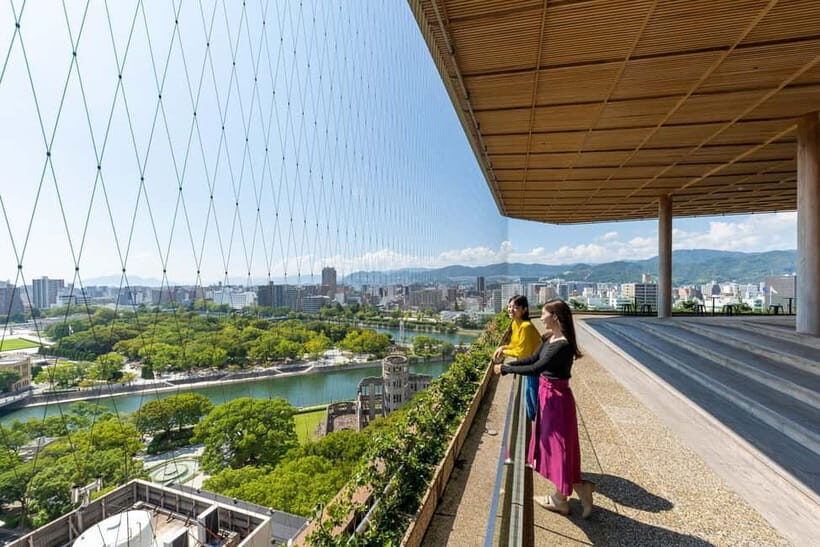
- Hiroshima Hills rooftop observatory: big-picture views toward Peace Memorial Park and Miyajima
- Orizuru Square origami tradition: fold cranes as part of a peace-focused cultural activity
- Orizuru Wall posting: leave your own folded crane, adding to the ongoing wall
- Spiral Slope Sampo + 2045 Nine Hopes: an art walk timed to the centennial story
- On-site café and Hiroshima specialty shops: snacks and seasonal drinks you can actually use as a recharge
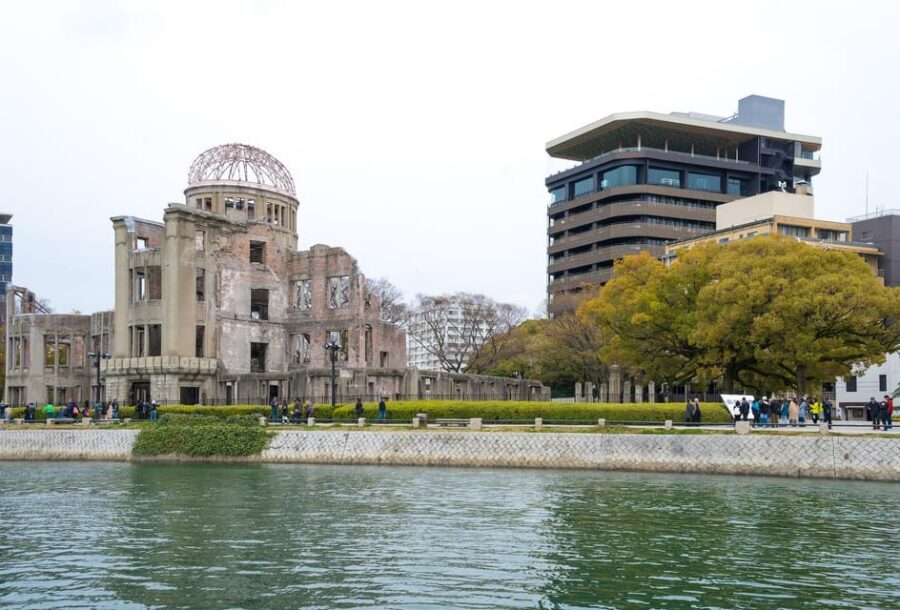
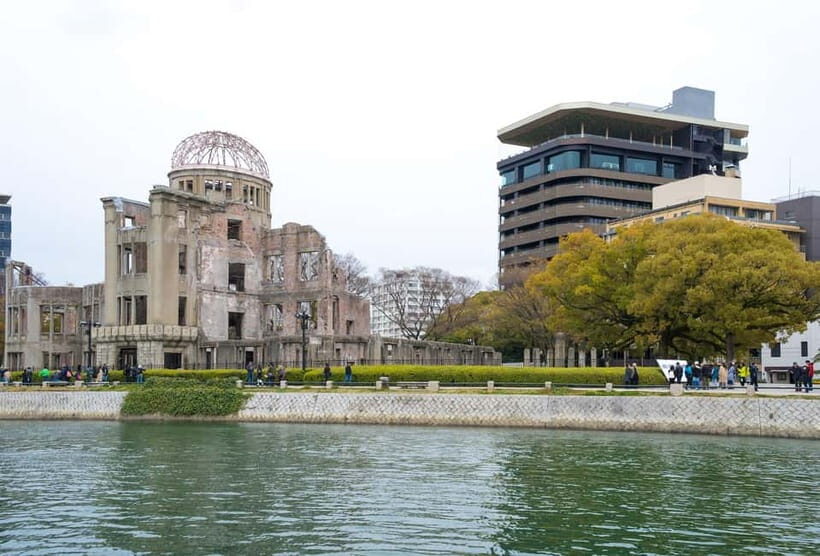
- Built in 2016 next to historic memory: a modern counterpoint to the Atomic Bomb Dome area
Hiroshima Orizuru Tower in one sentence: views plus a peace craft
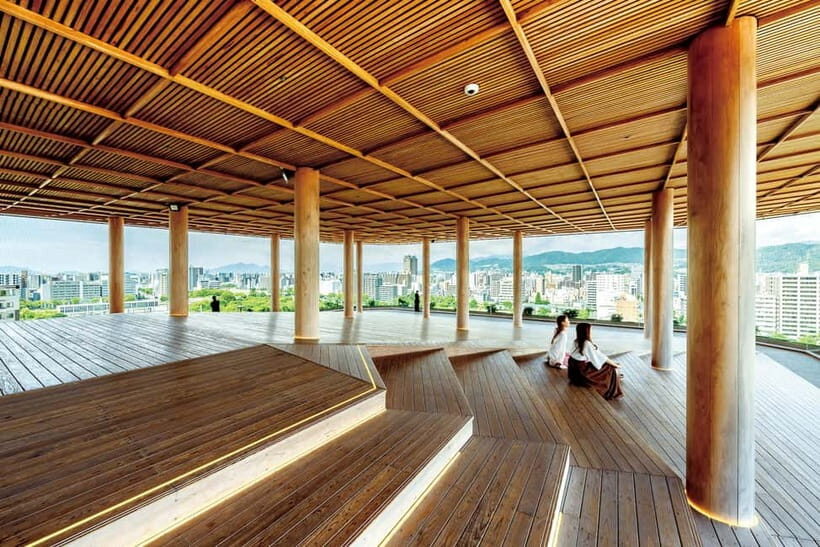
The Hiroshima Orizuru Tower is a tall, modern structure that sits in the orbit of Hiroshima’s most serious places—yet it doesn’t try to be heavy-handed. Instead, it gives you height for perspective and a simple, human activity for meaning: fold an origami crane, then add it to the Orizuru Wall.
At $14 per person for an experience you can finish in about a day, the value depends on what you like. If you enjoy skyline views and you’re willing to participate (even briefly) in a cultural ritual, it’s a solid purchase. If you’re only interested in photo ops and nothing else, you might feel done faster than you expected.
A few more Hiroshima tours and experiences worth a look
Before you go: what kind of day this is (and what it isn’t)
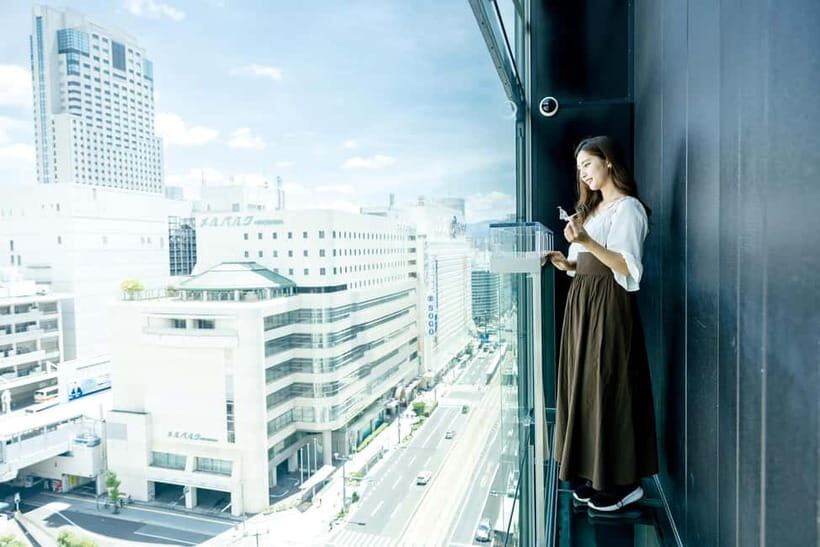
This is not a “park all afternoon and read everything” kind of outing. You’ll move through a sequence of spaces, with the ticket focused on:
- Observatory access (the rooftop viewpoint)
- Posting to the Orizuru Wall (the crane part)
That structure matters. It means you’re paying mainly for the combination of panoramic views and the interactive peace message, plus a pathway that leads to a specific art project.
If your Hiroshima trip already includes major memorial time, this tower can act like a clean second act. You get a breather from the ground-level density, and you trade silence and signage for a guided-by-design flow: up for the view, inside for the cranes, and along the slope for the art themed around future hopes.
The first ascent: reaching Hiroshima Hills observatory views
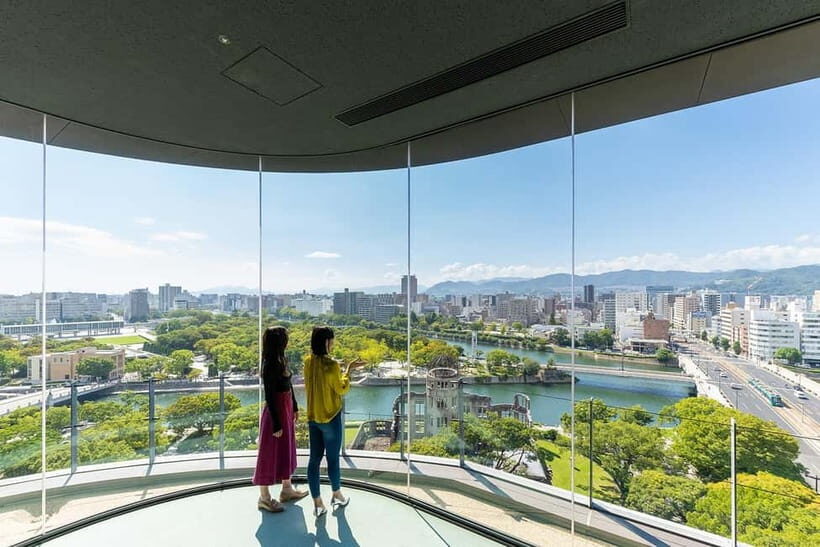
The experience starts with the climb to Hiroshima Hills, the rooftop observatory. This is where the tower earns its reputation fast. The viewpoint is designed for wide sightlines, so you can see the city as more than just a destination—you see it as a place with shape, coastline direction, and distance.
From up there, you get a dual perspective:
- You can take in Peace Memorial Park from above, giving you a sense of the area’s layout and scale.
- On clearer sightlines, you can also look out toward the distant shore of Miyajima, which helps you remember Hiroshima isn’t only a memory site—it’s also a gateway to everyday life and travel.
Why I think this stop works: it helps you reset your brain. Ground-level memorial spaces demand focus; the rooftop view lets you come back to your own sense of place in the world. Even if you’re there for serious reasons, looking out over the city is a practical way to orient yourself.
A small practical note
If you’re photographing, give yourself a little buffer time. Rooftop viewing sounds quick, but you want the moment where you can walk a few steps and re-frame—otherwise you’ll rush the best angles.
Orizuru Square: the origami part that makes the ticket feel personal
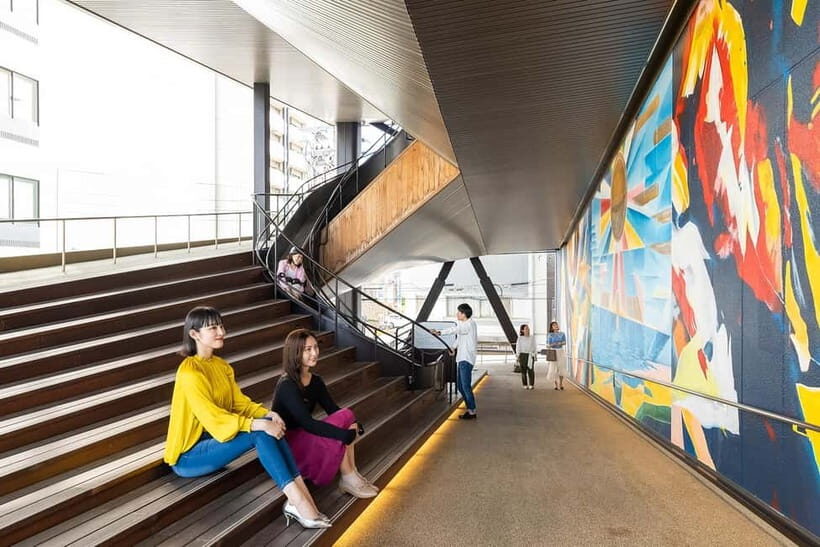
After the skyline, you move indoors to Orizuru Square, where the tone shifts from “look” to “do.” This is where the tower leans into Japanese tradition and an act of peace-making through paper folding.
The idea is beautifully simple:
- You fold origami cranes.
- Then you add your crane to the Orizuru Wall.
What makes this area especially worthwhile is that it’s interactive without being complicated. You’re not sitting through a lecture. You’re not required to be an expert. You just participate, and the wall does the rest by turning your small effort into a visible contribution.
From the feedback people leave after visiting, the origami experience is one of the most praised pieces, because it turns the visit from passive sightseeing into a small personal ritual. Even if you only spend a short time here, you’ll likely remember the feeling of making something with your hands.

What if you’re not into crafts?
You’ll still get value if you treat it like a gentle break. It can be a good change of pace after memorial time. And you’ll end up with a tangible action tied to the theme of hope, not just another photo.
The Orizuru Wall: where your crane becomes part of the message
The Orizuru Wall is the moment the tower turns individual participation into a collective display. The ticket includes the Orizuru Wall posting, so your crane isn’t just a prop—it’s meant to be added to the ongoing wall.
This is the part that feels emotionally “correct,” because it’s not only about what you did. It’s about what happens after. When you place your crane, you’re joining a long chain of visitors contributing their folded paper to the same visual message.
Even if you’re someone who usually skips activities like this, I’d still encourage you to do the posting. It takes the ticket from entertainment to meaning. And it’s a straightforward way to leave with something connected to your visit.
Spiral Slope Sampo and the 2045 Nine Hopes art project
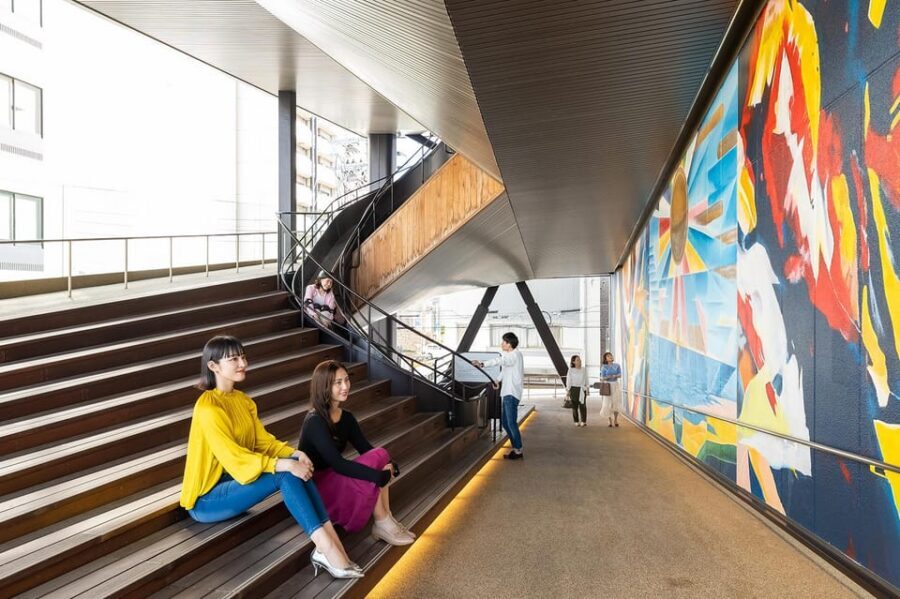
Next comes the SPIRAL SLOPE, also called Sampo. This isn’t just an architectural feature; it’s part of the story. The slope is designed as an ascent through time and imagination, and it leads you toward WALL ART PROJECT 2045 NINE HOPES.
Here’s what you should expect the theme to do:
- It links Hiroshima’s present-day identity with a future-facing message.
- The project is tied to the centennial of the war’s end.
- It features artists with Hiroshima connections, each projecting their hopes.
Why this matters for your visit: not every part of Hiroshima needs to be looked at only through the lens of the past. The tower adds another layer—future thinking—without pretending the past isn’t there. You’re still in Hiroshima. You’re just changing the angle.
If you’re the kind of traveler who wants your photos to have context, this art walk helps. It gives you something to look at while you move, so your time doesn’t feel like a one-note climb.
Café and shops: the practical payoff between viewpoints and art
After the crane and art elements, you’ll likely appreciate food and drink on site. The tower has a café and shops, which is useful because it keeps your day from turning into “figure out lunch somewhere nearby” stress.
The café
The on-site café serves handmade, healthy drinks, made mainly with local fruits. The stated idea behind it is seasonal foods offering peace of mind. Even if you don’t go for a full meal, a drink break can help you slow down after the vertical walking and the emotional focus points.
The shops
There’s also a permanent shop with Hiroshima specialty products that work well as souvenirs. This matters because it’s not just generic tourist merch—you’re shopping in the same place as the experience, so you can match what you bought to what you just did.
One more small reason to use the café/shop area: it gives you flexibility. If your origami and observatory time goes quickly, you can stretch the day without leaving the tower grounds.
How long it really takes (and how to pace yourself)

The ticket is valid for 1 day, but that doesn’t mean you need to pack every minute. In practice, think of the tower as a sequence:
- rooftop observatory time
- origami folding and posting
- slope + wall art
- a café break or shop browse if you still have energy
Pacing tip: do your photos, then come back for the activity with fresh focus. The crane wall and slope art are easier to appreciate when you’re not already tired from sprinting for the view.
Ticket value: is $14 worth it?
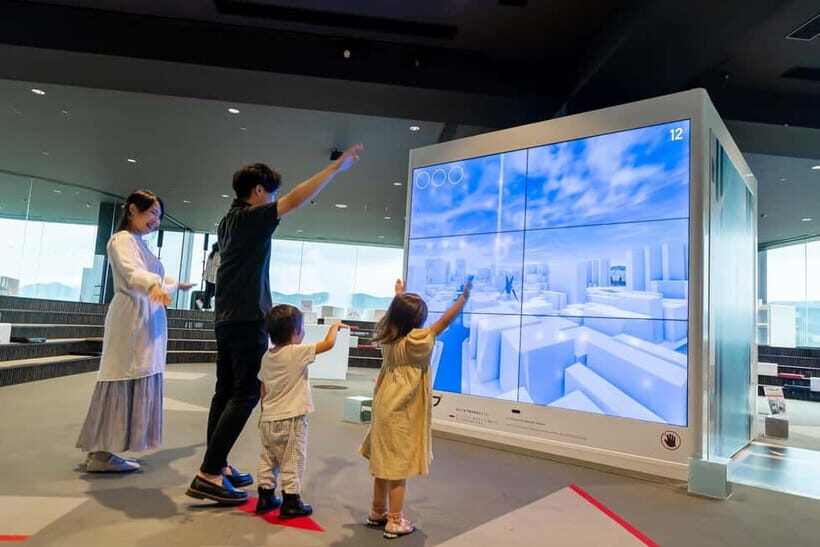
At about $14 per person, the tower is priced like an attraction that sells a specific combination: panoramic skyline access plus a peace message you actively participate in.
Here’s how I’d judge the value for your trip:
- If you want the observatory viewpoint, you’re already paying for an experience you can’t replicate from street level.
- If you’re willing to fold and post cranes, the interaction makes the ticket feel more complete. That’s what many visitors seem to remember most—the moment you add your own paper crane.
- If you prefer long museums, you may not love how quickly you can finish. That doesn’t mean it’s low quality; it means it’s a targeted stop.
Overall, I’d call it good value for a Hiroshima day because it blends view + meaning + a future-themed art element, and it does so in a time frame that fits real travel schedules.
Who this fits best in Hiroshima
This works especially well if you:
- want a high viewpoint without committing to an all-day excursion
- like experiences where you participate, not only observe
- want a Hiroshima stop that includes both reflection and a bit of creative optimism
It may be less satisfying if you:
- expect lots of lengthy galleries and extensive historical exhibits inside the tower
- don’t want to do the crane activity at all
Should you book the Hiroshima Orizuru Tower?
I’d book it if you want a practical, well-designed Hiroshima experience that mixes views, a hands-on origami crane tradition, and the future-themed 2045 Nine Hopes art stop. It’s a clean way to change pace from ground-level sites while still staying connected to the city’s emotional center.
Skip or reconsider if you’re only after a long museum crawl or you know you won’t enjoy the crane folding and posting. In that case, you might feel like you paid for a short hit of the skyline.
FAQ
What does the Hiroshima Orizuru Tower ticket include?
Your ticket includes the observatory admission fee and the Orizuru Wall posting.
Where do I exchange my voucher?
Show the QR code and exchange it for the voucher at the information counter on the 1st floor.
How long is the experience?
The ticket is valid for 1 day. You can use it within the available starting time window.
What’s the main highlight inside the tower?
The standout interior experience is Orizuru Square, where you fold origami cranes and then add them to the Orizuru Wall.
Is the tower wheelchair accessible?
Yes, the experience is listed as wheelchair accessible.
What’s the policy if plans change?
You can cancel up to 24 hours in advance for a full refund.