REVIEW · YOKOHAMA
Yokohama: Guided Cup Noodles Museum Tour & Make Your Own Cup
Book on GetYourGuide →Operated by gotcha Corporation · Bookable on GetYourGuide
Instant ramen has a surprising human story.
This guided Cup Noodles Museum Yokohama experience turns a quirky snack into a real-world innovation tale, with interactive exhibits, ramen production context, and a hands-on My Cup Noodles design workshop. I especially love how the tour keeps things practical and easy to follow, even when it’s talking about science and manufacturing. You also get a small-group setup, so your questions don’t get swallowed by the crowd.
My other favorite part is the cultural chat—your guide ties instant ramen to food habits around the world as you move through the museum. For example, guides like Nori, Tomo, Tomoko, and Andy were praised for helping with photos and making the history feel alive, not like a slideshow. The main drawback to consider: soups contain pork, and the guide asks people who are vegetarian or vegan to refrain from serving.
In This Review
- Key highlights worth planning for
- A tight 90 minutes that actually feels complete
- Why the Momofuku Ando story is the backbone of the visit
- Interactive exhibits: fun, yes, but also informative
- Global noodle talk with your guide (not just Japan facts)
- The workshop: designing your own My Cup Noodles package
- What’s included vs what you shouldn’t expect
- Price and value: is $70 for 90 minutes worth it?
- Dietary note that you should take seriously
- Who this tour suits best (and who might skip it)
- Tips to get the most out of the workshop
- Should you book this Cup Noodles Museum guided tour?
- FAQ
- How long is the guided tour and workshop?
- Is this tour offered in English?
- How large is the group?
- Where do I meet the guide?
- How much does the tour cost?
- What’s included in the price?
- Is ramen making included?
- Can I participate if I’m vegetarian or vegan?
- What is the cancellation policy?
- Can I book now and pay later?
Key highlights worth planning for
- Small group (max 4), which means more back-and-forth with your English guide
- Momofuku Ando focus, including a replica of the shed where he created the invention
- Interactive exhibits that explain how instant ramen became a global phenomenon
- Global noodle dish discussion, not just Japan-only facts
- My Cup Noodles Factory workshop, where you design your own package
- English live guide, with meeting at the main entrance and easy handoff
A tight 90 minutes that actually feels complete
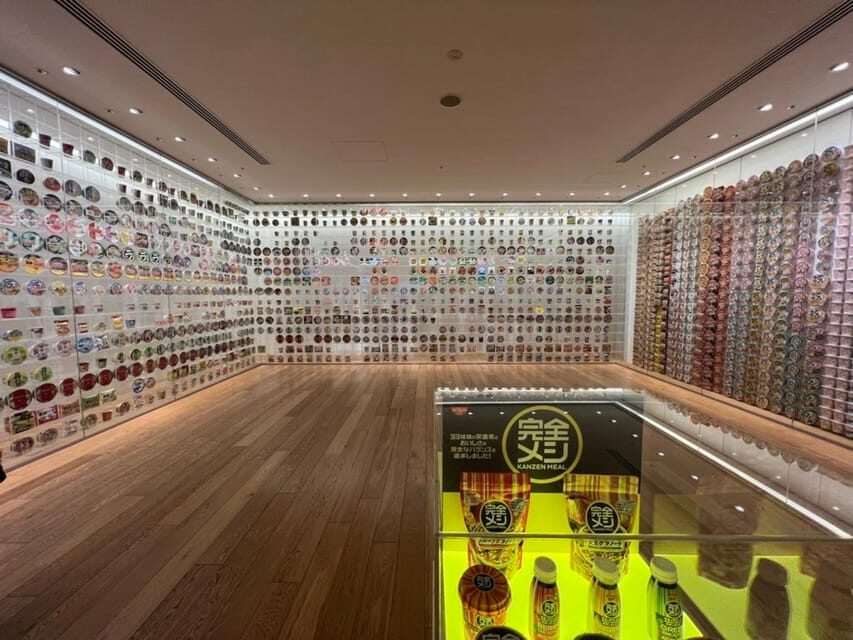
This tour is built for people who want the highlights without burning a whole day. You’re in and out in about 90 minutes, and the pacing is designed around a museum visit plus a workshop finish. The result is a compact experience that still covers story, process, and the fun part: making your own package.
You start at Cup Noodles Museum Yokohama, meeting your guide at the main entrance. The instruction is clear: don’t head to the front desk. Your guide waits at the entrance area holding a signboard with [gotcha] on it. That small detail matters because it saves time and keeps the tour from feeling hectic.
Also, the group stays small. With a limit of 4 participants, you don’t feel like you’re trapped in a moving herd. If you like asking questions—about how instant ramen changed daily life, or what makes different noodle textures—this format gives you room to do it.
You can also read our reviews of more guided tours in Yokohama
Why the Momofuku Ando story is the backbone of the visit
The museum’s main strength is that it treats instant ramen as invention, not just convenience. Your guide spends real time on Momofuku Ando, the founder of Nissin Foods, and what led him to create instant ramen. You’ll also see a replica of his work shed, which helps you picture the mindset behind the breakthrough—small, practical, and stubbornly inventive.
What I like about this focus is that it turns a food product into a human timeline. You’re not only learning what instant ramen is; you’re learning why it had to be invented in the first place and how it grew past its original purpose. For many visitors, that shift is the moment the museum stops feeling like a theme park and starts feeling like a real story.
And because the tour includes an English guide, you get the narrative thread. Instead of reading labels and hoping you guessed the right theme, you hear the connections explained in plain language.
Interactive exhibits: fun, yes, but also informative
You’ll walk through museum sections that explain the history and production process of instant ramen, with interactive elements along the way. The goal isn’t just to look at displays; it’s to understand what’s happening behind the scenes—how instant noodles are made stable, how the product is packaged for shelf life, and why that matters globally.
Here’s the practical value: after this visit, you’ll be able to talk about cup noodles without sounding like you’re quoting trivia. You’ll know the basics of how instant ramen became a global food phenomenon and why it traveled so well across cultures and kitchens.
And because this is a guided experience, you also get direction on what’s worth noticing. A museum can be full of interesting stations that blur together. With a guide, you get the “pay attention to this” points—so you leave with actual takeaways.
Global noodle talk with your guide (not just Japan facts)
One of the most enjoyable parts is the guided conversation about noodle dishes from around the world. Your guide ties the story of instant ramen to broader food culture—how people eat, how they rely on comfort foods, and how convenience products fit into daily routines.
This matters because instant ramen can feel like a stereotype if you only think of it as cheap or fast. The tour reframes it as something more nuanced: a food format that adapts, spreads, and becomes local in different ways. If you enjoy comparing food cultures (even casually), you’ll likely have fun with this section.
And yes, your guide’s personality shows here. Guides like Nori and Andy were specifically praised for adding extra background and taking the time to make the tour feel engaging. That kind of energy can make the difference between walking through exhibits and actually remembering the key ideas.
The workshop: designing your own My Cup Noodles package
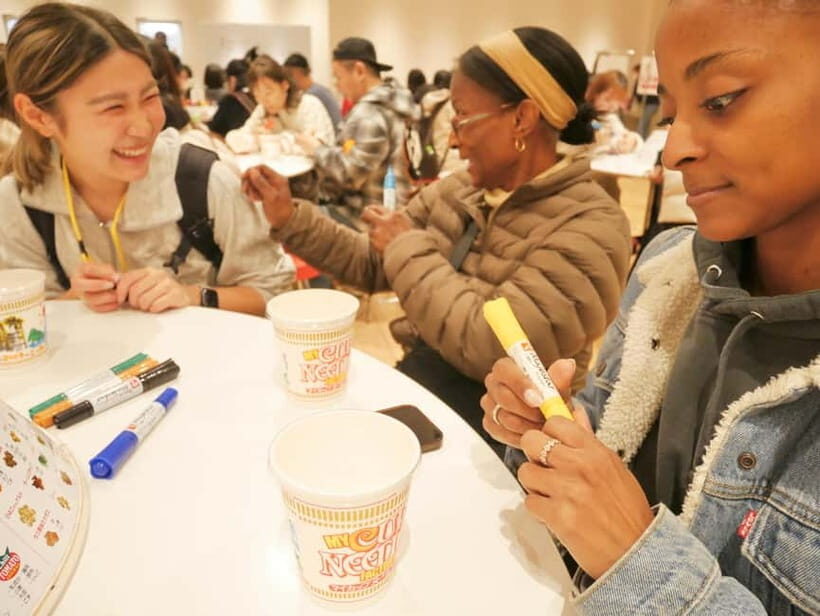
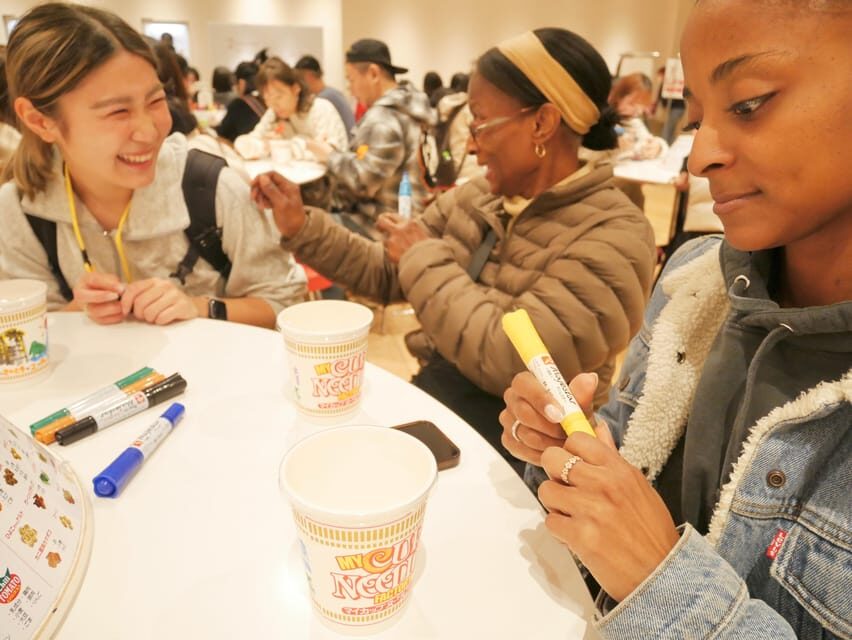
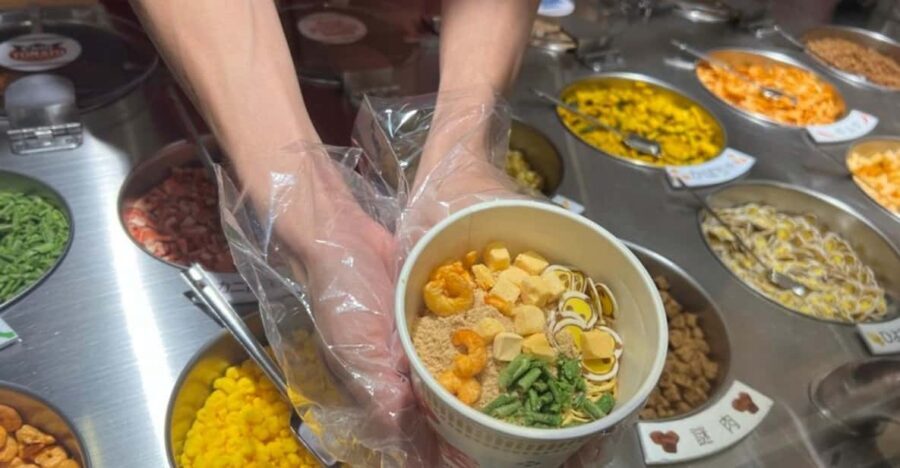
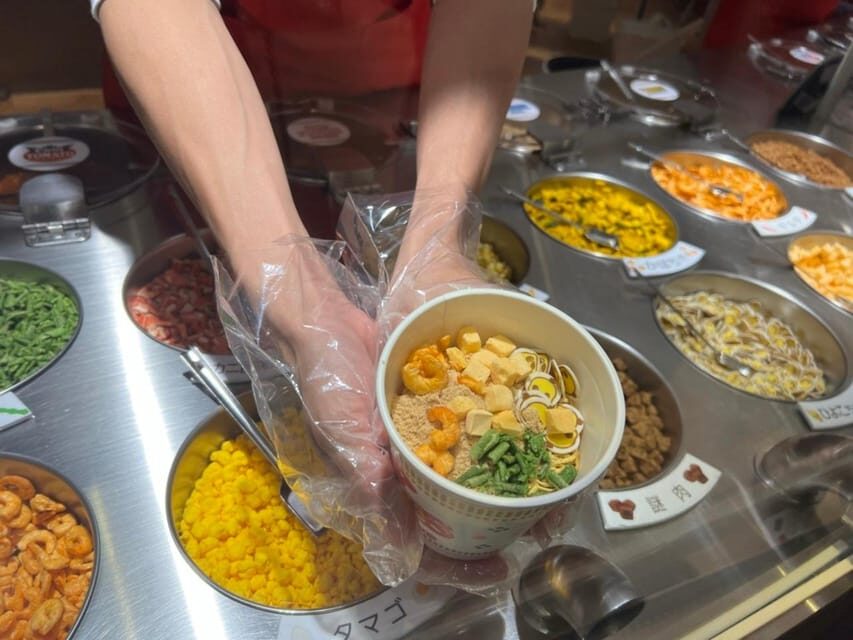
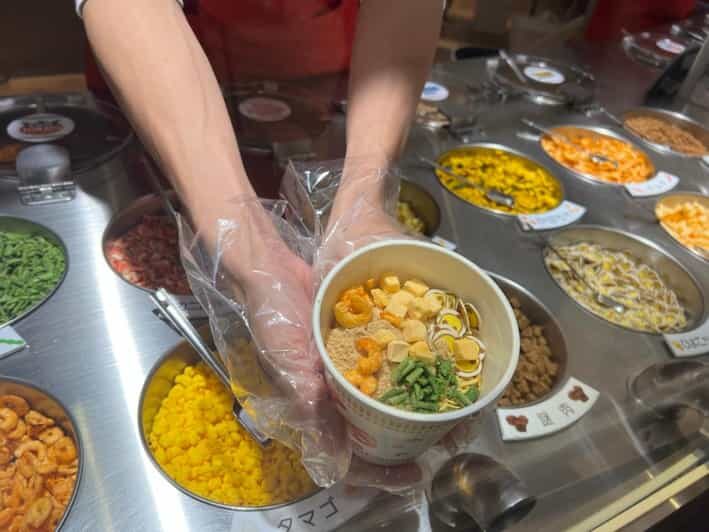
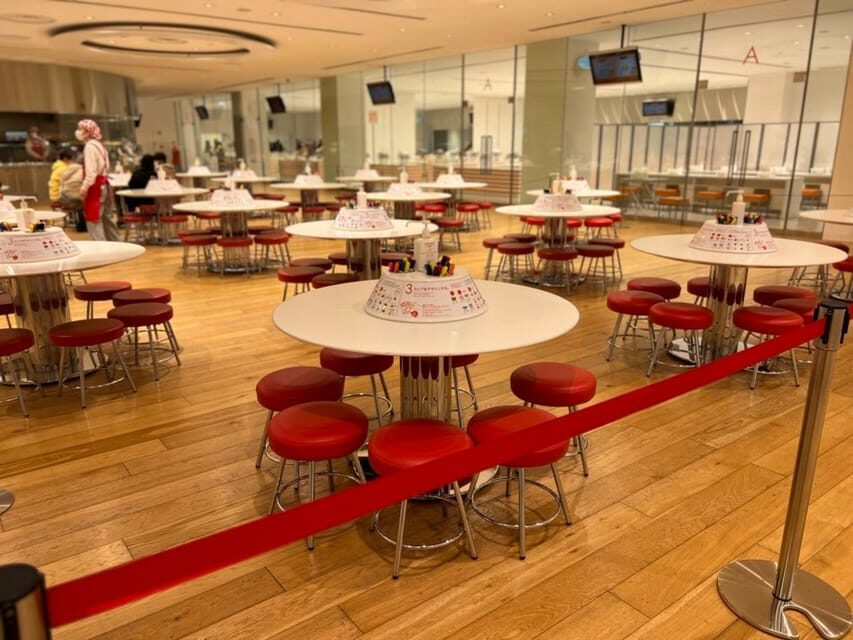
The hands-on portion is the highlight for most people for a reason: you don’t just learn about instant ramen—you create a version that feels personal. At the My Cup Noodles Factory, you design your very own cup noodle package, choosing among different soup bases and toppings.
Think of this as part craft, part souvenir, part food daydream. You get to make a combination that matches your taste, and you walk out with something more satisfying than a fridge magnet. Even if you’re not obsessed with food customization, the experience gives you a direct feel for how brands think about flavor building blocks.
One more practical note: this workshop is included, but there’s a separate line item that says ramen making experience is not included. So plan your expectations accordingly. This is about creating your package, not cooking a full meal from raw ingredients inside the museum.
You can also read our reviews of more museum experiences in Yokohama

What’s included vs what you shouldn’t expect
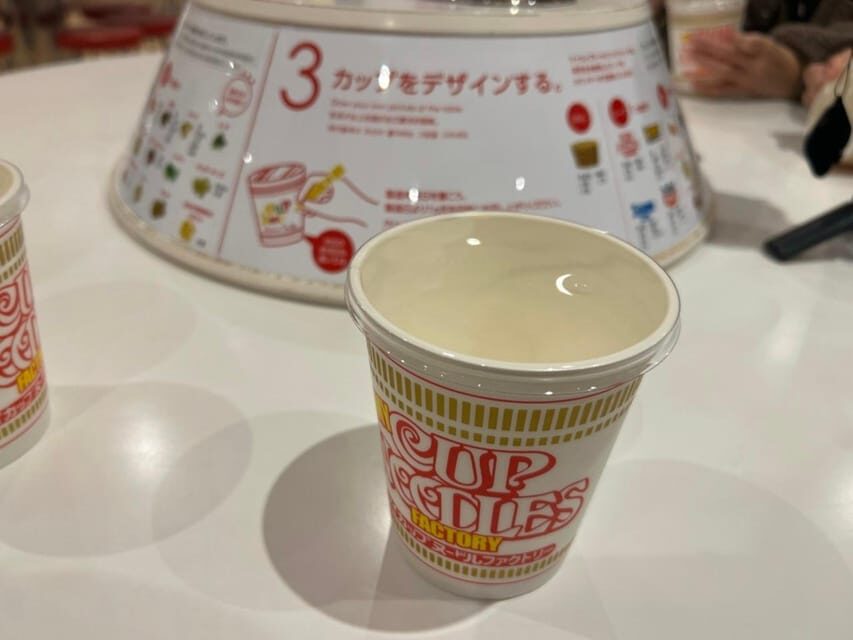
Let’s keep this simple so you don’t get surprised. The price includes:
- My-Cup-Noodle making experience in the Cup Noodles Museum
- Museum entry fee
- Guide’s fee
What is not included:
- Ramen making experience in the Cup Noodles Museum or the Ramen Museum
So the tour is value-packed for people who want the guided museum storytelling plus the My Cup workshop. If you’re hoping for a full ramen-cooking session, you’ll need a different activity.
Price and value: is $70 for 90 minutes worth it?
At about $70 per person for 90 minutes, this isn’t a bargain-basement activity. But it also isn’t just a random add-on. You’re paying for three things at once: guided interpretation (English, live), museum access, and the hands-on My Cup Noodles Factory build.
Where the value really lands is for people who learn best with structure. If you enjoy museums but hate wandering without context, the guide helps you get more meaning from the exhibits. If you’re the kind of person who likes taking something home that you made yourself, the workshop justifies the cost in a way a plain admission ticket doesn’t.
Also, the small group size (up to 4) makes the experience feel more personal for the price. You’re not just paying for entry—you’re paying for time with a guide and for a guided path through the museum.
Dietary note that you should take seriously
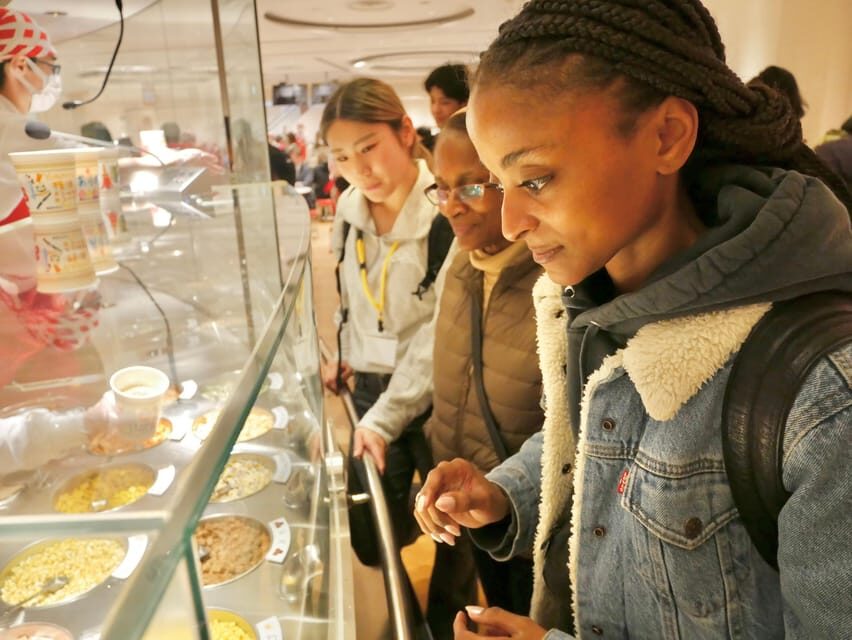
There’s one important instruction: refrain from serving if you are vegetarian or vegan, because all soups contain pork. That doesn’t mean the whole museum experience is impossible, but it does mean you should clearly plan for how serving or tasting is handled during the workshop.
If your diet matters for ethical or medical reasons, tell yourself in advance that the soup bases in play include pork-containing soups. You’ll feel better knowing what to expect before you arrive, and you’ll avoid awkward moments during the serving step.
Who this tour suits best (and who might skip it)
This is a great match if you:
- like food history told in a story-first way
- want a short, guided museum visit with clear highlights
- enjoy hands-on activities and want to customize a souvenir
- prefer small groups and an English guide
You might consider skipping or seeking another option if you want:
- a full ramen cooking lesson from scratch
- an experience that’s specifically vegan/vegetarian-friendly in its soup or serving setup
Tips to get the most out of the workshop
You’ll choose your soup base and toppings, so go in with at least a rough idea. If you’re a bold-flavor person, lean into spicy or heavier toppings. If you prefer mild and comforting, pick the options that match your normal ramen tastes. There’s no wrong choice, but a little pre-thinking helps.
Also, take advantage of the photo-friendly moment. Several guides (including Nori and Tomoko in particular) were praised for taking pictures in different parts of the museum. If you want photos, mention it early during the tour so it’s not an afterthought.
And if your guide happens to share small extras like origami, be ready to smile. One guide was specifically praised for giving small origami, which is the kind of tiny touch that makes a food tour feel warm instead of transactional.
Should you book this Cup Noodles Museum guided tour?
I’d book this if you want a structured, English-guided way to understand instant ramen’s story, plus a hands-on workshop that ends with something you customize. It’s short, focused, and designed for people who’d rather learn meaningful highlights than read every sign alone.
Skip it only if you specifically want ramen making from raw ingredients, or if pork in soups would be a dealbreaker for you. If that’s the case, you’ll likely be happier with a different activity.
If your goal is simple—learn the why behind cup noodles and leave with your own My Cup package—this one does the job in 90 minutes.
FAQ
How long is the guided tour and workshop?
The experience lasts 90 minutes.
Is this tour offered in English?
Yes. The tour has a live English guide.
How large is the group?
It’s a small group limited to 4 participants.
Where do I meet the guide?
Meet your guide at the Cup Noodles Museum Yokohama main entrance. The guide will be waiting at the entrance area holding a signboard with [gotcha].
How much does the tour cost?
The price is $70 per person.
What’s included in the price?
You get My-Cup-Noodle making in the museum, plus museum entry and the guide’s fee.
Is ramen making included?
No. The ramen making experience is not included (in either the Cup Noodles Museum or the Ramen Museum).
Can I participate if I’m vegetarian or vegan?
The activity says to refrain from serving if you are vegetarian or vegan, because all soups contain pork.
What is the cancellation policy?
You can cancel up to 24 hours in advance for a full refund.
Can I book now and pay later?
Yes. It’s offered as reserve now & pay later, so you can book without paying today.