REVIEW · TOKYO
Tokyo: Karate Experience with Former All-Japan Champion
Book on Viator →Operated by Karate Comic Ryo · Bookable on Viator
Bow, breathe, and punch your way through Tokyo. This is a hands-on karate class in central Tokyo led by Ryo, a former All-Japan champion, with a small group and a real training flow. You’ll do more than watch moves—you’ll practice them, step by step, in a traditional setting.
What I like most is the clear instruction in English paired with an instructor who can adjust the lesson to your level. You’ll also spend real time on Standing Zen Training, a foundational stance and focus exercise that makes everything else feel more stable.
One thing to consider: the class includes stretching and kicking work, so if your mobility is limited, plan to go slow and take the modified options your body allows.
In This Review
- Key things that make this Tokyo karate class worth your time
- Who is Ryo, and what kind of karate lesson is this?
- The start-and-bow routine you’ll actually repeat
- Stretching and warm-up: where the session earns its workout feel
- Standing Zen Training: the stance that makes everything click
- Punches, blocks, and kicks taught in real progression
- Kumite practice without contact: defense skills, not chaos
- What you’ll feel after 90 minutes
- Azumabashi Hall and getting there with less stress
- Value check: is $66.99 for Tokyo karate a good deal?
- Who should book this (and who might skip it)
- A quick culture note: why this feels different in Japan
- Should you book this Tokyo karate experience?
- FAQ
- FAQ
- What is the duration of the karate experience?
- How many people are in the class?
- Is this beginner-friendly?
- What skills do you practice during the lesson?
- Is there physical contact during kumite practice?
- Are a karate uniform and pads provided?
- Where does the class meet?
- Can I choose a morning or afternoon class time?
- What if I need to cancel?
Key things that make this Tokyo karate class worth your time
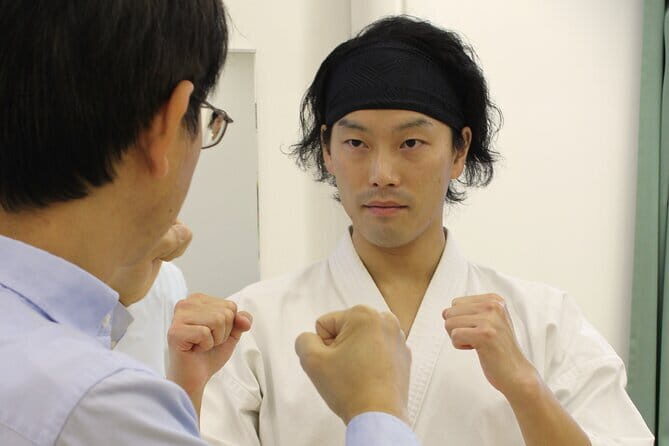
- Small group size (max 8) means you’re not lost in a crowd; you get coaching cues you can actually use.
- Standing Zen Training gets real attention, not just a quick mention before the action.
- Step-by-step technique breakdown covers punches, blocks, and kicks in manageable chunks for beginners.
- Kumite without physical contact lets you practice timing and defense safely.
- Uniform and pads included, so you show up ready to move.
- Morning or afternoon classes help you fit karate into a busy Tokyo itinerary.
Who is Ryo, and what kind of karate lesson is this?
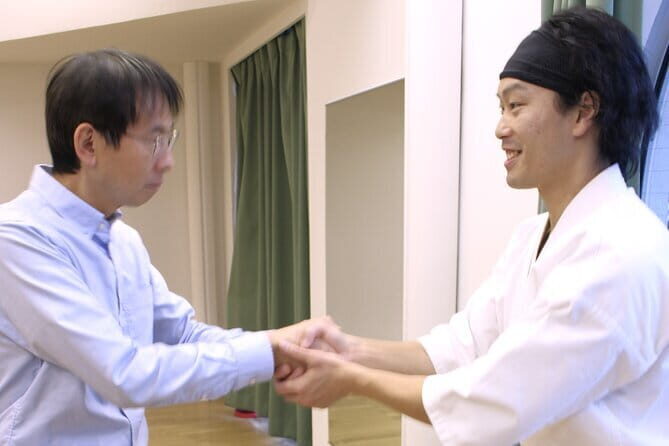
This experience is led by Ryo, a former All-Japan champion with 20 years of experience. The style you’ll be training in is Kyokushin karate, based on how the class is taught and the sparring concepts shared during practice.
You’re getting a 90-minute session built like a proper class: respectful start, focused breathing, warm-up and mobility work, then technique and defense. It’s not a “tour of karate.” It’s training you can feel in your legs.
You can also read our reviews of more tours and experiences in Tokyo.



The start-and-bow routine you’ll actually repeat
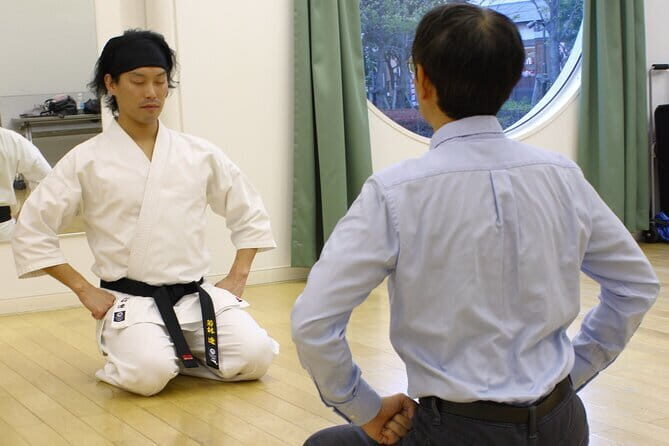
The class opens with a traditional mindset cue: you learn how to bow because karate starts and ends with respect. You’ll also practice belly breathing, which is less “mystical” and more practical: calm mind, tighter control, and better focus when things get physical.
This part matters more than it sounds. When you breathe from your belly, your stance and your punches stop feeling like separate actions. They start feeling like one connected movement—where your body does the work instead of just your arms and legs.
Stretching and warm-up: where the session earns its workout feel
Next comes stretching for the big movers: leg muscles, hip joints, shoulder blades, and the chest. Expect a warm-up that’s aimed at turning your joints on, not just loosening you like a lazy morning routine.
If you’re stiff from walking Tokyo all day, this is a good reset. If you’re already flexible, you’ll still benefit because kicking and blocking require specific range, not just general looseness.
You should have moderate physical fitness. The class isn’t described as extreme, but it is active, and you’ll be moving for the full session.
Standing Zen Training: the stance that makes everything click
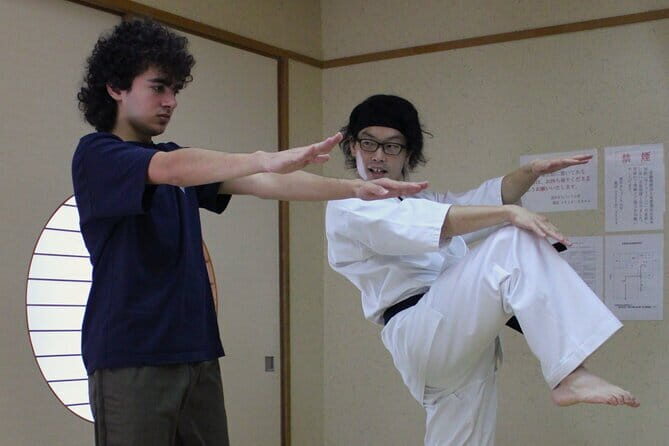
One of the main features of this class is Standing Zen Training. You’ll learn how to master the position and use it as a base for posture, balance, and control.
Here’s why I think you’ll care: in karate, the stance isn’t decoration. It’s the foundation that affects how strong your block is, how clean your kick lands, and how well you can shift without wobbling.
During your practice, Ryo’s coaching style is key. The class is designed so you can understand what you’re doing and why you’re doing it, not just copy a shape with no explanation. That’s the difference between feeling awkward for 10 minutes and actually improving by minute 60.
Punches, blocks, and kicks taught in real progression
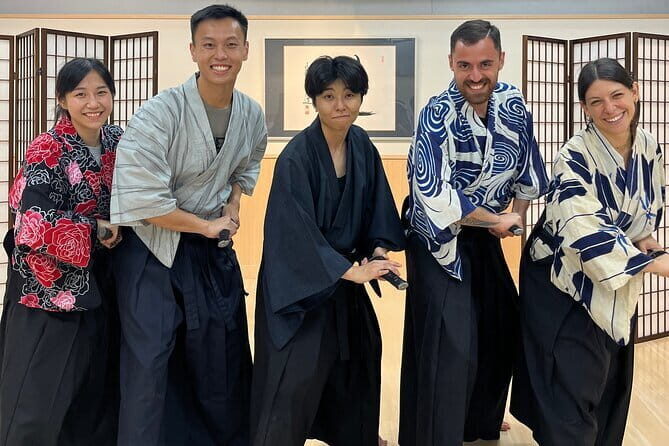
After warm-up and stance work, you move into fundamentals: punches, kicks, and blocks. The techniques are broken into several moves so the instructor can teach step by step.
This structure is great for beginners. You’re not expected to master everything at once—you’re building the motion in pieces, then combining it. It’s also useful if you’ve trained before, because you can compare your habits to what Ryo is correcting in posture and mechanics.
You’ll also practice with a proper stance focus. That means your feet and hips matter, not just your limbs. Even if you come in with boxing or other martial arts experience, this kind of posture and line work can help you clean up how your body transfers power.





Kumite practice without contact: defense skills, not chaos
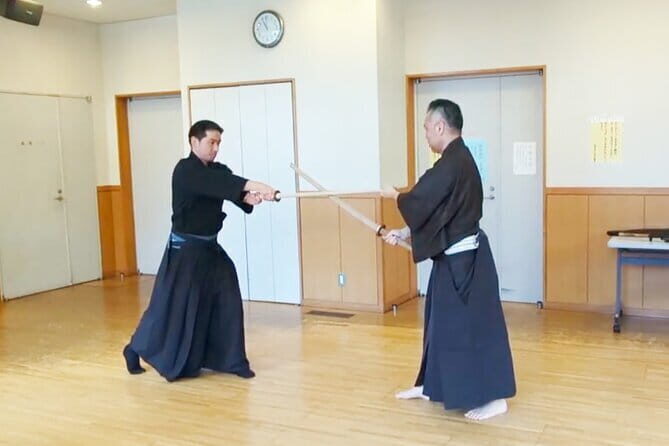
Toward the end, you learn the essence of kumite, sparring training, but without physical contact. That’s a big deal for comfort and safety. You get the rhythm of defense and response without the risk of injury from actual impacts.
You’ll practice defense against attacks like punches, front kicks, and low kicks. The emphasis is on precision and efficiency—how to defend with control, then respond with good timing and positioning.
If you’re worried about sparring being intimidating, this format helps. You can focus on fundamentals: distance, guarding, and what your body should do when an attack comes at you. You’ll still get the “martial” part, just in a safer training lane.
What you’ll feel after 90 minutes
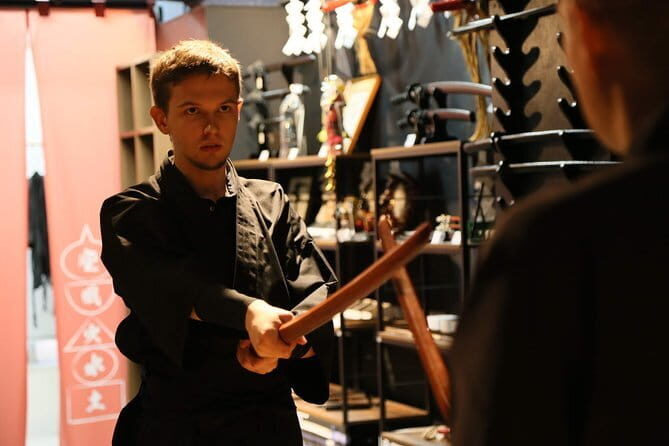
This is an active class. You’ll stretch, hold stances, and repeat movements until your body learns the pattern. If you’re used to sightseeing-only days, this is a different kind of Tokyo souvenir: one you can wear in your muscles.
In past sessions with Ryo, people highlighted improvements in things like posture, stomach power, and sparring skills. Even if you don’t chase sparring goals, those are solid reasons to take the class. Better posture means better movement. Better core support makes everything easier, including daily walking.
Azumabashi Hall and getting there with less stress
The meeting point is Azumabashi Hall, 1-chōme-23-27 Azumabashi, Sumida City, Tokyo 130-0001. The good news is it’s described as near public transportation, so you’re not gambling on a long trek through stations.
Tokyo’s rail network is your friend here. Plan to arrive a few minutes early so you can settle, get your gear, and start with a clear head. Karate benefits from focus—and you’ll feel that during the bow and breathing part right away.
Value check: is $66.99 for Tokyo karate a good deal?
At $66.99 per person for about 1 hour 30 minutes, you’re paying for two things: real coaching and a full training flow. This isn’t just “a fun activity.” It’s guided movement with a named instructor, equipment included, and a structure that covers warm-up, stance, technique, and defensive practice.
You also get a karate uniform and pads included, which reduces the hassle cost of finding gear. That matters when you’re traveling and trying to pack light.
It’s a small group with a maximum of 8, and that tends to improve the value. More attention means faster corrections, and corrections mean faster improvement.
Who should book this (and who might skip it)
This is a great fit if you want an authentic Tokyo experience that’s still practical. You’ll walk away with skills you can remember next time you do a workout or try self-defense basics.
You’ll also like it if you want structure. The class is built for beginners, but it’s also designed for people who have trained before. That “both sides” approach is hard to pull off, but Ryo’s instruction style is described as clear and adjustable.
If you have trouble with mobility—especially for kicks—consider pacing yourself and choosing the safest range you can manage. One review mention specifically noted wanting more tailored help for mobility, which is a fair flag. The class adjusts level, but your comfort still matters.
A quick culture note: why this feels different in Japan
You’re learning an ancient martial art of Japan, and it shows up in small details like bowing and breathing. Those are not just ceremony. They set the tone for how you move and how you train with control.
There’s also an angle of exchange beyond movement. People have mentioned time to talk about cultural differences after class, which can make the experience feel more like meeting teachers than consuming entertainment.
Should you book this Tokyo karate experience?
Yes, if you want a hands-on Tokyo karate class with a real instructor and a clear training format. The combination of a former All-Japan champion, small group size, and safe kumite without physical contact makes it easy to recommend to beginners and doable for experienced students who want posture and defense focus.
Book it sooner rather than later if you have a specific time window. The class is typically reserved about a month out, so popular mornings or afternoons can fill.
If you’re only looking for photos or a passive cultural stop, you might find this too physical. But if you want a memorable workout with coaching and discipline, this is a smart use of your time in Tokyo.
FAQ
FAQ
What is the duration of the karate experience?
It lasts about 1 hour 30 minutes (approximately).
How many people are in the class?
The class has a maximum of 8 travelers.
Is this beginner-friendly?
Yes. The class is described as perfect for beginners, and it’s also designed for people with prior karate experience.
What skills do you practice during the lesson?
You practice bowing, belly breathing, stretching, and then basic punches, blocks, and kicks. You also learn kumite sparring training without physical contact.
Is there physical contact during kumite practice?
No. Kumite practice is taught without physical contact so participants can practice without the risk of injury.
Are a karate uniform and pads provided?
Yes. A karate uniform and pads are included for ease.
Where does the class meet?
The meeting point is Azumabashi Hall, 1-chōme-23-27 Azumabashi, Sumida City, Tokyo 130-0001, Japan.
Can I choose a morning or afternoon class time?
Yes. You can choose from morning and afternoon classes to suit your schedule.
What if I need to cancel?
You can cancel for a full refund if you cancel up to 24 hours in advance of the experience start time. If you cancel less than 24 hours before, the amount paid is not refunded.