REVIEW · YOKOHAMA
Tokyo Full Day Tour with Licensed Guide and Vehicle from Yokohama
Book on Viator →Operated by Japan Guide Agency · Bookable on Viator
Tokyo gets huge fast.
This full-day private tour from Yokohama is built for time-tight days, with a licensed English-speaking guide and the comfort of a private vehicle so you don’t spend your morning decoding train transfers. I like that you get a plan that still leaves room for real Tokyo moments, not just photo stops. I also like the smart focus: you’re selecting 3 to 4 sights from a menu across classic and modern neighborhoods.
One thing to note: it’s not a “see everything” day. Even with an 8-hour schedule, you’ll move efficiently but you won’t do the inside of every major attraction—plus lunch and most paid entrance tickets are on you.
In This Review
- Key Highlights I’d Plan Around
- Why This Tokyo Day Trip Works Better Than DIY
- Price and Value: What You’re Really Paying For
- How the 8 Hours Usually Flows (and Why It Matters)
- The Stop Menu: What Each Area Gives You
- Asakusa and Senso-ji Temple: Old Tokyo Energy
- Imperial Palace (Outside Views Only): The Parkside Reset
- Shinjuku Gyoen National Garden: Calm Between City Layers
- Shibuya Scramble Crossing: The Traffic-to-People Moment
- Tsukiji Outer Market: Food Streets and Everyday Tokyo
- Meiji Jingu Shrine (Near Harajuku): A Forest Feel Off the Noise
- Akihabara: Electronics, Anime, and the Tokyo of Nerd Pride
- Koishikawa Korakuen Garden: A Classic Garden Choice
- Hama Rikyu Gardens: Bay Views and Tide Ponds
- Tokyo National Museum: Artifacts With Real Weight
- Tokyo Skytree: Skyline Landmarks for First-Time Views
- Rikugien Garden: Another Top Garden Option
- Takeshita Street (Harajuku): Youth Fashion Street Energy
- Roppongi Hills: City-Within-a-City Feel
- Odaiba: Tokyo Bay Shopping and Entertainment
- Shibamata and Nezu: The “Less Famous” Shitamachi Side
- Real-World Guide Quality: What the Best Days Have in Common
- Which 3-4 Stops to Pick (Practical Shortlists)
- First-Time Best-of: Classic + Modern
- Parks and Peace Day
- Shopping and Pop Culture Focus
- Old Downtown Character
- What’s Not Included (So You Don’t Get Surprised)
- Getting From Yokohama to Tokyo: Comfort Is the Point
- Who This Tour Best Suits
- Should You Book This Tokyo Full Day Tour From Yokohama?
- FAQ
- How many stops will we see during the day?
- Is pickup included from Yokohama?
- Are entrance fees included?
- Do we enter the Imperial Palace?
- Is lunch included?
- Can I cancel for a full refund?
Key Highlights I’d Plan Around
- Private car from Yokohama: fewer transfers, less stress, more time on the ground
- Licensed guide, real confidence: many guide-led days I’ve read about include thoughtful planning and on-the-spot adjustments (names include Atsushi Kayukawa, Toshi, An, Fumiko, and Minoru)
- Choose 3-4 stops from a strong list: classic temples, gardens, shopping, and skyline views
- Good mix of Tokyo styles: old downtown atmospheres, then Shibuya/Shinjuku energy, then bay views
- Some sites are free, some are not included: you’ll want to pick based on what you’re willing to pay
Why This Tokyo Day Trip Works Better Than DIY
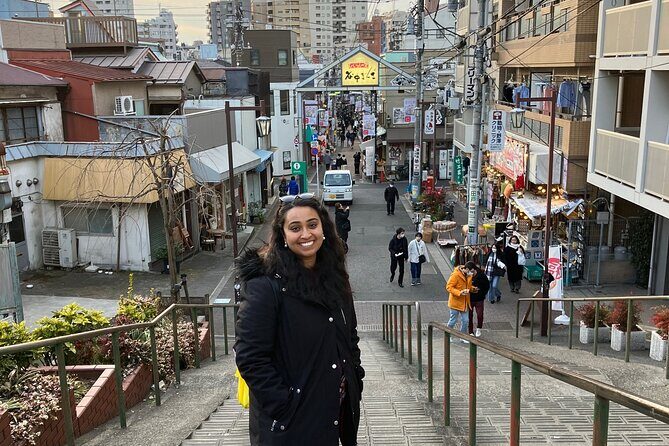
Tokyo is not hard, exactly. It’s just big, and it can eat hours if you’re bouncing between areas. This tour is designed to protect your day. You’re in a private vehicle with a licensed local English guide, and the itinerary is built around “pick a few places, do them well.”
The value isn’t only the transport. It’s the way the guide helps you connect the dots: where to walk, what to look for, and how to avoid wasting time. Multiple guides named in customer notes—Atsushi Kayukawa, Toshi, Seizo Kamiuto, and Noripy—were praised for being professional and for tailoring the day to what the group wanted.
There’s a tradeoff: you’re choosing a small slice of Tokyo. If you want dozens of micro-stops, this setup will feel tight. If you want a best-of day without commuting fatigue, it’s a strong fit.
You can also read our reviews of more guided tours in Yokohama

Price and Value: What You’re Really Paying For
At $854.91 per group (up to 2), this isn’t a budget day trip. But it can still be good value if you compare what it replaces.
You’re paying for:
- a private vehicle for the day
- a licensed local English-speaking guide
- a customizable plan built around 3-4 selected sights
For two people, the math usually works when you’d otherwise spend time and money cobbling together your own route. If you’re traveling with someone you want to see things with (not just “survive Tokyo”), the private format can save more than cash—it saves decision fatigue.
If you travel solo or you’re the type who loves hopping on trains to build your own route, you might prefer a lighter, cheaper option. But if you want to sit back, get your bearings fast, and let someone local set the pace, this is the kind of price that can feel fair.
How the 8 Hours Usually Flows (and Why It Matters)
The tour runs about 8 hours and you’ll see 3 to 4 sights. That “3 to 4” number is the key to the whole experience. It means:
- you don’t race between far-apart neighborhoods
- you have breathing room for walking, photos, and actual “look around” time
- your guide can adjust on the fly if crowds or timing changes
Your stop durations on the plan vary, with some areas around 15–30 minutes and others effectively longer depending on how you move. Since entrance fees aren’t included for many places, your guide may also help you decide what’s worth paying for in that moment.
The Stop Menu: What Each Area Gives You
Below is what you can expect from each stop option. Since you choose only a few, I’m also adding practical guidance on when each one fits best.
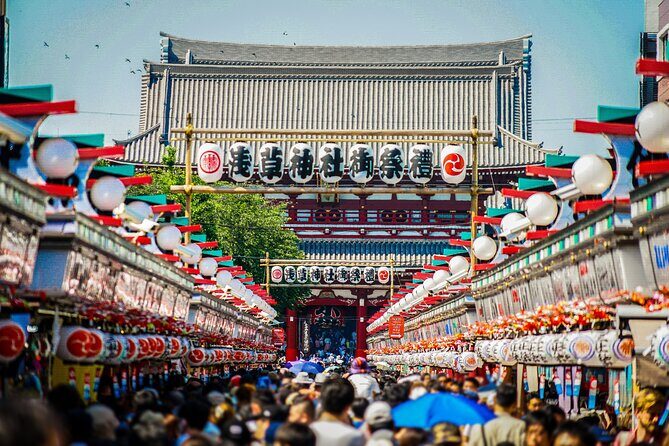
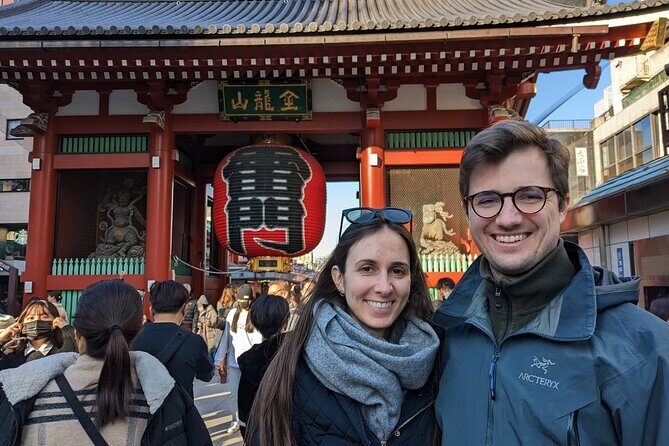
Asakusa and Senso-ji Temple: Old Tokyo Energy
Asakusa is classic shitamachi—old downtown Tokyo vibes. The centerpiece is Senso-ji, one of the city’s most famous Buddhist temples. Expect crowds, street life, and that distinct sense of stepping into a slower era even while the city hums around it.
Why it’s worth it: you get contrast. This is where Tokyo feels more human-scale than the neon corridors of the big stations. The plan marks Senso-ji as a free admission stop, so you can spend money on food or souvenirs instead.
Tip: if you like atmosphere more than monuments, this is a great anchor stop.
A few more Yokohama tours and experiences worth a look

Imperial Palace (Outside Views Only): The Parkside Reset
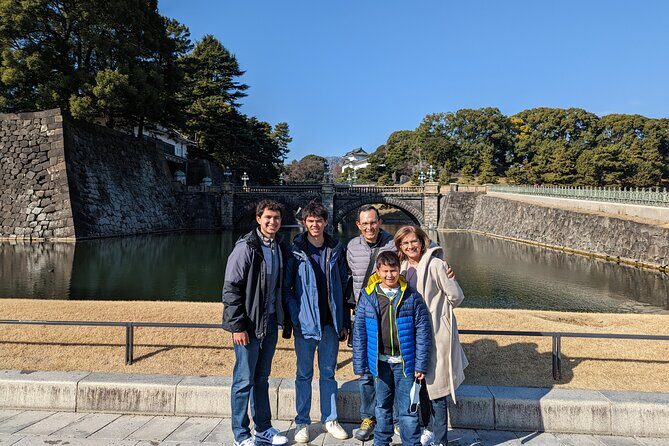
This stop is about the Imperial Palace grounds—but important detail: you do not get access to the inside. You’ll see the formal, moated park setting and get the “Edo Castle legacy” vibe from the perimeter and surrounding areas.
Why it’s worth it: it’s a break from heavy shopping districts. It also gives you context for why Tokyo’s center has both power and space.
Consideration: if you’re hoping for interior access, don’t build your day around this stop.
Shinjuku Gyoen National Garden: Calm Between City Layers
Shinjuku Gyoen is one of Tokyo’s major parks and a popular escape near Shinjuku Station. It’s a good choice when you want greenery and strolling instead of station corridors.
Why it’s worth it: it balances your day. You can pair it with a high-energy stop later (Shibuya or Akihabara) and let the park reset your legs.
Note on costs: the plan lists it as not included for admission, so budget time and money accordingly.
Shibuya Scramble Crossing: The Traffic-to-People Moment
No Tokyo day list feels complete without Shibuya Scramble Crossing. This is the scene where pedestrians move in every direction once the lights change.
Why it’s worth it: it’s kinetic Tokyo. Even if you’ve seen videos, being there still hits different because you’re part of the pattern.
Practical angle: this is best when you treat it as a short stop plus nearby wandering—otherwise it becomes a quick “yep, that’s it” moment.
Tsukiji Outer Market: Food Streets and Everyday Tokyo
Tsukiji Outer Market is a cluster of shops and eateries near the former wholesale area. Expect narrow lanes, snack stops, and lots of people working through what looks like a never-ending line-up of small bites.
Why it’s worth it: it’s a Tokyo flavor stop that doesn’t require a ticket. The plan lists admission as free, so it’s great for a group that likes to graze.
Real-world move: go hungry or plan to snack lightly, because this area can easily turn into your highlight of the day.
Meiji Jingu Shrine (Near Harajuku): A Forest Feel Off the Noise
Meiji Jingu is a shrine dedicated to Emperor Meiji and Empress Shoken. It sits near Harajuku yet feels quieter once you get into the approach.
Why it’s worth it: it’s the kind of Tokyo calm you can feel immediately—less shopping frenzy, more ritual space and walking.
Tip: if you want “traditional Tokyo” without a long travel day, this is an efficient choice.
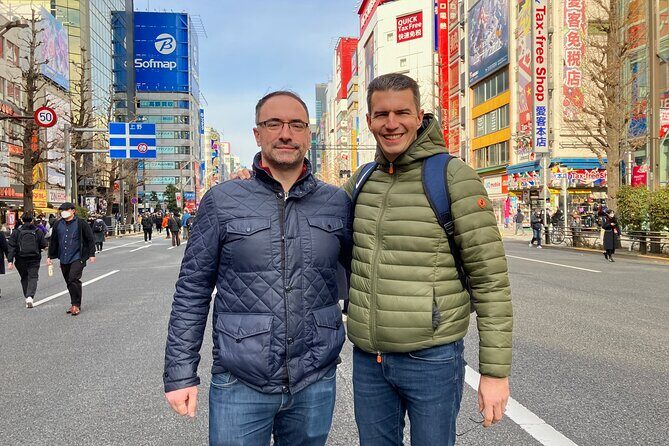
Akihabara: Electronics, Anime, and the Tokyo of Nerd Pride
Akihabara is the electronics district, with a reputation for pop culture shopping. Even if you don’t shop, it’s fun for seeing how Tokyo organizes its interests into whole neighborhoods.
Why it’s worth it: it’s a very specific slice of modern Japan. If you’re buying souvenirs, gadgets, or manga/anime goods, this is one of the best areas to do it.
Timing note: plan this if you have energy to wander rather than if you want pure sightseeing.
Koishikawa Korakuen Garden: A Classic Garden Choice
Koishikawa Korakuen is one of Tokyo’s oldest gardens. The plan lists it as not included for admission.
Why it’s worth it: gardens can feel slow in a normal itinerary, but with 3–4 stops you actually have time to enjoy them rather than rush through.
Good pairing: pair it with a temple or shrine stop so your day moves from ceremony to scenery.
Hama Rikyu Gardens: Bay Views and Tide Ponds
Hama Rikyu sits alongside Tokyo Bay and is known for seawater ponds that change level with the tides, plus a teahouse setting.
Why it’s worth it: it adds a water-and-sky element to your day. It’s also a nice “soft end” stop if you’ve been doing temples and shopping earlier.
Consideration: admission isn’t included, so check your priorities.
Tokyo National Museum: Artifacts With Real Weight
This is the big museum stop on the list, and it’s marked as not included for admission. If you care about Japanese art and historical objects, this is one of the best places to spend paid time.
Why it’s worth it: museums are one of the few ways to get depth in a limited day. With only 3–4 stops, you can actually slow down.
Tradeoff: it can take time to appreciate, so don’t pair it with another “must-see” that’s far away unless your guide builds good logistics.
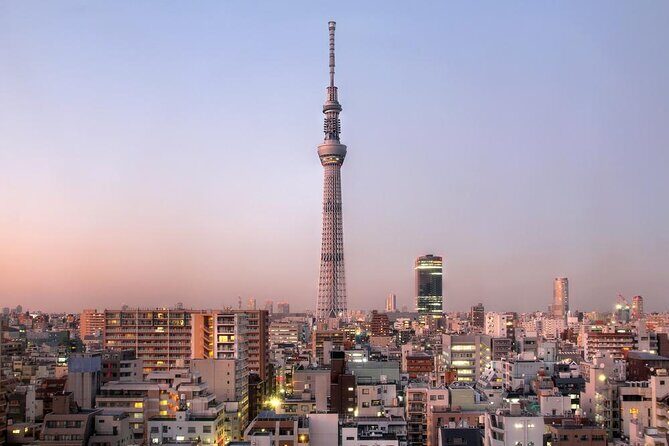
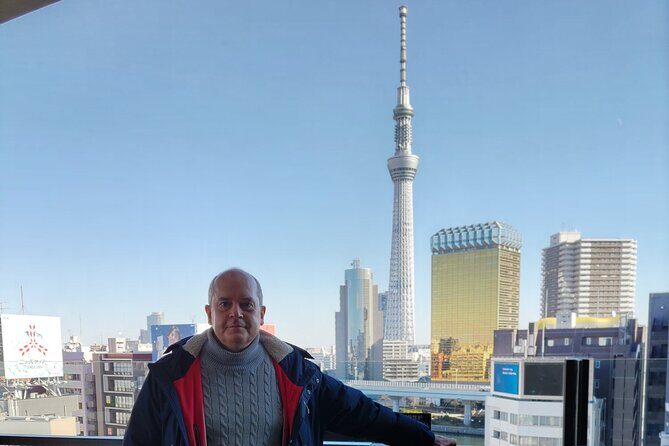
Tokyo Skytree: Skyline Landmarks for First-Time Views
Tokyo Skytree is a landmark and part of the Skytree Town area near Asakusa. The plan lists it as not included for admission.
Why it’s worth it: it’s a clean way to “get the scale of Tokyo.” Even if you don’t go inside an observation area, Skytree is one of those structures that anchors your photos.
Practical tip: if the day is hazy, you’ll still get the shape, but views may be limited. Your guide can help you decide when to schedule it.
Rikugien Garden: Another Top Garden Option
Rikugien is often mentioned as one of Tokyo’s best Japanese landscape gardens. Like other gardens on the plan, admission is not included.
Why it’s worth it: gardens in Tokyo are designed for seasonal atmosphere. If you like walking slowly and stopping often to look, this is a strong option.
Takeshita Street (Harajuku): Youth Fashion Street Energy
Harajuku and Takeshita Street are for fashion and street-culture browsing. Expect lots of people, lots of color, and constant motion.
Why it’s worth it: it’s one of Tokyo’s most noticeable “present day” neighborhoods. This is where you feel the city’s trend engine.
Consideration: it’s crowded. If you don’t like dense foot traffic, keep this as a shorter stop.
Roppongi Hills: City-Within-a-City Feel
Roppongi Hills is known for being a big complex with shops, restaurants, offices, and art spaces in one location. The plan lists admission as free.
Why it’s worth it: it’s convenient for a day that includes multiple areas. You can shop, eat, and reset without hopping neighborhoods.
Odaiba: Tokyo Bay Shopping and Entertainment
Odaiba is a popular shopping and entertainment district on an artificial island in Tokyo Bay. Admission is free on the plan.
Why it’s worth it: if you want a modern, open-feeling part of the city, Odaiba delivers that. It’s also a helpful choice if you want bay air near the end of the day.
Shibamata and Nezu: The “Less Famous” Shitamachi Side
Two quieter, older-downtown style neighborhoods make the list:
- Shibamata: old-school charm on Tokyo’s eastern end
- Nezu (with Yanaka): neighborhoods that avoided major damage and still keep older character
Both are listed as free admission stops.
Why it’s worth it: Tokyo can feel like a wall of modernity if you only visit the “famous” districts. These areas help you see how old Tokyo still survives in the middle of a giant city.
Real-World Guide Quality: What the Best Days Have in Common
A big part of a private tour is the guide. The notes tied to this experience highlight that guides often bring both organization and personality.
Names that stood out in customer feedback include:
- Atsushi Kayukawa, described as licensed with Japan Travel Agency and praised for confidence
- Toshi, noted for taking people to temples, gardens, busy traffic spots, and local dining while explaining Japanese culture
- An, who personalized the route to group needs
- Fumiko, praised for being organized and customizing a day for a multi-age group
- Minoru, who paired kindness and planning
- Noripy, with strong communication before the trip and a day built around seeing what mattered most
You should expect your licensed guide to help you balance:
- “Big Tokyo moments” (like Shibuya)
- “Tokyo calm” (gardens and shrines)
- “Tokyo flavors” (Tsukiji Outer Market)
That mix is what makes a limited-time day feel like more than a checklist.
Which 3-4 Stops to Pick (Practical Shortlists)
If you’re trying to choose without overthinking, here are a few logical combinations using only stops from the list.
First-Time Best-of: Classic + Modern
- Asakusa (Senso-ji)
- Shibuya Scramble Crossing
- Meiji Jingu
- Skytree or Tsukiji Outer Market
This gives you temples, a landmark skyline, and one foodie district.
Parks and Peace Day
- Shinjuku Gyoen
- Koishikawa Korakuen or Rikugien
- Hama Rikyu
- Add one “Tokyo energy” stop like Shibuya
This is for people who want walking calm plus one big city moment.
Shopping and Pop Culture Focus
- Akihabara
- Takeshita Street
- Shibuya
- Roppongi Hills or Odaiba
You’ll spend more time browsing and less time in museums, and that can be a win if that’s your style.
Old Downtown Character
- Asakusa (Senso-ji)
- Nezu
- Shibamata
- Tsukiji Outer Market
This is a calmer way to experience shitamachi without cramming too much.
What’s Not Included (So You Don’t Get Surprised)
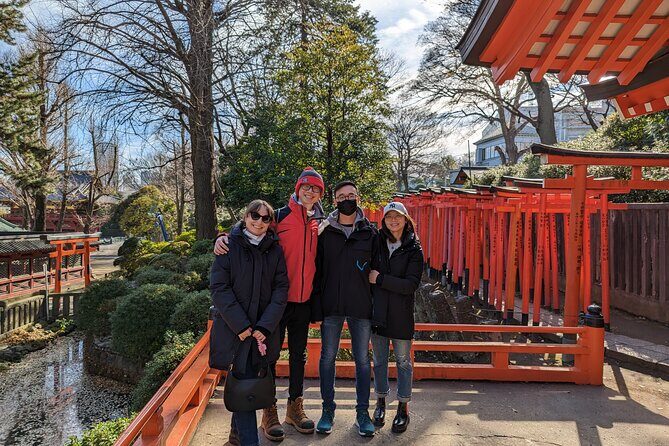
Entrance fees are not included across the board. The plan marks some stops as free (like Senso-ji and several others), while many major attractions and gardens are listed as not included.
Also not included:
- lunch
- other personal expenses
- any entrance fees you choose for paid sites
So if you care about an inside museum experience, paid garden entry, or an observation upgrade, plan for that in your day budget.
One more “don’t assume” item: Imperial Palace inside access is not included.
Getting From Yokohama to Tokyo: Comfort Is the Point
This is a day trip with pickup offered and a private vehicle doing the hard part. That matters for two reasons:
1) Tokyo neighborhoods are spread out
2) station navigation can turn into stress when you’re short on time
If you’ve ever tried to build a Tokyo day around multiple lines, you’ll feel the advantage immediately. The private transport is how you keep your day moving without constant rerouting.
Who This Tour Best Suits
This tour is a strong match if you:
- have limited time and want a plan that covers major Tokyo vibes
- prefer comfort over figuring out transfers
- like the idea of a guide who can adjust your route to your interests
- are traveling as a group of up to 2 and want a private format
It may be less ideal if you:
- want to pack in many more than 3–4 sights
- want a fully self-guided experience
- don’t want to budget for paid admissions at certain stops
Should You Book This Tokyo Full Day Tour From Yokohama?
Yes, if your goal is a well-paced highlights day with a licensed guide and private transport. The combination of customizable 3–4 sights, the option to mix temples, neighborhoods, food streets, and skyline views, and the consistently praised guide professionalism makes it a solid pick.
I’d say book it especially if you’re the kind of traveler who wants Tokyo to feel doable. Not easy, but doable.
If you’re hoping for a “maximum everything” itinerary, or you’re trying to keep costs tightly down on admissions, you may want to compare alternatives. But for a time-efficient Tokyo day with less friction, this tour makes a lot of sense.
FAQ
How many stops will we see during the day?
You’ll see a customizable set of about 3 to 4 sites from the provided options.
Is pickup included from Yokohama?
Pickup is offered, and the tour includes a private vehicle.
Are entrance fees included?
Entrance fees are not included. Some stops on the list are free, while others are marked as not included.
Do we enter the Imperial Palace?
No. The tour does not include access to the inside of the Imperial Palace.
Is lunch included?
No. Lunch is not included.
Can I cancel for a full refund?
Yes. Free cancellation is available up to 24 hours in advance for a full refund.