REVIEW · YOKOHAMA
Yokohama: Cup Noodles and Ramen Museum Tour
Book on Viator →Operated by gotcha · Bookable on Viator
A ramen day with real nerdy details. This Yokohama Cup Noodles and Ramen Museum tour is a fun, structured way to learn how instant noodles changed the world, then compare ramen cultures in one afternoon. I love the hands-on make-your-own cup moment at Cupnoodles Museum, and I also like the guided “food culture” talk that turns museum time into something you can actually use when you order ramen later. The main drawback is simple: the plan includes moving by train, and that travel + walking can make the overall feel a bit tight if you want zero downtime.
Your guide is part of the experience. You’ll meet at the Cup Noodles Museum entrance area with a signboard that says [gotcha], and you’ll get help with how to see the best parts (plus the stations between stops). One key thing to know up front: the ramen you try on-site is pork-based, so this is not a great fit if you’re vegetarian or vegan.
In This Review
- Key points to know before you go
- Cup Noodles Museum: where instant ramen gets personal
- Shin-Yokohama’s Ra-Haku: retro streets and half-size bowls
- What the guide actually adds (Ishida and Tomo as examples)
- Price and value: what you’re paying for at $114.45
- Where the tour saves you money
- Where you’ll spend additional cash
- The tradeoff
- Timing and logistics: why the walking matters
- Food reality check: ramen rules, pork soup, and how to compare
- How to get the most out of your ramen tastings
- Who this tour is best for (and who should skip)
- Quick practical tips before you book
- Should you book the Yokohama ramen museums tour?
- FAQ
- What is the duration of the tour?
- What’s included in the price?
- What extra costs should I expect for ramen and transport?
- Does the tour include the train fare?
- Can vegetarians or vegans join?
- Where do I meet the guide, and what should I do at the start?
Key points to know before you go
- Small group (up to 4 people) keeps the guide chat easy and focused
- Cupnoodles Museum (1 hour 30 min) includes admission and time to make your own cup
- Ra-Haku in Shin-Yokohama (2 hours) is built around the retro Showa-era vibe, with half-size ramen servings
- Ramen budget is on you (about 700–1000 yen per restaurant)
- Train fare isn’t included (Minatomirai to Shinyokohama is about 400 yen per person)
- Pork in soups means skip if you need vegetarian or vegan meals
Cup Noodles Museum: where instant ramen gets personal
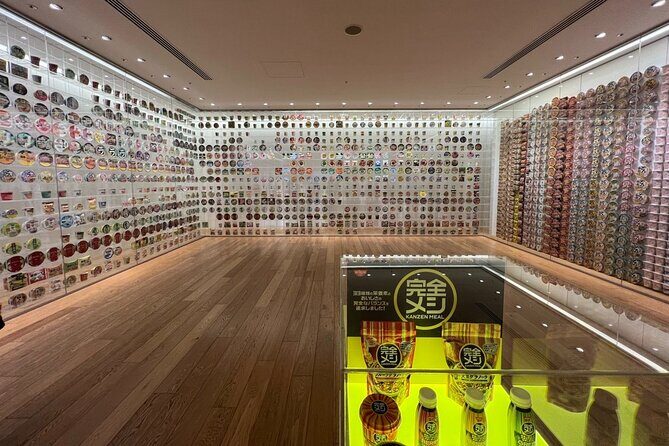
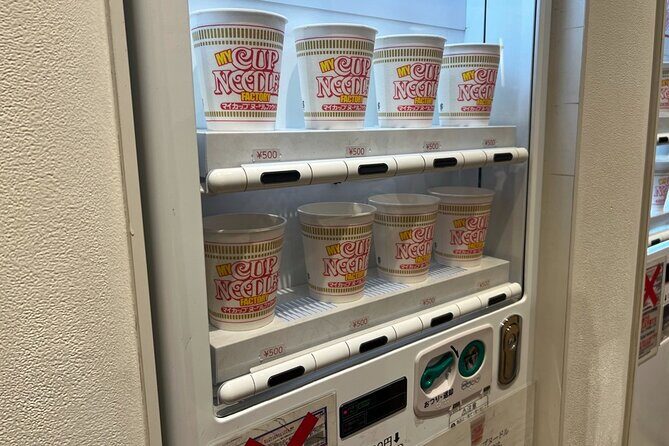
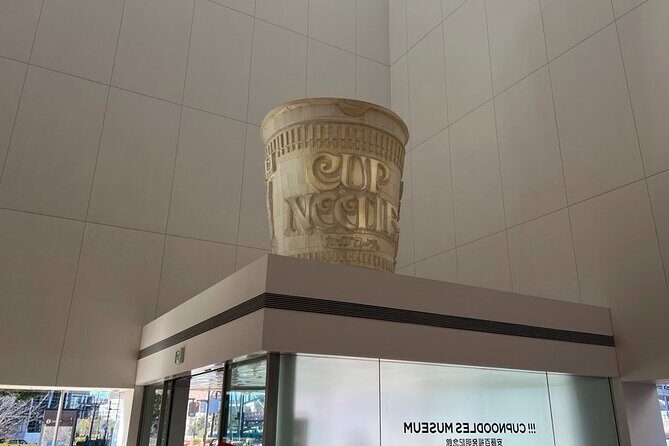
The tour kicks off at the Cupnoodles Museum in Yokohama. This isn’t just a museum you walk through while reading signs. It’s designed like a food origin story you can actually picture: the birth story and history of instant ramen, plus how it’s manufactured—then you get to do something with it.
You’ll spend about 1 hour 30 minutes here, with museum admission included. Expect a strong focus on Momofuku Ando, the founder of Nissin Foods (1910–2007). The big idea is that instant ramen wasn’t only a convenience product—it was a global food shift, and the museum treats that seriously. At the same time, the tone is friendly enough for different ages, so you’re not stuck in lecture mode.
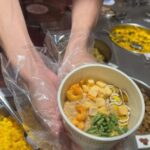
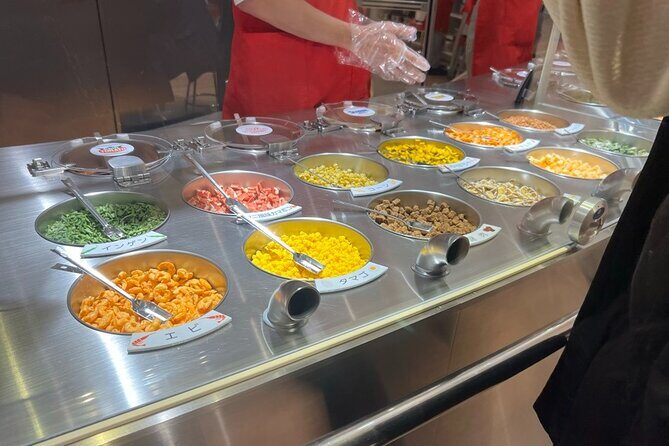
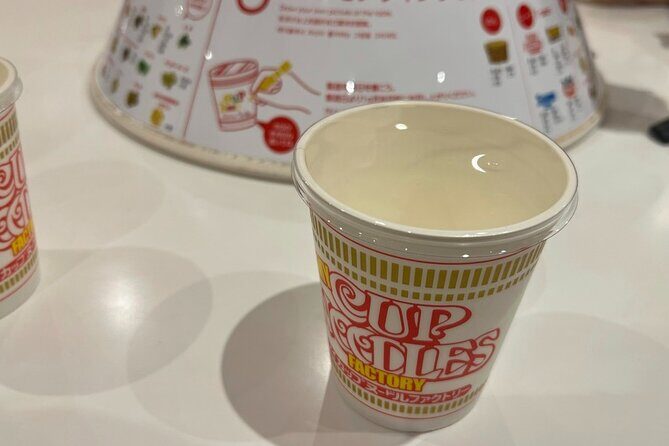
The hands-on highlight is making your original cup noodles. This is one of those activities that feels “small” on paper, but it changes how you remember the place. You’re not just learning about manufacturing and innovation; you’re creating a souvenir-like version of it. If you’re traveling with kids, this part can be especially fun. Even if you’re an adult ramen fan, it’s still a great way to leave with something more meaningful than a photo.
A practical note: the meeting point is at the museum entrance area, and you should not go to the front desk. Your guide will be holding a signboard with [gotcha], so you can start correctly without wandering around.
You can also read our reviews of more museum experiences in Yokohama

Shin-Yokohama’s Ra-Haku: retro streets and half-size bowls
After Cupnoodles, the tour moves on to the Shin-Yokohama Ramen Museum—Ra-Haku. The tour guide keeps things moving, but you’ll still need to handle transportation between the neighborhoods. You’ll go by train and on foot (walking time is about 20 minutes to the station on the way out), then finish at the ramen museum.
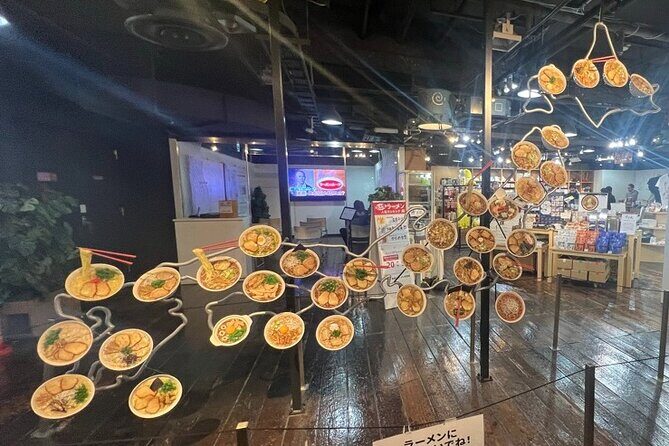
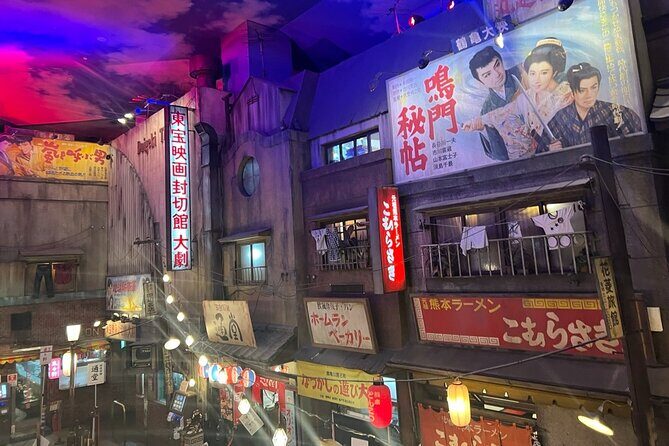
This second stop runs about 2 hours, with admission included. It’s a different kind of experience: the museum is modeled after nostalgic Japanese streets from the Showa period, so it feels like you’re stepping into an older movie set rather than into a typical food hall.
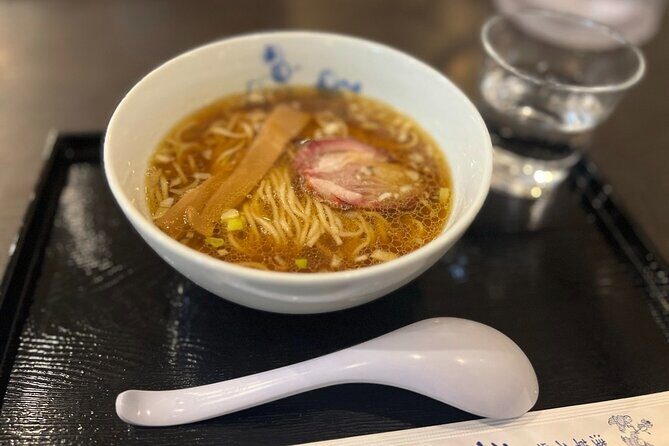
Here’s what makes Ra-Haku worth your time: the museum is built around the history and culture of ramen—how it developed in Japan—and the practical tasting element. You can enjoy half-size portions from popular ramen restaurants around Japan. That matters because it makes comparison realistic. Instead of one giant bowl that leaves you too full to think, you can sample more flavors and notice what’s different between styles.
This stop is also where you’ll do the most “compare the cultures” idea of the day. The format is intentionally social: you walk through with your guide and talk about dishes, noodle styles, and food preferences. If you love ramen but you’re not a super-technical noodle person, that’s still fine. The guiding purpose is turning flavor curiosity into something you can act on.
One honest consideration: this museum experience can feel more fun for some people than others. If you’re mainly in it to eat, your highlight may be the ramen itself rather than the surrounding museum elements. If you’re the type who enjoys atmospheric themed spaces and history, you’ll probably enjoy the setting more.
What the guide actually adds (Ishida and Tomo as examples)
In a tour like this, the guide can make or break the day—because both museums are visual and text-heavy, and because you’re comparing food cultures across two different places.
I like that the guides are there to help you get the most out of the spaces. In particular, I’ve seen guides named Ishida and Tomo called out for being helpful and for adding context at each site. That lines up with what you want from a food museum tour: explanations you can understand quickly, plus guidance so you don’t miss the best parts or waste time figuring out how to flow through the exhibits.
You’ll also get language help. The tour is designed for people who want structure and support—not a “good luck, read everything” approach. It’s exactly the kind of small-group experience that benefits when you’re not fluent, because the guide can translate the meaning, not just the words.
Price and value: what you’re paying for at $114.45
Let’s talk value like a grown-up. The tour price is $114.45 per person, and the big components included are:
- admission to both museums
- a tour guide
What isn’t included is where you can spend extra money: ramen meals and some transport.
Where the tour saves you money
If you were to do this yourself, you’d still be paying for admissions. The guide time is the second part. Two museums, two locations, and a structured tasting plan is a lot easier when someone handles the “how to do this without stumbling.”





Where you’ll spend additional cash
You should budget 700–1000 yen per ramen restaurant for the food you eat inside the museums. Also, train fare isn’t included—the route from Minatomirai station to Shinyokohama station is about 400 yen per person.
If you eat just one bowl, this stays manageable. If you end up wanting to taste multiple half-size options, costs rise, but the half-size format helps keep it from getting out of control.
The tradeoff
The day is about 3 hours 30 minutes. That’s not a long tour, so you don’t have hours to wander separately. If your goal is maximum time eating, keep your expectations aligned: part of the value is the learning and the structured walking between stops.
Timing and logistics: why the walking matters
This tour uses mobile tickets, and the meeting is clear: start at the Cup Noodles Museum address in Yokohama, then end in front of the Ramen Museum at Shin-Yokohama.
There’s one logistics detail worth respecting: the tour includes travel between locations, and you’ll also do a chunk of walking. The walking time to the station is about 20 minutes, and once you factor in the train ride and the walking at the other end, the day can feel compact.
That doesn’t mean it’s badly planned. It just means it’s not a “stay put and snack” experience. If you hate moving during tours, you may feel the schedule more than you expected.
Also, the group size is capped at 4 travelers. Smaller groups can feel more personal, but they can also make the pace feel more noticeable—no crowd buffering.
Food reality check: ramen rules, pork soup, and how to compare
Both museums have a spot where you can eat ramen. The whole premise is comparison: you’ll see instant noodles’ backstory, then head to a museum focused on ramen culture, and you’ll taste in both places.
But there’s a dietary constraint you need to take seriously. The tour information says to refrain if you are vegetarian or vegan, because all soups contain pork. That’s not a “maybe” situation. If you have dietary needs, plan to adjust your expectations and check options carefully once you arrive.
How to get the most out of your ramen tastings
Because Ra-Haku offers half-size portions, you can do a smart compare. Pick two styles that sound different rather than ordering based on what looks best in photos. The museum concept is built for noticing distinctions: broth type, noodle texture, toppings, and overall balance.
Also, remember the museum ramen isn’t just a meal. It’s the final “answer” to the earlier learning. If you treat it like a classroom exercise, you’ll probably enjoy it more—even if you’re just there for fun.
Who this tour is best for (and who should skip)
This tour is a great match for ramen lovers and ramen geeks. It’s also a good fit if you like food stories that connect with real manufacturing, not just restaurant vibes.
You’ll likely enjoy it most if:
- you like structured museum time and hands-on activities
- you want to taste ramen and compare across Japan’s styles
- you’re comfortable doing a bit of walking and a short train transfer
You might want to skip if:
- you mainly want uninterrupted eating time (this is partly museum-first)
- you’re sensitive to pork-based soups
- you feel frustrated by any travel during a short tour window
If you’re traveling as a couple, a small family, or a pair of friends, the small group size (max 4) can make the guide interaction feel more natural than large-group tours.
Quick practical tips before you book
- Wear comfortable shoes. You’ll walk to the station and between museum areas.
- Bring some cash or a card for ramen. The tour price covers museum admissions, not meals.
- If you want multiple ramen tastings, plan your spending ahead of time.
- Arrive so you can find your guide at the Cup Noodles Museum entrance area with the [gotcha] sign—skip the front desk.
Should you book the Yokohama ramen museums tour?
My take: book it if you’re the kind of traveler who likes to understand what you’re eating. The Cup Noodles Museum part gives you origin-story context plus the memorable make-your-own cup activity. Then the Shin-Yokohama Ra-Haku stop gives you an easy way to compare ramen through half-size servings in a themed, nostalgic setting.
Skip it (or at least reconsider) if you want a long food-only afternoon. The tour is short, and moving by train plus walking can make it feel tighter than you’d like. Also, if you’re vegetarian or vegan, this one isn’t designed around your needs because soups contain pork.
If you’re curious, this tour is a solid value for what’s included. You’re paying for two admissions and guided interpretation, and you can spend your extra money exactly where it counts: tasting.
FAQ
What is the duration of the tour?
The tour runs about 3 hours 30 minutes (approx.).
What’s included in the price?
The price includes admission to both museums and a tour guide.
What extra costs should I expect for ramen and transport?
Ramen you eat at the museums costs about 700–1000 yen per restaurant. Train fare between Minatomirai and Shinyokohama is about 400 yen per person and is not included.
Does the tour include the train fare?
No. The tour requires train travel, but the train fare is not included in the price.
Can vegetarians or vegans join?
The tour info says to refrain if you are vegetarian or vegan, because all soups contain pork.
Where do I meet the guide, and what should I do at the start?
Meet the guide at the Cup Noodles Museum entrance area where they’re holding a signboard with [gotcha]. The instructions also say do not go to the front desk.
If you want, tell me your travel dates and whether you’re ramen-only hungry or ramen-history curious—I can suggest how to budget for tastings and what to prioritize at each stop.