REVIEW · YOKOHAMA
Cup Noodles Museum Guided Tour in Yokohama
Book on Viator →Operated by gotcha · Bookable on Viator
Instant ramen has a surprisingly serious story. In Yokohama, this guided visit turns a fun museum outing into a quick lesson on how Cup Noodles changed food habits around the world. You’ll learn the backstory, see how instant ramen is produced, and finish with time to make your own custom cup.
What I like most is the hands-on “make your own” part, which is fun without feeling like a production line. I also like that the guide doesn’t just point at exhibits; they help you connect the food to the culture, and the vibe can be very personal (I’ve seen guide names like Ted, Haruka, and Michi mentioned in feedback, including help with communication and guidance).
One thing to consider: if you’re vegetarian or vegan, this may not be the right fit. The tour notes that soups contain pork, and the experience requests that vegetarian or vegan participants refrain.
In This Review
- Key highlights at a glance
- Yokohama’s Cup Noodles Museum: what this tour is really about
- Meeting at gotcha sign: timing and the small-group advantage
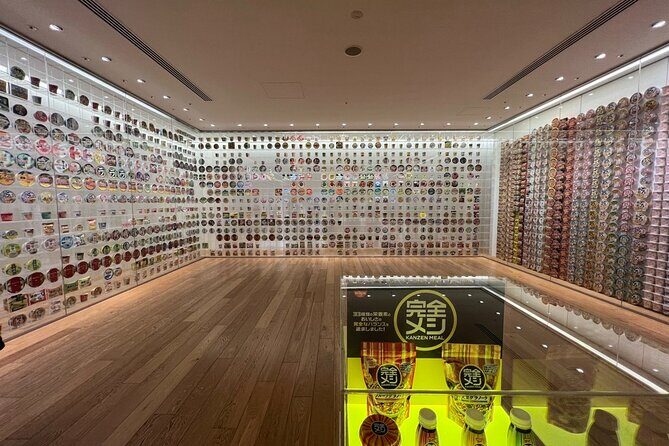
- Stop: the museum exhibits that connect ramen to global culture
- Watching the production process up close (and why it’s worth your time)
- Making your own Cup Noodles: the hands-on part that actually sticks
- The world noodle and dessert area: where to snack strategically
- Price and value: what $71.85 buys you in real terms
- Who should book this tour (and who should skip)
- Should you book the Cup Noodles Museum guided tour?
- FAQ
- How long is the Cup Noodles Museum guided tour in Yokohama?
- Is admission included in the price?
- Where do we meet the guide?
- Is the ticket mobile?
- Is the tour suitable for vegetarian or vegan visitors?
- What’s the group size?
Key highlights at a glance
- Small group, max 4 people: more talking time with your guide than you’ll get on big tours.
- Instant ramen production view: you don’t just read panels; you see the process up close.
- Custom cup making: make your own Cup Noodles rather than just watching.
- Ando’s impact: the museum centers on Momofuku Ando and Nissin Foods’ role in global food culture.
- World food corner: there’s an inexpensive area for noodle dishes and desserts from around the world.
Yokohama’s Cup Noodles Museum: what this tour is really about
This isn’t a quiet museum where you wander alone, reading captions like a homework assignment. The guided format is built to give you a story arc: where instant ramen came from, how it’s made, and why it caught on globally.
The heart of the experience is the Momofuku Ando thread. The tour frames instant ramen as more than a snack invention. It becomes a cultural shift, built by the founder of Nissin Foods, who revolutionized how people think about speed, affordability, and comfort food. Even if you already know the basics of Cup Noodles, having it organized into a clean narrative makes it easier to remember—and easier to explain to friends later.
You’ll also get a practical angle that I appreciate: learning the history while still doing something fun. That combination matters. Museums can be great, but only a few help you walk out with a tangible result. Here, you leave with a custom-made cup concept, not just photos.
You can also read our reviews of more guided tours in Yokohama
Meeting at gotcha sign: timing and the small-group advantage
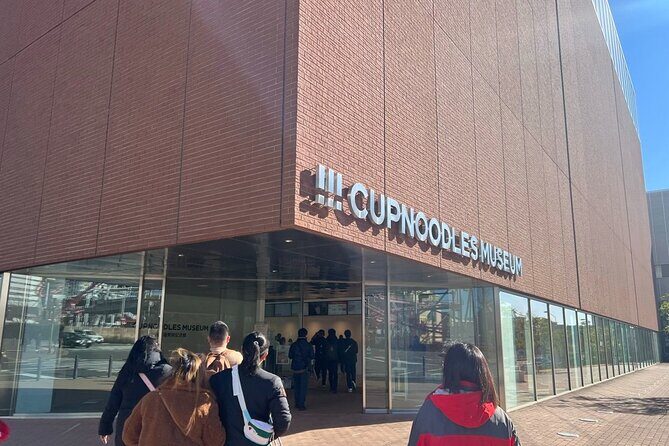
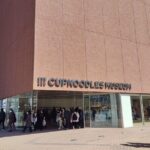
You’ll start at the Cup Noodles Museum entrance area in Yokohama (2-chōme-3-4 Shinkō, Naka Ward, Yokohama, Kanagawa 231-0001). The guide waits there holding a signboard that includes [gotcha].
Two details make your arrival smoother:
- Don’t go to the front desk. The guide is meeting people at the entrance area.
- Expect a mobile ticket. Bring it up on your phone when you’re ready to check in.
The tour runs about 1 hour 30 minutes. That length is long enough to get meaningful context and still short enough that you can roll it into a day of sightseeing without feeling rushed.
And yes, the group size is a big deal. With a maximum of 4 people, you’re less likely to get stuck in a passive, follow-the-leader mode. The guide can slow down if you have questions, and the conversation can actually move beyond basic facts. Multiple feedback comments specifically praise guides for being patient and helpful with communication, which makes a difference if your Japanese is still warming up.
Stop: the museum exhibits that connect ramen to global culture
This whole tour centers on the Cup Noodles Museum Yokohama, and your guide keeps the visit focused. You’re there to learn about:
- The instant ramen story in Japan
- The manufacturing process shown up close
- The broader impact on food culture worldwide
The tour’s framing is straightforward: instant ramen was born in Japan, then became loved around the world. The museum’s job is to make that leap feel real, not theoretical. You’ll connect Ando’s invention to the experience of eating Cup Noodles today, and you’ll see how the museum supports that with exhibits that cover both history and production.
A lot of food museums stop at “look and read.” Here, the production element is what helps the whole thing click. When you understand the process—even at a high level—you stop thinking of instant noodles as magic. You start thinking of them as food engineering with a purpose: convenience that still tastes like comfort.
Watching the production process up close (and why it’s worth your time)
The tour highlights the production process you can observe during the museum visit. Even if you’ve never cared about how ramen is made, watching it in person changes your mental picture fast.
Here’s why it’s valuable for you:
- It turns a snack into a system. You learn that instant ramen is built, not just invented.
- It makes the exhibits more memorable. When you see something in motion or in stages, your brain tags it as “important.”
- It adds fun to the rest of the tour. Once you understand the basic flow, the history and culture sections feel more connected.
You’ll also have a built-in guide layer that helps you interpret what you’re looking at. Instead of standing in front of display panels trying to guess what matters, you get a live explanation.
If you end up with a guide like Ted (mentioned in feedback as offering picture help and explaining the cup of noodle backstory thoroughly), that kind of visual support can be especially useful. It can also make the experience feel less like a classroom and more like a food conversation.
Making your own Cup Noodles: the hands-on part that actually sticks
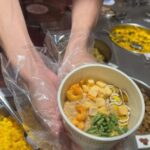
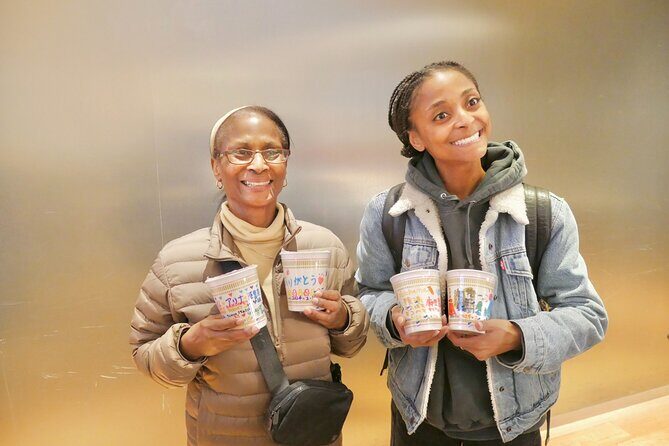
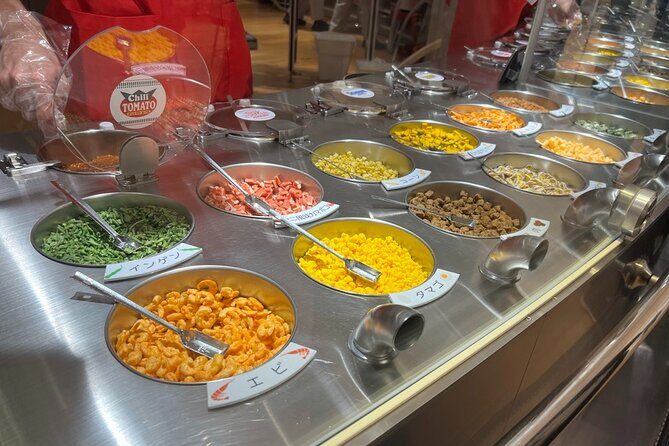
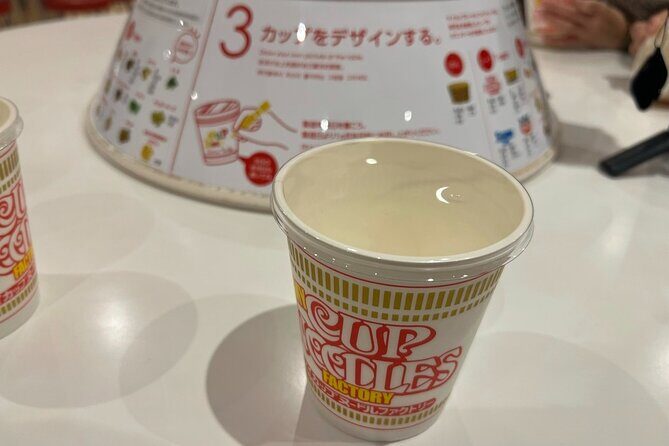
One of the biggest reasons people book this is the chance to make your own original Cup Noodles. This is not just a craft station where you decorate a cup and call it a day. The point is to let you participate in the fun part of the museum: customizing the result in a way that feels personal.
From a value standpoint, this is where guided tours shine. You show up expecting to see exhibits, but you leave with something you helped create. Even if you’re not a “foodie,” you’ll likely enjoy the novelty. It’s a practical souvenir experience: you’re not buying a single item at a shop; you’re performing a small activity that gives context to what you learned.
There’s also a good pacing reason to include this. Doing the hands-on section during your visit keeps the history relevant. You’re not making your cup after the story has faded from your brain. You’re making it while the context is fresh.
And if you’ve got a guide known for patience and hosting energy (Haruka is one name mentioned), that helps too. When the instructions are clear, the making part feels smooth rather than stressful.
You can also read our reviews of more museum experiences in Yokohama
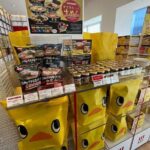
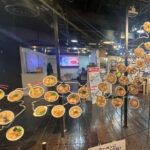
The world noodle and dessert area: where to snack strategically
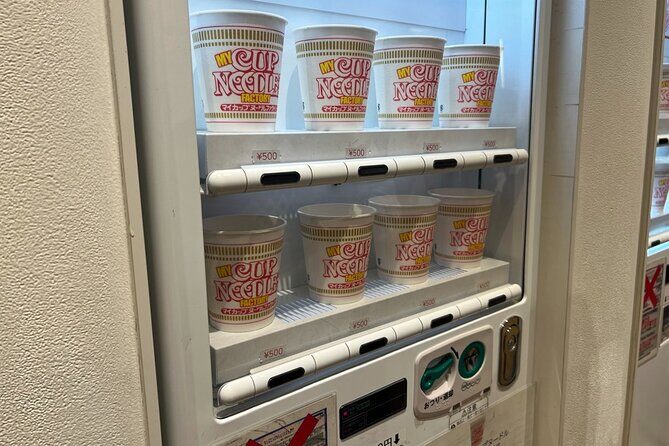
Besides the main learning path, the museum includes an inexpensive area focused on noodle food culture and desserts from around the world. This matters because it gives you a low-pressure way to test your new interest.
Think of it like this:
- The guided portion helps you understand what you’re seeing.
- This food-and-dessert corner gives you a quick way to taste the “global” part you learned about.
You can plan your snack strategy using what the tour notes. Since there’s an emphasis on soup that contains pork, it’s worth paying attention to what you order if you have dietary restrictions. The experience specifically notes that soups contain pork and asks vegetarian or vegan participants to refrain from serving, so don’t assume every dish will fit.
If you’re okay with that, this section is where you can slow down. You can take your time picking something you’re curious about and enjoy it as part of the museum story, not as an afterthought.
Price and value: what $71.85 buys you in real terms
At $71.85 per person, this isn’t a budget impulse buy. But it can still make sense, depending on how you like to travel.
Here’s the value math I’d use:
- You’re paying for a guided experience (not just entry).
- Admission is included, so you’re not doubling up costs.
- You get production context, not only sightseeing photos.
- Most importantly, you get the guided hands-on cup making, which transforms the visit into an activity.
The average booking window is about 45 days in advance, so demand isn’t casual. That suggests the tour tends to sell out or run on schedules that people plan around. If you’re traveling near peak times, this is one of those attractions where locking in early can save stress later.
So is it worth it? If you like guided explanations, value interactive parts, and want a short structured outing, the price feels more reasonable. If you hate paying for guidance and you prefer to roam museums alone, you might feel it’s pricey for what you could do independently. The best way to decide is to be honest about what you’ll enjoy most: conversation and instruction, or solo wandering.
Who should book this tour (and who should skip)
This tour is best for:
- People who want a short, structured outing in Yokohama that feels more than just “look around”
- Anyone curious about how instant ramen became part of daily life
- Families and groups, since both adults and children can enjoy the history and production process
It may not work well for:
- Vegetarian or vegan visitors, because the tour notes that soups contain pork and asks vegetarian or vegan participants to refrain from serving
Also note the tour says most people can participate, so unless you have personal constraints not mentioned here, the main deciding factor is dietary.
If you’re trying to choose between this and a self-guided museum day, ask yourself one question: do you want help translating the exhibits into a story? If yes, the guide adds real value. If no, you may find yourself paying for structure that you wouldn’t use.
Should you book the Cup Noodles Museum guided tour?
I’d book it if you want a fun, guided food experience that’s short enough to fit into your day, with a hands-on element that leaves you with a personal payoff. The max 4-person group size is a strong plus for anyone who likes asking questions and keeping things moving at a comfortable pace.
I’d hesitate if your diet doesn’t match the soup situation, or if you prefer museums without a guide and you’re mainly after pictures and shopping. In that case, the guided format may feel like you paid extra for someone else’s timeline.
My practical advice: book it when you want a “food story plus activity” day, not a solo museum day. For Yokohama, it’s an easy choice when you want something uniquely Japanese that still translates to the rest of the world.
FAQ
How long is the Cup Noodles Museum guided tour in Yokohama?
The tour lasts about 1 hour 30 minutes.
Is admission included in the price?
Yes. Admission to the museum is included.
Where do we meet the guide?
Meet at the Cup Noodles Museum entrance area at 2-chōme-3-4 Shinkō, Naka Ward, Yokohama, Kanagawa 231-0001, Japan. The guide will be holding a signboard with [gotcha].
Is the ticket mobile?
Yes, you’ll use a mobile ticket.
Is the tour suitable for vegetarian or vegan visitors?
The tour notes that visitors should refrain from serving if they are vegetarian or vegan. It also states that all soups contain pork.
What’s the group size?
The tour has a maximum of 4 travelers.