REVIEW · SAPPORO
Sapporo Private Sightseeing Tour in Onsen with Special Package
Book on Viator →Operated by Sapporosightseeing Ambasador Special Travel Package · Bookable on Viator
A winter day in Hokkaido feels different. This private Jozankei Onsen outing blends snowshoe walking, quiet shrine moments, and real hot-spring time, with luxurious transportation door-to-door from Sapporo. You also hit a set of paid sights tied to the Jozankei area, so the day feels planned, not random.
I especially like two things: the snowshoe portion on the Jozankei route and the way the schedule saves the best soak for later at Hoheikyo Onsen. I also like that the guides running the show (I’ve seen Tomo and Sebastian named) tend to be friendly and flexible, which matters when snow changes the plan.
One possible drawback: this is weather-dependent, and the cancellation terms are strict if you cancel for non-weather reasons. Also, Shiraito Falls is listed for summer only, so in winter you should expect a different seasonal mood on that stretch.
In This Review
- Key things to know before you go
- From Sapporo Station to Jozankei, without the winter stress
- Snowshoe time on the Jozankei walking path (the activity that makes it worth it)
- Shiraito Falls, the shrine stop, and the paid Jozankei areas you actually want
- Jozankei Onsen sightseeing hour: souvenirs and an ice cream break
- Hoheikyo Onsen: natural hot spring time, not just a soak-and-go
- Price and value: why $201.97 can make sense here
- What to pack (so you don’t waste your energy)
- Who this tour fits best (and who might not)
- Should you book the Sapporo private Jozankei snowshoe and onsen package?
- FAQ
- What’s the duration of the Sapporo Private Sightseeing Tour in Onsen with the special package?
- Where do I meet for the tour?
- Is this a private tour?
- What’s included in the package?
- Is lunch included?
- Are tickets mobile?
- Will I be able to see Shiraito Falls?
- What happens if the weather is poor?
Key things to know before you go
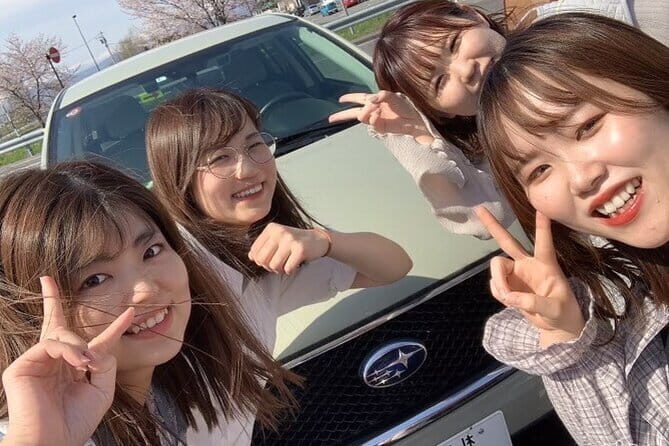
- Private, high-end transport: You’re not fighting buses or taxis in winter.
- Snowshoe walking is included: It’s the main activity, and it shapes the whole day.
- Paid Jozankei sights are bundled: You’ll cover the fee-required trail/areas tied to Jozankei.
- Hoheikyo Onsen includes natural hot spring time: You get real bathing time, not just a quick photo stop.
- Seasonal differences matter: Shiraito Falls is only a summer-time stop.
- Guides who adjust to the day: Tomo and Sebastian come up repeatedly in feedback for warmth and flexibility.
From Sapporo Station to Jozankei, without the winter stress
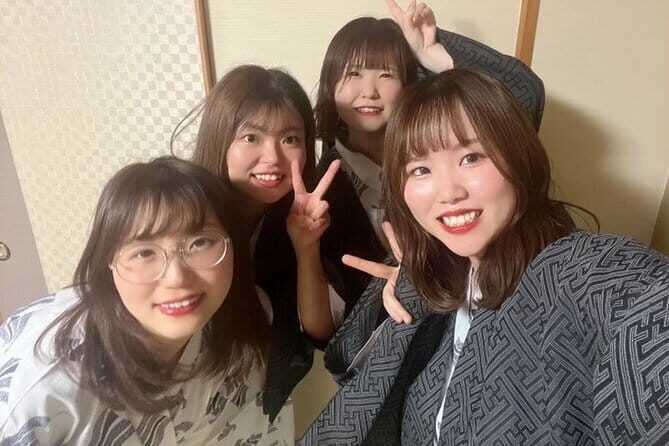
You meet at Sapporo Station North Square (the Kita Ward side), and that alone is a win. Getting started from a major transport hub means you can plan your day without extra guesswork—especially important when roads and sidewalks look like they’ve been dusted with powdered sugar (which is pretty, but also slippery).
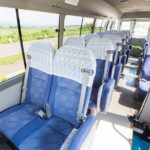
The biggest practical advantage is the private ride in a high-end vehicle. In snowy Hokkaido, the difference between “I’m on my own” and “someone is driving” is huge. You can focus on the day ahead: snowshoe footwear, warm layers, camera batteries, and the kind of calm you get when you’re not negotiating transport.
This tour runs within the stated window (December through January, per the operating range) and the daily operating hours are listed as 9:00 AM to 3:30 PM. Expect a 4 to 6 hour overall experience. That length is long enough to feel satisfying, but short enough that you’re not stuck away from Sapporo all day.
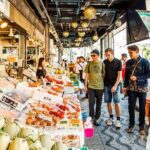
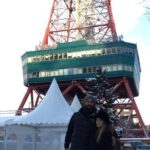
You can also read our reviews of more private tours in Sapporo

Snowshoe time on the Jozankei walking path (the activity that makes it worth it)
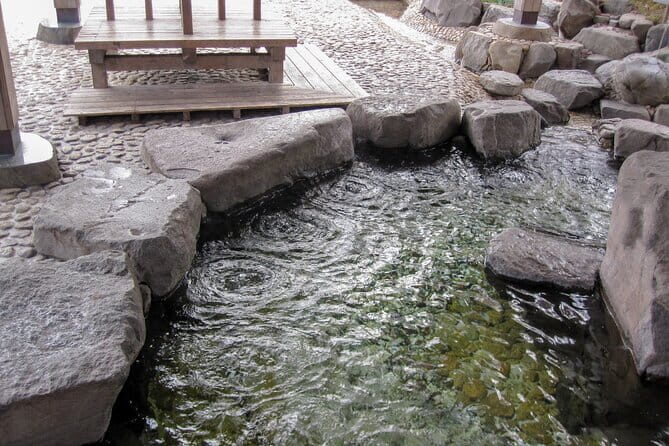
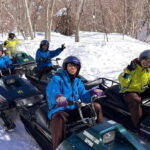
The day kicks off with the Jozankei walking path portion, and this is where snowshoeing becomes more than a checkbox. The package specifically includes the snow shoe walking activity, and the vibe is active but not reckless: you’re moving through mountain winter scenery while wearing gear meant for snow travel.
In the feedback I saw, this part gets called a highlight again and again—especially because you’re not just standing in snow; you’re experiencing it up close. One guide-name that shows up a lot is Tomo, praised for being patient and for steering people toward good photo moments. Another name that appears is Sebastian, mentioned alongside Tomo in the context of onsen and mountain experiences.
What you should plan for:
- You’ll want warm, layered clothing. Snowshoeing means you’ll work a bit, then cool down fast when you stop.
- Gloves and a hat matter more than you think. Snow turns everything into a wet-and-cold problem if you’re not covered.
- Bring a practical mindset. Snowshoe days are smoother when you focus on steady steps instead of speed.
The best part: snowshoeing sets up the hot-spring payoff later. You’ll go from cold cheeks to warm water relief without having to “wait around” to feel anything.
Shiraito Falls, the shrine stop, and the paid Jozankei areas you actually want
After the walking portion, the schedule shifts to short scenic/ritual stops. There’s a mix here: one seasonal nature stop, one spiritual/picture stop, then proper onsen time.
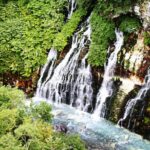
Shiraito Falls (summer-only)
This is listed as a short stop (about 10 minutes) and the important detail is right in the seasonal note: only summer time. If you’re going during the winter operating dates, don’t plan your photos around dramatic waterfall flow. Instead, think of this as a stop that may only make sense outside winter, depending on conditions and season.
Jozankei Shrine / Jyozankei Temple moment
Next you’ll visit the Jozankei shrine, connected to the temple area and described as a “powerspot.” You’ll have time to pray for what you want, not just take quick pictures. The stop is short (around 30 minutes), but that’s often enough time to slow down, especially after a cold snow walk.
There’s also a seasonal festival detail tied to this shrine: a snow lamp festival runs from January to February. If your dates overlap, you can expect an extra layer of atmosphere beyond the usual shrine stillness.
The fee-based Jozankei components
The overall package description also says the route includes three paid components: Jyozankei Trail way, Jyozankei Dam, and Jyozankei Temple. You don’t need to micromanage where each one appears; the point is that the day bundles the places where fees are commonly tied to the Jozankei sights. That saves you the mental load of “Do we need to buy something here?”
Jozankei Onsen sightseeing hour: souvenirs and an ice cream break
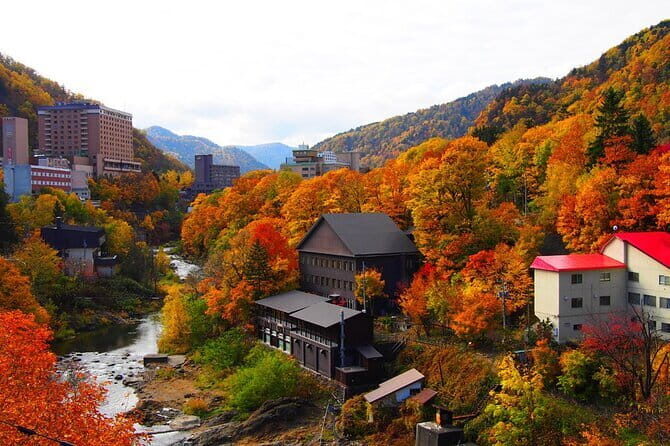
The schedule then includes the Jozankei Onsen sightseeing spot for about one hour. This is the area people connect with Jozankei’s name, and it functions as a reset point in the day.
Practically, this is where you can:
- Pick up small souvenirs
- Grab a snack—there’s specifically mention of ice cream at this stop
I like this kind of timing. After snowshoeing and short cold stops, you need a place to warm up, browse a bit, and stop thinking. That hour gives you breathing room without turning the tour into a long shopping loop.
Also, because it’s a famous sightseeing area, you’ll generally find it easy to understand what to do next: wander, check the shops, then head back when your guide says it’s time.
Hoheikyo Onsen: natural hot spring time, not just a soak-and-go
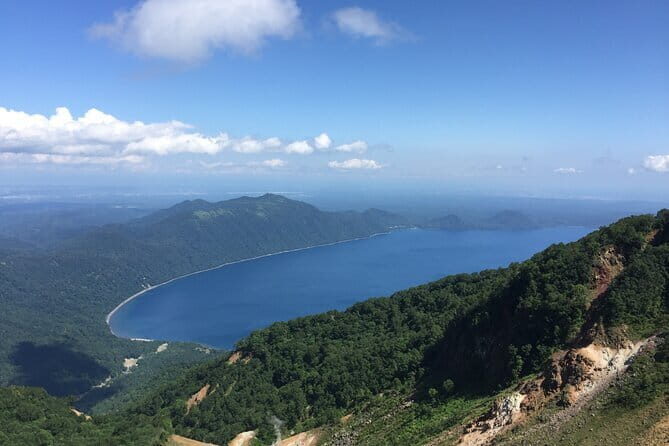
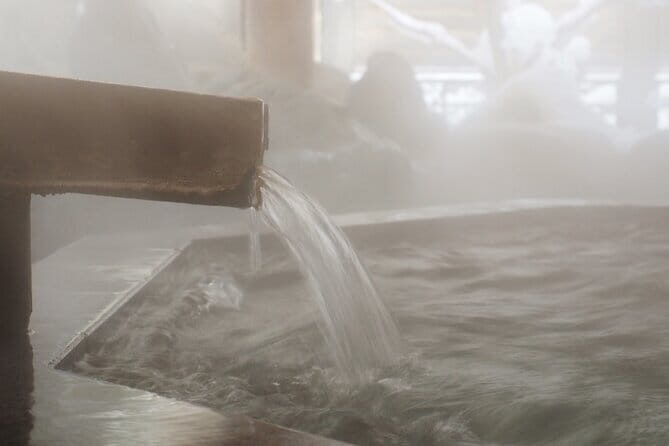
If the snowshoe part is the spark, Hoheikyo Onsen is the payoff. This is where you get about two hours, and the package description explicitly frames it as a natural hot spring experience.
The stop is described as an amazing hot spring, with an emphasis on relaxing and chilling outside. In other words, this isn’t just a “bathing counter” moment. You have time to actually enjoy the pace.
One review line that stuck with me is about volcanic water and authentic onsen time. While I can’t guarantee every session will feel identical, I’d treat this as a heads-up that the water experience here is often discussed in those terms—warm, soothing, and a little dramatic in the best way when it’s cold outside.
A couple smart considerations for your visit:
- Plan to change slowly. Your body can feel stiff after cold walking, then suddenly relaxed in hot water.
- Bring a calm attitude. Onsen time works best when you let it be slow.
- If you want photos, follow onsen rules and ask where it’s allowed. Not all areas are photo-friendly.
The best part about ending with proper onsen time: you don’t have to rush back in the middle. Your day finishes with comfort instead of constant movement.
A few more Sapporo tours and experiences worth a look
Price and value: why $201.97 can make sense here
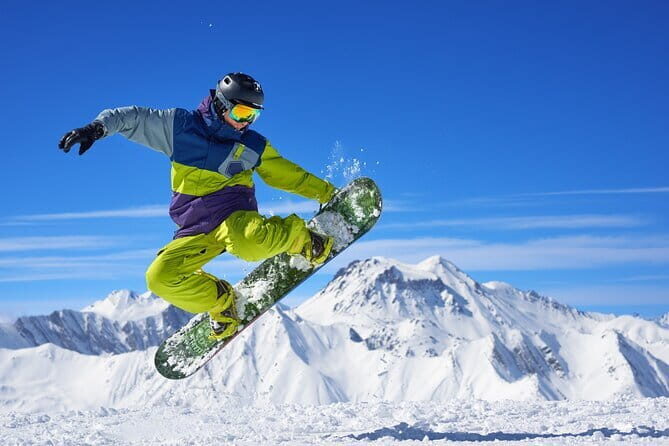
At $201.97 per person, this isn’t a cheap “quick trip” option. But value comes from what’s bundled and what’s avoided.
Here’s what you’re paying for, in plain terms:
- Private transportation in a high-end vehicle (a big cost driver in winter)
- Snowshoe walking activity included
- Admission/fee coverage for key Jozankei-related stops (the package notes fee-included areas)
- Hoheikyo Onsen time with admission included
- An experience designed to run as a smooth half-day rather than you stitching together taxis, tickets, and schedules
Lunch isn’t included, so you’ll likely spend a bit extra on food. That’s normal. But the tour is built to minimize surprise costs: major entries and the main activity are handled.
The other value factor is time efficiency. A half-day with private driving is often cheaper than you think once you calculate your time stress and transport confusion in snowy Sapporo.
What to pack (so you don’t waste your energy)
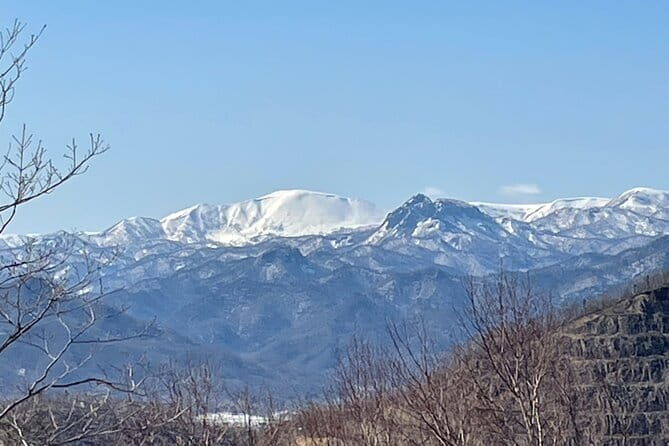
This is a winter snowshoe plus onsen mix, so your packing list is about comfort and small survivals.
Bring:
- Warm layers you can adjust (snowsports can heat you up, then chill you)
- Gloves and a hat
- Water-resistant outerwear if you’ve got it
- Socks that can handle wet conditions
- A way to keep your phone battery alive (cold drains batteries fast)
For the onsen portion, you’ll want to be ready for the mindset shift: you’ll move from “cold air activity gear” to “relax and remove worries.” If you don’t love changing routines, mentally prepare for it.
And one simple tip from the feedback thread: if there’s an ice cream or snack stop around the ride home, ask your guide about it. It’s described as a treat, and it’s the kind of small joy that makes a cold day feel worth it.
Who this tour fits best (and who might not)
This works best for you if:
- You want a private day in Hokkaido without transit stress
- You’d actually use snowshoeing (first-timers have said it feels like a dream when snow is powdery)
- You care about hot spring time that lasts (not just a quick stop)
- You want a guide who can adapt to conditions
You might want to consider other options if:
- You’re going specifically to see Shiraito Falls in winter (it’s listed as only summer time)
- You’re not comfortable with weather-dependent plans
- You need a fully refundable plan no matter what (this experience is non-refundable if you cancel for reasons other than weather)
Should you book the Sapporo private Jozankei snowshoe and onsen package?
I’d book this if you want a tidy half-day that delivers the core Jozankei experience: snowshoe walking, shrine atmosphere, and proper onsen time at Hoheikyo Onsen, all powered by private transport.
But book with a winter mindset. Conditions matter here, and if you cancel without a weather reason, you won’t get your money back. If the weather forces a cancellation, you’re offered a different date or a full refund, so the plan has some protection—but only if the operator has to cancel.
If your goal is an easy, well-paced Sapporo-to-Jozankei day where you don’t think about logistics much, this is a strong fit.
FAQ
What’s the duration of the Sapporo Private Sightseeing Tour in Onsen with the special package?
The tour runs about 4 to 6 hours.
Where do I meet for the tour?
You meet at Sapporo Station North Square (3-chōme-12–2 Kita 7 Jōnishi, Kita Ward, Sapporo, Hokkaido 060-0807, Japan). The tour ends back at the meeting point.
Is this a private tour?
Yes. It’s a private tour/activity, and only your group participates.
What’s included in the package?
The package includes snow shoe walking activity, and admission is included for the stops listed as fee-required (including the main walking area and Hoheikyo Onsen).
Is lunch included?
No. Lunch is not included.
Are tickets mobile?
Yes, the tour uses a mobile ticket.
Will I be able to see Shiraito Falls?
Shiraito Falls is listed as a stop only for summer time, so plan based on the season.
What happens if the weather is poor?
The experience requires good weather. If it’s canceled due to poor weather, you’ll be offered a different date or a full refund.