REVIEW · KAWAGOE
Jizo Wood Carving Experience in Kawagoe
Book on Viator →Operated by Shuminavi Inc. · Bookable on Viator
Carve a tiny Jizo in Kawagoe. You work on a half-finished Jizo in a clean room, a 5-minute walk from Kawagoe’s kura-zukuri district. It’s a hands-on, do-it-now craft lesson where the goal is simple: finish your own small Buddhist sculpture with a real carving knife.
I especially like two things. First, the structure is built for beginners, since you start with a piece that’s already shaped up and you focus on getting it to a satisfying rough finish. Second, the instructor doesn’t just point at tools. You get careful guidance on how to hold the knife and how to move, with an artist who brings 24 years of practice into the room.
One possible drawback: this is mostly about carving, not wandering. If you’re hoping for a sightseeing-heavy experience, you’ll want to plan extra time in Kawagoe’s kura-zukuri streets before or after.
In This Review
- Key highlights that matter
- Why Kawagoe’s kura-zukuri area pairs well with carving
- Finding the meeting point: Kuruwamachi to Toki no Kane
- The heart of the experience: finishing a half-carved Jizo
- Knife coaching that slows you down (in a good way)
- Choosing your Jizo: small or slightly larger
- What the itinerary feels like minute by minute
- Price and value: what $71 buys you
- Who this is best for (and who might want to think twice)
- The “made it with my own hands” effect you’ll feel
- My booking advice: plan it like a mini-day, not a big tour
- Should you book the Jizo wood carving experience in Kawagoe?
- FAQ
- Where is the meeting point for the Jizo wood carving experience?
- How long does the experience take?
- Is this experience suitable for beginners?
- Can I choose the size of the Jizo I carve?
- What is included in the $71 price?
- Can I cancel and get a full refund?
Key highlights that matter
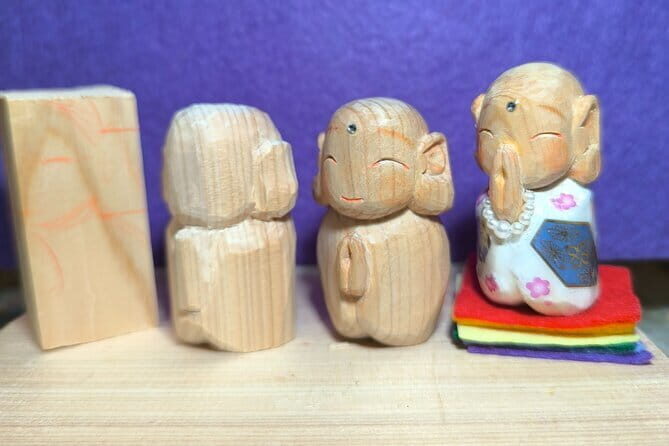
- Half-finished starting point makes this feel achievable fast
- Knife basics taught step by step so your first cuts make sense
- Instructor with long experience (24 years) and careful coaching
- Two Jizo sizes (small and slightly larger) you can request in advance
- Tools and materials included in the $71 price
- Private group feel so you carve without the usual crowd energy
Why Kawagoe’s kura-zukuri area pairs well with carving
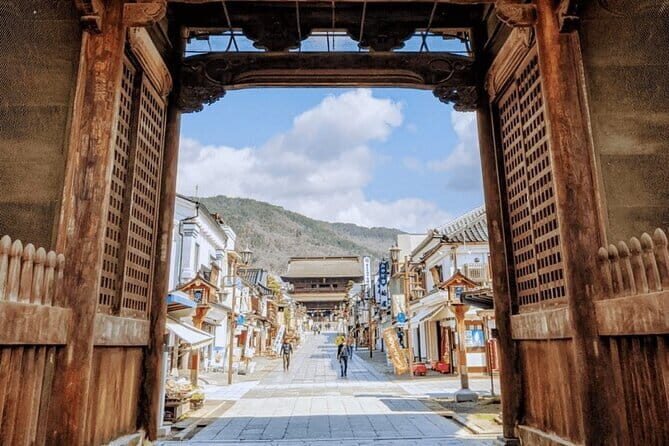
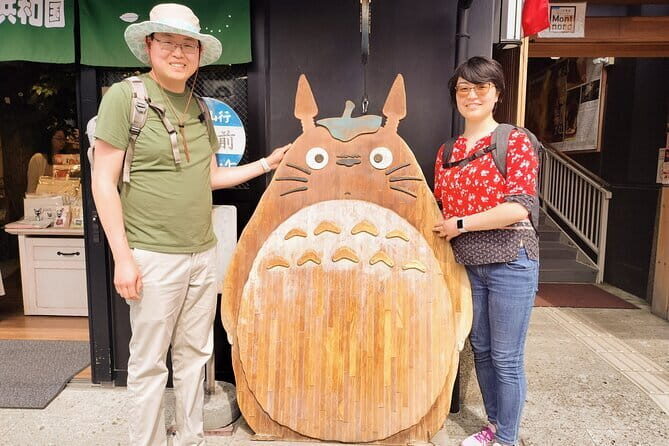
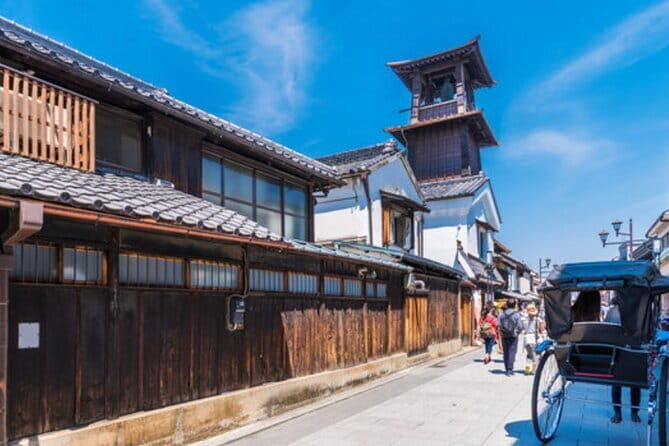
Kawagoe is one of those Japanese towns where you can mix old streets with an activity that actually gets your hands involved. This carving session lands close enough to the famous kura-zukuri district that you can make a smooth plan: arrive for the streets, then switch gears into a workshop.
The venue itself is described as a clean room in a public facility. That matters more than you might think. You’re not guessing where to sit or scramble for space. You’re just there to carve. And after 1 hour 45 minutes of knife work, it’s nice that you can walk back toward the main tourist area without needing a complicated transfer.
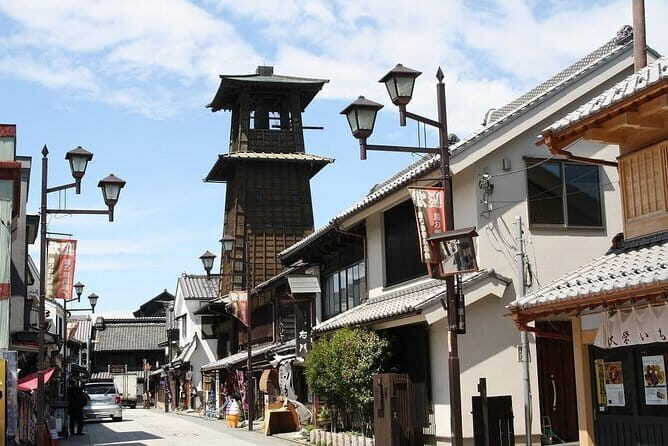
It also helps that you meet at Toki no Kane in Kawagoe and then walk about 5 minutes to the actual room. In real travel terms, that’s a low-stress start. You’re not burning your best energy wrestling with directions right before you pick up a blade.
You can also read our reviews of more tours and experiences in Kawagoe.

Finding the meeting point: Kuruwamachi to Toki no Kane
Your starting point is Kuruwamachi, 1-chōme 181 in Kawagoe (Saitama). The experience itself directs you to meet at Toki no Kane in Kawagoe.
From there, you walk roughly five minutes to the venue. That short walk is part of the charm. You’re not stuck in a far-off workshop that feels detached from the day’s atmosphere. Instead, you can do a quick orientation in the area, then step into a calmer room.
Because the activity ends back at the meeting point, it also gives you an easy “anchor” for planning the rest of your day. You don’t have to figure out how you’ll get back to wherever you were before the class.
The heart of the experience: finishing a half-carved Jizo
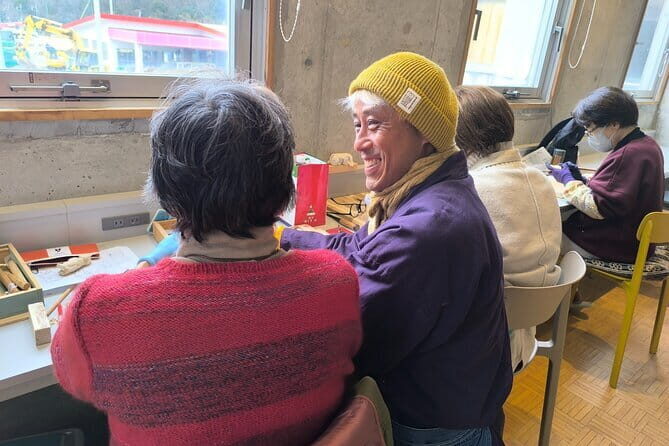
This is not a blank-page craft lesson where you have to invent the shape from scratch. The program has a simple, beginner-friendly path: you finish a small Jizo by wood carving.
The key detail is that you carve from a half-finished piece up to a rough carving stage. That removes two common problems for first-timers:
- You’re not staring at an intimidating block with no direction.
- You’re not expected to produce a perfect final sculpture on your first try.
You still use a carving knife, so it’s genuinely hands-on. But the progression is set up so you can build confidence. That’s a big deal if you’re worried about being clumsy with your hands.
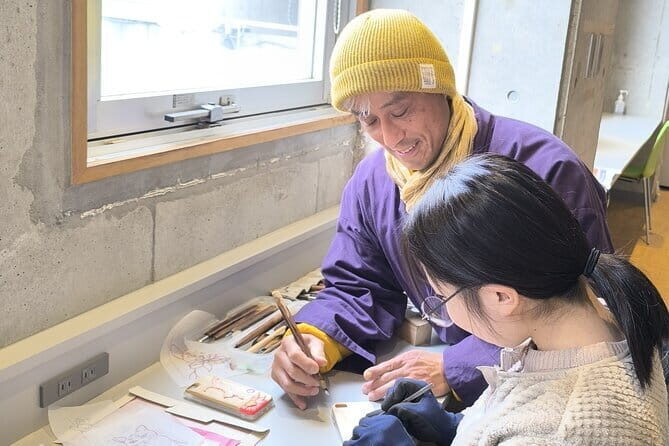
There’s also an instructor-led focus on fundamentals: how to hold and use the carving knife. In the actual feedback, that “taught carefully” theme comes through again and again. The coaching is described as kind and meticulous, with the instructor explaining what to do during the steps before you’re left to try on your own.
Knife coaching that slows you down (in a good way)
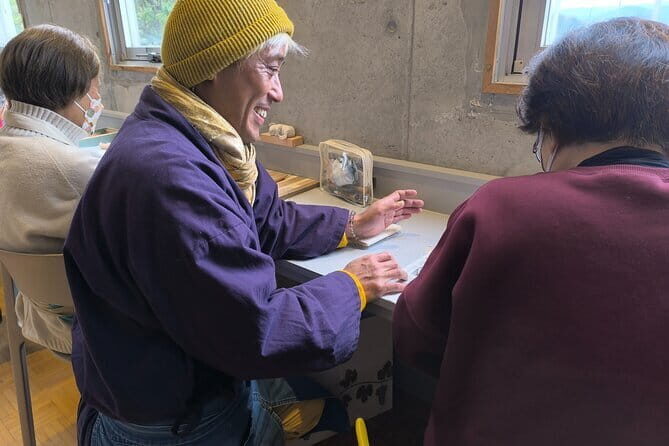
Carving can feel scary at first because a knife is involved. The best part of this experience is that you’re not thrown into trial-and-error.
You start with explanation and instruction on how to use the carving knife. That means you learn the grip and handling basics before you begin deeper work. For most people, this is where carving lessons either click or fail. Here, the plan is designed so the first stage is manageable.
Then you begin making. After that comes finishing touches, and finally completion. Those step labels may sound formal, but they translate into something practical while you’re in the room:
- You get momentum early (start making).
- You get a guided moment to refine (finishing touches).
- You leave with a sense of completion (completion).
One review described the feeling of time passing quickly while carving wood. That matches what a well-paced craft lesson should feel like: focused, a little meditative, and not full of awkward downtime.
Choosing your Jizo: small or slightly larger
You have options. The program mentions two types of Jizo: a small one and a slightly larger one.
If you have a preference, you can request your favorite size through prior consultation. That’s helpful if you care about the finished scale, how it might sit on a shelf, or simply whether you want a project that feels more compact or more substantial.
If you don’t request in advance, you can still participate. But if choosing size matters to you, don’t treat it like an afterthought. Planning it ahead is the easiest way to align the activity with what you actually want to take home mentally as your souvenir.


What the itinerary feels like minute by minute
Even with no dramatic sightseeing stops, you can picture the flow clearly:
Meet at Toki no Kane
This is your first anchor point. From here you transition on foot to the carving room.
Walk to the venue (about 5 minutes)
This short walk is your buffer time to settle in. You can breathe, spot the entrance, and get oriented before the tools come out.
Explanation and knife instruction
You learn how to hold the carving knife and how to use it. This is where the instructor’s long practice shows. Instead of one-size-fits-all advice, you’re guided so your cuts make sense.
Start making
Now you carve. Because you’re working with a half-finished piece, you can move quickly into the part that feels like real progress.
Finishing touches
This is the refinement stage. It’s where you improve the look by tightening up your carving and smoothing the story your wood is telling.
Completion, then walk back (5 minutes)
Once your piece is complete, you walk back to the meeting point. The whole thing is built to be self-contained without stealing a half-day.
For timing: it runs about 1 hour 45 minutes. That’s long enough to feel like you did something real, and short enough that it won’t hijack the rest of your Kawagoe plans.
Price and value: what $71 buys you
The price is $71.00 per person, and it’s described as including tools and materials needed for the activity. That’s important because wood carving can require specialized tools, and DIY shopping at the last minute is annoying and often expensive.
When you’re paying for a craft lesson, you’re really buying three things:
1) Time
2) Tools and setup
3) Instruction so you don’t waste that time
Here, the instruction is a major part of the value. The instructor is described as having 24 years of experience as an artist, and the way people describe the teaching is consistent: careful coaching, clear knife handling, and patience with beginners.
Also, this is a private tour/activity. Only your group participates. That usually means less crowd pressure and more direct attention. It’s not a guarantee that you’ll get one-on-one all the time, but it changes the vibe compared with a large public class where everyone is waiting for a turn.
One more practical value point: you’ll get a mobile ticket, and group discounts are mentioned. If you’re traveling with friends or family, that can make the price feel even more reasonable.
And it’s a popular activity. It’s booked on average 72 days in advance. If you’re heading to Kawagoe around peak travel times, I’d book sooner rather than later.
Who this is best for (and who might want to think twice)
This carving experience fits best if you want:
- A hands-on activity that feels creative, not passive
- A beginner-friendly craft where you start from a half-finished piece
- Clear teaching around knife use and technique
- A short session that won’t derail your whole day
You’ll likely enjoy it even if you haven’t carved anything before. The program is specifically framed as easy for beginners, with you only needing to finish up to rough carving.
Where it may not fit as well:
- If you want mostly sightseeing, this won’t fill that role by itself
- If you hate any tool-based activity, the presence of a carving knife may not be your thing
One practical note: the experience is listed as most travelers can participate, and service animals are allowed. The venue is near public transportation, which is useful if you’re building a Kawagoe itinerary without renting a car.
The “made it with my own hands” effect you’ll feel
I like craft lessons because they create a specific kind of memory. Not just photos. Actual muscle memory.
In the feedback you get a pattern: people describe learning something they hadn’t done before, then feeling proud of the time they spent making their piece. One person mentioned they hadn’t carved since middle school and used the session to carve a smartphone-cover-style item, then felt very attached to the result because it was tied to their own design (like a cat idea). Another talked about wood carving giving them more autonomy, with time passing quickly while the work felt enjoyable.
Even if you choose the classic small Jizo approach, the underlying lesson stays the same: the instructor’s guidance turns a scary tool into something you can control. And once you feel control, the time gets faster.
Also, you’ll probably notice how the instructor can adapt their guidance. That flexibility is part of why people describe the class as welcoming, even when they’re first-timers.
My booking advice: plan it like a mini-day, not a big tour
This is the kind of activity I’d book as a centerpiece stop in a Kawagoe day plan, not as the entire itinerary. Pair it with a walk through the kura-zukuri district, grab snacks nearby, then come back for carving.
Here’s how I’d make it work:
- Morning or early afternoon: kura-zukuri streets
- Later: carving session at Toki no Kane area
- After: one last stroll while you still have craft memories fresh in your head
If you’re traveling in a group, check whether you can benefit from group discounts. And because it’s booked well in advance on average, it’s smart to lock in a slot rather than gamble on last-minute availability.
Should you book the Jizo wood carving experience in Kawagoe?
Yes, if you want a short, structured craft lesson with real instruction and a beginner-friendly starting point. The combination of a half-finished Jizo project, careful knife coaching from an instructor with 24 years of experience, and tools/materials included makes the price feel like a straightforward lesson rather than a vague activity.
I wouldn’t book it as a substitute for sightseeing in Kawagoe. It’s focused. That’s the point. Just plan it alongside the kura-zukuri district so you get both the story of the town and the hands-on payoff.
If you like making things with your own hands, this is one of the more satisfying “one hour 45 minutes” experiences I’d prioritize.
FAQ
Where is the meeting point for the Jizo wood carving experience?
You meet at Toki no Kane in Kawagoe. The start address is Kuruwamachi, 1-chōme 181, Kawagoe.
How long does the experience take?
The duration is about 1 hour 45 minutes.
Is this experience suitable for beginners?
Yes. The carving starts with a half-finished Jizo, and you only need to carve up to rough carving, which makes it easier for beginners.
Can I choose the size of the Jizo I carve?
Yes. There are two types (a small one and a slightly larger one). You can prepare your favorite one by prior consultation.
What is included in the $71 price?
Tools and materials needed for the activity are included.
Can I cancel and get a full refund?
Yes. Free cancellation is available up to 24 hours in advance for a full refund. If you cancel less than 24 hours before the start time, it isn’t refunded.