REVIEW · KAWAGOE
Kawagoe Japanese Food Tour : Unagi Kaiseki and Sake near Tokyo
Book on Viator →Operated by 大穀 川越菓子屋横丁店 · Bookable on Viator
Eel turns dinner into a show. In this Kawagoe tour, you get a live unagi performance plus hands-on fresh wasabi grating, all paired with a kaiseki-style meal and optional sake. The setting is about 30 minutes from central Tokyo, but the vibe is calmer than the big-name tourist cities.
I especially like that it is not the usual food-tour shuffle. You watch the chef’s technique up close, learn what makes eel special in Japan, and work through the meal step by step, with help from the guide (including Mr. Kusuda’s lively translation and humor). One thing to plan for: the standard price does not include alcohol, so sake pairing costs extra if you want it.
In This Review
- Key highlights you’ll actually feel in 2.5 hours
- Kawagoe at 5 pm: the smart way to taste Japan without the Tokyo crush
- Meeting at Eccola Resona Koedo Terrace: what you should know before you go
- The 40-year eel master performance: from live unagi to grilled shirayaki
- Grating fresh wasabi: the hands-on skill that changes the bite
- Appetizer to unajū: how the meal stays focused on eel
- Sake pairing option: how to decide if it’s worth the add-on
- Why this feels different from regular Tokyo-area food tours
- Who this unagi and wasabi experience suits best
- Should you book the Kawagoe unagi kaiseki and sake tour?
- FAQ
- What time does the Kawagoe unagi tour start?
- How long is the tour?
- Where do I meet the group?
- How many people are in the group?
- What’s included in the meal?
- Do I get to grind wasabi?
- Is sake included in the price?
- Is transportation included?
- Can I cancel for a full refund?
- Is the tour suitable for solo travelers?
Key highlights you’ll actually feel in 2.5 hours
- Live unagi prep you can see clearly, not just watch from a distance
- Hands-on wasabi grating, where your technique really changes the result
- Small group size (max 8), so the guide can keep things moving
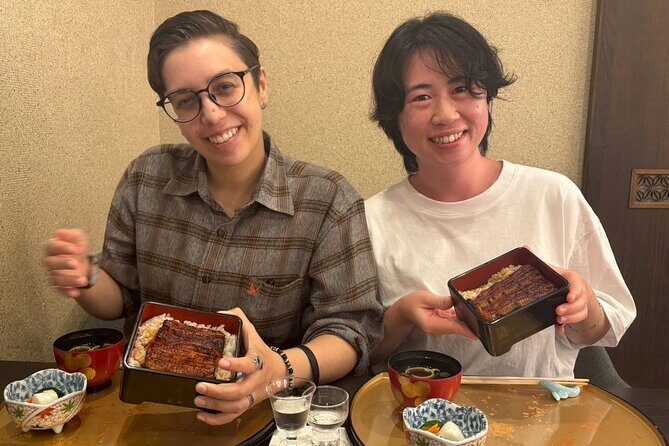
- A focused eel meal: appetizer, shirayaki (plain grilled eel), and unajū (eel over rice)
- Optional premium sake pairing with three varieties, added on top
- English-friendly guidance with quizzes that keep the experience interactive
Kawagoe at 5 pm: the smart way to taste Japan without the Tokyo crush
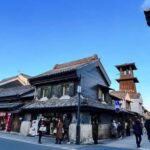
Kawagoe is one of those places that feels like it has a pulse of old Japan while still being easy to reach from Tokyo. It’s around a 30-minute train ride from central Tokyo, and it tends to be far less crowded than Tokyo’s biggest rivals like Kyoto or Osaka. That matters because this tour starts at 5:00 pm, so you’re not rushing across town all day.
I like timing like this for food-focused days. You can do a morning out of the city first, then come back for a meal that feels like an event. The tour’s own recommendation is to combine your daytime with places like Chichibu or Moominvalley Park, then shift into a Kawagoe evening stroll for that historic-town feel. Even if you skip the kimono plan, the town’s atmosphere helps make dinner feel like a real cultural stop.
And yes, eel has a reputation in Japan. Unlike sushi, ramen, tempura, or soba, unagi is widely treated as a premium ingredient and often shows up for special occasions rather than casual everyday eating.
You can also read our reviews of more tours and experiences in Kawagoe.
Meeting at Eccola Resona Koedo Terrace: what you should know before you go
You’ll meet at Eccola Resona Koedo Terrace in Kawagoe (Saiwaichō, 41), and the tour ends back at the same meeting point. The total time is about 2 hours 30 minutes, and the start time is fixed at 5:00 pm, so you’ll want to build your evening around it.
This is a small, intimate format. The group cap is 8 travelers, and the tour is designed for people who want a hands-on food experience rather than a sit-and-listen presentation. You’ll also get a mobile ticket, which is usually the easiest way to manage arrival details without paper.
A practical note: the tour price does not include public transportation. If you’re coming from Tokyo, factor in your train/subway cost so you don’t get surprised. (The tour itself will run smoothly as long as you’re on time for the 5 pm start.)
The 40-year eel master performance: from live unagi to grilled shirayaki
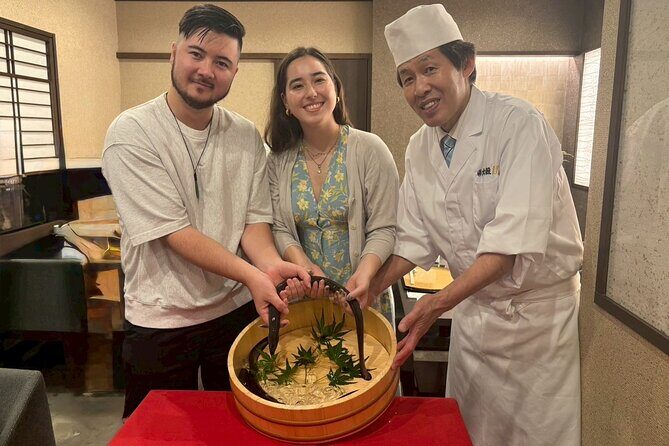
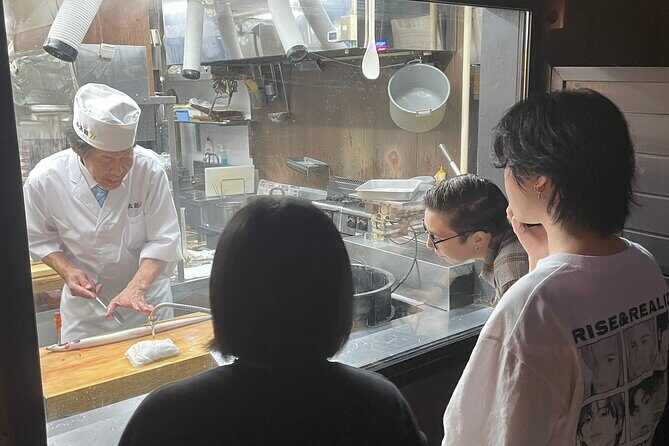
The core of this tour is the chef’s live demonstration of eel preparation and serving. This is not just culinary theater. You’re learning the steps, the textures, and the reasons behind how eel is handled, cooked, and presented.
One of the strongest moments is that you can physically interact with the eel before it goes on the grill. Reviews point out that you may be able to hold a live unagi, then watch it transform as the chef explains what happens next. That’s a big deal because it turns eel from a menu item into something you understand with your own senses.
After that, you’ll get shirayaki, described as plain grilled eel. This part is important for your palate. If you only ever taste eel sauces, you might miss what the fish tastes like on its own. Plain grilled eel lets you notice flavor and char in a more direct way, and it sets you up to enjoy unajū later.
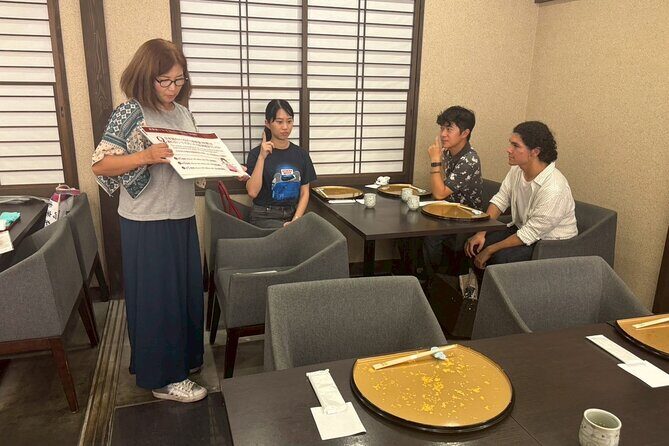
You also get guidance through fun, quiz-style learning with an English-speaking guide. In practice, that means you’re not stuck translating everything on your own. You get short explanations as you go, and the guide uses humor to keep it from turning into homework. Mr. Kusuda specifically comes up in feedback for being lively and funny while translating.
Grating fresh wasabi: the hands-on skill that changes the bite
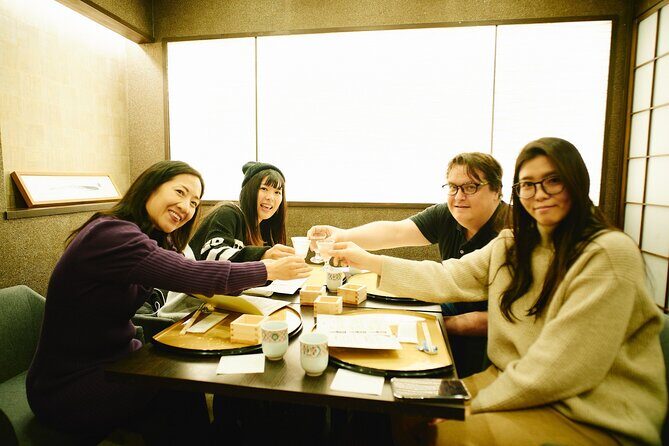
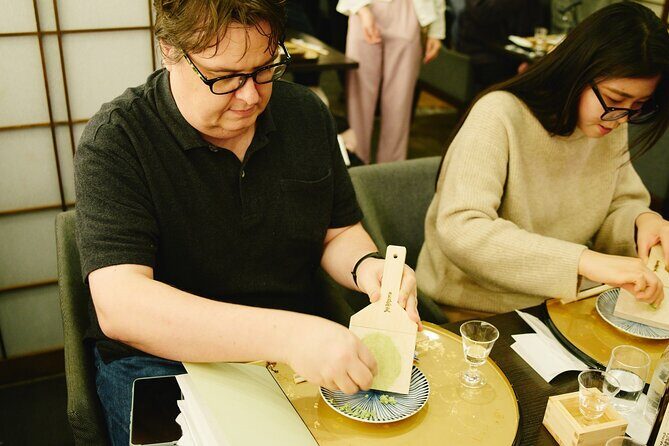
Most tourists experience wasabi as a paste. Here, you get to do it the real way: grinding wasabi yourself. The tour is clear that the spiciness depends on your technique, so you’re not just doing a photo-worthy activity. Your control over pressure, speed, and timing affects the result.
That’s genuinely useful knowledge, because wasabi flavor is not one-note. When you grate it fresh, it tends to hit differently than the common shelf-stable versions. You’re tasting a component that’s all about freshness and timing, which is the whole point of this hands-on approach.
In my view, this is one of the best value parts of the tour because it’s included. Even if you love eel, wasabi can be the missing piece that makes the meal feel complete and intentional. Also, it’s interactive without being complicated. You don’t need to be a cooking person to do it well.
Appetizer to unajū: how the meal stays focused on eel
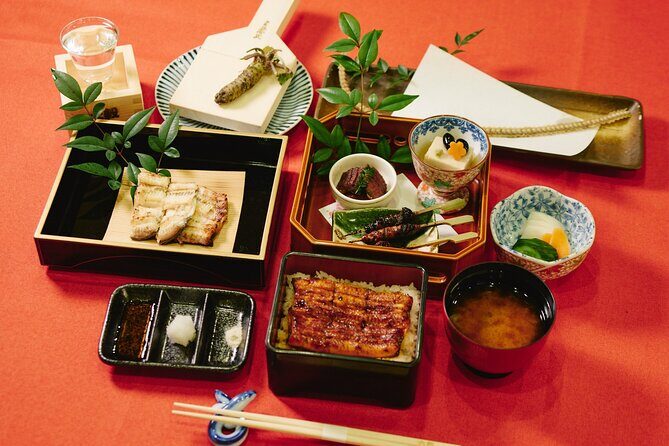
The meal is built around eel, with a clear progression. You’ll start with an appetizer, then move to shirayaki (plain grilled eel), and finally unajū—grilled eel served over rice.
That structure matters for two reasons.
First, it helps you track flavor changes. You’re not jumping from dish to dish without context. Instead, you get a plain version, then a rice dish that typically carries a different balance of richness and sweetness. Even if you don’t know the Japanese terms yet, the order makes sensory sense.
Second, it’s a smarter way to experience kaiseki-style thinking without overloading your evening. The tour describes traditional Japanese cuisine and kaiseki dishes alongside eel and wasabi. In plain terms: you get multiple elements that feel coordinated, not random add-ons.
Also, this is one of the reasons eel earns its premium status in Japan. Unagi is not a cheap substitute ingredient. It’s treated like something worth learning, and the meal format reflects that. You’re not eating eel in a casual izakaya-style way. You’re eating it as a centerpiece ingredient.
Sake pairing option: how to decide if it’s worth the add-on
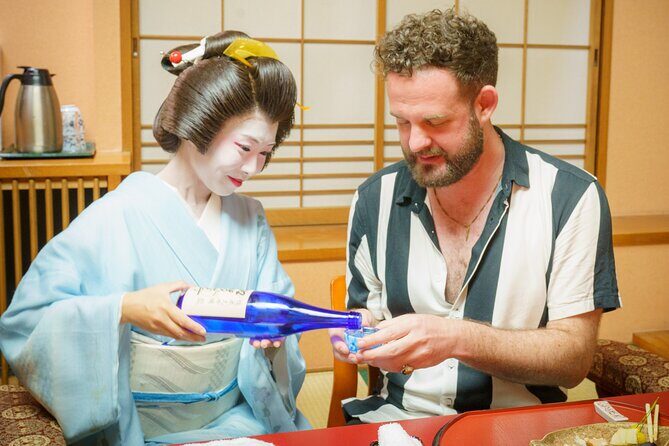
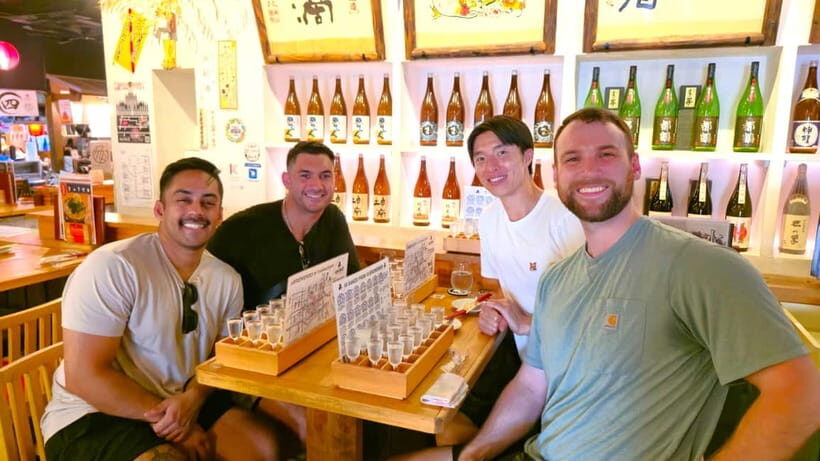
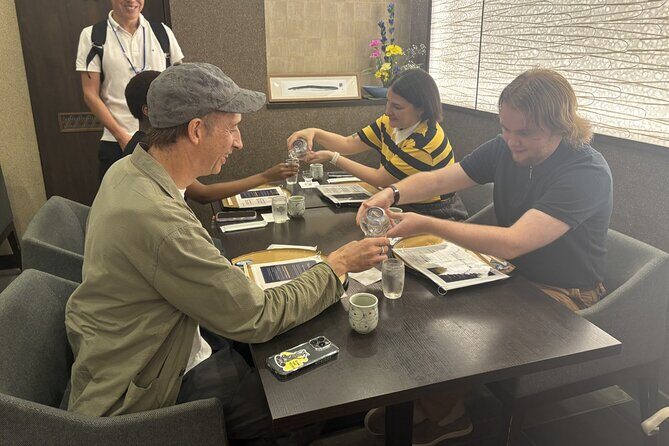
In the standard price, alcoholic beverages are not included. But there is an optional sake pairing available for an additional fee, described as three different varieties selected exclusively for this tour.
If you’re a sake person, this pairing can be a strong add-on because it is matched to the eel-and-wasabi flavor profile. Eel is rich, and wasabi can cut and sharpen. Sake (depending on the style) can either highlight sweetness or refresh your palate between bites.
If you don’t drink much, you can still enjoy the meal fully without alcohol. The core included meal—appetizer, shirayaki, and unajū—stands on its own. In that case, your decision comes down to whether you want guided tastings or a clean non-alcohol meal.
My practical advice: if you’re on the fence, consider how you like to travel. If you normally enjoy food-and-drink pairings, the sake option fits the experience. If you prefer to keep things simple, you won’t feel like you missed the point.
Why this feels different from regular Tokyo-area food tours
A lot of food tours near Tokyo focus on quick bites: street food, casual counters, ramen stops, or general tastings. This one is more like a focused culinary lesson with a performance component. Eel is the theme, and almost everything you do feeds back into that.
The live cooking step is the biggest differentiator. You’re watching the transformation process instead of only receiving a finished plate. That is why people come away talking about the preparation and the serving style, not just the taste.
The other differentiator is the hands-on elements. Holding eel (when available), grating wasabi, and learning through quizzes give you multiple ways to stay engaged. When a tour includes both education and participation, you tend to remember it longer.
And since Kawagoe is less crowded than many other day-trip favorites, the meal experience feels calmer. You’re not just escaping Tokyo for the sake of it. The calmer town helps you enjoy the food moment.
Who this unagi and wasabi experience suits best
This tour is a great fit if you want a premium, ingredient-led meal and you like learning by doing. You’ll especially enjoy it if you:
- like seafood and want to understand eel’s role in Japanese dining
- want a hands-on wasabi experience rather than a tasting only
- enjoy interactive guides and don’t mind short quizzes
It also makes sense if you’re traveling from Tokyo and want something that doesn’t feel like a second-rate imitation of a Kyoto food stop. Kawagoe’s historic atmosphere plus an eel specialty dinner is a nice pairing.
If you’re a strict foodie who only wants vegetarian options, this tour is probably not your match, since the main meal centers on eel. If you’re squeamish about touching a live ingredient, you should think carefully, since the experience may include holding live unagi before it is prepared.
Should you book the Kawagoe unagi kaiseki and sake tour?
I’d book it if eel is on your radar and you want more than a standard meal. The value comes from three places: the live chef performance, the hands-on wasabi grating (included), and the structured eel menu (appetizer, shirayaki, unajū). Add in the small group size and the English-speaking guide support, and it feels like a deliberate specialty experience rather than a generic food stop.
I would hesitate if you’re mainly chasing alcohol and night-life flavors, because the base price doesn’t include drinks. Also, make sure you can commit to the 5:00 pm start time. Evening timing is perfect for some travelers and annoying for others.
If you want one “Japan-specific” food experience that feels real and earned, this is a strong candidate—especially because it pairs a premium ingredient with a town that stays charming even outside the big tourist circuits.
FAQ
What time does the Kawagoe unagi tour start?
The tour starts at 5:00 pm.
How long is the tour?
It lasts about 2 hours 30 minutes.
Where do I meet the group?
You meet at Eccola Resona Koedo Terrace in Kawagoe, Saitama (Saiwaichō, 41).
How many people are in the group?
The tour has a maximum of 8 travelers.
What’s included in the meal?
The course meal includes an appetizer, plain grilled eel (shirayaki), and unajū (grilled eel served over rice).
Do I get to grind wasabi?
Yes. Wasabi grating is included.
Is sake included in the price?
Alcoholic beverages are not included in the standard price. A sake pairing option is available for an additional fee, featuring three varieties.
Is transportation included?
No. Public transportation costs are not included.
Can I cancel for a full refund?
Free cancellation is available up to 24 hours before the experience start time. If you cancel within 24 hours of the start time, the amount paid is not refunded.
Is the tour suitable for solo travelers?
Yes. Solo travelers are welcome to join, and most travelers can participate.