REVIEW · KAWAGOE
Little EDO Sushi Making workshop in Kawagoe
Book on Viator →Operated by Kate's Hands-On Sushi Class · Bookable on Viator
If you want sushi skills you can actually use, do this. You’ll make nigiri and maki in Kawagoe’s old-town setting with an English-speaking Japanese chef. Add the fact that the venue is a 140-year-old former rice merchant building, and you get a workshop that feels like part cooking class, part history walk. I especially liked the step-by-step sushi rice coaching and the friendly, hands-on pace with clear techniques like shaping and cutting. One consideration: the venue has stairs, so if you want to avoid them, tell the operator in advance.
You also get more than just how-to. You’ll cover sushi history and the meaning behind classic forms, then sit down to enjoy what you make. The group stays small (up to 6), so the chef can watch your hands and adjust quickly.
In This Review
- Key things I’d bet on before you book
- Stepping into Kawagoe’s old-town sushi workshop
- What you’re actually learning: nigiri, maki, and sushi rice
- Nigiri (hand-formed sushi)
- Maki (roll sushi)
- Sushi rice (the real center of the class)
- The venue experience: staircase cabinets, beams, and a former rice shop
- How the session flows (what to expect hour by hour)
- 1) Arrival and settling in
- 2) Sushi history and cultural context
- 3) Sushi rice basics you can repeat
- 4) Learning hand technique: shaping nigiri and rolling maki
- 5) Enjoying your creations
- Dietary needs: what they can do (and when you must decide)
- Price and value: is $84.08 worth it?
- Who this workshop suits best
- Booking timing and session structure (simple planning)
- Should you book Little EDO Sushi Making in Kawagoe?
- FAQ
- How long is the sushi making workshop?
- Where is the meeting point?
- How much does it cost?
- What do I make during the class?
- Is a meal included?
- Does the chef speak English?
- What dietary options are available?
- Can I request changes on the day of the class?
- Is the group size limited?
- What if the class is canceled due to weather?
Key things I’d bet on before you book
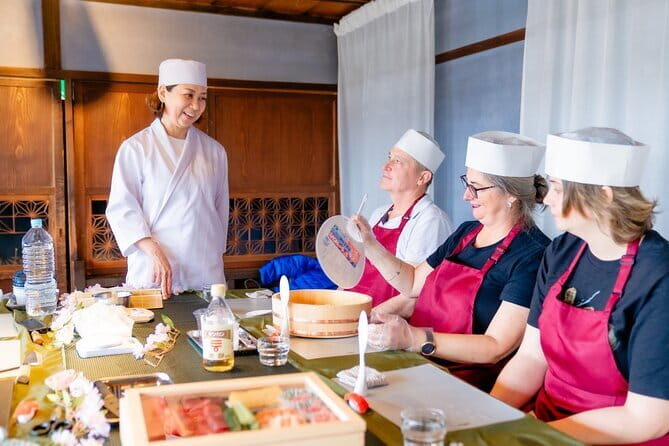
- Two classic styles, hands-on: make nigiri (hand-formed) and maki (roll sushi) during your session.
- Sushi rice that you can repeat at home: expect practical guidance, not just theory.
- A real old merchant building: 140-year-old beams and staircase cabinets set the tone in a former rice wholesale shop.
- Small-group focus: up to 6 travelers means you’re not lost in the crowd.
- Dietary options with advance notice: vegetarian, vegan, gluten-free, halal—ask when booking (no same-day changes).
- Sushi history included: learn that nigiri sushi was created in Japan about 300 years ago.
Stepping into Kawagoe’s old-town sushi workshop
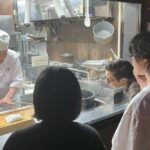
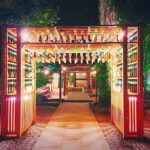
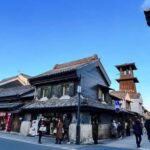
Kawagoe is the kind of place where the streets seem to keep their own schedule. This class takes that idea seriously. You meet at 結家 -MUSUBIYA- (MUSUBIYA) in Kawagoe, in a building tied to the area’s rice trade—said to be about 140 years old—now turned into a local cafe. When you walk in, the setting does half the work for you: staircase cabinets, visible ceiling beams, and that distinct “old Japan” feel that makes a food class more memorable.
The location is also convenient for pairing. The venue is only about a 3-minute walk from KASHIYA YOKOCHO, so if you want to eat locally before or after, you can. No long transit puzzles, no “where do I start” stress.
This is not a giant demo. It’s a hands-on workshop where you’ll work with the ingredients and techniques under an English-speaking Japanese chef’s supervision. The pace is practical: you learn, you practice, and you eat what you create.
You can also read our reviews of more tours and experiences in Kawagoe.
What you’re actually learning: nigiri, maki, and sushi rice
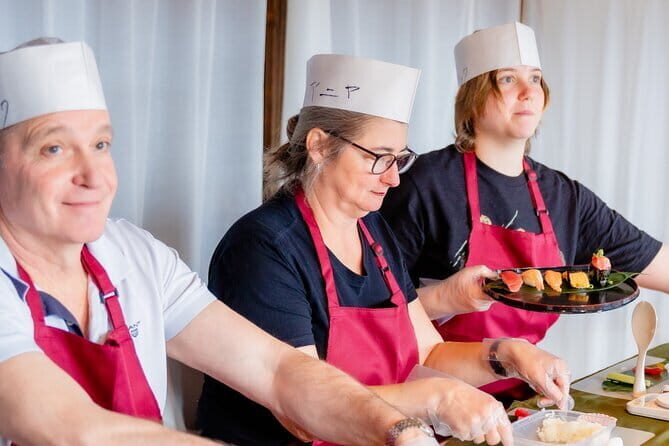
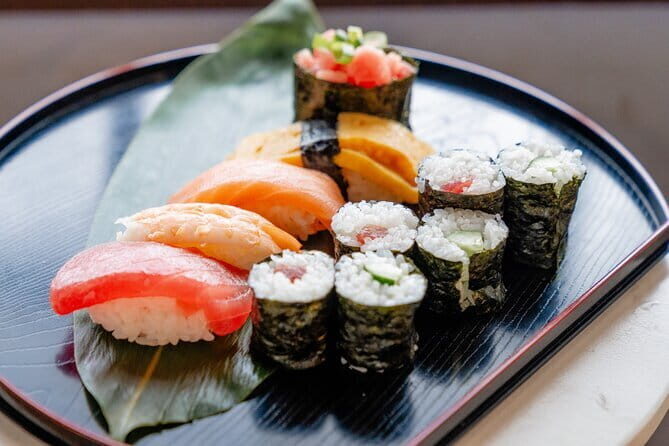
The core of the experience is simple: you’ll make two classic sushi types—nigiri and maki—and you’ll learn sushi rice in a way you can repeat at home.
Nigiri (hand-formed sushi)
Nigiri is the one that tests your hands. You’ll learn how the pieces come together, and the chef will guide the shaping so it looks right and holds together. A review highlights learning how to cut neta (the topping/ingredient part) and how to make nigiri sushi, so expect technique help that goes beyond just rolling up your sleeves.
Why this matters for you: if you’ve ever tried making nigiri at home and ended up with loose, ugly pieces, the workshop focus on shaping and rice handling is exactly what you need. This is the difference between watching sushi videos and actually understanding the mechanics.
Maki (roll sushi)
Maki is more forgiving and more flexible. You’ll learn roll sushi with classic fillings, and you’ll practice how to assemble and roll so it slices cleanly.
Why this matters for you: you’ll get a second style that’s easier to scale up later—especially if you want a homemade sushi night. Nigiri is precision. Maki is workflow.
Sushi rice (the real center of the class)
Sushi rice is where most home attempts go wrong. In this workshop, you’ll learn how to make sushi rice in a way that’s described as easy to recreate at home. That means you’re not just getting a recipe; you’re learning what to pay attention to while you’re cooking and handling the rice.
One review specifically notes learning how to make sushi rice, and that’s a big deal. A good rice texture and seasoning balance can make the whole meal taste “right,” even if you’re still new to shaping.
The venue experience: staircase cabinets, beams, and a former rice shop
The workshop isn’t happening in a generic classroom. It happens in a 140-year-old historic building that used to be a rice wholesaler—now a beloved local cafe. You’re surrounded by old details: staircase cabinets and old wooden ceiling beams that make the room feel like it has layers of time.
For practical travelers, this matters because the setting affects your attention. You’re more likely to focus on the chef’s hand movements and small technique cues when the room has a calm, character-rich pace.
There’s one practical note: there are stairs to access the venue. If stairs are an issue for you, let them know in advance so they can make alternative arrangements. This is worth planning early, especially if you’re traveling on a tight schedule.
How the session flows (what to expect hour by hour)

You’re booked for about 1 hour 30 minutes total. The structure isn’t described as a long multi-stop itinerary, but the class itself has clear phases that match what you’ll learn and what you’ll eat.
1) Arrival and settling in
You start and end at the same meeting point: 結家 -MUSUBIYA- (MUSUBIYA). Since this is a mobile ticket experience, you’ll want your confirmation ready on your phone.
When you arrive, you’ll get oriented before you start cooking. You’ll also be working in a space designed for the class, not a quick pass-through.
2) Sushi history and cultural context
Before you get busy, you’ll learn sushi history and cultural insights. One detail called out is that nigiri sushi was created in Japan about 300 years ago. This may sound like trivia, but it changes how you understand the techniques. Classic forms exist for a reason, and when you know that, your shaping and rolling feel less random.
3) Sushi rice basics you can repeat
Next comes the part you’ll thank yourself for later at home: sushi rice. Expect instruction tied to what “perfect” sushi rice should feel like and how to handle it so it behaves while you work.
If you’ve ever struggled with rice sticking wrong, falling apart, or tasting flat, this is where you learn what to fix.
4) Learning hand technique: shaping nigiri and rolling maki
Then you move into actual production. You’ll learn to form nigiri with the chef’s guidance and make maki rolls with the right assembly technique.
A review also mentions learning how to cut neta, which suggests you’ll get direct coaching on ingredient prep and handling, not just rice and final assembly. That’s great because topping prep affects the final bite.
5) Enjoying your creations
The class includes ingredients and a meal, so you can expect to savor what you make as part of the session. That’s not just convenient—it’s motivating. You immediately taste the results of your work, so you know what to replicate next time.
Dietary needs: what they can do (and when you must decide)
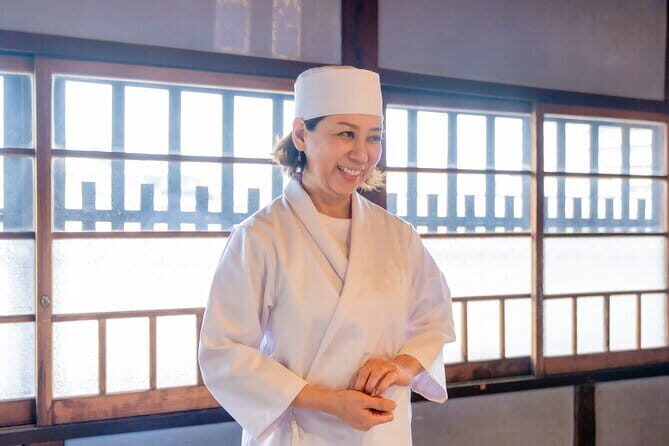
If you’re watching your diet, this workshop is one of the more flexible options you’ll find in sushi experiences.
You can request a vegetarian menu, and the operator says they can accommodate:
- Vegan
- Vegetarian
- Gluten-free
- Halal
- Allergies (with exclusions)
Important limits: you must inform them of allergies in advance. Also, they state they can’t accommodate requests on the day of the class. Their allergy exclusions listed are: Meat, Nuts, Fruits, Dairy.
Practical advice: when you book, be explicit and write down the allergy details. If you’re traveling with a serious allergy, don’t wait for the last minute.
Price and value: is $84.08 worth it?
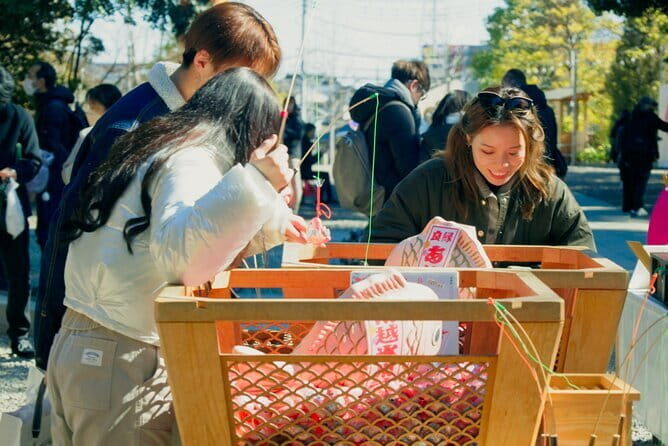
At $84.08 per person, this isn’t a budget grab. But it does several things that justify the cost if you care about learning real technique:
- You get hands-on instruction from an English-speaking Japanese chef, not a quick overview.
- You make two sushi styles—nigiri and maki—within the class time.
- Sushi rice guidance is included, and that’s often the hardest part to get right.
- The ingredients and meal are included, which reduces add-on costs.
- The group is kept small (maximum 6 travelers), so you get more attention per person.
What’s not included: beverage. There’s no hotel pickup/drop-off, either. So if you’re counting total trip spending, plan for getting yourself there and grabbing a drink separately.
If you want a “show-and-tell” sushi experience, you might find cheaper options elsewhere. But if your goal is to leave with skills you can repeat at home, the value is stronger than the price tag suggests.
Who this workshop suits best
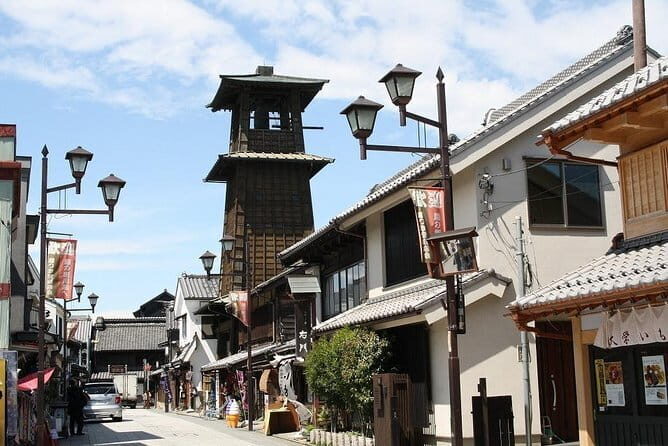
This is a great match for:
- Food travelers who want skills, not just photos
- People who like structured cooking classes with clear technique coaching
- Beginners who want sushi basics explained in plain, direct terms (and with an English-speaking chef)
- Anyone who enjoys Japanese food culture and wants the “why” behind classic sushi forms
It’s also a good option if you’re spending time in Kawagoe anyway. The workshop is conveniently located near Kashi Yokocho, so your day can stay simple: explore, class, then keep eating locally.
Booking timing and session structure (simple planning)

Sessions run on Mondays with times listed as 12:00 PM–1:30 PM and 3:00 PM–4:30 PM (based on the opening hours shown). If your travel schedule doesn’t match Monday, this might not fit—so double-check dates before you commit.
The experience ends back at the meeting point, which makes it easy to plan your next stop without long logistics.
Also, the class requires good weather (they say it can be canceled due to poor weather). If you’re booking on the edge of a weather window, keep a flexible plan for the day.
Should you book Little EDO Sushi Making in Kawagoe?
If you want a sushi class where you leave with practical technique—especially sushi rice and the basics of nigiri shaping—this is an easy yes. The small group size helps, the venue setting is memorable, and the chef-led guidance sounds like the real reason people rate it so highly.
I’d skip it or think twice only if:
- stairs are a deal-breaker for you and you can’t arrange alternative access in advance
- you only want a casual, no-pressure experience with zero cooking practice
- your schedule can’t accommodate the Monday sessions
For most travelers, this hits the sweet spot: authentic setting, hands-on output, and real learning you can use at home.
FAQ
How long is the sushi making workshop?
The duration is about 1 hour 30 minutes.
Where is the meeting point?
You meet at 結家 -MUSUBIYA- (MUSUBIYA), 1-6-7 Ishiharacho, Kawagoe City, Saitama, Japan.
How much does it cost?
The price is $84.08 per person.
What do I make during the class?
You make two classic sushi types: nigiri sushi and maki sushi (roll sushi).
Is a meal included?
Yes. Ingredients for the class and a meal are included. Beverages are not included.
Does the chef speak English?
Yes. The chef is described as English-speaking.
What dietary options are available?
A vegetarian menu is available, and you can request vegan, vegetarian, gluten-free, and halal. Allergies must be shared in advance.
Can I request changes on the day of the class?
No. They say they are unable to accommodate requests on the day of the class.
Is the group size limited?
Yes. The experience has a maximum of 6 travelers.
What if the class is canceled due to weather?
They note the experience requires good weather. If it’s canceled due to poor weather, you’ll be offered a different date or a full refund.