REVIEW · KAWAGOE
Day Tour from Tokyo : Experience Kawagoe and Edo Japan
Book on GetYourGuide →Operated by Machinovate Japan Ltd. · Bookable on GetYourGuide
Kawagoe makes Edo feel close. I love how this tour strings together real preserved architecture in the Kurazukuri warehouse streets and then lands you at major Edo-period sites like Kitain Temple, where part of the main hall ties back to Edo Castle building material. I also like the way your guide, Beth, keeps things organized and flexible so you can actually enjoy the grounds and streets, not just rush through photos. The main drawback to consider: it’s a lot of walking and it’s not suitable for wheelchairs or guests with mobility impairments.
If you want a Tokyo break that still feels Japan-specific, this is a strong pick. Kawagoe is often called a mini Kyoto, but it leans more old-school Edo than temple-hopping, with castle remains and historic shrine energy in the mix. Plan on paying for train rides and food yourself, since those aren’t included.
In This Review
- Key things to know before you go
- Why Kawagoe Feels Like Edo’s Mini-Time Machine
- Getting to the Start: Ikebukuro and Your 9am Meeting Point
- Kitain Temple: Pagoda, Edo Castle Clues, and the 540 Rakan
- Kurazukuri No Machinami Warehouse Streets: Lunch, Lanes, and the Bell Tower
- Kawagoe Hikawa Shrine: Fortune Fishing Before You Hit the Castle Remains
- Honmaru Palace Castle Remains: Walking the Halls of Edo Power
- The Pace of a 6-Hour Day Tour: How It Feels in Real Time
- Price and Value: What You Pay, What You Don’t, and What You Get
- Who This Tour Is Best For
- Should You Book This Kawagoe and Edo Japan Day Tour?
- FAQ
- What time does the tour start?
- Where is the meeting point?
- How long is the Kawagoe and Edo Japan tour?
- What does the tour price include?
- What isn’t included in the price?
- Is the tour guided in English?
- Is this tour suitable for wheelchair users or mobility impairments?
Key things to know before you go
- Kitain Temple includes an Edo Castle connection plus famous 540 Rakan statues and a standout pagoda.
- Kurazukuri no Machinami puts you in the warehouse-street atmosphere with clay-wall architecture and classic old-town lanes.
- Toki no Kane Bell Tower is part of the iconic Old Town sights you’ll pass during the walk.
- Kawagoe Hikawa Shrine offers a chance to fish for your fortune before you head to the castle remains.
- Kawagoe Castle Honmaru Palace lets you walk the preserved halls and grab a castle stamp as a souvenir.
- The itinerary builds in free time twice so lunch and last-minute shopping feel optional, not forced.
Why Kawagoe Feels Like Edo’s Mini-Time Machine
Kawagoe is one of those places that makes “Edo Japan” feel less like a textbook chapter. You’re not just looking at one temple or one street. You’re moving through a whole old-town ecosystem: temple grounds, shrine stop, warehouse streets, and castle remains that help you picture where power sat in the Edo era.
What I like most is the balance. The tour includes guided segments where history sticks, then hands you breathing room where you can snack, shop, and take photos at your own pace. That’s how the day stays fun instead of turning into a checklist.
You’ll also see why people compare Kawagoe to Kyoto. It has that preserved-street feeling, with old buildings and slow lanes that make you walk slower. But it’s uniquely Saitama, uniquely Edo, and a handy change of scenery from central Tokyo.
You can also read our reviews of more tours and experiences in Kawagoe.

Getting to the Start: Ikebukuro and Your 9am Meeting Point
You meet at Ikebukuro Station at 9:00am, inside the station area, outside the Tobu blue entrance gate. The plan is simple: you follow the signs for the Tobu Line, look for the symbol marked TJ (blue square), and head toward Central Gate 1.
Once you’ve got your bearings, you exit using the JR side through the green ticket gates. The blue Tobu entrance gate should be directly in front of you, which makes the meeting point easier than it sounds on paper.
This is worth paying attention to because your day has momentum. If you’re late, you’ll lose time, and the stops are paced to fit a full 6-hour circle.
Also note the practical side: this tour involves walking. It isn’t suitable for wheelchairs or guests with mobility impairments, so pack for comfort and expect some uneven old-town sidewalks.
Kitain Temple: Pagoda, Edo Castle Clues, and the 540 Rakan
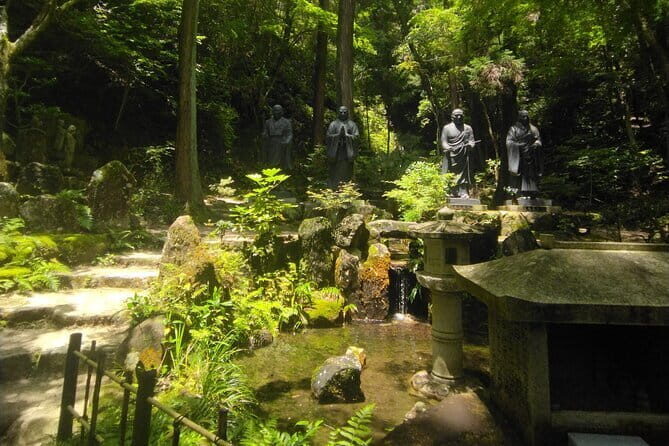
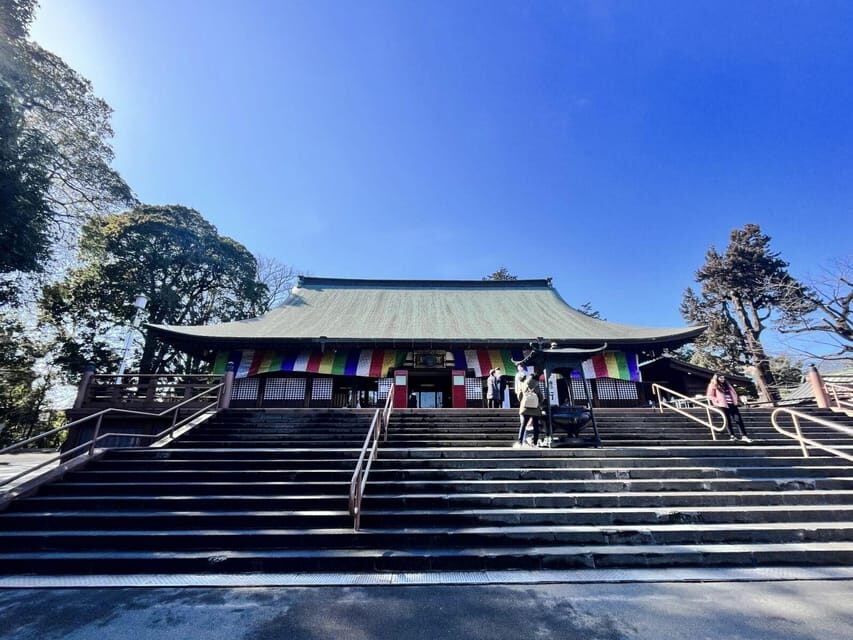
Your first major stop is Kawagoe Kita-in Temple. This place is famous for a pagoda and for a detail that makes Edo history feel tangible: part of the main hall includes buildings constructed from the original Edo Castle in Tokyo.
That’s the kind of fact that makes your photos more meaningful. Instead of photographing a cool structure, you’re capturing something that carries physical Edo-era lineage. Your guide helps you understand what you’re seeing, and then you get time to look around and take photos at your leisure.
Kitain also features 540 Rakan statues, which gives the temple an intensity you won’t get from a quick glance. If you like details—faces, patterns, the sheer scale of religious art—this stop rewards you.
Time here is about 50 minutes with a guided tour, so it’s enough to understand the highlights without feeling like you’re stuck waiting around. If you’re the type who likes to pause, read, and look slowly, you’ll appreciate the built-in pace.
Kurazukuri No Machinami Warehouse Streets: Lunch, Lanes, and the Bell Tower
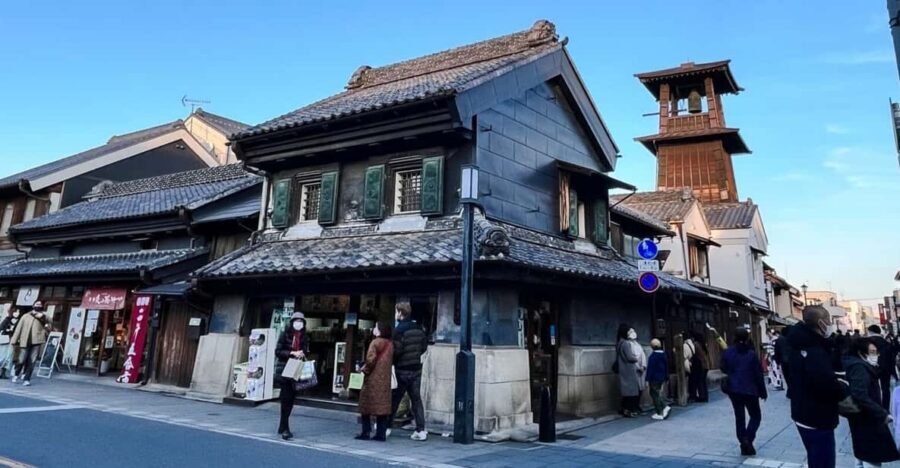
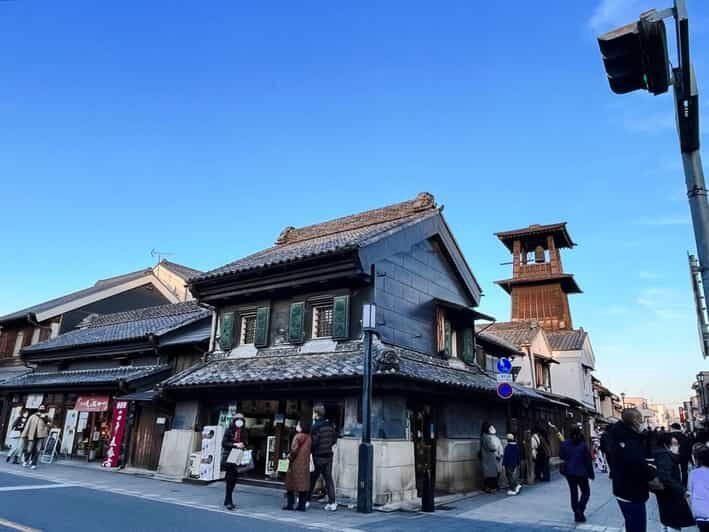
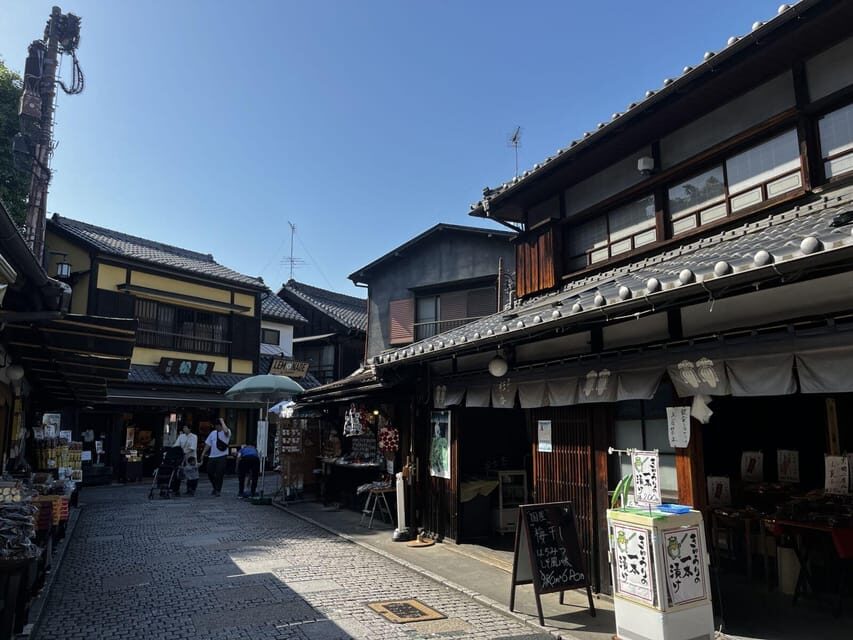
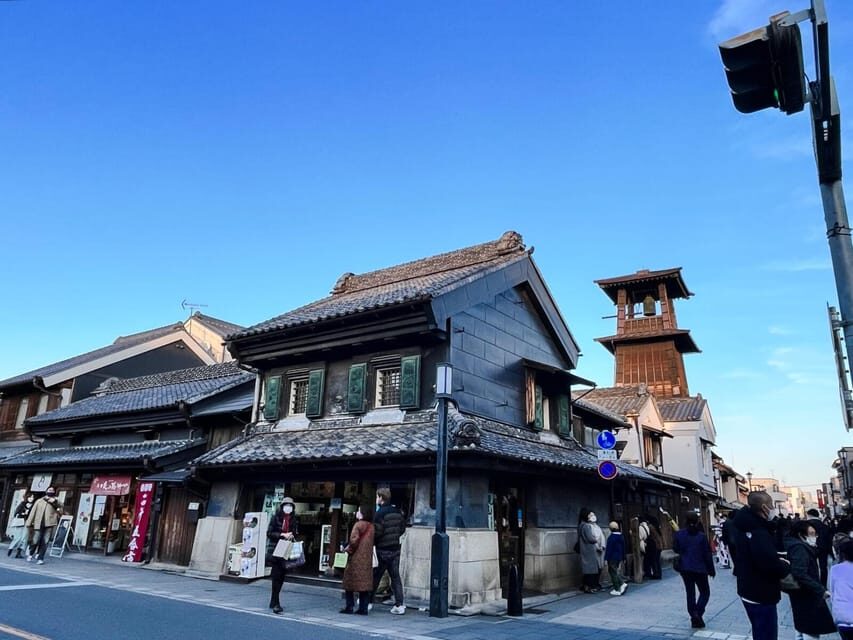
After the temple, you shift into old-town mode: Kurazukuri no Machinami (the warehouse district) with classic Edo-style streets. This is where Kawagoe starts feeling like a real setting, not just a collection of sites.
You’ll enjoy a guided walk that takes you past major landmarks and the old-town core. Two big anchors in this area are the Kurazukuri architecture itself—those clay-walled warehouse-style buildings—and the Toki no Kane Bell Tower, which is one of Kawagoe’s postcard signals.
During this stretch, you’ll also pass an old sake brewery and see the kind of storefronts and side streets where local crafts and snacks live. The tour is designed for you to understand the architecture and then enjoy the area as a place, with shopping and street-level wandering.
You also get a long lunch and exploration block here, including free time. Lunch and drinks aren’t included, but this is your chance to eat what the area is known for. Kawagoe is famous for sweet potatoes, and the day has room for sweet potato pie and other local treats.
A smart move: treat lunch as a mini adventure. If you want something sit-down, you can do that. If you prefer grab-and-go, you can also keep moving and snack along the way.
The only “watch out” here is choice overwhelm. When you’re surrounded by tempting shops, it’s easy to lose time. I’d pick your lunch spot early in the free window, then browse afterward. That keeps the day on track.
Kawagoe Hikawa Shrine: Fortune Fishing Before You Hit the Castle Remains
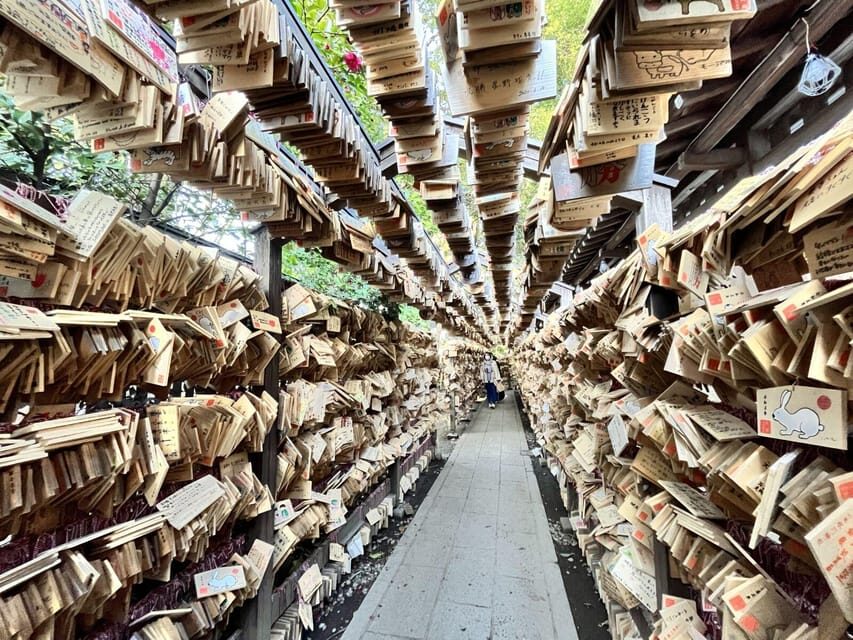
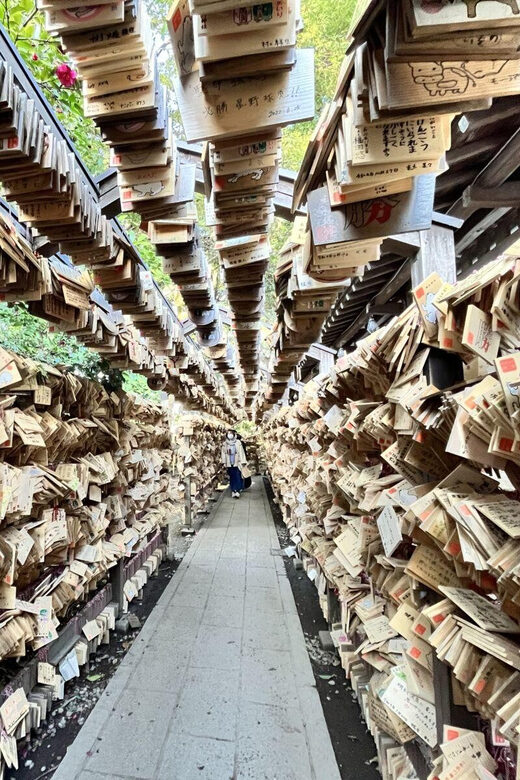
Next comes Kawagoe Hikawa Shrine, one of the classic stops that gives the day a different mood from the warehouse streets. This is where religion and everyday ritual meet, and your guide gives you cultural context so it’s not just “a shrine visit.”
One of the highlight moments is your chance to fish for your fortune at the shrine. Even if you don’t plan to interpret the result, the act itself adds a memorable, playful layer to the stop.
You’ll have about 45 minutes for the visit with guided time. That’s enough to see key areas, take photos, and then slow down on the parts that catch your eye.
If you like activities tied to local traditions—small rituals you can participate in—this stop is a good payoff. It’s also a nice mental reset before you go into castle history, because shrines tend to feel more grounded and quiet than busy shopping lanes.


Honmaru Palace Castle Remains: Walking the Halls of Edo Power
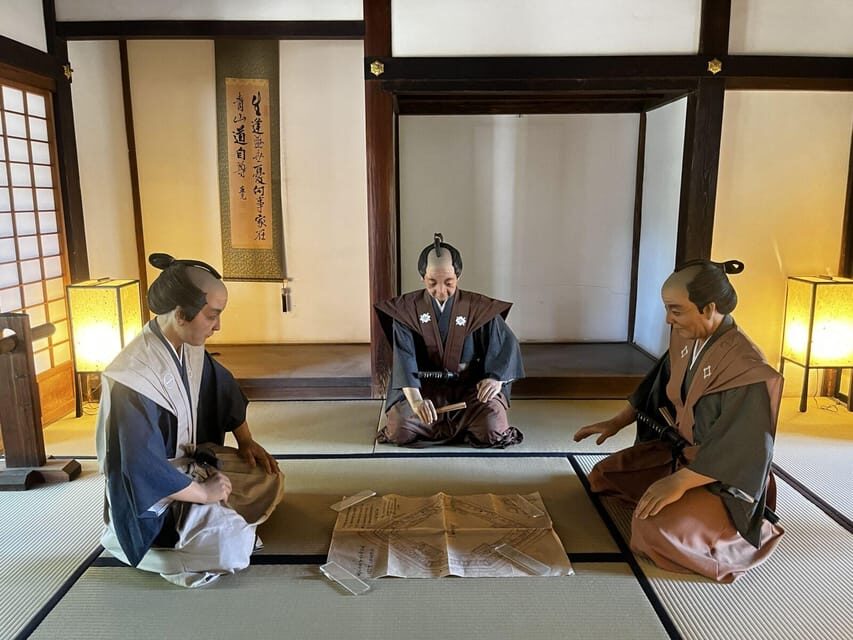
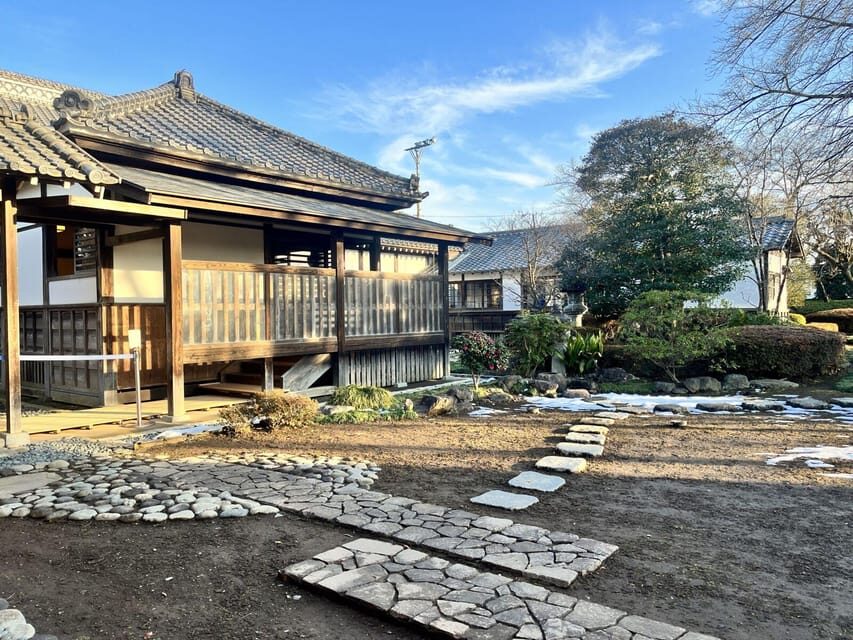
Your final major site is the Kawagoe Castle Honmaru Palace remains. This is the Edo-feel section you’ve been building toward, because castles change how you understand everything else you saw.
What I like about this stop is the “walk-through” nature. You can move through preserved rooms and halls, then imagine what it was like when the Shogun and samurai power shaped daily life here. It’s not just seeing a monument from the outside.
You’ll also get a guided explanation alongside the chance to roam at your own pace. And yes, there’s a practical souvenir: you can collect a castle stamp as a free keepsake.
The time here is about 45 minutes, so it stays focused. If you’re a history person, you’ll appreciate the way the guide connects the dots between old-town streets and the power structure behind them.
The main consideration is physical comfort again. Even though it’s not described as extreme hiking, you’re still spending time standing, walking, and moving through historic spaces. Wear shoes you trust.
The Pace of a 6-Hour Day Tour: How It Feels in Real Time
This tour is built as a tight loop: you start with a temple, transition into the Old Town area for lunch and shopping, then hit the shrine and castle remains, with train time both ways.
There’s about 55 minutes of train time at the start, plus another train segment later (about 45 minutes), with short walking transitions in between. Total tour duration is about 6 hours.
That timing matters because Kawagoe is close to Tokyo—roughly 30 minutes from Ikebukuro and about an hour from Shinjuku/Shibuya by train—so you can experience “another Japan” without sacrificing your whole day. But because it’s short, you should commit to the key stops instead of trying to add extra stuff that will drain the tour energy.
You do get free time twice: first during lunch in the warehouse district, then again near the end before you head back. That second free window is useful for picking up last souvenirs or visiting an extra museum if it fits your interests.
Two good add-ons, if you want them, are the Kawagoe City Museum and the Kawagoe Matsuri Museum. They can be a nice way to deepen the story behind the town’s traditions.
Price and Value: What You Pay, What You Don’t, and What You Get
The tour price is $135 per person for a 6-hour guided day. Here’s the value math as I see it: you’re paying for a structured, guided itinerary that includes admissions for Kitain Temple and Honmaru Palace remains, plus an English-speaking local guide.
What’s not included is also important. Train and transport before and after the tour are on you, and food and drink aren’t included. That means you’ll likely spend extra on your lunch and any snacks along the way, especially since sweet potato treats are part of the fun.
Still, the day offers real efficiency. Instead of figuring out the best route between sites on your own, you get a plan that takes you from Edo-style temple heritage to old-town streets to castle remains. And the guide helps you notice details you’d easily miss if you were just wandering.
The standout value detail from the experience is the quality of guidance. Beth, the guide named in feedback, is described as upbeat and attentive, with strong historical knowledge and helpful extras like restaurant recommendations and transportation tips. That kind of guidance can save you time and help you eat well instead of grabbing the first convenient option.
If you’re visiting Tokyo for a short trip and you want a high-impact day away from the crowds, this price can feel reasonable. If you’re traveling on a tight budget and you’re the type who loves self-guided exploration, you might compare against do-it-yourself costs for train tickets and entrance fees.
Who This Tour Is Best For
This is a great fit if you want Edo Japan flavor without the stress of planning every step. It’s also strong for people who like guided storytelling tied to places you can actually walk through.
I’d especially recommend it if:
- You’re interested in Edo history and want castle-and-streets context, not just one-off photos.
- You want the old-town architecture experience with time to snack and shop.
- You like having structured stops plus free time built in.
If you need mobility accommodations, skip it. The tour isn’t suitable for wheelchair users or guests with mobility impairments, so you’d need a different option.
Should You Book This Kawagoe and Edo Japan Day Tour?
Book it if you want a concentrated, guided Edo-style day with preserved architecture, a major temple connection to Edo Castle materials, a chance to fish for fortune at Hikawa Shrine, and a walk-through castle remains stop. The structure keeps you moving, while the free time makes the day feel human.
Skip it if you dislike group tours, you hate walking, or you want complete control with no guide input. Also consider how much you’ll spend on train rides and lunch. The $135 includes admissions and guiding, but your meals and transport are still part of your real cost.
FAQ
What time does the tour start?
The tour starts at 9:00am, and the meeting point is inside Ikebukuro Station outside the Tobu blue entrance gate.
Where is the meeting point?
Meet at Ikebukuro train station outside of the Tobu blue entrance gate. The guide will be at the blue Tobu gate area after you follow signs for the Tobu Line and JR exit steps described in the meeting instructions.
How long is the Kawagoe and Edo Japan tour?
The tour duration is 6 hours.
What does the tour price include?
It includes admission fees for Kitain Temple and Kawagoe Castle Honmaru Palace remains, plus an English-speaking local guide.
What isn’t included in the price?
Trains and transport before and after the tour are not included, and food and drink are also not included.
Is the tour guided in English?
Yes. The tour includes a live English-speaking guide.
Is this tour suitable for wheelchair users or mobility impairments?
No. It is not suitable for people with mobility impairments and it is not suitable for wheelchair users.