REVIEW · BEPPU
Discover Beppu and Yufuin Nature and Onsen Trip
Book on Viator →Operated by Your_beppu_tour · Bookable on Viator
Beppu feels like another planet. This half-guided, half-self-guided day strings together Umi Jigoku and Oniishi Jigoku, a ropeway ride up Mt. Tsurumi, and then lets you pace yourself in Yufuin with an English map and onsen time. I love how the hot-spring sights are dramatic but not rushed, and I also love the freedom you get once you arrive in Yufuin.
The only real thing to watch is that some key costs are not included—especially the ropeway and the entrance fees for the Beppu jigoku sites—so your final spend will depend on what you choose to do at each stop.
In This Review
- Key Highlights You’ll Actually Feel
- Beppu Meets Yufuin: A Day Built Around Contrast
- The Price Question: Why $83 Can Make Sense
- Stop 1 and 2: Umi Jigoku and Oniishi Jigoku
- Umi Jigoku: Sea Hell Color Show
- Oniishi Jigoku: The Less Famous, More Dynamic Pick
- Up to Mt. Tsurumi: The Ropeway Part That Changes the Day
- The Big Transition: Guided Beppu, Self-Guided Yufuin
- Yufuin on Foot: Lake Kinrinko and Yunotsubo Kaido
- Lake Kinrinko: Short Walk, Strong Mood
- Yunotsubo Kaido: The Main Street Stroll
- Onsen Time in Yufuin: Choose Your Soak Carefully
- What to consider before you go
- Getting Back to Beppu: End at Yufuin Station
- Logistics That Matter: Timing, Tickets, and Mobile Entry
- Who This Trip Fits Best (And Who Might Want Something Else)
- Should You Book This Beppu and Yufuin Nature and Onsen Trip?
- FAQ
- What time does this tour last?
- Where does the tour start and end?
- Is Yufuin guided or self-guided?
- What is included in the price?
- What costs are not included?
- Do I need to buy admission tickets on the day?
- Is travel insurance included?
Key Highlights You’ll Actually Feel
- Two iconic Beppu jigoku stops that show you different sides of volcanic hot-spring power
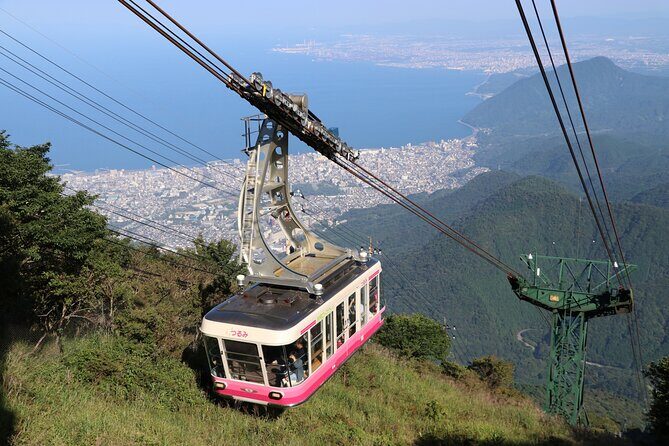
- Mt. Tsurumi viewpoint time via the Beppu Ropeway for big-breath views and cool mountain air
- English map for Yufuin so you can walk at your speed instead of being herded
- Lake Kinrinko + Yunotsubo Kaido as an easy, walkable highlight loop in Yufuin
- Onsen slot built into the day so you don’t have to scramble for a bath at the end
Beppu Meets Yufuin: A Day Built Around Contrast
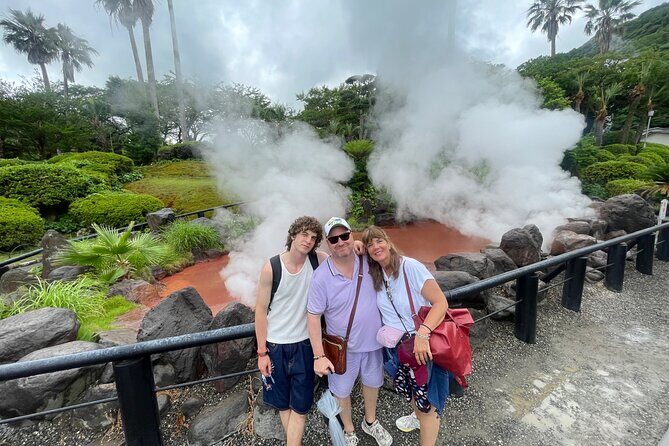
This tour is built on a smart idea: start with guided context in Beppu, then switch to independent exploring in Yufuin. That matters because Beppu’s hot-spring sites are strange, sensory, and easy to misunderstand if you’re just wandering. A guide helps you look with intention—what you’re seeing, why it’s there, and what to watch for.
Then you land in Yufuin, where the vibe changes from industrial heat to soft streets and slow wandering. That self-guided half is the real value play. You’re not stuck matching someone else’s pace. If you want more coffee time, you can. If you want to linger near the water, you can. And because you get an English map with recommendations, you’re not walking blind.
The other big win: the schedule is compact. It’s about 6 hours total, so it fits well if you’re short on time or staying in Beppu but want Yufuin too.
A few more Beppu tours and experiences worth a look
The Price Question: Why $83 Can Make Sense
At about $83.24 per person, this isn’t a cheap bus tour. You’re paying for the guided portion in Beppu plus the structure that gets you from place to place efficiently.
What’s included is practical:
- An air-conditioned vehicle during the guided, early part of the day
- A format that mixes guided sightseeing with self-paced Yufuin time
- A custom English map with Yufuin recommendations
- A mobile ticket for the booking
What’s not included (and will affect your real total) is the stuff you can’t ignore:
- Ropeway fee: ¥1,500 per person
- Beppu jigoku entrance fees: about ¥1,000 per person (listed as Umi Jigoku and mad hell entrance fee)
- Onsen admission in Yufuin
- Lunch (you’re expected to grab it on your own)
So is it good value? For me, yes—if you’re the type who wants guidance early but prefers control later. If you hate paying extra at each site and would rather do everything on one fixed ticket, it may feel less tidy. But if you’re okay with small pay-as-you-go decisions, the tour is priced like it’s targeting convenience, not bulk discounts.
Stop 1 and 2: Umi Jigoku and Oniishi Jigoku
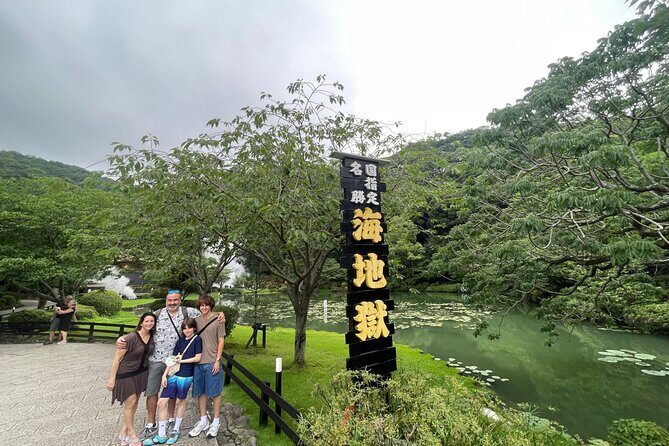
Beppu’s “hells” aren’t scary in the way the name sounds. They’re windows into volcanic geology and geothermal systems—and they’re visually memorable.
Umi Jigoku: Sea Hell Color Show
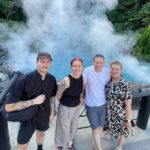
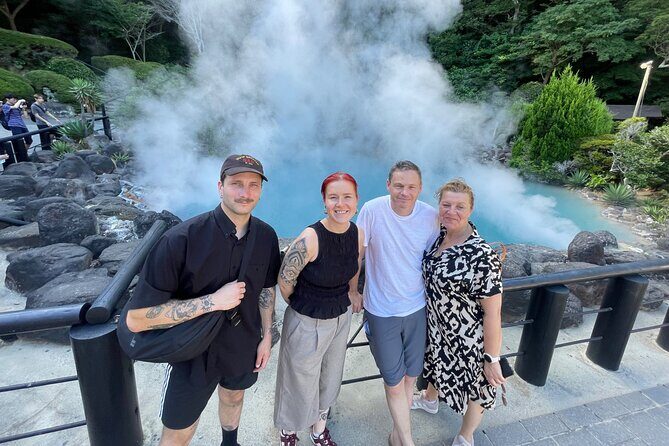
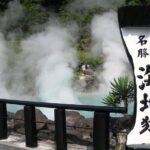
You start at Umi Jigoku—meaning Sea Hell. The defining feature is the vivid cobalt-blue water, created by geothermal activity. The point of a visit here isn’t to memorize a lecture. It’s to understand that you’re looking at a living byproduct of the earth’s heat, not an aquarium or a decoration.
Plan for about 30 minutes. That’s enough time to get your bearings, take a few photos, and then actually look at the details—like how the water color shifts and how the steam moves.
Admission isn’t included, so have cash or a card ready for the site fee.
Oniishi Jigoku: The Less Famous, More Dynamic Pick
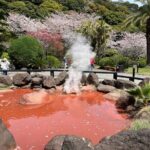
Then comes Oniishi Jigoku, also called Oniishi Hell. This one leans more into motion and intensity. Even the name ties into local legend—about a giant demon (oni)—which gives you a bit of storytelling fuel while you stand there watching the geothermal action.
This is also about 30 minutes, and it’s the perfect second stop because it contrasts with Umi Jigoku. If you only went to one site, you’d miss the variety. Doing both makes the morning feel complete.
Again, admission is not included, but the listed entrance fee bundle suggests you’ll be paying a set amount for these Beppu hell sites.
One practical tip: wear shoes you can stand in for a while. Steam and uneven ground are common around geothermal sites, and you’ll appreciate comfort more than style.

Up to Mt. Tsurumi: The Ropeway Part That Changes the Day
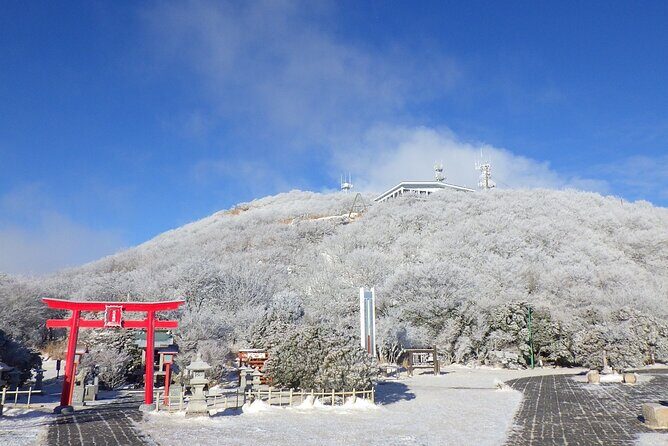
After the jigoku stops, you get a scenic ride on the Beppu Ropeway up to Mt. Tsurumi, reaching 1,375 meters. The ropeway itself is short—about 10 minutes—but the payoff comes from what happens during and after the climb: the air gets cooler, and the views open up.
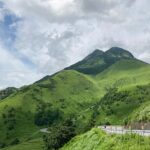
From the summit area, you can see Beppu Bay, the cityscape, and even Mt. Yufu in the distance (when visibility is good). This is a nice reset after the intense geothermal visuals. It’s not just sightseeing; it changes your energy level.
The mountain time in the itinerary is about 1 hour, which gives you enough room to:
- look at the panorama without panic
- take photos
- step away from crowds below, even if the summit area gets busy
Ropeway cost isn’t included (¥1,500 per person), so factor that into your budget early. If you’re already paying entrance fees for the jigoku sites, it helps to treat this as the main paid attraction of the morning.
The Big Transition: Guided Beppu, Self-Guided Yufuin
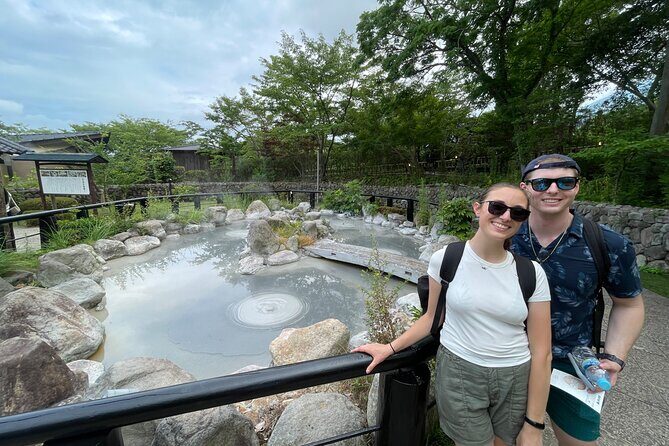
Here’s where this tour becomes smart: after Mt. Tsurumi, you switch transport to a local bus without the guide and head into Yufuin. From there, you’re self-guided.
You’ll receive an English map with suggestions for walking:
- Yunotsubo Kaido (the main street)
- Lake Kinrinko
- cafés and shops
- hot-spring options for your onsen visit
This format is budget-friendly and flexible, but it also means you’re responsible for your own timing. The tour does give you guidance through the map, but you won’t have someone steering you in real time.
The good news is Yufuin isn’t complicated. You’re walking between a few core landmarks, and the town layout supports a wandering style.
If you’d rather not be on your own, the tour notes that private driver or guide arrangements are available on request. That’s a useful option if you’re traveling with limited Japanese and want smoother decision-making for onsen and lunch.
Yufuin on Foot: Lake Kinrinko and Yunotsubo Kaido
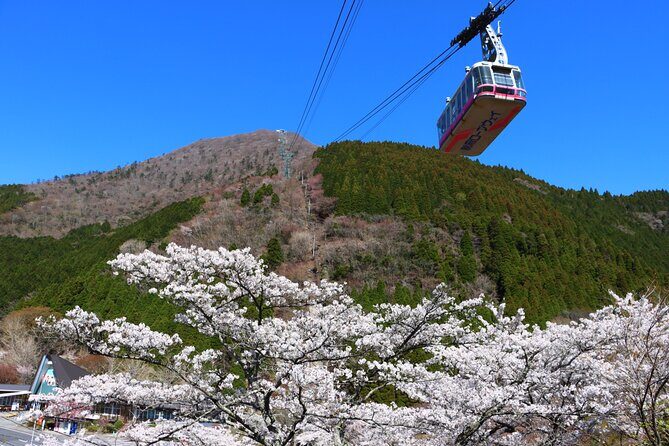
Yufuin is where you slow down. And the itinerary chooses two places that make wandering easy.
Lake Kinrinko: Short Walk, Strong Mood
You’ll have about 30 minutes at Lake Kinrinko. It’s small, but it’s charming, and the legend behind it adds flavor to the view. The name means Golden Scale Lake, inspired by a sacred fish legend where shimmering scales looked like gold.
This stop is mostly about atmosphere. Even if you don’t know the story, the shoreline calm changes the tone of the day. You’ll also be grateful for a break after the earlier geothermal intensity.
Yunotsubo Kaido: The Main Street Stroll
Next is Yunotsubo Kaido, Yufuin’s lively main street, for about 45 minutes. This is where you can snack, browse, and pick souvenirs without feeling like you’re doing a shopping chore.
Expect:
- small shops and craft stores
- snack stands
- cafés
- hot-spring related souvenirs
- art galleries
Admission isn’t charged here (listed as free), so this is the best kind of walking stop. You can spend money only when you actually want to.
How to use this time well: decide on your pace before you start. If you’re hungry, plan a café stop early and build your route around it. If you’re shopping, keep your purchases small and keep room for your onsen necessities later.
Onsen Time in Yufuin: Choose Your Soak Carefully
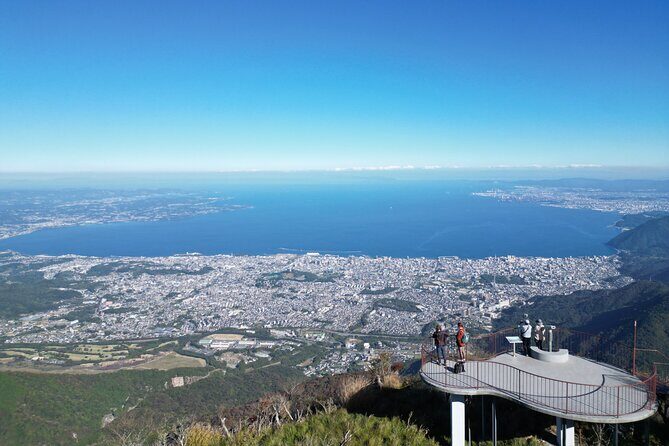
The itinerary gives you about 45 minutes for an onsen in Yufuin. This is a key piece because onsen visits can be the most memorable part of a Japan trip—and also the easiest part to mess up if you don’t plan.
What’s not included is the onsen admission. That means your final cost depends on which bath you choose.
You’ll likely see options referenced on your Yufuin map, including a popular spot named Shitan-yu. The tour framing emphasizes that the onsen is part of the town experience, not just an add-on.
What to consider before you go
- Your comfort level with etiquette. Yufuin onsen are typically social spaces, even when quiet.
- What you want most: a classic soak, a more rustic feel, or something closer to main walking areas.
- Timing. You only have around 45 minutes, so pick a bath you can reach without sprinting.
Also, remember that onsen rules can involve showering and bathing before soaking. If you’re unsure, the best strategy is to choose a facility where you can follow signage and staff instructions easily.
Getting Back to Beppu: End at Yufuin Station
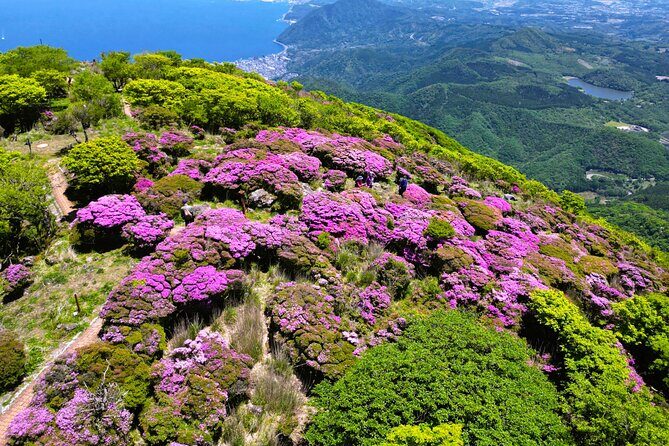
The tour ends at Yufuin Station front (Yufuinchō Kawakita, Yufu). The plan is flexible from there:
- You can take a direct bus back to Beppu in about 1 hour
- Or you can stay overnight in Yufuin if you want a second day of slower sightseeing and more baths
This end point is convenient. Stations make it easier to re-plan if weather changes or if you decide your onsen choice is worth repeating tomorrow.
Logistics That Matter: Timing, Tickets, and Mobile Entry
This tour uses a mobile ticket, and the start point is near Umi Jigoku (Kannawa, Beppu). It’s described as near public transportation, which helps a lot if you’re arriving on your own before meeting.
The schedule is roughly:
- Guided stops in Beppu (Umi Jigoku, Oniishi Jigoku)
- Ropeway up Mt. Tsurumi with viewpoint time
- Descent and local bus transfer into Yufuin
- Self-guided walking and an onsen soak
Duration is listed as about 6 hours, which is long enough to feel like you did something meaningful but not so long that you feel drained.
One more important note: the tour says it does not include travel insurance, even though the activity is described as very safe. I’d still treat that as a reminder to have coverage when you’re out doing day trips.
Who This Trip Fits Best (And Who Might Want Something Else)
This tour is a good match if:
- You want Beppu’s major hot-spring sights with guidance so you understand what you’re seeing
- You like viewpoints and cooler mountain air from the Mt. Tsurumi area
- You prefer independent time in Yufuin, not a tightly scripted walk
- You’re comfortable using an English map to structure your own route
It might feel less ideal if:
- You strongly prefer all-in-one pricing with no extra site fees
- You’d rather have a guide with you the whole day for explanations and decisions
- You’re the type who hates public bus transfers (since the guide is not with you in Yufuin)
Should You Book This Beppu and Yufuin Nature and Onsen Trip?
Book it if you want a day that balances structure and freedom. The Beppu part gives you context and makes the jigoku sites more rewarding, while the Yufuin part gives you control to eat, shop, and soak without feeling stuck in a group rhythm.
If you do book, do two things to get the most value:
- Budget for the ropeway and the jigoku admissions, then treat those as part of the main experience rather than surprises.
- Use the Yufuin map like it’s a menu. Pick what matches your mood—Lake Kinrinko for calm, Yunotsubo Kaido for snacks and browsing, and an onsen that fits your comfort level and timing.
If you want a guided experience end-to-end, check the option for a private driver/guide in Yufuin. Otherwise, this mix of guided Beppu + self-guided Yufuin is exactly the kind of practical sightseeing that makes a short trip feel like more than a checklist.
FAQ
What time does this tour last?
The tour runs for about 6 hours.
Where does the tour start and end?
It starts at Umi Jigoku (559-1 Kannawa, Beppu) and ends in Yufuin at Yufuin Station front (2-11 Yufuinchō Kawakita, Yufu).
Is Yufuin guided or self-guided?
After the bus transfer into Yufuin, the tour becomes self-guided. You’ll get a custom English map with recommendations.
What is included in the price?
Included items are an air-conditioned vehicle and the overall guided/self-guided tour format, plus a custom English map for Yufuin.
What costs are not included?
Not included are the ropeway fee (¥1,500 per person), entrance fees for the Umi Jigoku and Oniishi/Jigoku sites (listed as ¥1,000 per person), lunch, and onsen admission in Yufuin.
Do I need to buy admission tickets on the day?
Yes. The jigoku and ropeway admissions are not included, while Lake Kinrinko and Yunotsubo Kaido are listed as free.
Is travel insurance included?
No. The tour specifically notes that travel insurance is not included, and it recommends having valid overseas travel insurance.