REVIEW · GIFU PREFECTURE
Short Morning Cycling Tour in Hida
Book on Viator →Operated by SATOYAMA EXPERIENCE · Bookable on Viator
Hida’s countryside is easiest on two wheels. This short morning cycling tour in Gifu Prefecture gives you a slow, human-paced look at life in Hida Furukawa, with a guide who points out history, farming details, and day-to-day local habits. You ride a mostly flat route, then hop off the bike at several local-only stops to meet people and learn what you’d miss from the road.
I love the small group setup. With a maximum of 8 people, the ride stays relaxed and you can actually ask questions. I also like that it’s not just sightseeing: there’s a steady mix of scenery and real moments, from a local market and old folk houses to a spring-water stop and a mid-ride tea break.
One thing to consider is that this is short and gentle, not a workout race. If you’re hoping for big climbs or a full-day countryside adventure, you might want a longer option instead, because this one is built for comfort and culture in about 2.5 hours.
In This Review
- Key things that make this Hida cycling tour worth it
- How the 10:15 AM start sets the tone in Hida Furukawa
- The 12 km ride: gentle effort with a sense of place
- What you’ll do on the route: market life, old houses, shrines, and spring water
- A local market stop for real food-and-farming context
- Old folk houses and the living-town feel
- Shrines and calm moments off the bike
- Spring-water and small-nature breaks
- Tea/coffee during the ride
- Your guide is the main event (Nanami, Marino, Akiko, Miyuki, Ryoto)
- Pricing reality check: $161.18 for 2.5 hours of guided countryside
- What’s included, what’s not, and what to bring
- Included
- Not included
- Weather matters
- Who this short morning cycling tour is best for
- Practical tip: how to get the most out of the stops
- Final call: should you book this Hida cycling tour?
- FAQ
- What is the duration of the Hida cycling tour?
- How long is the cycling route?
- Where do I meet for the tour?
- How many people are in a group?
- What is the minimum age and height?
- What’s included in the price?
- Is food included besides snacks and tea/coffee?
Key things that make this Hida cycling tour worth it
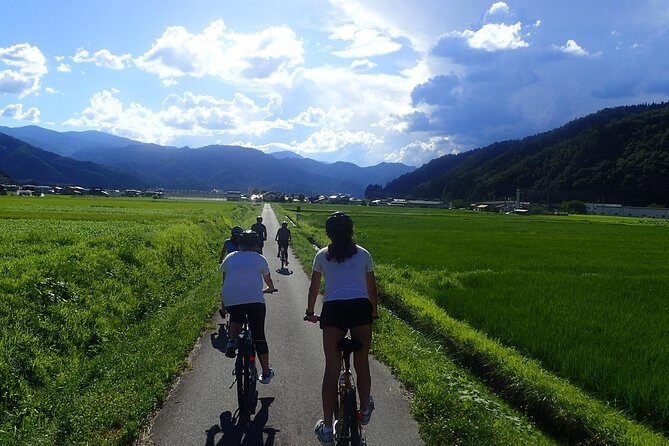
- Mostly flat, about 12 km of easy riding that fits non-expert cyclists
- Small group (max 8) so your guide can actually work with your pace
- Local-only stops, including a market and shrine-area moments
- Tea/coffee plus snacks at a planned break during the ride
- Friendly guides with real town stories, like Nanami, Marino, Akiko, Miyuki, and Ryoto
- Weather-ready support, including waterproof gear when rain shows up
How the 10:15 AM start sets the tone in Hida Furukawa
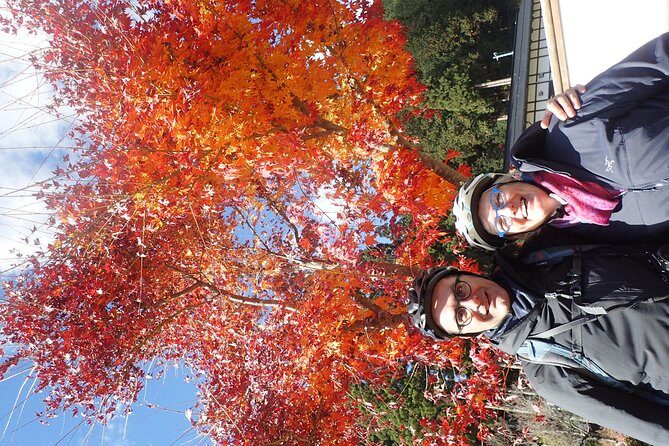
This tour begins at 11-32 Furukawachō Ninomachi, Hida, Gifu 509-4235, meeting back at the same point when you finish. The ride itself runs about 2 hours 30 minutes, and it’s scheduled for a morning departure around 10:15 am from the Furukawa office area in Hida.
Morning matters here. You’re out before the day gets heavy, when farmers and shopkeepers are still in their rhythm. The tour is paced so you can enjoy the quiet parts of Hida—rice fields, farming village streets, and the Satoyama feel of working countryside around town.
If you want a morning plan that doesn’t require constant navigation, this is a good fit. You get a starting point you can find with public transit, you get a bike and helmet, and you follow a route designed to keep things smooth.
You can also read our reviews of more cycling tours in Gifu Prefecture
The 12 km ride: gentle effort with a sense of place
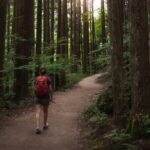
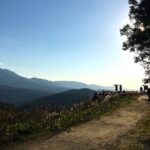
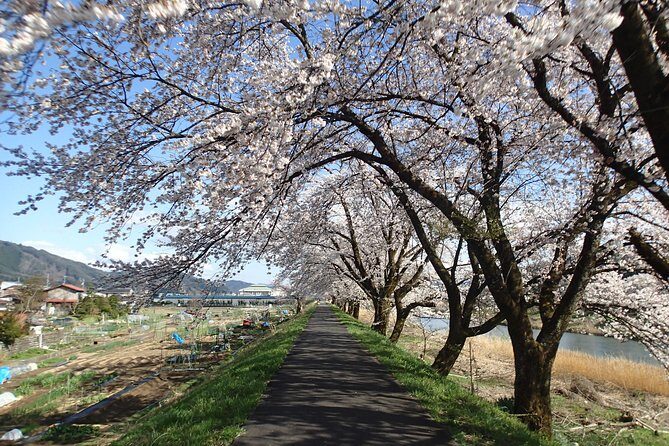
The route is described as mostly flat, which is exactly what you want for a cultural ride. You’re cycling through a peaceful town in Hida, a farming village, and Satoyama scenery where mountains frame the edges and daily routines spill into the open.
What makes the “easy” part feel meaningful is how the guide times stops. Instead of turning the ride into a long line of photo stops, you move, then pause, then move again. That rhythm helps you notice the small details: vegetables staged at a local market, the texture and age of old folk houses, and rice-field patterns that change with season.
The tour is about balance: a little exercise, a lot of curiosity, and enough time off the bike to feel like you’re talking to the place, not just passing through it. One of the strongest values is that the ride is short enough to keep energy up, even for kids—minimum age is 6 years and minimum height is about 125 cm.
What you’ll do on the route: market life, old houses, shrines, and spring water
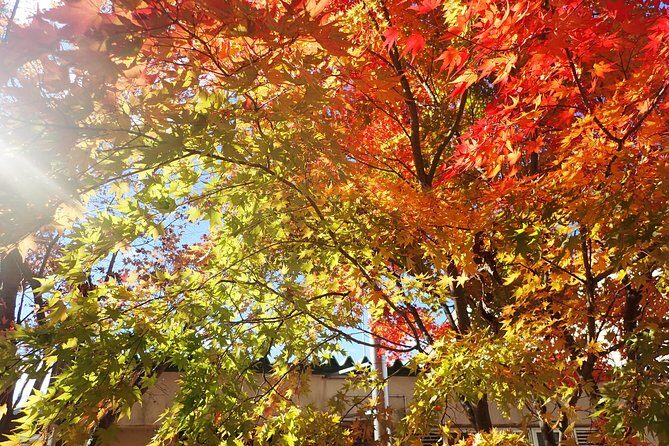
This tour includes several stops at local-only places. The goal is simple: you get to see rural Japan as people actually live it, not only as it looks from a bus window.
Here are the kinds of moments that show up again and again:
A local market stop for real food-and-farming context
You’ll stop where you can see local vegetables in a market setting. It’s a practical kind of learning. You get to understand what’s grown nearby and how food moves through the town. This also helps you connect the countryside scenery to something tangible—what the fields produce and what people buy.
Old folk houses and the living-town feel
You’ll pass or stop near huge old folk houses scattered around the area. In rural Hida, these aren’t just “pretty buildings.” They’re part of how communities organized daily life around seasons, work, and family. Even if you’re not a history buff, it’s easy to appreciate the scale and craftsmanship once you’re close.
Shrines and calm moments off the bike
At least one reviewed highlight is visiting a shrine, which fits naturally into Japanese countryside walking routes. These stops add a gentle pause in the middle of the ride, so it feels like a morning “outing,” not just transport.
Spring-water and small-nature breaks
Some versions of the experience include a stop for drinking spring water and even a small waterfall moment. These are the kinds of stops that make the tour memorable because they slow you down. You taste, you look around, and you realize you’re seeing the same water and nature locals treat as normal.
Tea/coffee during the ride
A mid-point break shows up in multiple descriptions: you’ll have coffee and/or tea, plus snacks. This is more than a treat. It’s timed so you can reset your energy, especially if you arrive at the start ready to move.
Practical downside: you won’t control the exact stop order. That’s the tradeoff for a guided ride. If you’re the type who likes spontaneous detours, plan to enjoy this as a structured local experience rather than a DIY route.
Your guide is the main event (Nanami, Marino, Akiko, Miyuki, Ryoto)
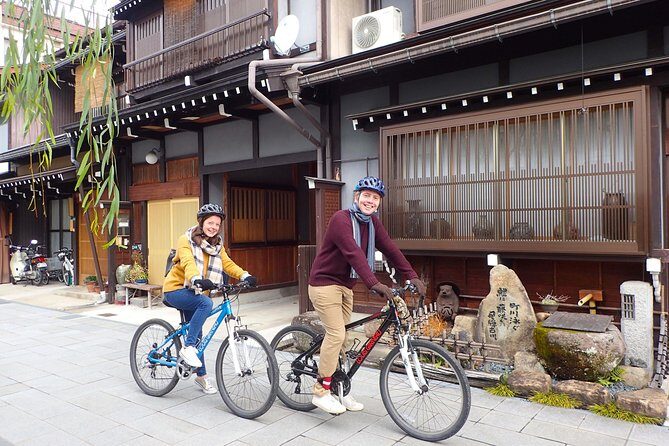
In Hida, a big chunk of the value is who’s riding with you. This tour is built for conversation—your guide shares history and culture, and they also point out plants, farming habits, and wildlife details.
The reviews make it clear that guides aren’t reading scripts. Here are a few names you’ll see associated with excellent tours:
- Nanami: praised for being engaging and passionate about local plants and wildlife, with strong organization even when conditions changed.
- Marino: noted for answering lots of questions as a local and keeping the pace friendly and informative.
- Ryoto: mentioned as francophone and especially good at helping kids enjoy the ride while still teaching about villages and rice fields.
- Akiko: highlighted for a standout experience that included countryside details, shrine time, and refreshing nature moments.
- Miyuki: described as kind and helpful with explanations about rice farming, Hida cattle, and old houses—plus a tour that works well even if you don’t bike much.
Language support shows up in the feedback, too. One guide is described as speaking English very well, and Ryoto is specifically described as French-speaking. If you’re planning with a specific language in mind, it’s worth checking with the provider during booking.
What you’ll get from a good guide: context. For example, seeing rice fields is nice. Hearing how farming connects to seasonality, village life, and local knowledge makes the scenery click.
Pricing reality check: $161.18 for 2.5 hours of guided countryside
At $161.18 per person, this isn’t a budget activity. But it isn’t overpriced for what you’re actually buying: a small-group guide, bicycles and helmets, insurance, and included snacks plus coffee/tea.
Here’s how I’d judge the value:
- You’re paying for access and explanations. The stops are described as locals-only, and the guide’s role is to make those stops understandable. That’s hard to replicate on your own without language and local know-how.
- The small group cap matters. When you’re in a group of up to 8, you don’t get steamrolled by a fast pace. You also get more Q&A time.
- The materials are covered. You don’t have to rent gear beyond the bike itself, and you get helmet use and basic safety planning included.
- It’s short enough to be low-risk. For a trip where you don’t want to gamble a full day, 2.5 hours is a smart length.
If you’re already an experienced cyclist and want maximum freedom, DIY could cost less. But if your goal is to understand Hida and meet locals at the right moments, the price starts to look reasonable.
Also, this tour is booked about 65 days in advance on average, so it’s not a “wait and see” last-minute plan unless your schedule is flexible.
What’s included, what’s not, and what to bring
Included
You get:
- Local guide
- Bicycle use
- Helmet
- Insurance
- Local taxes
- Snacks
- Coffee and/or tea
That combination is important. “Snacks and drinks” might sound minor, but for a countryside morning it prevents the usual problem of running low mid-ride.
Not included
- Food and drinks beyond the snacks/tea/coffee
- No basket attached to the bike
So if you’re bringing a water bottle, personal snacks, a light camera bag, or a rain layer, plan to carry what you need yourself. Since there’s no basket, a small backpack or crossbody that stays secure is a better idea than expecting to toss things onto the bike.
Weather matters
Rain pops up in Japan. One review specifically mentions waterproofs being provided for anyone who needed them. Still, I’d pack a light waterproof layer just in case, and bring sun protection if you’re riding in warm months.
Who this short morning cycling tour is best for
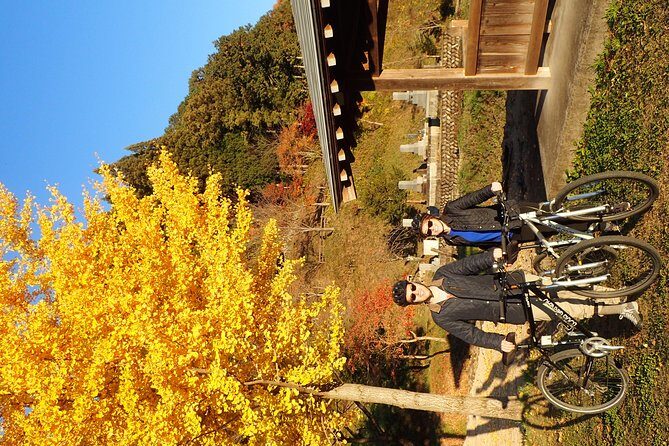
This is a strong option if you want:
- A gentle countryside experience rather than intense cycling
- Real local stops, like markets and shrine-area pauses
- A trip style that mixes scenery with conversation
- Something family-friendly (minimum age 6, min height about 125 cm, and several reviews mention families with kids enjoying it)
It’s also a good match if language is a concern. A guide turns the “countryside blur” into something you can actually explain back to friends.
If you’re a confident cyclist chasing distance or hills, you may feel this is a little short. Think of it as a guided morning “taste” of Hida, not a full touring test.
Practical tip: how to get the most out of the stops
To make this ride really land, lean into the guided moments:
- Ask about what you see at the market—vegetables, seasonal rhythm, farming realities.
- Use shrine stops to ask what locals think about the place and why it matters.
- During tea/coffee, ask the guide what’s typical for the area right now—farming schedules, wildlife, or everyday habits.
The strongest reviews tie the experience directly to conversation and thoughtful explanations, not just the ride itself.
Final call: should you book this Hida cycling tour?
I’d book it if your ideal Japan day includes easy pedaling, local food context, and a guide who turns rural scenery into something you understand. The best part isn’t speed—it’s the steady sequence of local stops, the included snack/tea break, and the small-group feel that keeps questions flowing.
Skip it only if you want a long-distance bike adventure or you dislike guided structure. Otherwise, this is one of those rare short tours that gives you “I know this place” energy, not just “I took photos here” memories.
FAQ
What is the duration of the Hida cycling tour?
The tour runs about 2 hours 30 minutes.
How long is the cycling route?
The ride covers about a 12 km route.
Where do I meet for the tour?
The tour starts at 11-32 Furukawachō Ninomachi, Hida, Gifu 509-4235, Japan, and it ends back at the meeting point.
How many people are in a group?
The tour has a maximum group size of 8 people.
What is the minimum age and height?
The minimum age is 6 years, with a minimum height of about 125 cm.
What’s included in the price?
Included are the local guide, bicycle use, helmet, insurance, local taxes, snacks, and coffee and/or tea.
Is food included besides snacks and tea/coffee?
Food and drinks are not otherwise included. The tour provides snacks and coffee and/or tea, but you should plan for other meals separately.