REVIEW · GIFU PREFECTURE
Authentic Kabuki Transformation & Mini Performance at Aioiza Gifu
Book on Viator →Operated by MOST JAPAN · Bookable on Viator
Kabuki isn’t something you just watch. This one invites you into the look and rhythm of Mino Kabuki inside a working old theater. You start at Mizunami Station, learn how this community-style art grew, then you try a kabuki makeover and do a short performance.
I especially like that the morning isn’t only costumes-and-photos. You get context first: the history of Mino Kabuki and how it ties into Edo-period travel routes. Then the Aioiza Theater portion turns that knowledge into something you can physically feel.
One thing to consider: this is time in an old wooden theater. If you’re sensitive to heat or want a fully modern, comfortable building, plan for that and bring patience for walking around the stage/backstage areas.
In This Review
- Key highlights
- Why Mino Kabuki feels personal at Aioiza Theater
- Meeting at Mizunami Station and the smooth start to your day
- Museum Nakasendo: Mino Kabuki and Edo-period travel routes
- Aioiza Theater inside the Mino Kabuki Museum: face paint, kimono, and stage time
- Lunch in Mizunami: a free local break that keeps the day real
- Price and value: why $325.15 can make sense here
- Who should book this Kabuki transformation (and who should think twice)
- Practical tips to look good and move comfortably
- Should you book this Authentic Kabuki experience?
- FAQ
- What time does the tour start?
- Where do we meet for the experience?
- How long is the tour?
- Is pickup available?
- Is this a private tour?
- What’s included with the price?
- Will I have to pay for admission at each museum stop?
- Is lunch included?
- Can most people participate?
- What’s the cancellation policy?
Key highlights
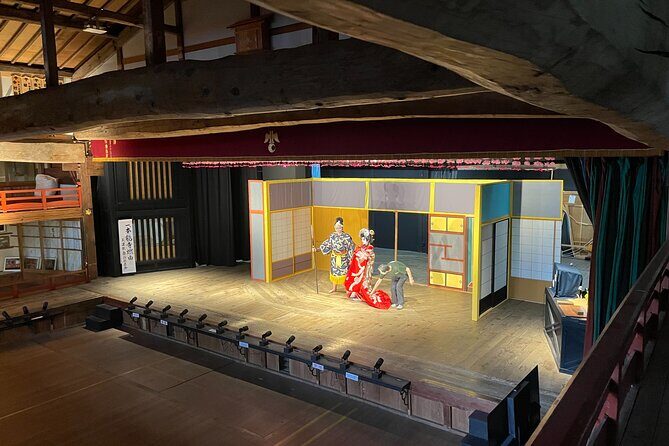
- Historic Aioiza Theater in Mizunami: a real old playhouse, not a reproduction set
- Face painting + kabuki clothing try-on: you’ll practice the iconic performer look
- Stage and backstage explanations: staff guide you through corners you might otherwise miss
- Museum stops with Mino Kabuki context: you learn before you perform
- Lunch included with local Japanese cuisine: a simple break that keeps the day flowing
- Private group setup: you move as a single group, not mixed with random strangers
Why Mino Kabuki feels personal at Aioiza Theater
Kabuki can feel far away when it’s only something you attend from the audience. What I like about this experience is that it treats Kabuki like a living craft tied to a neighborhood and a place.
The center of it all is the Aioiza Theater in Mizunami, Gifu. This is described as a beautiful wooden playhouse that has hosted local Mino Kabuki. That matters. Old theaters usually mean old details: the wood, the stage layout, the way people once gathered, and the sense that performance is part of community life, not just a tourist show.
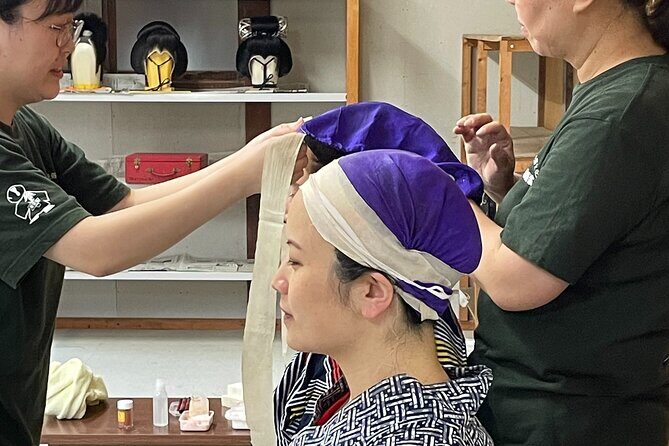
The second reason this feels different is the transformation element. You don’t just get a quick costume photo. You get your face painted like a Kabuki performer, you’ll put on traditional kabuki clothing, and you’ll strike a few poses with guidance. In other words, you experience the style with your body, not just your eyes.
You can also read our reviews of more tours and experiences in Gifu Prefecture.


Meeting at Mizunami Station and the smooth start to your day
Your day begins at JR Mizunami Station in Mizunami. The start time is 9:00 am, and the trip is about 5 hours total.
Pickup is offered, so if you’re staying nearby you might not need to fight with local directions right away. Even if you do meet at the station, it’s a straightforward anchor point. Once you’re together, you head to the Nakasendo Museum by car for about 15 minutes.
This short transfer is part of the value. You spend less of your day on logistics and more on the cultural parts that actually justify the price—especially since the main activity sits inside that historic theater and includes hands-on components.
Museum Nakasendo: Mino Kabuki and Edo-period travel routes
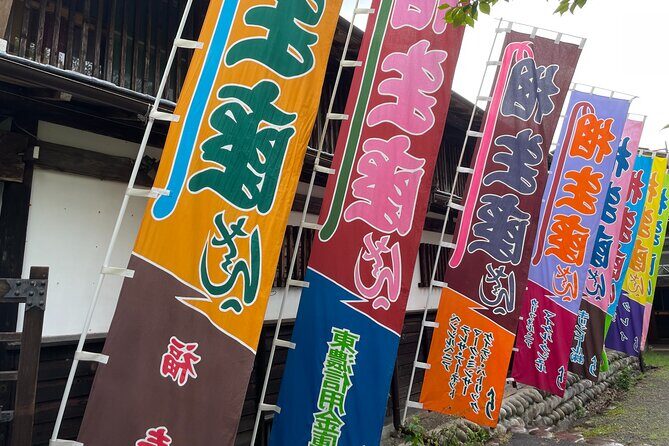
The first real stop is Museum Nakasendo, where you’ll spend about 30 minutes.
Here’s what makes this stage worth your time: you learn about the history of Mino Kabuki as a living traditional art. It’s not framed as museum glass. It’s framed as something that comes from ordinary people performing for each other, then continuing through time.
You also get an explanation of cultural roots tied to Edo-period travel routes. That’s useful because it changes how you interpret what you see next. When you understand that regional performing arts traveled alongside people, you start noticing why certain styles, costumes, and local themes developed the way they did.
Practical note: 30 minutes is not a full lecture. You’ll want to listen closely early, because later you’ll switch from learning to doing.
Aioiza Theater inside the Mino Kabuki Museum: face paint, kimono, and stage time
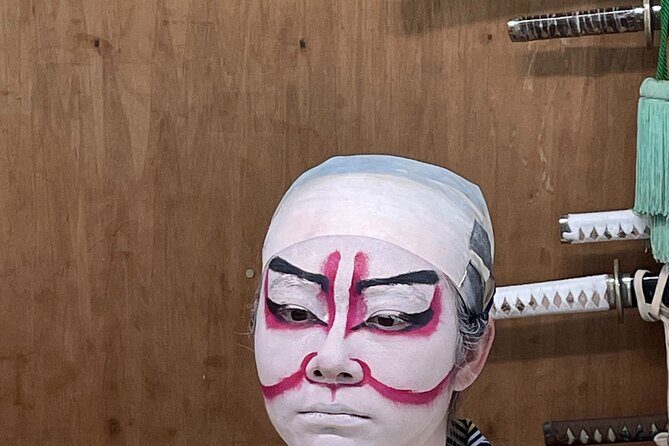
Stop three is the heart of the experience: about 2 hours at the Mino Kabuki Museum in the historic Aioiza Theater area.
Expect a guided look at the theater itself. People mention that the premises are very old and that staff provide explanations plus a tour of the stage and backstage area. That’s a big deal for first-timers. Many theaters are designed so you only see one angle. Here, you get more sense of how performance space works.
Then comes the part that turns knowledge into experience:
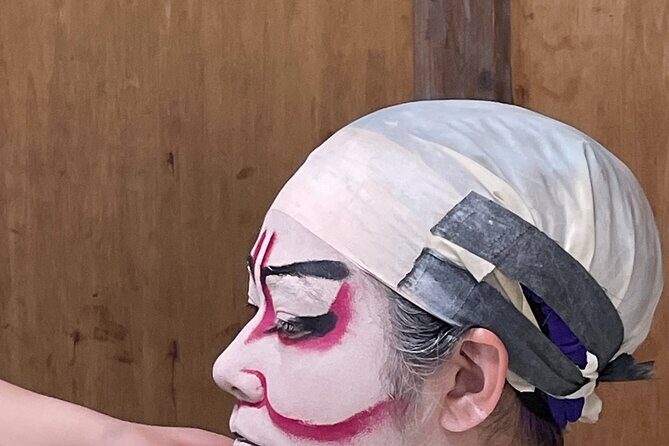
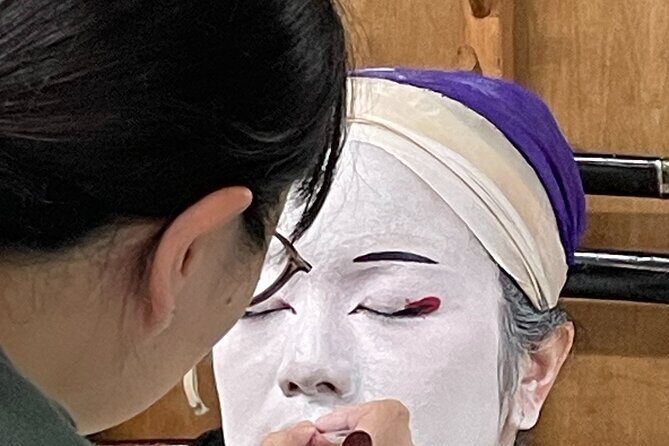
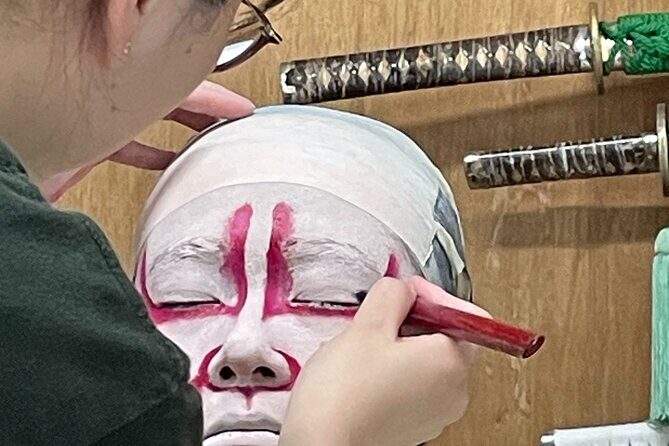
- You’ll get your face painted like a Kabuki performer.
- You’ll have time to try on a kimono or traditional kabuki clothing from their collection.
- You’ll practice poses with guidance.
- And you’ll do a mini performance rather than only watching someone else perform.
One review specifically highlighted that the staff were very welcoming and that participants with no prior knowledge were taken through everything step by step—including talk of jikabuki itself. So if your Japanese is basic and your Kabuki background is near-zero, you’re not expected to already know the terms. You’ll get explanations in the process.
Possible drawback here: if you’re hoping for pure observational theater with zero hands-on involvement, this portion is designed to put you in the role. That can be fun, but it’s not passive.
Lunch in Mizunami: a free local break that keeps the day real
Between the theater and the ride back, there’s an intentional reset: lunch in Mizunami City with Japanese local cuisine.
Lunch is free and scheduled for about 1 hour. The value is not just the food. It’s timing. Kabuki transformation activities take time and attention. A meal break keeps energy up and prevents the day from turning into costume-stressed chaos.
One practical thought: ask about what’s served if you have dietary limits. The exact menu isn’t listed in the provided info, so you’ll want to confirm on the day if you’re avoiding something specific.

Price and value: why $325.15 can make sense here
At $325.15 per person for about 5 hours, this isn’t a budget afternoon. But you’re not paying only for museum entry.
From what’s included:
- Tickets are included for the early museum stops (Nakasendo Museum and the theater area museum portion).
- Lunch is included.
- The theater experience includes hands-on elements like face painting, kimono/traditional clothing, and a mini performance component.
- It’s a private tour/activity, meaning it’s only your group.
So the price is really buying you something more expensive than a typical guided walk: you’re paying for a coordinated cultural experience where staff guide you, dress you, teach you, and give you time in the performance space.
Is it still pricey? Yes. But if you want more than a photo op—and you want a meaningful connection to Mino Kabuki—this is the kind of day that can feel worth it.
Who should book this Kabuki transformation (and who should think twice)
This tour fits best if you’re:
- A beginner to Kabuki and want the basics explained clearly
- Interested in how regional Japanese arts connect to place and community
- The type who enjoys hands-on activities—face paint, costumes, posing, and doing something on stage
It may be a weaker match if you:
- Want a mostly seated, observational program
- Dislike any roleplay element, even a short one
- Are very uncomfortable in older buildings (the theater is described as old)
Also, keep seasonal comfort in mind. One participant said they’d like to go again outside of summer. That’s not a guarantee of discomfort, but it’s a useful clue: timing affects how the day feels inside an old wooden theater.
Practical tips to look good and move comfortably
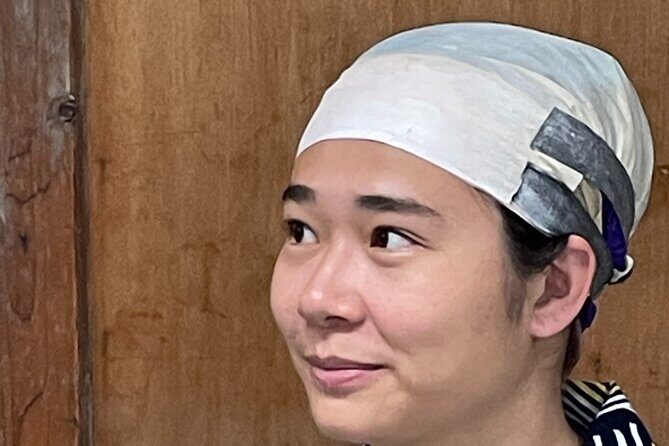
Here are the practical things that help most with Kabuki-style dressing and posing:
- Wear comfortable clothes you can remove or adjust around if you’ll be changing into a kimono or similar clothing.
- Plan for attention on your face and hair since you’re getting face painted. If you’ve got specific hair ties or accessories you prefer, bring what you can.
- Be ready to stand and shift while you learn the posing and performance basics. Even with guidance, it’s still a “do it” experience.
- Bring your camera mindset but don’t forget the experience itself. This is not only about pictures; it’s about learning the performer look and expression.
- Start on time at 9:00 am. The day’s rhythm depends on reaching each stop and fitting in the theater time and lunch window.
If you’re using a mobile ticket, keep it accessible. Having it ready reduces stress when you arrive.
Should you book this Authentic Kabuki experience?
Book it if you want Kabuki to be more than a show. This is a real cultural day with museum context, then a hands-on theater portion where you get face painted, wear traditional kabuki clothing, and do a guided mini performance inside an old wooden theater space.
Skip it (or think twice) if you prefer a quiet, purely observational tour with no costume or performance involvement. Also consider comfort if you dislike old buildings or you’re planning during hot months.
FAQ
What time does the tour start?
It starts at 9:00 am.
Where do we meet for the experience?
You meet at JR Mizunami Station (Terakawadocho, Mizunami, Gifu 509-6121, Japan).
How long is the tour?
The experience runs for approximately 5 hours.
Is pickup available?
Pickup is offered, and you’ll meet at the station as part of the experience flow.
Is this a private tour?
Yes. It’s listed as a private tour/activity, so only your group participates.
What’s included with the price?
Tickets are included for the museum stops (Mizunami to Nakasendo Museum, then the Mino Kabuki Museum theater portion), and lunch in Mizunami City is also included. The mobile ticket is provided.
Will I have to pay for admission at each museum stop?
Admission tickets are included for the stops at the Nakasendo Museum and the Mino Kabuki Museum/theater area.
Is lunch included?
Yes. Lunch with Japanese local cuisine is included (listed as free) for about 1 hour.
Can most people participate?
The listing says most travelers can participate.
What’s the cancellation policy?
You can cancel for a full refund up to 24 hours before the experience starts. Changes within 24 hours aren’t accepted, and cancellations inside that window aren’t refunded.