REVIEW · TOKYO
Mt Fuji Private Tour with Native Japanese Driver
Book on Viator →Operated by HM Tour · Bookable on Viator
Fuji days can look perfect… or vanish in fog. This private tour from Tokyo is built around classic Mt Fuji viewpoints, with exclusive group transport and a native Japanese driver who can keep the day moving smoothly. I like that you’re not stuck on a packed bus, and you can choose the plan that matches your must-sees.
My favorite part is the way the route is flexible by plan: Kawaguchiko and Oshino Hakkai if you want Fuji views plus villages, or Hakone if you want the volcanic valley and Lake Ashi scenery. In the past, the team also included careful planning by Miyuki, and one driver named Hero focused on getting guests to the best spots for photos.
One thing to think about: Mt Fuji visibility depends on real weather. If the day turns cloudy, your best bet is having a plan that still feels worth it even without a perfect peak.
In This Review
- Key things to know before you go
- Private Pickup at 7:30: How the Day Starts in Tokyo
- Choosing Plan A to F: Match Your Day to Your Must-Sees
- Lake Kawaguchiko: The Fuji-Lake Start That Sets the Tone
- Arakurayama Sengen Park: Fuji Photos Without the Guesswork
- Oshino Hakkai Ponds: A Classic Village Break
- Hakone Ropeway, Owakudani, and Lake Ashi Time
- Hakone Ropeway (when included)
- Owakudani: Volcano valley energy
- Lake Ashinoko: Lake views and optional cruise
- Meals and Entrance Fees: Budget the Bits That Add Up
- Price and Value: What You’re Really Paying For
- Driver Communication in Tokyo: Mobile Number Rules That Matter
- Weather Reality Check: When Mt Fuji Hides
- What the Best-Day Experience Feels Like (and What It Doesn’t)
- Who Should Book This Mt Fuji Private Tour?
- Should You Book This Mt Fuji Private Tour With a Native Japanese Driver?
- FAQ
- FAQ
- What time does the tour start, and how long is it?
- Is hotel pickup included?
- How many people can join this private tour?
- Are meals included in the price?
- Are attraction tickets included?
- What if Mt Fuji is cloudy or visibility is poor?
Key things to know before you go
- Private car for just your group (up to 2 people), with hotel pickup and drop-off in Tokyo
- Pick a plan that matches your day: Kawaguchiko-only, Hakone-only, or the full Fuji + Hakone combo
- Photo-focused stops like Arakurayama Sengen Park and Oshino Hakkai
- Hakone includes transport options like the Hakone Ropeway segment and optional Lake Ashi cruise (extra)
- Meals and attraction fees are on you (budget for lunch/dinner and paid sights)
- Real-time driver contact uses LINE or WhatsApp, plus a usable mobile number with the right country code
Private Pickup at 7:30: How the Day Starts in Tokyo
Your day kicks off early. The meeting point is your hotel lobby at 07:30, and the tour runs about 13 hours total. That long chunk of time matters: you’re crossing from the Tokyo area into the Fuji and/or Hakone regions, then coming back, and you need enough buffer for traffic and viewing windows.
You’ll be in an air-conditioned vehicle reserved only for your group (up to 2 people). That sounds small, but it’s a big deal in Japan on long sightseeing days. You avoid the slow shuffle of finding seats, and you get a quieter, less stressful vibe for the long ride out west.
Also, this is a hotel pickup/drop-off tour, and it does not do pickup from Yokohama or airports. If you’re staying outside Tokyo proper, double-check what “Tokyo” means for your hotel location when you book.
You can also read our reviews of more private tours in Tokyo

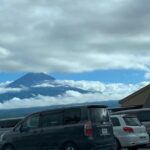

Choosing Plan A to F: Match Your Day to Your Must-Sees
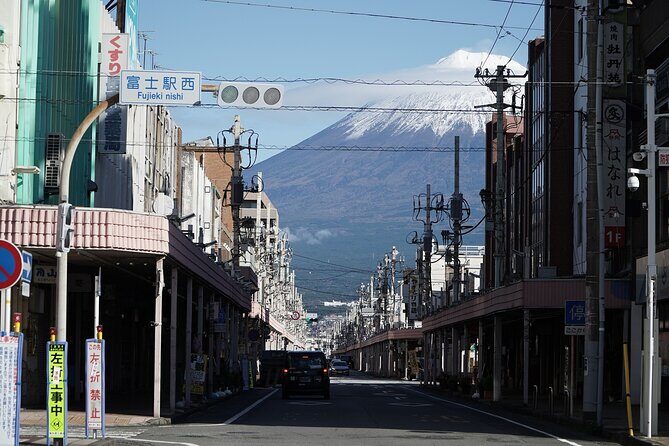
One reason this tour gets good results is that it’s not a one-size-fits-all loop. You choose a plan (A through F), and the route follows that idea.
Here’s how to think about the options:
- Plan A (Full combo vibe): Kawaguchiko + Oshino Hakkai + Hakone elements, plus time back toward Tokyo with a Mount Fuji viewpoint stop included.
- Plan B: Lake Kawaguchiko + Oshino Hakkai, then Owakudani/Hakone Ropeway as self exploration segments. It also mentions a private room Hakone hot spring option (extra).
- Plan C: A bigger “theme park + classic views” day with Fuji Q Hi Land (6 hours), plus Kawaguchiko and Oshino Hakkai. This plan notes a 1 Day Pass fee of 5700 yen for Fuji Q Hi Land (extra).
- Plan D: Kawaguchiko + Oshino Hakkai + Arakurayama Sengen Park, then Gotemba Outlet Mall for about 3 hours.
- Plan E: Kawaguchiko only—simpler day, fewer moving parts.
- Plan F: Hakone only—swap Fuji lakes/villages for volcano valley and Lake Ashi focus.
If you love Fuji viewpoints and want a classic “postcard day,” Plan A or D makes sense. If you prefer a more focused trip (and less driving), Plan E or Plan F is calmer.
Lake Kawaguchiko: The Fuji-Lake Start That Sets the Tone
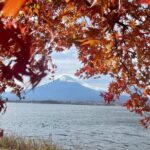
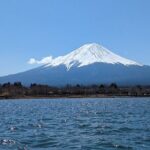
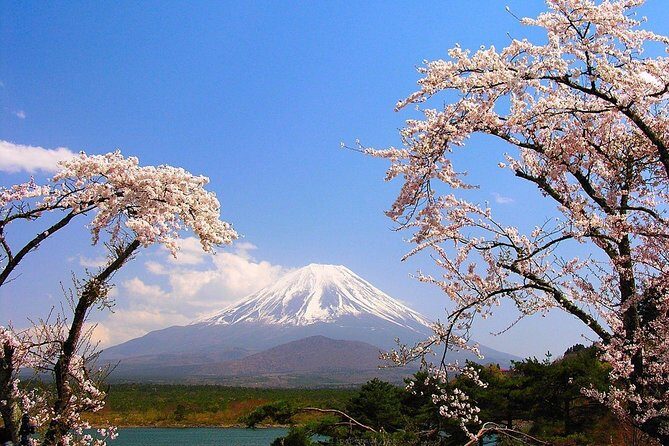
Lake Kawaguchiko is one of the best places to aim for when you want Mt Fuji in the frame. On this tour, you get around an hour here. That time slot is tight, but it can work if your driver is good at timing and you’re ready to move.
What you’re really buying with Kawaguchiko is options:
- You can walk a bit and look for angles where Fuji pops into view.
- You can get that first strong “I’m really here” moment early in the day, before crowds or weather changes.
One practical note: Mt Fuji visibility is weather-dependent. The lake area can still be satisfying even if the peak is hidden, but your best odds are on clearer days. If the mountain is out, don’t waste time. Go where your eyes tell you.
Arakurayama Sengen Park: Fuji Photos Without the Guesswork
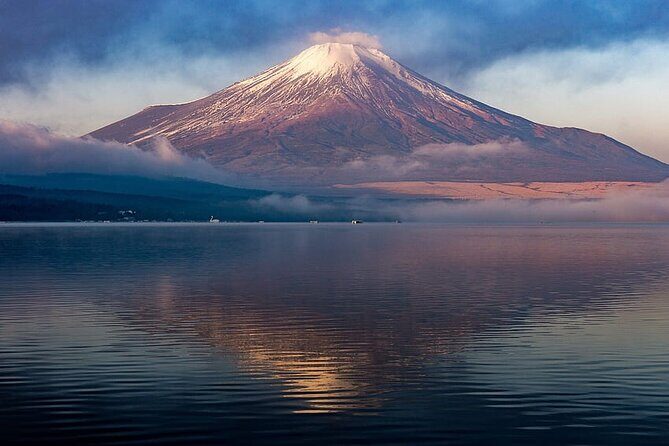
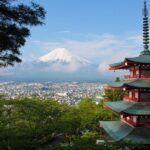
Next up is Arakurayama Sengen Park (about 1 hour on the itinerary). This is a high-visibility viewpoint area known for Mt Fuji views. Even if you’ve seen pictures, being there in person changes the scale fast.
This is the kind of stop where a private driver helps. You’re not searching for where to stand, what gate to use, or how long it takes to reach the viewpoint stairs. The goal is simple: get the photo, then enjoy the moment.
If you’re sensitive to crowds, it still helps to remember: this tour is private, but the viewpoint area is a public place. You might have to accept that some bustle is part of the deal. The win is you’re not in a massive tour group all day—you can still keep your pace.
Oshino Hakkai Ponds: A Classic Village Break
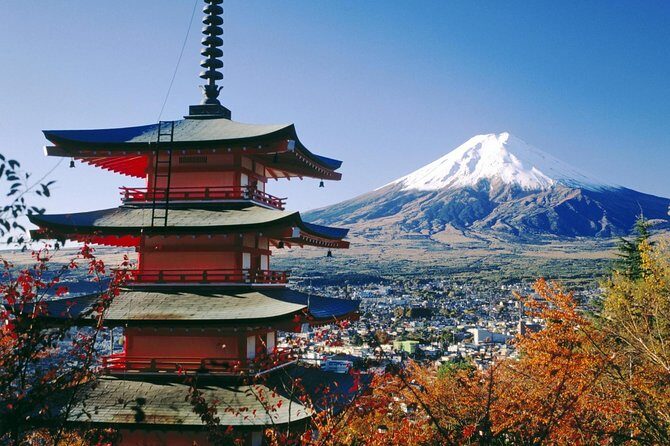
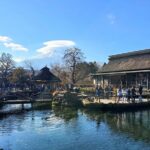
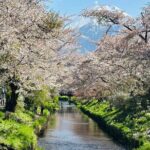
Oshino Hakkai is next (about 1 hour 30 minutes). This is where the trip shifts from big scenery into a calmer, human scale. Oshino Hakkai has eight ponds in a village setting, in the Fuji Five Lakes region. Think: walking, photo angles, and a break from constant driving.
Why I like this stop: it’s not only for the Fuji fan view. It’s also just a pleasant place to slow down. You get a chance to stand near the water, notice the village rhythm, and reset before the Hakone portion (if your plan includes it).
Also, this is an easy “yes” if you’re traveling with anyone who gets tired of nonstop viewpoint hunting. The ponds and short walking loop style vibe is simple to enjoy.
A few more Tokyo tours and experiences worth a look

Hakone Ropeway, Owakudani, and Lake Ashi Time
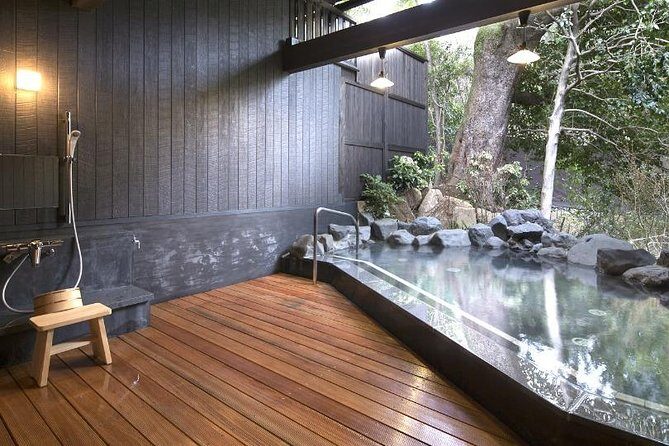
If your plan includes Hakone, you’re in for the volcanic and watery combo.
Hakone Ropeway (when included)
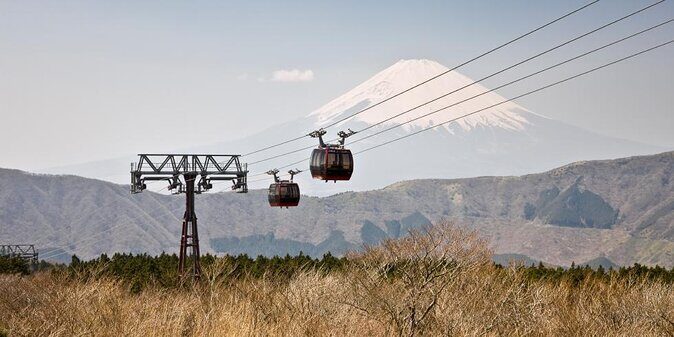
The route lists Hakone Ropeway with a 1 hour 30 minutes slot, but it also clearly says the ropeway is not included in the cost. You’ll want to treat that as an add-on you budget for separately.
Owakudani: Volcano valley energy
Then comes Owakudani Valley. The itinerary gives about 1 hour, and it calls out that it’s an active sulphurous volcano zone created during Hakone’s last eruption around 3,000 years ago. Even if you’re not into geology, this place has a strong sense of place. The air and setting are noticeably different from the lake and pond areas earlier.
Lake Ashinoko: Lake views and optional cruise
Finally there’s Lake Ashinoko (around 1 hour 30 minutes). Like the ropeway, the itinerary marks the Pirate Ship cruise on Lake Ashi as an extra cost. If your goal is maximum scenery time, this cruise add-on can be worth it—just remember it will expand your paid costs.
The best part about adding Hakone is variety. You go from lakeside Fuji views to sulfur valley textures, then end on water scenery. It makes the day feel like more than one long photo stop.
Meals and Entrance Fees: Budget the Bits That Add Up
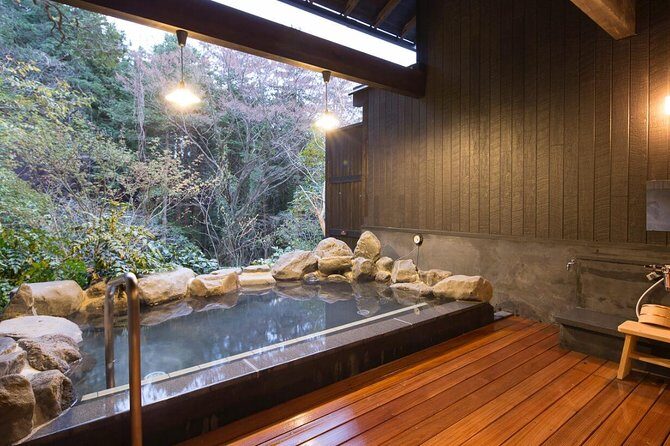
This is where you need to plan smart. The tour price covers transport and the driver, but it does not include meals or attraction fees.
What’s included:
- Hotel pickup/drop-off
- All taxes, fuel, and toll fees
- Air-conditioned private vehicle
- Native Japanese driver (basic English)
- Private transport (non-taxi)
- Mobile ticket
What’s not included:
- All meal costs
- Attraction entrance fees: listed as ¥9,000 per person (not included)
- Hakone Ropeway and Pirate Ship cruise costs (explicitly not included)
- Fuji Q Hi Land admission (Plan C), including a noted 1 Day Pass 5700 yen fee (not included)
- The driver does not provide history explanations of venues because of time constraints
That last point is important. This is a transport + timing + route plan. If you want deep museum-style explanations, you’ll need to read signs, use an app, or add another guided experience. For many people, that’s totally fine; you still get a smooth day with smart stop choices.
Price and Value: What You’re Really Paying For
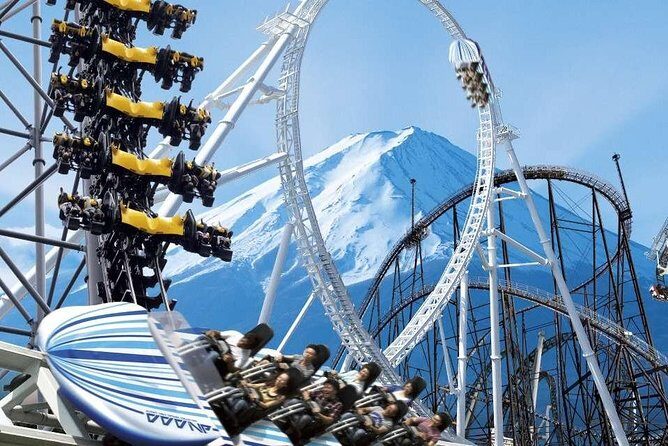
The price is $844.63 per group up to 2 people, with a typical booking window of about 14 days in advance. For a long day, that number makes people pause—so here’s how I’d judge it for value.
You’re paying for:
- A private air-conditioned vehicle and toll-covered routing
- Hotel pickup/drop-off
- A native Japanese driver who can handle day-of logistics
- The ability to choose your plan (A to F), rather than being forced into one fixed route
If you were to piece this together yourself—car rental, parking, navigating transfers, and timing—the private driver option starts to look less like a splurge and more like buying back time and sanity. The fixed start time (07:30) also reduces decision fatigue.
The main value trade-off is that you’re budgeting extra for entrance fees and meals. So if you hate paying for tickets and prefer a low-cost self-guided day, this might feel expensive. If you like convenience and want the day to run without stress, it can be a good fit.
Driver Communication in Tokyo: Mobile Number Rules That Matter
This tour includes a very practical communication requirement. You’ll need to provide a valid contactable mobile number in Tokyo, including the correct country code (examples given: +61 or +1). It also warns that the mobile number cannot have alpha code formats like UAE/AF/AE, and they say they cannot call back any alpha code mobile.
To keep things smooth, they recommend:
- Using pocket Wi‑Fi or a SIM card for easy texting/calling in Tokyo
- Installing LINE chat or WhatsApp so the driver can contact you in real time
Why this matters: on a long day with multiple stops, you don’t want to lose time waiting at the curb or figuring out where your driver is. If your phone plan struggles outside your base coverage, plan for pocket Wi‑Fi or a local SIM before you arrive.
Weather Reality Check: When Mt Fuji Hides
Mt Fuji can be stubborn. This tour explicitly states that Mt Fuji visibility is subject to the actual day weather, and it also notes the experience requires good weather.
In practical terms, that means:
- You might see clear Mt Fuji if the day cooperates.
- If it’s cloudy or foggy, the goal shifts to making the day still enjoyable through the lakes, village ponds, and Hakone volcanic scenery (depending on your plan).
This is also where flexibility helps. If your heart is set on peak visibility, choose a plan that includes multiple Fuji-viewing or Fuji-area stops rather than just one.
What the Best-Day Experience Feels Like (and What It Doesn’t)
From the way this experience is described, the day is built around timing and comfort more than lectures. The driver keeps things moving. Stop durations are set: around an hour for some sights, more time for places like Oshino Hakkai and Lake Ashinoko.
Also, the private format gives you control over your pace:
- Want more walking at Oshino Hakkai? You can try to manage it inside the time block.
- Want fewer souvenir stops and more photos? That’s usually possible in a private setting.
- Need photo help? Past trips mention drivers like Hero focusing on getting great pictures from the best spots.
What it doesn’t include: a deep history talk. The driver’s job here is driving and practical guiding, not detailed narration.
Who Should Book This Mt Fuji Private Tour?
I’d point you toward this tour if:
- You want private door-to-door comfort over group transit
- You’re pairing Mt Fuji with Hakone (or choosing a Fuji-only or Hakone-only plan)
- You value easy logistics: the vehicle, pickup, and timed stops
- You’re okay paying extra for meals and entrance fees to get the day’s structure
I’d think twice if:
- You’re extremely budget-focused and don’t want ticket costs added on
- You need detailed guided commentary at every stop
- You’re planning to travel with a phone setup that won’t support texting/calling unless you’ve arranged pocket Wi‑Fi or SIM
Should You Book This Mt Fuji Private Tour With a Native Japanese Driver?
Book it if your priority is a stress-free, well-timed day that hits the most important places—Kawaguchiko, Oshino Hakkai, and (if you choose it) Hakone—in a private format. The price can feel high at first glance, but the value becomes clear once you factor in private transport, toll-covered routing, and hotel pickup/drop-off.
If weather is a major worry for you, choose your plan with a little realism. Mt Fuji might be crystal clear, or it might be shy. The good news is the route still gives you multiple meaningful stops, not just one gamble for a single perfect view.
FAQ
FAQ
What time does the tour start, and how long is it?
The tour meets at your hotel lobby at 07:30 and runs for about 13 hours.
Is hotel pickup included?
Yes. Hotel pickup and drop-off are included, but the tour does not pick up from Yokohama or from airports.
How many people can join this private tour?
It’s listed as a private tour for up to 2 people per group.
Are meals included in the price?
No. Lunch and dinner costs are excluded, so you’ll pay for meals separately.
Are attraction tickets included?
No. Entrance fees are not included, and the listing specifies ¥9,000 per person for attraction entrance fees (plus any separate costs like ropeway or cruises).
What if Mt Fuji is cloudy or visibility is poor?
The experience depends on actual day weather. If it’s canceled due to poor weather, you’ll be offered a different date or a full refund.