REVIEW · TOKYO
Kyoto Early Bird Tour Tokyo Round or One Way Shinkansen
Book on Viator →Operated by GuideMe Japan · Bookable on Viator
Kyoto in one long, guided day. This Shinkansen trip from Tokyo packs the big Kyoto hits—Arashiyama Bamboo Grove, Golden Pavilion at Kinkaku-ji, and Fushimi Inari—into a single, well-timed outing led by an English-speaking guide like Rin or Genki Fukushima. I also really like the small groups (max 8), which helps the whole day feel calmer and easier to manage.
Just know the trade-off: it is a full day with real walking. One summer experience clocked about 4.5 miles, and a lot of the route sits in direct sunlight, so you’ll want to plan for heat and stamina.
The structure is flexible too. You can choose a one-way or round-trip Shinkansen option (and your end location can differ), while the tour runs about 7 to 8 hours with early morning start choices.
In This Review
- Key highlights worth knowing
- Why an Early Kyoto Day Trip Works from Tokyo
- Meeting Point at KITTE Marunouchi and the Shinkansen One-Way vs Round-Trip Choice
- Arashiyama Bamboo Grove: Calm Walk, No-Extra-Ticket Simplicity
- Kinkaku-ji Golden Pavilion: Why This Temple Anchor Is Included
- Fushimi Inari-taisha: Red Gates and the Best Way to Spend Your 1.5 Hours
- Group Size, Guides, and Why the Day Feels More Like a Plan Than a Sprint
- Price and Value: What You’re Really Paying For
- Who This Tour Fits Best (and Who Might Want Another Plan)
- Quick tips to make the day feel easier
- Should You Book This Kyoto Early Bird Tour?
- FAQ
- Where do I meet for the tour?
- How long is the Kyoto day trip?
- How many people are in each group?
- What’s included in the price?
- Are admission tickets for all the stops included?
- Is food included in the tour?
- Can I choose one-way or round-trip from Tokyo?
- What is the cancellation policy?
Key highlights worth knowing
- Max 8 people keeps questions from getting lost and group pacing more human
- Mobile ticket makes your Shinkansen and day flow simpler
- Kinkaku-ji admission included so you’re not juggling extra payments
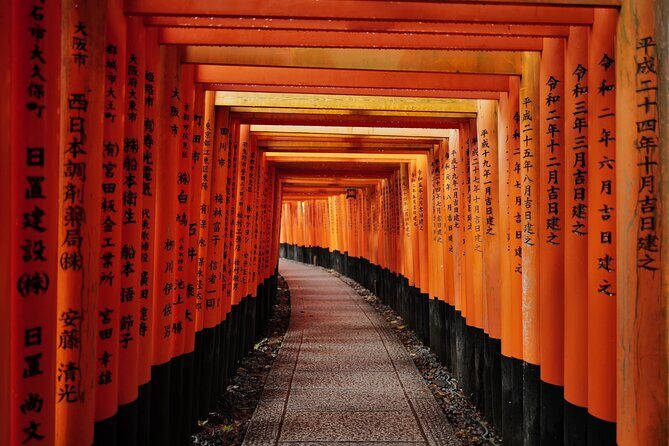
- Fushimi Inari gates are free to enter, letting you spend your time walking the iconic path
- Early departures from Tokyo help you cover three major areas in one day
- Guide support on logistics includes help getting oriented for the next train/step
Why an Early Kyoto Day Trip Works from Tokyo
Kyoto looks best when you can slow down. But if you only have one day, the trick is choosing the right route and getting there by the fastest rail option. This tour does that by using the Shinkansen to get you out of Tokyo efficiently, then organizing your Kyoto stops into a tight sequence.
I like that it’s built around three sites that each feel different: a nature-heavy bamboo walk in Arashiyama, a highly recognizable temple scene at Kinkaku-ji, then a pilgrimage-style shrine experience at Fushimi Inari-taisha. That variety keeps the day from feeling repetitive, even though you’re moving between neighborhoods.
There’s also a practical benefit to the “early bird” approach. You’ll start with calmer momentum and a schedule that’s meant to finish while the city still feels lively—but not frantic.
You can also read our reviews of more tours and experiences in Tokyo.



Meeting Point at KITTE Marunouchi and the Shinkansen One-Way vs Round-Trip Choice
Your meet-up spot is very specific: Tully’s Coffee & Tea KITTE Marunouchi inside the KITTE building (1F). It’s in Marunouchi, Chiyoda City, and it’s listed as near public transportation, which matters because you don’t want to spend your first hour hunting for a meeting point.
From there, the tour includes the Shinkansen ticket fee, with two different styles:
- One-way option: you can end in Kyoto (your activity ends in a different location)
- Round-trip option: you return back toward Tokyo Station
This choice changes the vibe of your day. If you stay in Kyoto after the tour, you gain time to keep wandering on your own. If you choose round-trip, you’re buying convenience and avoiding the stress of lining up your return.
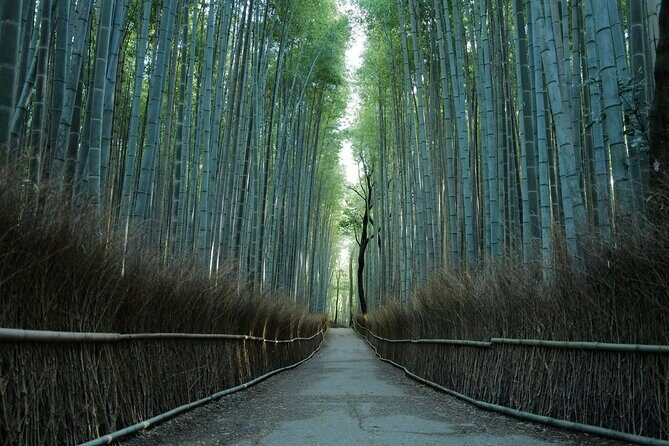
One extra perk you might appreciate: Shinkansen rides can be scenic, and at least one clear-day experience included a view of Mount Fuji from the train. It’s never guaranteed, but it’s the kind of bonus that makes the early travel feel extra worthwhile.
Arashiyama Bamboo Grove: Calm Walk, No-Extra-Ticket Simplicity
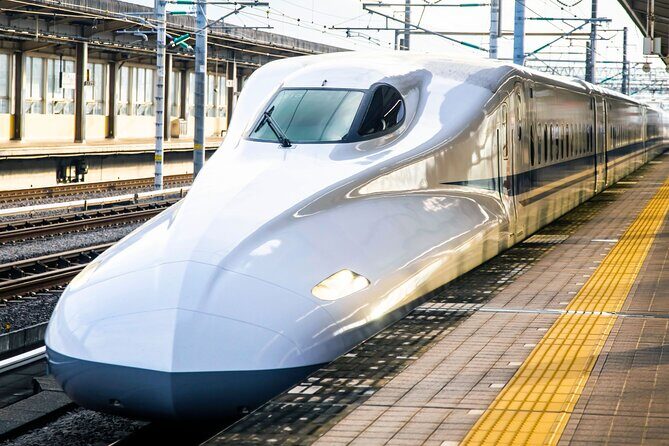
Your first stop is Arashiyama, focusing on the Bamboo Grove. The tour gives about 1 hour here, and admission is listed as free. That matters more than it sounds—free entry means you’re not negotiating ticket windows, and you can put the time into walking and looking.
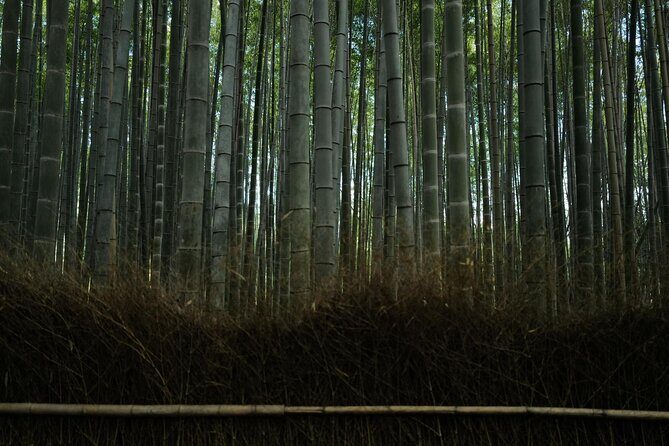
What makes this stop work in a one-day format is that it’s not just a photo stop. Bamboo groves have that naturally quiet, rhythmic feel, and even with a schedule you can still slow your pace. You’ll get the visual impact quickly: tall shoots, a tunnel-like sense of space, and that soft swish as air moves through the stems.
The main consideration is pacing and heat. Since this is an outdoor area, you’ll want to bring what you need for comfort (water planning is smart because food and drinks are not included). If you’re the type who likes to linger, be ready to move at a guide-led rhythm.
Kinkaku-ji Golden Pavilion: Why This Temple Anchor Is Included
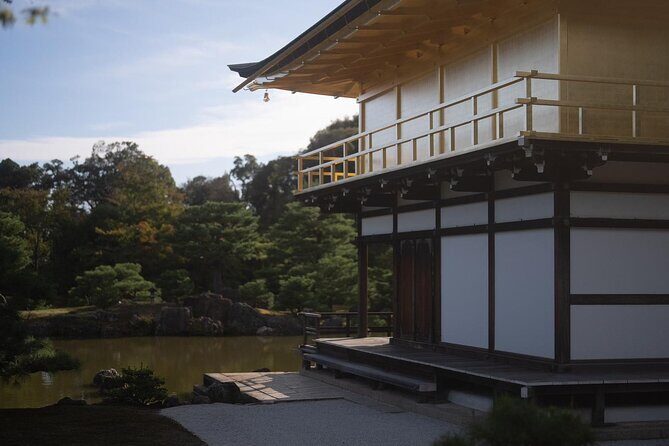
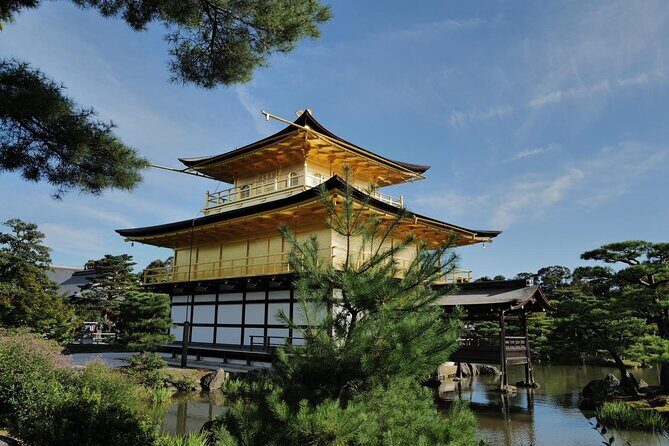
Next comes Kinkaku-ji, also known as the Golden Pavilion. You get about 1 hour 30 minutes, and admission is included. This is a major value point, because Kinkaku-ji is one of the most recognizable Kyoto experiences, and you don’t want a schedule bump from ticket handling.
Here’s how to think about the time: in one day, you’re not trying to absorb every detail of the grounds like you might on a multi-day trip. Instead, you use your window to see the Golden Pavilion from the key viewing angles, then take a slower loop around what the area offers.
Kinkaku-ji is also a good “reset” between Arashiyama’s greenery and Fushimi Inari’s intense gate-walking. It gives you a structured temple setting—less meandering, more iconic forms—so your brain can switch gears.
One more practical note: temples often mean uneven walking surfaces. If you have mobility limits, the “moderate physical fitness” requirement still applies, so wear shoes that handle a long day.
Fushimi Inari-taisha: Red Gates and the Best Way to Spend Your 1.5 Hours
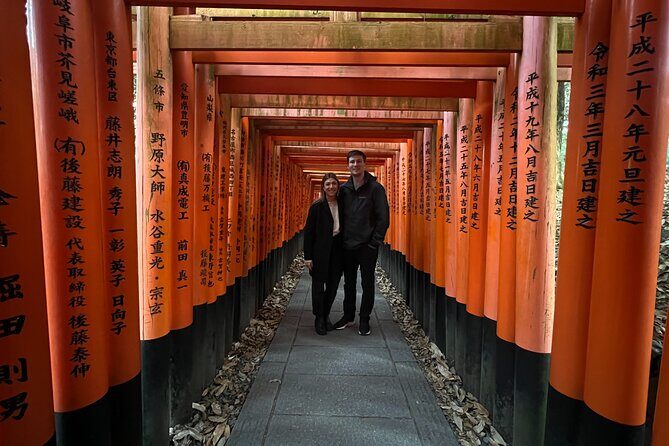
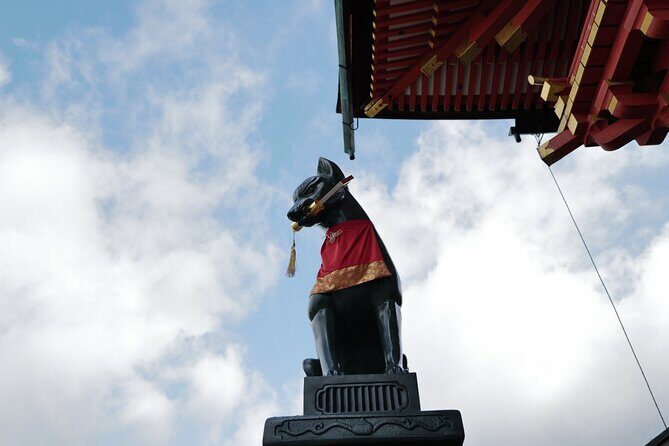
Then you hit the big one: Fushimi Inari-taisha. The tour allots about 1 hour 30 minutes, and admission is listed as free. This stop is popular because it feels like a journey: thousands of red torii gates create repeating lines that guide your eyes and legs forward.
In a one-day setting, your goal isn’t to reach the farthest points unless that’s your personal plan. With 1.5 hours, you’ll likely get enough of the gate path to feel the full effect without racing. If you like photos, start earlier in your walk so you can find angles before your legs start pushing for speed.
This is also the portion where stamina matters most. Even if you’re only doing part of the route, it’s still a lot of steps and changes in pace. In hot weather, sunlight can feel intense because so much of the walk is outdoors with limited shade.
If you get tired, you’ll be glad the tour includes transportation in Kyoto. You won’t have to solve the “how do I get from here to the next place” problem on the fly.






Group Size, Guides, and Why the Day Feels More Like a Plan Than a Sprint
A lot of day trips fail because the itinerary is too rigid or the group is too big. This one keeps the group to a maximum of 8 travelers, which changes the whole tone. Fewer people means easier pacing, fewer bottlenecks around photos, and less chaos when you’re switching between trains or walking segments.
The guides are a big part of that. In the experiences tied to this tour, you see the same pattern: friendly hosts who explain history and culture at each stop and answer questions along the way. Names that came up include Kai, Aya, Rin, and Rina Tanaka, plus Genki Fukushima.
That matters because Kyoto isn’t just scenery. Even a few smart explanations—like what you’re seeing at a shrine and why certain features matter—can turn your “I saw it” day into a “I get it” day.
Another helpful detail: one experience mentioned making sure they didn’t get lost on the way back to Tokyo. You can’t treat that as a guarantee, but it does reflect that the guide’s job includes practical orientation, not only narration.
Price and Value: What You’re Really Paying For
At $423.49 per person, this isn’t a bargain. But it also isn’t just paying for admission and a bus. You’re paying for the parts that usually cost time, stress, and mistakes when you travel independently:
- Shinkansen ticket fee (one-way or round-trip option)
- English-speaking tour guide
- Kinkaku-ji admission
- Transportation fee in Kyoto
If you’re doing this as a solo plan, you’d still need rail tickets, a route through Kyoto, and someone to keep your day tight. The price becomes easier to justify when you value time and you’re trying to see three major areas in one shot without building the whole schedule yourself.
The best value angle is the small group. Crowded tours can feel cheaper until you lose half your time waiting. Here, you’re paying for room to ask questions and move with less friction.
What’s not included is also part of the pricing story. Food and drinks aren’t included, so you should budget for meals or snacks. That’s an easy add-on, but it’s a real cost you’ll want to remember when comparing prices.
Who This Tour Fits Best (and Who Might Want Another Plan)
This is a strong fit if you want iconic Kyoto highlights and you like having a plan made for you. If you’re short on time and you’re starting from Tokyo, the Shinkansen-based format is one of the most practical ways to do Kyoto efficiently.
You’ll probably enjoy it most if:
- you prefer an organized route with an English-speaking guide
- you’re okay with moderate physical fitness and a long day
- you want major stops like Kinkaku-ji and Fushimi Inari without handling all the logistics
It may feel less ideal if you’re hoping for a slow, deeply wandering Kyoto day. This itinerary is designed for coverage. And because it’s outdoors-heavy in parts, heat and fatigue can be the limiting factors.
Quick tips to make the day feel easier
Bring a plan for energy. You’ll have no food included, so decide whether you’re eating lunch inside Kyoto on your own or carrying snacks you can grab during breaks. A bottle of water (or a way to buy one) is an easy comfort upgrade.
Wear walking shoes and dress for sun. Even with a guide and a set route, you’re still walking through bamboo and along shrine paths. In summer, direct sunlight can be rough, so hat + sunscreen behavior is smart.
If you’re doing the round-trip option, keep your return mindset flexible. Your ending location differs by option, so it helps to confirm what “end” means for your chosen ticket style before you build the rest of your evening.
Should You Book This Kyoto Early Bird Tour?
If you want a one-day Kyoto hit without turning your trip into logistics homework, I’d say it’s a good choice. The combination of Shinkansen travel, a tight trio of stops, included Kinkaku-ji, and a max 8 group is a solid recipe for getting real value from limited time.
But book with eyes open: it’s a long, active day. If heat or stamina is your weak spot, you’ll need to protect yourself with smart pacing and sun protection.
FAQ
Where do I meet for the tour?
You meet at Tully’s Coffee & Tea KITTE Marunouchi in the KITTE building (1F) at 100-7001 Tokyo, Chiyoda City, Marunouchi, 2-chōme72.
How long is the Kyoto day trip?
The tour runs about 7 to 8 hours.
How many people are in each group?
The tour has a maximum of 8 travelers.
What’s included in the price?
The price includes the Shinkansen ticket fee (one-way or round trip depending on your choice), an English-speaking tour guide, admission fee to Kinkaku-ji, and transportation fee in Kyoto.
Are admission tickets for all the stops included?
Kinkaku-ji admission is included. Arashiyama Bamboo Grove and Fushimi Inari-taisha Shrine are listed as free for admission.
Is food included in the tour?
No. Food and drinks are not included.
Can I choose one-way or round-trip from Tokyo?
Yes. Customers can choose to either go back to Tokyo Station (round trip) or stay in Kyoto (one-way). The price differs based on that choice.
What is the cancellation policy?
This experience is non-refundable and cannot be changed for any reason. If you cancel or request an amendment, you do not receive a refund.