REVIEW · BEPPU
Beppu: Bamboo Lantern Workshop
Book on GetYourGuide →Operated by Glide Japan Inc. · Bookable on GetYourGuide
A bamboo lantern workshop feels simple until you’re holding real bamboo. In Beppu, this hands-on class gives you a custom lantern you’ll take home, plus the quiet “how to behave” side of Japanese craft and calligraphy etiquette. The main heads-up: it’s outdoors, and you’ll use a hand-drill to cut the design.
I love that you’re not just watching. You pick your own bamboo piece, then create the hole pattern yourself under guidance, so your lantern actually looks like you. I also like the small-group feel, limited to just 4 participants, which keeps the host close when you need help.
One possible drawback: if you want extra time to finish neatly, plan for the session to run longer than you expect. The stated duration is 1 hour, but it can stretch to about 1.5 hours depending on your pace and how carefully you want it to turn out.
In This Review
- Key highlights you’ll feel right away
- Bamboo and calm: what this Beppu workshop really gives you
- Your lantern: picking bamboo and designing the holes
- The hands-on tool part: using the hand-drill safely and confidently
- Who’s teaching: a friendly small-group approach
- Outdoor setting: what to wear and what to expect
- Beyond craft: Japanese calligraphy etiquette and why it matters
- Duration reality check: 1 hour vs 1.5 hours
- Price and value: is $25 worth it?
- Not for everyone: who should skip this workshop
- Who it’s perfect for in Beppu
- Should you book the Beppu Bamboo Lantern Workshop?
- FAQ
- How long is the bamboo lantern workshop?
- How much does it cost?
- Is the workshop held indoors or outdoors?
- What will I make?
- What’s included in the price?
- Do I need to bring any tools?
- Can I take photos with flash?
- Is the workshop suitable for children?
- What should I wear?
- What languages are offered?
- Do I need previous experience with drilling or crafts?
Key highlights you’ll feel right away

- You design your own hole pattern on natural bamboo, so every lantern is genuinely personal
- Small group of up to 4, making it easier to get hands-on help with the drill and carving
- Outdoor workshop setting where the craft feels slow and practical, not rushed
- You learn technique plus Japanese calligraphy etiquette, not just the making steps
- English and multiple Chinese options available, with hosts who guide patiently
Bamboo and calm: what this Beppu workshop really gives you

Beppu is a great base for people who like simple, grounded activities. This bamboo lantern workshop fits that vibe perfectly. It’s not a “tour with a stop.” It’s a focused, hands-on hour where you work with your hands and attention, with the goal of taking something home that still carries the mood of the workshop.
The core promise is straightforward: you make a lantern from natural bamboo and decorate it with your own hole design. The result isn’t just decorative either. A bamboo lantern creates soft, gentle light, and that matters because it turns a craft project into a thing you’ll actually use.
I also appreciate the cultural angle. The experience isn’t only about bamboo. You’ll also learn etiquette connected to Japanese calligraphy, which gives the session a thoughtful rhythm. It’s the kind of guidance that changes how you sit, how you work, and how you handle tools—small actions that make the craft feel respectful instead of mechanical.
A few more Beppu tours and experiences worth a look
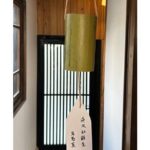


Your lantern: picking bamboo and designing the holes
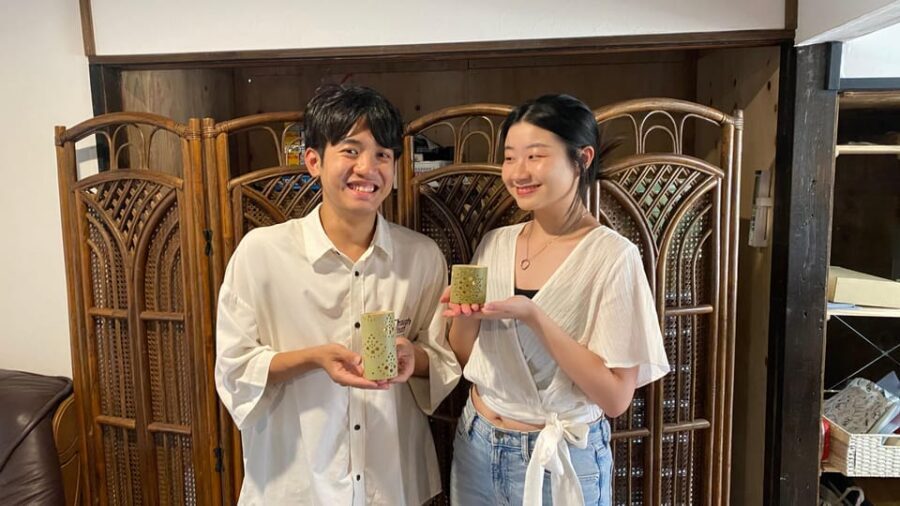
Here’s the moment where this class becomes personal. You choose a bamboo piece to work on, then you’re guided into decorating it by designing your own holes. That’s the part that usually makes people smile because it shifts you from “making something” to “authoring something.”
You’ll start with initial guidance from the host on the process, then you’ll do the actual decoration yourself. The holes are the lantern’s signature. They control where the light leaks through, and they determine the overall feel of the design—open, airy patterns for calm looks, denser layouts for more structured glow.
Since the workshop is described as a concentrative experience, don’t expect a lot of “background sightseeing chat.” You’ll get instructions, then you’ll work. That’s a good thing. It’s ideal if you like quiet focus and you want a break from constant walking and crowds.
The hands-on tool part: using the hand-drill safely and confidently

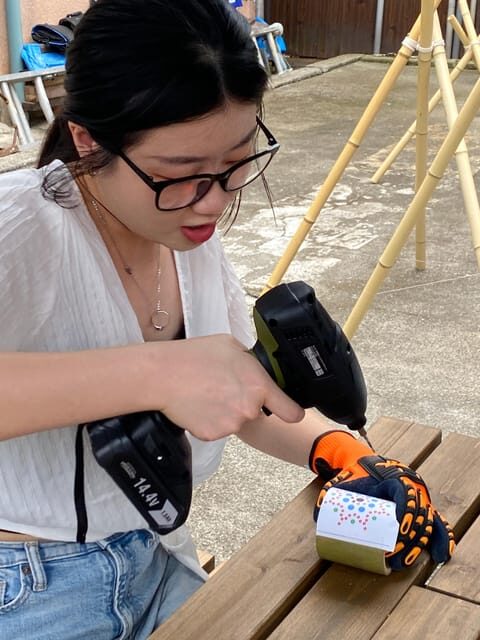
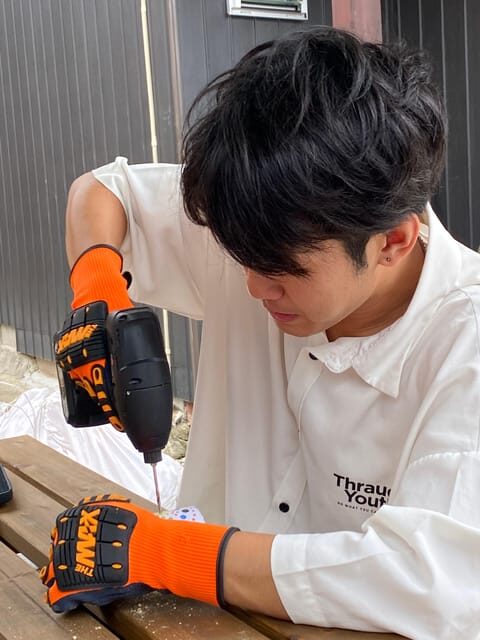
You’ll need to operate a hand-drill (the tools are provided). That’s one of the key details to understand before you go, because it’s not just tracing a pattern. You’re actively making the lantern by drilling or creating holes in the bamboo.
If you’re used to using power tools at home, you’ll still want to slow down. Bamboo behaves differently from wood you might be cutting indoors. The host’s guidance matters here, especially for keeping control and keeping your design aligned.
Practical advice: wear clothes you’re comfortable getting a little dirty. Even if you do everything carefully, bamboo work can be messy in small ways. Also, go in with the attitude that you’ll focus on steady handwork rather than speed. The workshop is built for calm craftsmanship, and rushing usually leads to rough edges and wobblier patterns.
Who’s teaching: a friendly small-group approach
The class is hosted by staff who speak English, Chinese, Traditional Chinese, and Japanese. That language variety matters because craft instructions can be nuanced. Being able to understand tool guidance clearly makes the whole experience smoother.
In the spirit of real people teaching real craft, names do show up. Masa and Ena are highlighted in feedback as especially helpful hosts. That’s a good sign if you prefer instructors who explain clearly and support you during the hands-on steps rather than just checking you off a list.
Small group limitation (up to 4 participants) is another big deal. When there are fewer people, you get more attention—especially helpful when you’re drilling. It also makes the workshop feel more relaxed, like you’re doing a careful craft project with a small team instead of standing in line behind other participants.
Outdoor setting: what to wear and what to expect
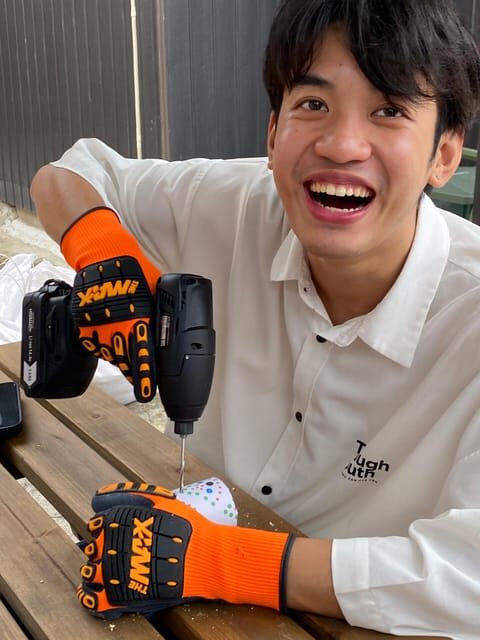
This activity takes place outdoors. That’s not a dealbreaker, but it changes your preparation. You’ll want comfortable clothes for the weather and enough room to move your arms while you work.
The workshop notes that it’s designed to be outdoors, with exceptions made for extreme weather like heavy rain, thunderstorms, or heavy snow. So if you’re booking in a season with changeable conditions, plan to check what the day looks like and dress accordingly.
Practical packing tip (not official, just smart): bring the kind of long sleeves or layers you’re okay with getting a little scraped or dusty. You’ll be working with natural materials, and you don’t want to spend the hour thinking about your outfit.
Also note: flash photography isn’t allowed. It’s a normal workshop rule, and it helps keep attention on what’s happening rather than camera flashes going off.




Beyond craft: Japanese calligraphy etiquette and why it matters
This workshop includes more than drilling and hole patterns. You’ll also learn etiquette related to Japanese calligraphy. That might sound unusual next to bamboo lanterns, but it actually makes sense once you’re there.
Calligraphy etiquette is about posture, attention, and respectful handling of materials. Translating that into a lantern workshop keeps your body calm and your movements controlled. When you’re focused on drilling precisely, that kind of discipline helps.
So instead of feeling like a “craft class for tourists,” it can feel more like a small lesson in how Japanese artisans slow down and act with care. It’s a subtle difference, but you’ll notice it in how the host explains the steps and how the session runs.
If you’re the type of traveler who likes meaningful context without lectures, this is a nice fit.
Duration reality check: 1 hour vs 1.5 hours
The workshop is listed at 1 hour. In practice, you may want to plan for more time—especially if you want your lantern to look neatly finished.
One common reason is that drilling and spacing holes takes patience. Another is that people tend to adjust their designs while they work. If you’re aiming for something more detailed, give yourself breathing room rather than rushing at the end.
That’s why I’d treat this as a “slow hour,” not a fast craft stop. If your schedule is tight right after, consider building in a buffer. You’ll enjoy it more if you don’t feel chased.
Price and value: is $25 worth it?
At $25 per person, this workshop is priced like an accessible local experience. The value comes from the combination of things you get, not just the craft result:
- You receive materials and equipment needed to make the lantern
- You leave with a unique, personalized bamboo lantern
A take-home lantern is the big payoff. It’s tangible, useful, and designed by you. Compared with many activities that only provide photos, this gives you something that still matters weeks later—especially if you like soft lighting or you want a meaningful souvenir beyond a postcard.
You also get instruction in technique and etiquette, in a small group, with multilingual hosts. That attention and guidance can be hard to find in cheaper, larger-group classes where you’re mostly following along.
If you want a hands-on memory and you’re okay with a bit of mess and outdoor time, the price feels fair.
Not for everyone: who should skip this workshop
This class isn’t positioned for every age group. It’s not suitable for children under 8, and parents/guardians are responsible for supervising children at all times.
Even if you travel with kids 8+, you should think carefully because the activity involves operating a hand-drill. That means the workshop works best when the participant can follow safety guidance and maintain focus.
It’s also not the best match if you hate tools, messy crafts, or outdoors. Since it’s concentrated and outside, it’s not a “wander around and watch” kind of experience.
Who it’s perfect for in Beppu
This bamboo lantern workshop fits travelers who want:
- A calm, hands-on activity in Kyushu with a real skill component
- A personalized souvenir that’s not mass-produced
- A small-group experience with guidance when you need it
- A cultural layer beyond the craft itself, like calligraphy etiquette
If you’re traveling as a couple, two friends, or solo, the small group size makes it feel personal. If you’re the kind of person who likes doing one meaningful thing well instead of fitting in five quick stops, you’ll enjoy the rhythm here.
Should you book the Beppu Bamboo Lantern Workshop?
I’d book it if you want a take-home craft made with your own design holes, you like quiet focus, and you’re comfortable outdoors. The small-group setup and guided drilling make it more approachable than many “you figure it out” workshops.
I’d hesitate if your schedule is extremely tight right after, because the hour can stretch to about 1.5 hours when you take your time finishing nicely. Also skip it if you dislike tool use or can’t handle outdoor conditions.
Overall, for $25, you get a real process, real materials, and a lantern you’ll be proud to display.
FAQ
How long is the bamboo lantern workshop?
The workshop duration is listed as 1 hour, but you may want to allow extra time if you want the lantern finished especially neatly.
How much does it cost?
It’s $25 per person.
Is the workshop held indoors or outdoors?
It takes place outdoors.
What will I make?
You’ll make a unique bamboo lantern, and you’ll decorate it using your own designed holes.
What’s included in the price?
Materials and equipment for lantern making are included, and you take home your finished personalized bamboo lantern.
Do I need to bring any tools?
No. The workshop provides the materials and equipment, including the hand-drill.
Can I take photos with flash?
Flash photography is not allowed.
Is the workshop suitable for children?
It is not suitable for children under 8, and parents or guardians must supervise children at all times.
What should I wear?
Wear comfortable clothes you don’t mind getting a little dirty. You’ll also want attire suitable for outdoor conditions.
What languages are offered?
The host or greeter can speak English, Chinese, Traditional Chinese, and Japanese.
Do I need previous experience with drilling or crafts?
No prior experience is stated, but you should be prepared to operate a hand-drill during the workshop, with guidance provided.