REVIEW · FUJISAWA
Trip to Kamakura & Enoshima: Shrines, Seaside, Temples &Tea
Book on GetYourGuide →Operated by Machinovate Japan Ltd. · Bookable on GetYourGuide
Kamakura and Enoshima feel like a time shift. I really like the combo of matcha and wasanbon in a quiet temple setting plus the fun, scenic ride on the local Enoden train that makes the day feel like more than just check-the-box sightseeing. You also get a true “wow” moment by going inside the Great Buddha, not just looking at it from outside.
The one thing to watch is how much of the day is spent outdoors on foot, with public-transport timing depending on the day. If you hate walking or you’re traveling light on weather gear, this route may feel tiring before Enoshima even starts to deliver its sea views.
In This Review
- Key highlights you’ll actually remember
- One Day in Kamakura and Enoshima: the Big Appeal
- Shinjuku 8:00 Meet-Up and the Train Plan That Keeps You Moving
- Hokokuji Bamboo Forest and Tea House Matcha: a Calm Start
- Shirahata Shrine with Koi Feeding: Red Torii to River Calm
- Lunch Break in Kamakura: Use the Time for Street Food and Souvenirs
- Kotoku-in Great Buddha: Going Inside Changes the Scale
- Enoshima by Enoden: Sea Views Start During the Ride
- Walking Levels, Weather Reality, and What to Bring
- What You’re Paying $150 For (and Why It Can Feel Worth It)
- Guides Make the Day Feel Personal
- Who This Tour Fits Best
- Should You Book This Kamakura & Enoshima Day Trip?
- FAQ
- What time does the tour start, and where do we meet?
- How long is the tour?
- Is the tour guided in English?
- What’s included in the price?
- What isn’t included?
- Will there be free time for lunch?
- Can I cancel, and is pay-later available?
Key highlights you’ll actually remember
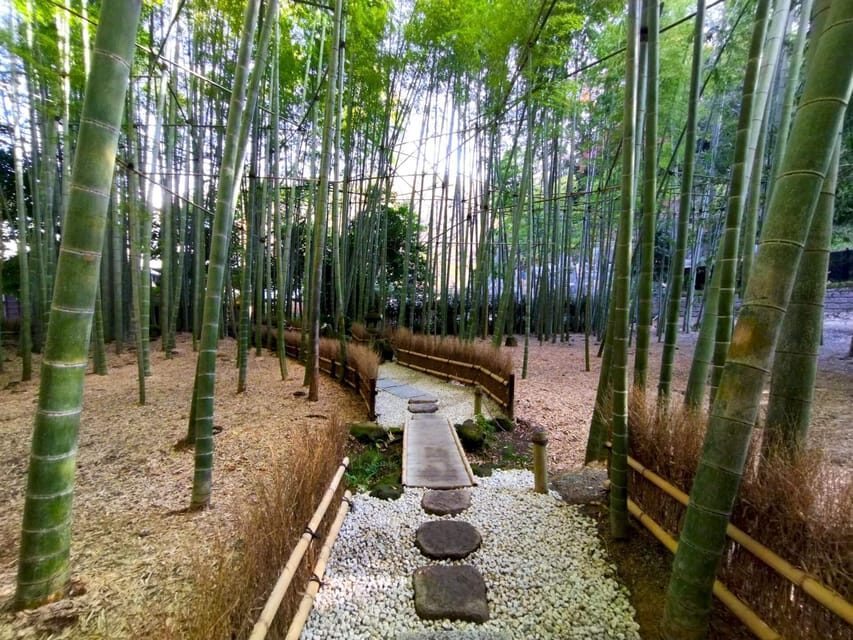
- Hokokuji bamboo forest + temple tea: matcha and wasanbon with bamboo overhead
- Feeding koi at Shirahata Shrine: red torii vibes and a calm pond moment
- Kotoku-in Great Buddha (inside): scale you can feel, plus access beyond the usual photo stop
- Enoden train ride: a retro-feeling local ride through streets and the shoreline
- Enoshima observatory views: panorama from the island’s top, with Fuji on very clear days
One Day in Kamakura and Enoshima: the Big Appeal
This is the kind of day trip that works because it compresses a lot of Japan-style beauty into a single, guided flow. You get temples and shrine life in Kamakura, then you pivot to coastal Enoshima for sea air, stairs or slopes, and wide-open views. It’s a very readable switch of moods: quiet bamboo and tea, then koi and bridges, then coastline and the horizon.
I also like that the tour is built around experiences, not just sights. The tea house matcha is tied to the temple environment, the koi feeding is part of how the shrine feels, and the Great Buddha stop isn’t treated as a quick photo—there’s time to enter and experience the scale.
One more practical win: you’re not planning transfers and ticket bits all day. The tour includes a dedicated transport pass for your day movement in the Kamakura–Enoshima area, so you spend your energy on being outside and looking around, not on navigating stations with a paper map and a deadline.
You can also read our reviews of more tours and experiences in Fujisawa.
Shinjuku 8:00 Meet-Up and the Train Plan That Keeps You Moving
You start early—08:00—at Shinjuku Station South Exit, outside the Green Window ticket office. From there, the group heads to Fujisawa by train, then continues on the iconic local Enoden line for the hop into Kamakura and later out to Enoshima. Total travel time in the morning is about 60 minutes to Fujisawa, then you’re on Enoden for the Kamakura connection.
Why this matters: starting at Shinjuku with a guide reduces the friction that can eat a day trip alive. Shinjuku is busy. If you’ve ever tried to juggle lines, platforms, and direction changes there, you know what I mean.
Also, Enoden isn’t just transport. The ride has that retro feel and it passes through the kind of streets and seaside edges you’d otherwise only catch if you purposely built a route for it. It turns “getting there” into part of the fun, which is exactly what you want for a one-day itinerary.
Hokokuji Bamboo Forest and Tea House Matcha: a Calm Start
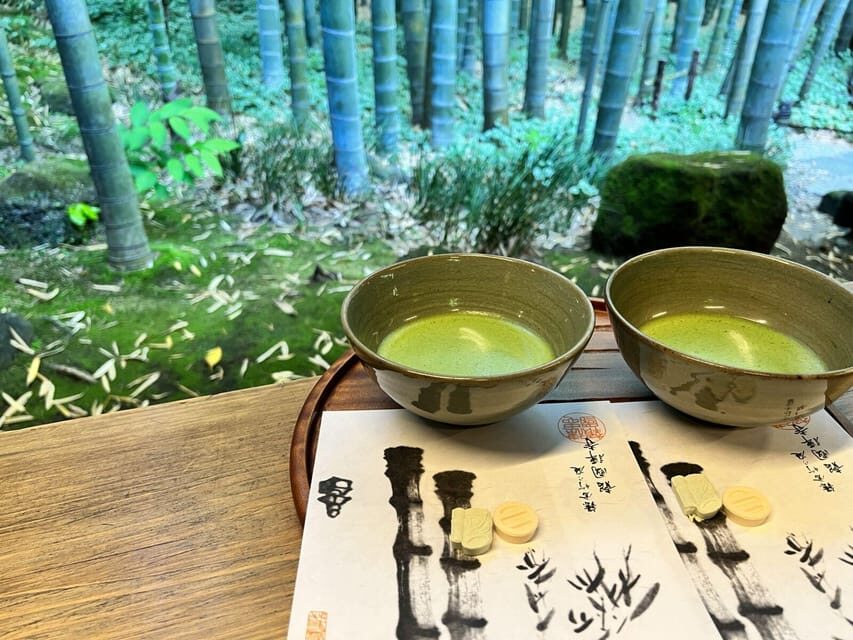
Your first main stop is a temple area known for bamboo and a tea house atmosphere. After meeting the day’s pace with a walk from Kamakura station, you reach the temple grounds and spend time there with guidance. The big payoff is twofold: you get the quiet visual payoff of the bamboo forest and then you get the cultural payoff with tea.
At the tea house, you’ll experience matcha plus wasanbon, a traditional Japanese sweet. The matcha part is obvious, but what makes it more than a snack is where it happens—overlooking the bamboo forest. This is the moment where you slow down. You’ll likely notice how different the soundscape gets here compared to the train and shopping streets.
A small consideration: tea time can be relaxing, but it also means your day follows a schedule. So once you’re there, be ready to focus—no rushing to take a hundred photos and then realizing you missed the explanation about tea culture.
Shirahata Shrine with Koi Feeding: Red Torii to River Calm
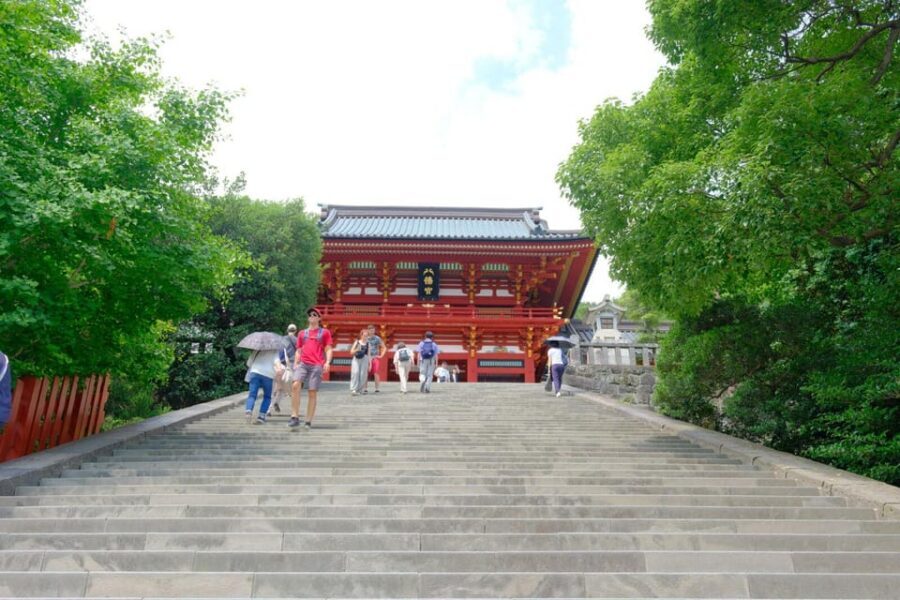
After Hokokuji, you head back toward central Kamakura and into Shirahata Shrine. The approach is a great shift of scenery: you enter through the shrine complex featuring a large red torii gate and bridges. This is very “classic Japan” visually, but the tour’s value comes from the guided context—history and how the place fits into local shrine life.
Then comes the hands-on piece: you get the chance to feed the resident koi in the shrine pond. It sounds small until you’re standing there. Feeding koi is one of those simple activities that makes the place feel alive, not staged. You’re watching movement, people are sharing space quietly, and you’re in a setting that feels more local than the big-ticket tourist zones.
If you’re the type who likes sensory travel—sounds, movement, small details—this is likely one of your favorites. It’s not as flashy as the Great Buddha. It is, however, a very personal kind of experience.
Lunch Break in Kamakura: Use the Time for Street Food and Souvenirs
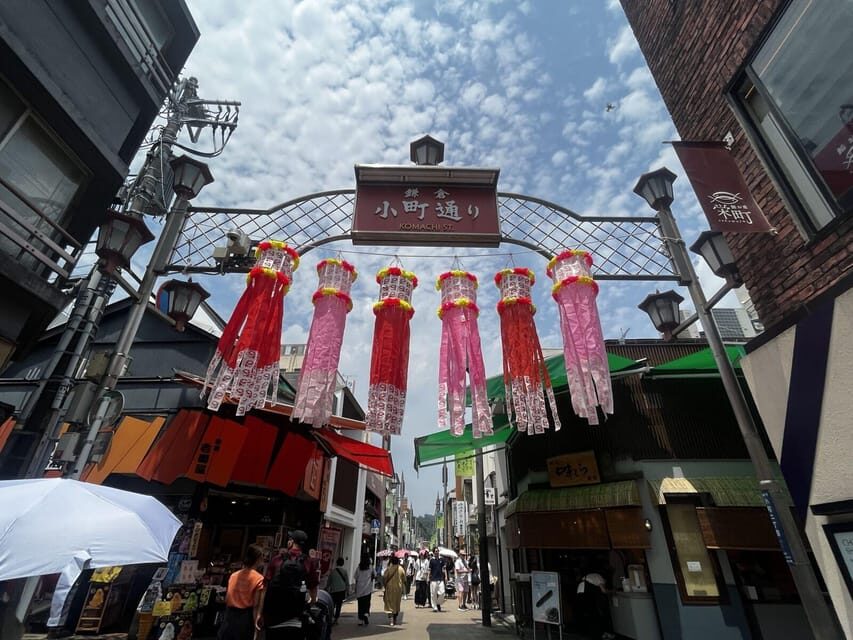
Kamakura’s central area is your lunch break zone, and you get free time to explore on your own. Your guide will introduce the area first and share local food ideas, then you’re on your own for about an hour to grab lunch, snack, and find a souvenir that actually fits the day.
This is one of the best parts of a guided day trip: you get structure for the major sights, then you reclaim flexibility where it matters most. Want to do a quick loop of streets? Want to hunt down one of the local bites your guide mentioned? You can.
Practical note: pick a lunch spot where you can comfortably find your way back to the meetup point when it’s time to move. This tour keeps a steady rhythm, and getting delayed here can ripple into the rest of the day.
Kotoku-in Great Buddha: Going Inside Changes the Scale
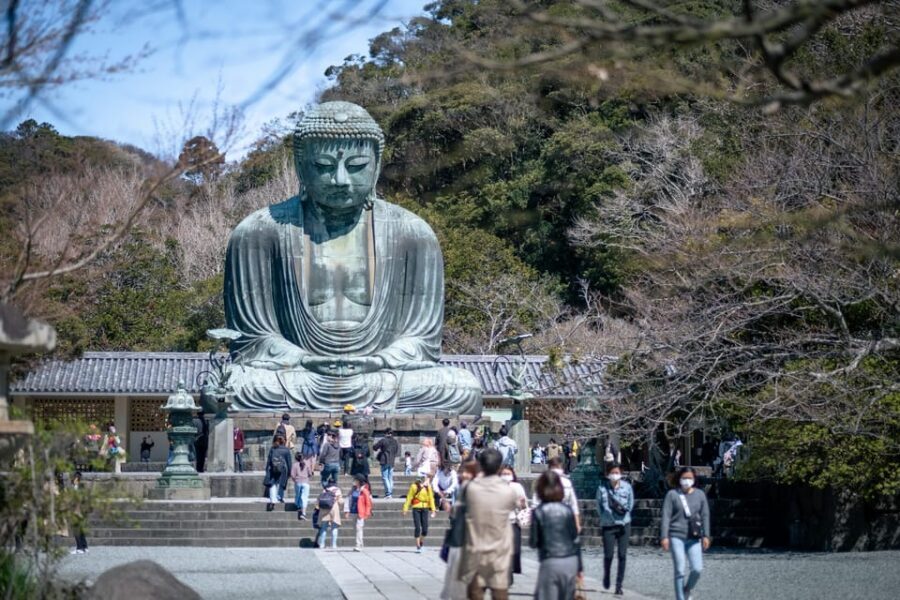
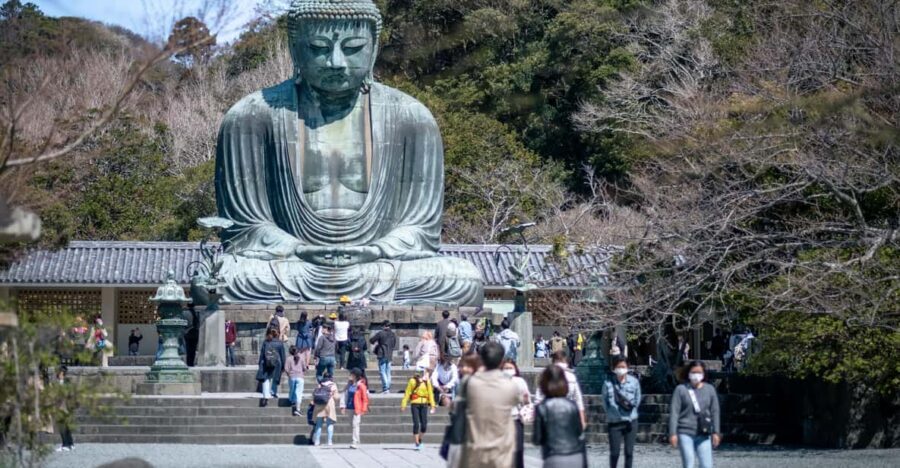
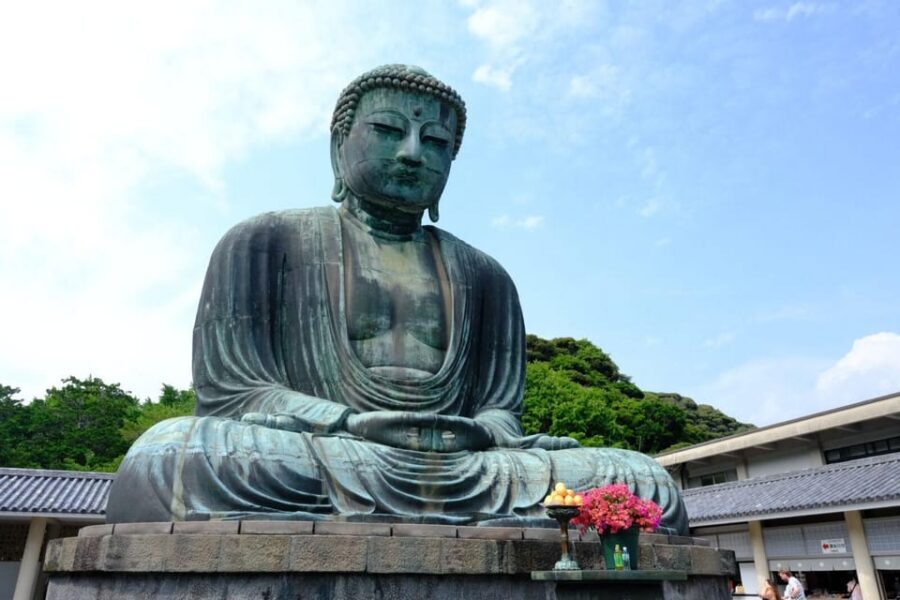
Later, you head to Kōtoku-in for the Great Buddha, one of Kamakura’s most famous icons. What makes this stop more satisfying is that you can enter the statue itself as part of the visit. Seeing it from the outside gives you the headline image. Entering it gives you the feeling of scale—an enclosed, physical presence that photos don’t fully communicate.
The tour spends a guided amount of time here, focused on helping you understand what you’re looking at and what the site represents. It’s the kind of visit where you may notice how your perspective changes as you move through the space.
One consideration: this is a popular stop, so expect a busier environment than your bamboo temple moment. The upside is that it’s a landmark everyone understands, even if you’re new to Japanese temple culture.
Enoshima by Enoden: Sea Views Start During the Ride
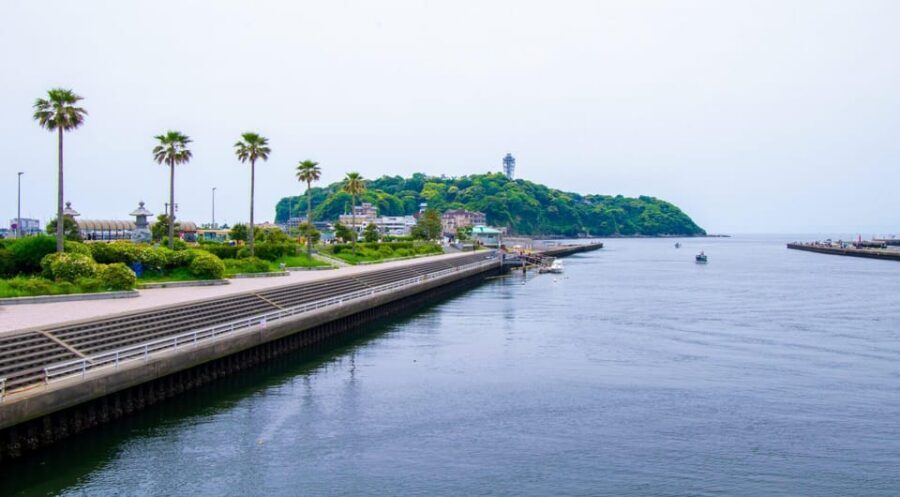
After Kamakura, you travel toward Enoshima using Enoden again, with a ride duration of about 23 minutes from the Hase area to Enoshima. This part matters because it transitions you from city temples into coastal terrain without making you fight the logistics yourself.
Once you arrive, you’ll walk along Enoshima’s coastline—an area popular with locals and visitors. On fair weather days, you can sometimes see Mount Fuji, which is a fun bonus if conditions line up. Even without Fuji, the coastline stretch and the sea-air vibe give you that “we’re really out here” feeling.
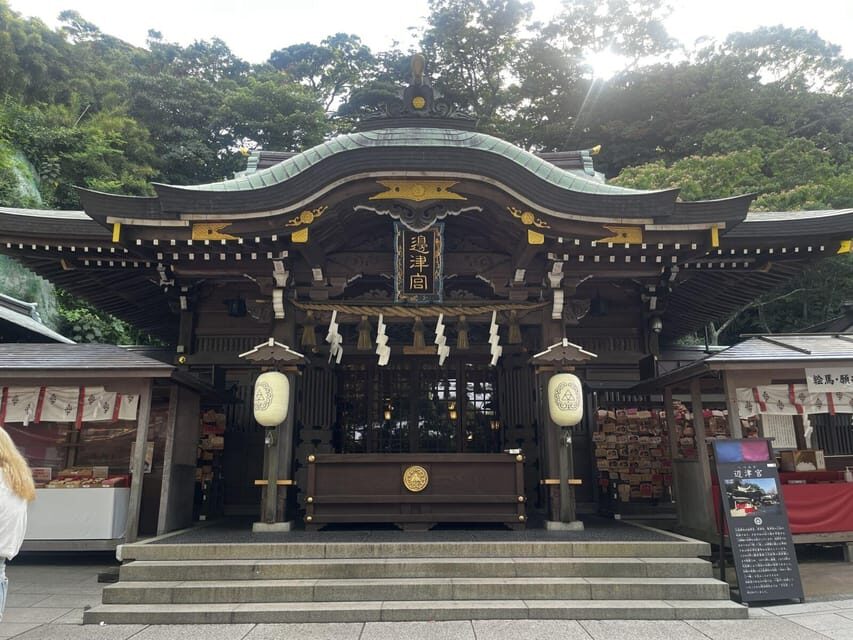
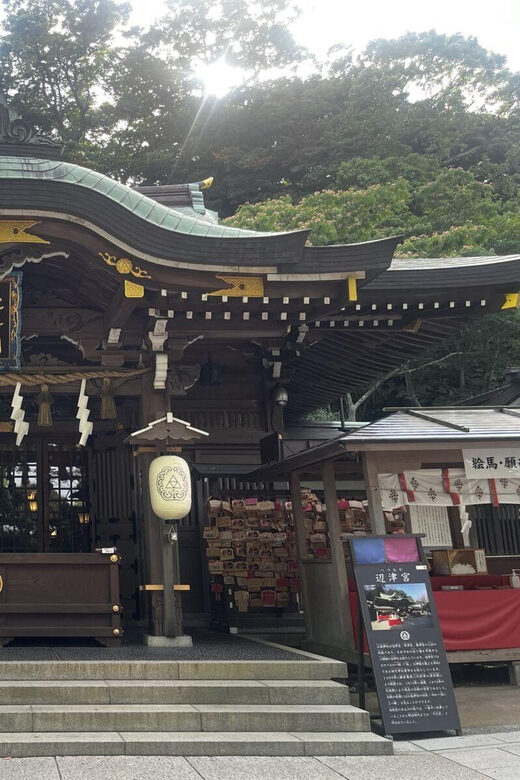
Then you climb toward views at the shrine and observatory. The tour includes escalators and observatory admission fees, so you’re not playing the pay-at-every-step game. From the top, you’re in panorama mode—horizon, island angles, and a coastline you can actually follow with your eyes.
Depending on the time of year, you might even catch sunset as you leave the island. Don’t count on it like clockwork, but if the light is good, this timing can turn into a memorable ending.
Walking Levels, Weather Reality, and What to Bring
This day has “walk all day” DNA. You’re outdoors for multiple segments, including a bamboo forest area walk, shrine-area walking, and a coastline/hiking style section on Enoshima. The tour notes several hours outside, and it’s honest about requiring sensible shoes and weather-ready clothing.
Here’s how I’d plan for it:
- Wear shoes you’ve already broken in (your feet will thank you before Enoden ends).
- Bring a light rain layer or umbrella since rain can hit and the day still runs.
- Keep your energy for the last leg, not just the first big photo stops.
Also, public transport timing can shift a bit if it’s busy or traffic is poor. That doesn’t mean the day is chaotic, but it does mean you’ll want a “flexible brain,” not a tight lunch reservation in Kamakura at 12:04.
What You’re Paying $150 For (and Why It Can Feel Worth It)
At $150 per person for a one-day tour, value depends on what you would otherwise pay for yourself. The big money-saver here is that the tour includes a lot of the ticketed items you’d likely end up buying anyway.
Included costs cover:
- Transport within the Kamakura–Enoshima area via an Enoshima Kamakura Freepass
- Bamboo temple admission plus tea and sweet (matcha + wasanbon)
- Koi feeding fee
- Great Buddha admission plus entrance into the statue
- Enoshima escalators and observatory admission
What’s not included is extra food and drink, plus train transport before and after the tour. For most people starting in central Tokyo, you’ll still pay for getting yourself to the meeting point—but once you’re at Shinjuku 08:00, the day is mostly handled.
So the practical question becomes: are you the kind of traveler who would normally pay for a guide and also pay admissions individually? If yes, then this price is easier to justify. If you’re a DIY planner who loves building routes and picking your own food without any guided tea moments, you might feel like you could do it cheaper. But you’ll also spend more time managing details.
Guides Make the Day Feel Personal
The guides are a big reason this type of tour lands well. Names that show up in the provided experiences include Jeff, Naoto, Jade, and Beth. Across those guides, the common theme is clarity: answering questions, explaining customs, and putting places into context so you understand what you’re seeing rather than just looking at it.
I also like that at least some days feel like they keep the group manageable. One guest noted that Beth didn’t take many people that day, which can make it easier to ask questions and move at a comfortable pace.
If you’re new to Japan—or you want a day trip where someone helps you understand why things are built the way they are—having an English-speaking guide is more than a convenience. It turns temples and shrines into stories you can actually follow.
Who This Tour Fits Best
This tour is ideal if you want:
- A single-day taste of Kamakura’s temples and Enoshima’s seaside views
- Guided explanations for temple/shrine culture, not just self-guided wandering
- Specific “experience stops” like tea house matcha, koi feeding, and entering the Great Buddha
- A guided transport plan using Enoden, so you don’t spend the day figuring trains out
It’s less ideal if:
- You hate walking or don’t like spending time outdoors
- You prefer ultra-flexible schedules with no set meetup times
- You already know Kamakura and Enoshima well and want a quieter, less structured visit
Should You Book This Kamakura & Enoshima Day Trip?
Yes, if you want an efficient, high-payoff day that mixes temples, tea culture, classic coastal scenery, and one major landmark experience (the Great Buddha inside). The included matcha/wasanbon, koi feeding fee, and multiple admission entries help make the cost feel more “bundled” than “nickel-and-dimed.”
I’d especially recommend it if this is your first real foray into Kamakura style sightseeing from Tokyo. You’ll come away with a strong sense of what these places feel like, not just how they look on a postcard.
Skip it if your priorities are purely relaxed shopping or you’re traveling with limited mobility—because this one does require a serious amount of walking outdoors.
FAQ
What time does the tour start, and where do we meet?
The tour starts at 08:00 outside Shinjuku Station’s SOUTH GATE by the Green Window ticket office (midori no madoguchi).
How long is the tour?
It’s a 1-day tour, and the transport plus walking totals most of the day.
Is the tour guided in English?
Yes. The tour includes an English-speaking guide.
What’s included in the price?
Transport within the Kamakura–Enoshima area via the Enoshima Kamakura Freepass, admissions for the bamboo temple and Great Buddha, tea and sweet, koi feeding fee, and Enoshima escalators and observatory admission fees.
What isn’t included?
Train and transport before and after the tour, plus additional food and drink during lunch and free time.
Will there be free time for lunch?
Yes. Lunch is included as free time, and you get about 1 hour to explore the Kamakura eating and shopping district on your own.
Can I cancel, and is pay-later available?
Free cancellation is available up to 24 hours in advance for a full refund, and you can reserve now and pay later.