REVIEW · FUJISAWA
Tokyo Yokohama Night View Tour With Kamakura And Enoshima
Book on GetYourGuide →Operated by Tour Easy · Bookable on GetYourGuide
Coastal Japan in one packed day. I like how this tour hits anime pilgrimage and classic temples back-to-back, and I especially love the Enoden train experience for that old-school coastal rhythm. One thing to keep in mind: the day moves fast, so your Yokohama free time may feel a bit tight if you want to do everything.
You meet at Tokyo MODE GAKUEN in Shinjuku at 11:00am, then spend much of the day sightseeing on foot with multiple transit hops. It’s shared with a multilingual live guide (English/Japanese/Chinese), and the walking is real—bring comfortable shoes, water, sunscreen, and some cash.
In This Review
- Key highlights worth getting excited about
- Is This a Perfect Day Trip or Too Much Transit?
- Meeting at Tokyo MODE GAKUEN: Start Easy, Then Be Ready
- The Enoden Train and the Slam Dunk Crossing Moment
- Enoshima Island: Shrines, Sea Myth, and the Money-Washing Water Dragon
- Kamakura Koko-mae to Kamakura High School: Quick Photos, Real Locations
- Tsurugaoka Hachimangu: The Big Shrine Stop That Anchors the Day
- Komachi Street: Snack Stops and Souvenirs Without the Planning
- Yokohama Night View Time: What You Can Do With Your Free Slot
- How the Guide Quality Changes Everything (Especially If You Get KO)
- Price and Value: $82 for a Packed Coast-to-Harbor Day
- What to Watch Out For: Timing, Weather, and the Crowd/Walk Factor
- Who This Tour Fits Best (And Who Should Skip It)
- Should You Book This Tokyo–Yokohama Night View Tour?
- FAQ
- Where is the meeting point, and what time does the tour start?
- How long is the tour?
- What languages is the live guide available in?
- Is the Enoden train ride included?
- Is the Yokohama Air Cabin or ferris wheel included?
- What should I bring?
- What if the weather or traffic causes delays?
Key highlights worth getting excited about
- Enoden train nostalgia plus the Slam Dunk crossing moment people dream about
- Enoshima Island with shrines and sea views in a single smooth outing
- Tsurugaoka Hachimangu: big, historic Kamakura energy without the planning headache
- Komachi Street for quick shopping and snack stops on your own
- Yokohama at night with guided orientation and a photo stop near Red Brick
Is This a Perfect Day Trip or Too Much Transit?
This tour is a classic tradeoff: you get a lot of the region in one day, but you also accept downtime on buses and fixed time blocks. If you like structure—pickup, scheduled stops, a guide to point things out—this works well. If you prefer slow wandering and deep museum-style pacing, the long days can feel like you’re always moving to the next location.
For value, I think the best part is that the day is built around transportation that’s part of the story, not just getting from A to B. The Enoden train ride is included, and that little detail matters because it turns the coast into part of the sightseeing.
You can also read our reviews of more tours and experiences in Fujisawa.
Meeting at Tokyo MODE GAKUEN: Start Easy, Then Be Ready
You start at Tokyo MODE GAKUEN, 1-7-3 Nishi-shinjuku, Shinjuku-ku, Tokyo. The departure time is 11:00am, and you’ll find your guide at the meeting point. One day before, you’ll receive an email with your pickup time plus guide and vehicle details, so keep an eye on your inbox.
What helps on this kind of tour is being practical from the start:
- Wear shoes you can walk in for hours.
- Bring water (and yes, you’ll appreciate sunscreen in Japan).
- Bring some cash, since credit cards may not work at certain places.
Also note one small rule: no food in the vehicle. It’s not a big deal, but it means you’ll want to plan snacks around the breaks.
The Enoden Train and the Slam Dunk Crossing Moment
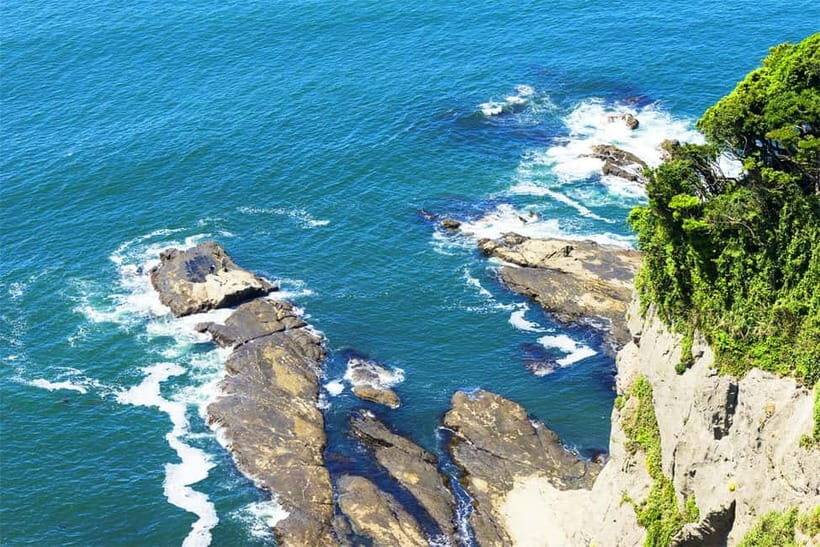
The day’s first “wow” factor is the Enoden segment. This isn’t a shiny commuter line—it’s the type of train ride that feels like a throwback. You get a scenic ride along the coast area, and the timing is short enough that you won’t feel stuck waiting.
Then you get off at Kamakura Koko-mae Station, where you can see the railroad crossing made famous by Slam Dunk. If you love the series, it’s one of those real-world moments where you stop and look around, because the view matches what you’ve seen in your head for years. Even if you’re not an anime person, it’s still a fun slice of everyday coastal Japan: small streets, tidy homes, and that tight “this is the real neighborhood” feeling.
If you want to make this moment smoother, aim to have your camera ready before you step off. This stop is about being quick, respectful, and present.
Enoshima Island: Shrines, Sea Myth, and the Money-Washing Water Dragon
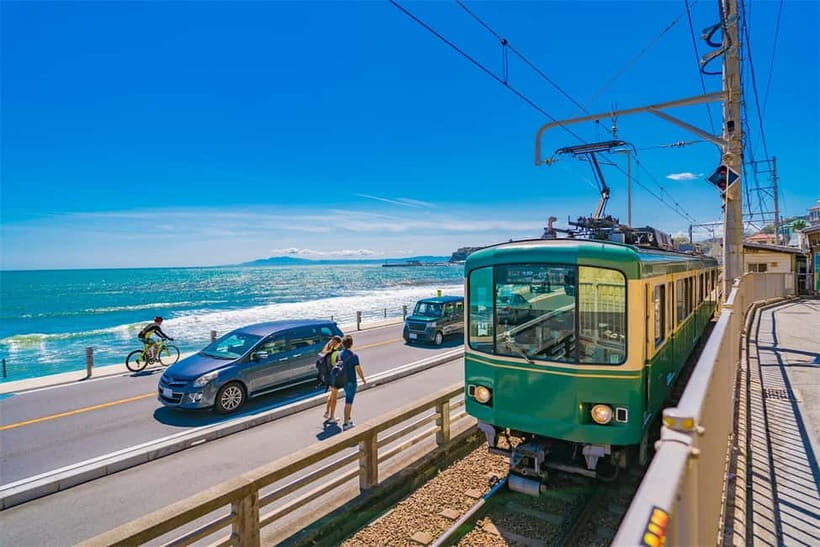
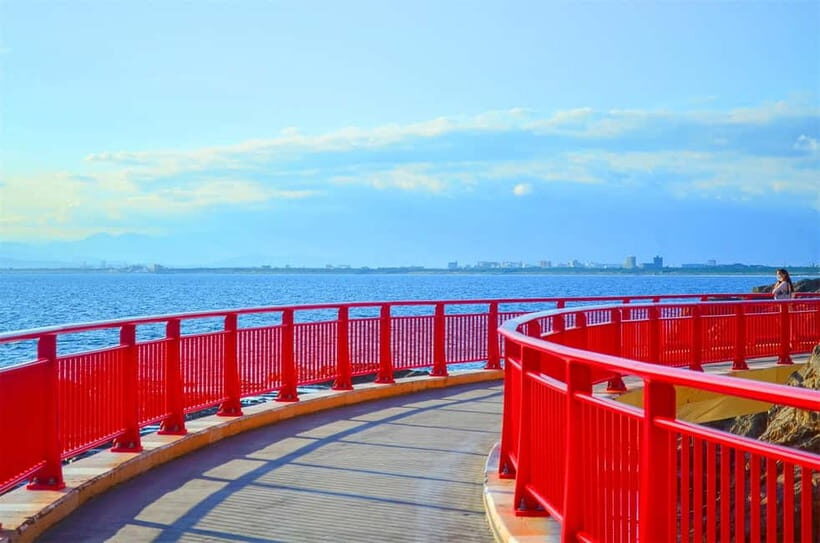
Enoshima is the kind of place where you can feel two things at once: tourist energy and genuine local spirituality. The tour gives you about 100 minutes for Enoshima Island time, which is enough to do the essential highlights if you’re moving with purpose.
You walk from the crossing area toward the island bridge route and get that classic sea-framed vibe right away. Enoshima is tied to a local legend about a five-headed dragon and a goddess who transforms the chaos into peace. You’ll see the island presented as myth-meets-reality, and it gives the sightseeing a storyline.
The big stop is Enoshima Shrine, founded in 552 AD. That early founding date is part of why the area feels rooted, even when it’s busy. You’ll also hear about the famous Money-Washing Water Dragon Shrine, where people wash coins for prosperity. It’s playful, and it’s also very “Japan”—a spiritual act you can actually participate in, not just observe.
A practical note: you’ll be on your feet. Bring your water, take breaks when needed, and don’t try to cram every shop and every staircase. With limited time, your goal should be to hit the shrine area and enjoy the sea views without sprinting.
Kamakura Koko-mae to Kamakura High School: Quick Photos, Real Locations
After Enoshima, you spend time around Kamakura Koko-mae for free exploration and sightseeing, plus a short panorama-style train experience that keeps the day flowing. There’s also a photo stop at Kamakura High School. This is the kind of stop that won’t be meaningful for everyone—but if anime memories matter to you, it can turn the entire day from sightseeing into something more personal.
Don’t treat these stops like deep sightseeing. Think of them as checkpoint moments: short, focused, and designed to keep the schedule on track. If you want longer photo time, you’ll have to work efficiently here so you don’t steal minutes from the shrine and street later.
Tsurugaoka Hachimangu: The Big Shrine Stop That Anchors the Day
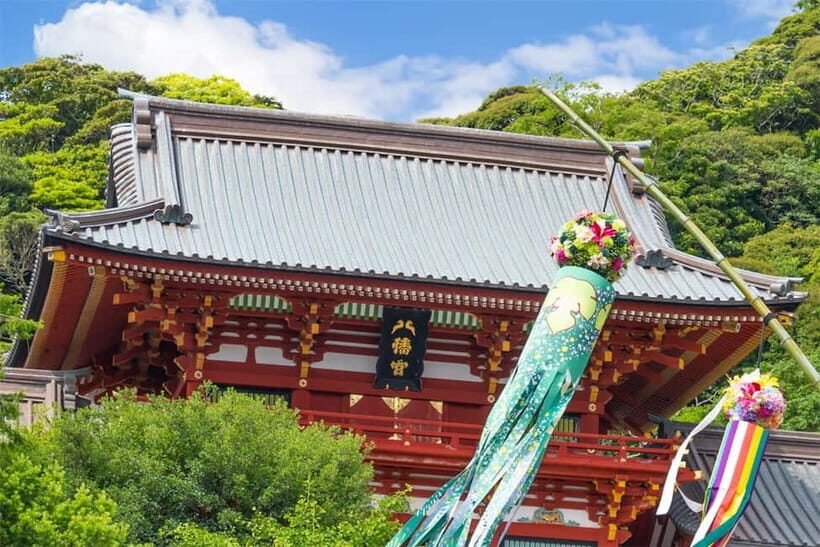
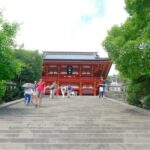
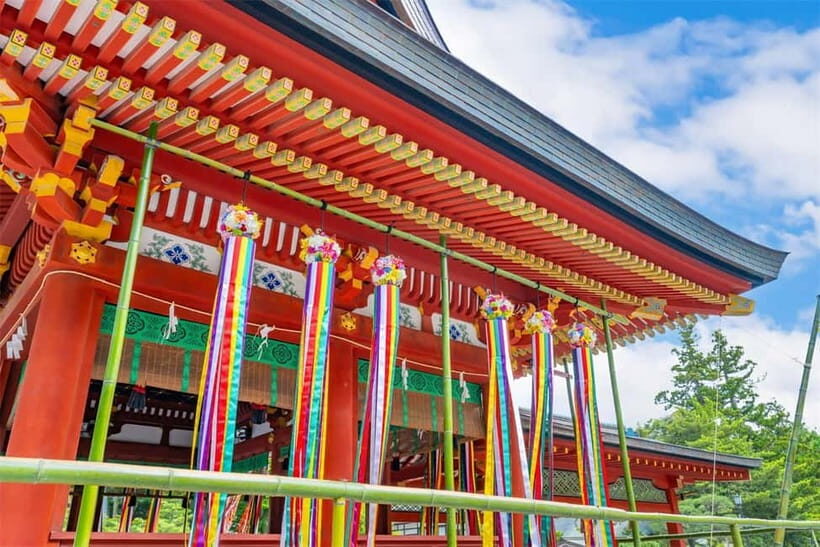
Kamakura’s center of gravity is Tsurugaoka Hachimangu Shrine, and the tour gives you around 80 minutes there with a guided component and a photo stop.
This is a major site: it’s deeply tied to samurai-era culture and is considered one of Japan’s Three Great Hachiman Shrines. In practical terms, that means you get more than one courtyard and a sense that the space is built for ceremonial movement—wide approaches, strong visual symmetry, and plenty of chances to pause and look up.
My advice: don’t rush the first area. Let your eyes settle. Once you do, it’s easier to appreciate the scale, because this isn’t just a single building you photograph and leave. It’s the atmosphere of the approach and the rhythm of the grounds.
Komachi Street: Snack Stops and Souvenirs Without the Planning
After the shrine time, you get a break at Komachi Street, with time for shopping and snacks on your own. This is where the day becomes flexible. You can walk at your pace, compare small shops, and pick up quick items without needing a map plan.
Komachi Street works best when you keep expectations realistic:
- Treat it as snack-and-souvenir time, not a full-on meal.
- Bring cash, since some small spots don’t take cards.
- If you’re sensitive to crowds, go a little slower and choose side lanes for photos.
This stop also helps balance the day. Temple time is structured; street time is personal.
Yokohama Night View Time: What You Can Do With Your Free Slot
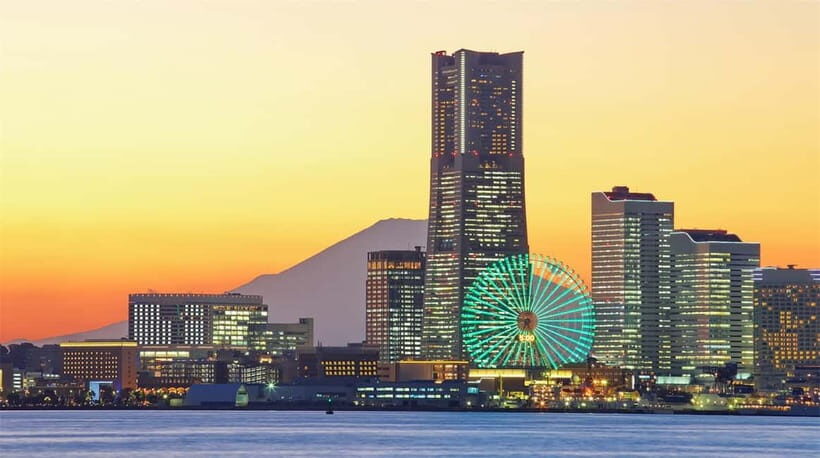
Yokohama is the finale, and it’s where the day shifts tone from historic Kamakura to modern harbor energy. You’ll arrive with a guided portion (around 2.5 hours) plus a photo stop at Yokohama Red Brick Warehouse area.
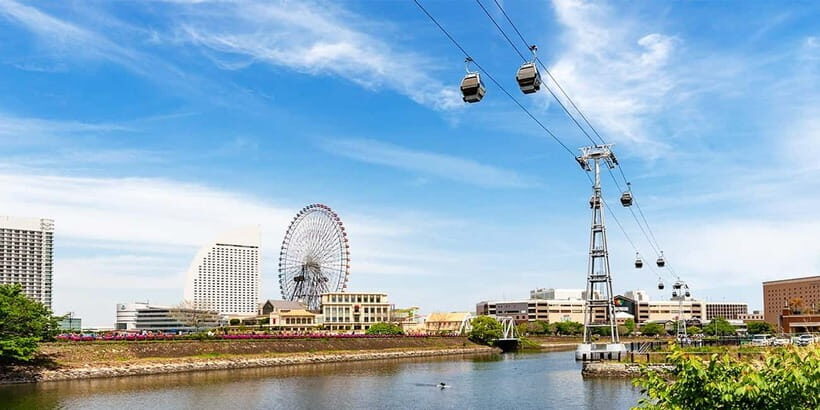
Here’s the key point: your options depend on what you want out of “night view.” The tour includes the Red Brick photo stop, but it does not include bigger paid night attractions like the Yokohama Air Cabin / ferris wheel.
So if your priority is an iconic skyline view, you’ll likely want to decide when you arrive in Yokohama:
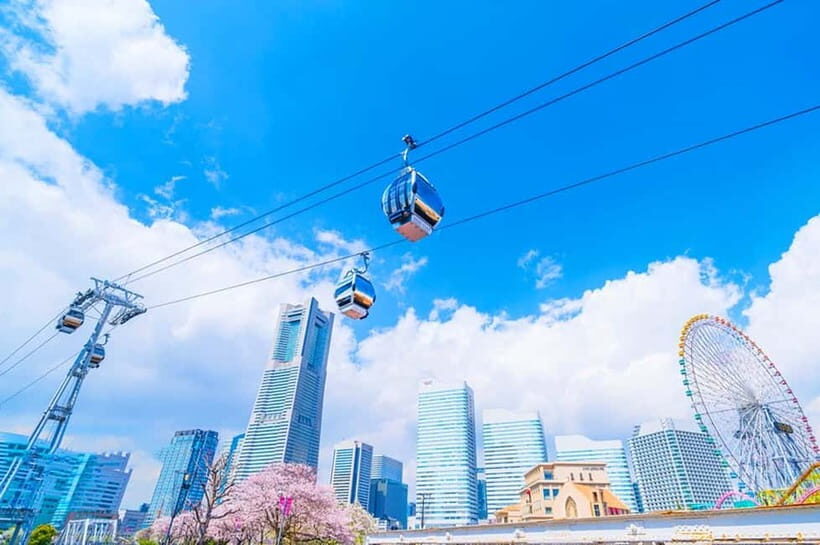
- If you want a major “from above” look, plan your time around the Air Cabin or ferris wheel (you’d pay separately).
- If you just want atmosphere, Red Brick area walking and photos may be enough.
Because the tour is only 10 hours, this is where people sometimes feel the schedule squeeze. You’re not stuck—you just need to choose your top one or two night-view goals before you set off.
How the Guide Quality Changes Everything (Especially If You Get KO)
The tour is built around a live guide, but the guide experience can vary depending on group size. If the group is under 13 people, the guide may also act as the driver, and the commentary can be more basic.
This matters because the “meaning” of certain stops—like the shrine connections, the Enoshima legend, and the anime location context—often comes from narration, not just signage. When a guide is active and talk-focused, the day feels smoother and more connected.
In the same way, a great guide can turn a practical shuttle day into a memorable story day. One guide name you might hear is KO, who has been described as informative and caring. If you’re lucky enough to get KO, lean into it: ask small questions while you’re moving between stops. That’s usually when you’ll get the best answers.
Price and Value: $82 for a Packed Coast-to-Harbor Day
At $82 per person for a 10-hour day, this price can be fair—if you value the included parts:
- Tour guide and driver
- Pickup and drop-off at the designated point
- Included Enoden train ride admission
Meals aren’t included, and personal expenses aren’t included either, so factor in at least snacks and water stops. Paid add-ons in Yokohama (like the Air Cabin/ferris wheel) are also on you.
To judge value yourself, ask: do you want someone to handle the route and timing, while you focus on photos and sightseeing? If yes, $82 becomes a bargain compared to paying for separate transport planning and dealing with transfers alone. If you’re the type who loves unscripted exploration and hates fixed time blocks, then the cost won’t feel as “efficient,” even if the sites are excellent.
What to Watch Out For: Timing, Weather, and the Crowd/Walk Factor
Three realistic constraints can shape your day.
1) Walking adds up. Enoshima and Kamakura sites involve stairs and uneven walking in places. Comfortable shoes are not optional.
2) Traffic and weather can shift returns. The return time might run later if there’s bad weather, traffic, or holiday congestion. That can reduce time at stops, change the flow, or even lead to cancellations depending on conditions. If your evening plans are strict, leave some breathing room after the tour.
3) It’s shared with multiple countries and multiple languages. The guide offers explanations in English, Japanese, and Chinese. If you want maximum individualized attention, group tours limit that. Still, you’ll get the main highlights in a way you can follow.
Who This Tour Fits Best (And Who Should Skip It)
This tour is best for:
- Anime fans who want real-life Slam Dunk location time without building the plan yourself.
- People who like “organized sightseeing” in Japan, especially for shrine visits.
- First-timers who want a coast-and-city contrast: Kamakura and Enoshima by day, Yokohama nights to close.
It may not be ideal if:
- You need wheelchair-friendly access (the tour is not suitable for wheelchair users).
- You want a slow pace and lots of free roaming time.
- You get cranky when the day includes long bus segments. Some time is always spent on road travel, and it’s part of the design.
Should You Book This Tokyo–Yokohama Night View Tour?
I’d book it if your ideal day looks like this: a guided route, a memorable train ride, shrine time you don’t have to research, quick street snacks, and a chance to finish in Yokohama as the lights come on.
I’d hesitate if night-view add-ons are your top priority, because the tour doesn’t include the bigger paid attractions and the free time can feel tight. Also, if you know you need nonstop commentary, remember that small-group situations can lead to more basic narration.
If you go in with a simple plan—Enoden crossing, Enoshima shrine stops, Tsurugaoka Hachimangu, then pick one Yokohama night-view goal—you’ll get a day that feels like a real coastal story, not just a route on paper.
FAQ
Where is the meeting point, and what time does the tour start?
You meet at Tokyo MODE GAKUEN at 1-7-3 Nishi-shinjuku, Shinjuku-ku, Tokyo 160-0023. The departure time is 11:00am.
How long is the tour?
The tour duration is 10 hours.
What languages is the live guide available in?
The tour provides live tour guide support in English, Japanese, and Chinese.
Is the Enoden train ride included?
Yes. Admission to the Enoden train ride is included.
Is the Yokohama Air Cabin or ferris wheel included?
No. Yokohama Air Cabin/ferris wheel access is not included.
What should I bring?
Bring comfortable shoes, a camera, sunscreen, and water. It’s also suggested to bring some cash.
What if the weather or traffic causes delays?
Return time might be later than planned. That can lead to less time at attractions, itinerary changes, or cancellations, so it helps to keep your schedule open after the tour.