REVIEW · FUJISAWA
Kamakura and Enoshima: Private Guided Day Tour with Vehicle
Book on GetYourGuide →Operated by Nippon Tour · Bookable on GetYourGuide
Kamakura and Enoshima feel like two different worlds in one day. You get iconic temples and coast views plus a private vehicle that keeps the day relaxed instead of stressful. My favorite part is how the route mixes big-name sights with quieter stops, and you also have a guide to explain the meaning behind what you’re seeing. One thing to keep in mind: you’ll still do plenty of walking and climbing, especially around the Sea Candle area, so comfy shoes matter.
If you want a day where someone else handles timing, parking, and logistics, this tour is built for you. The English-speaking guide gives context at each stop, and there’s usually room for lunch recommendations and breaks so the trip doesn’t feel like a check-the-box marathon.
The biggest “watch out” isn’t the sights. It’s execution. A small number of past bookings reported serious issues like a driver no-show or unreachable phone numbers. That’s not the norm from the overall tone of results, but it’s worth taking seriously—save your local contact details and reconfirm day-of pickup.
In This Review
- Key highlights worth planning for
- Why Kamakura + Enoshima in one day makes sense
- Getting picked up in Tokyo without the stress
- Kōtoku-in and the Great Buddha: what to notice
- Hase-dera Temple: gardens, Kannon, and coastal atmosphere
- Tsurugaoka Hachimangu Shrine and cherry blossoms in season
- The heart of Enoshima: Sea Candle for Mount Fuji views
- Enoshima time for shopping and snacks: Komachi-dōri
- Hokokuji bamboo forest and tea ceremony: a calmer reset
- Pacing, crowds, and how to make the day feel easy
- Cost and value: what’s included and what to budget
- Reliability check: how to reduce the risk of day-of issues
- Who should book this tour (and who might skip it)
- Should you book the Kamakura and Enoshima private guided day tour with vehicle?
- FAQ
- How long is the Kamakura and Enoshima private guided tour?
- Is this tour private or shared?
- What’s included in the price?
- Are temple and shrine entry fees included?
- Where does the tour start and end?
- Is the tour guide English-speaking?
- What should I bring?
Key highlights worth planning for
- Great Buddha at Kōtoku-in: an instantly recognizable bronze statue, plus an easy photo stop to start strong
- Hase-dera’s Kannon and garden views: temple atmosphere with coastline scenery to match
- Tsurugaoka Hachimangu Shrine: the kind of place where spring cherry blossoms look natural, not staged
- Enoshima’s Sea Candle climb: top views that can include Mount Fuji on clear days
- Caves and myths at Ebisu Cave: a more playful, story-driven side of the island
- Food and tea breaks: Komachi-dōri street time, plus a Hokokuji bamboo forest and tea ceremony slot
Why Kamakura + Enoshima in one day makes sense
Kamakura is packed with landmark Buddhism and Shinto sites. Enoshima is all about sea air, coastal paths, and that island feeling you can’t fake. Doing both together works because they’re close enough to connect by short drives, but different enough to keep the day from feeling repetitive.
Also, you get something important: continuity. Kamakura gives you the historical gravity—shrines, temples, and the famous Great Buddha. Enoshima then lightens the tone with caves, viewpoints, and casual coastal wandering. A private guide helps you connect the dots so it doesn’t feel like a list of attractions.
One more practical point: this is the kind of day where public transit can be doable but not especially fun. With a private vehicle, you can spend your energy on walking and photos instead of transfers.
You can also read our reviews of more tours and experiences in Fujisawa.
Getting picked up in Tokyo without the stress
The tour starts with hotel pickup in Tokyo and returns you back to Tokyo. That matters more than it sounds. Tokyo-to-Kamakura travel isn’t hard, but it can be time-consuming if you’re managing trains, stairs, and luggage-like bags for water and snacks.
Here’s what you’ll likely appreciate:
- A private car takes you between major areas with less friction.
- You get bottled water included, which is helpful in Japan’s changing weather.
- Parking fees are covered, so you’re not hunting for where to leave the car.
The tour is listed as wheelchair accessible. That’s good news, but you should still think about real-world movement: temples and Enoshima terrain can include steps and slopes. If you’re bringing a wheelchair or mobility aids, I’d suggest confirming what portions of each stop are easiest to reach.
Kōtoku-in and the Great Buddha: what to notice
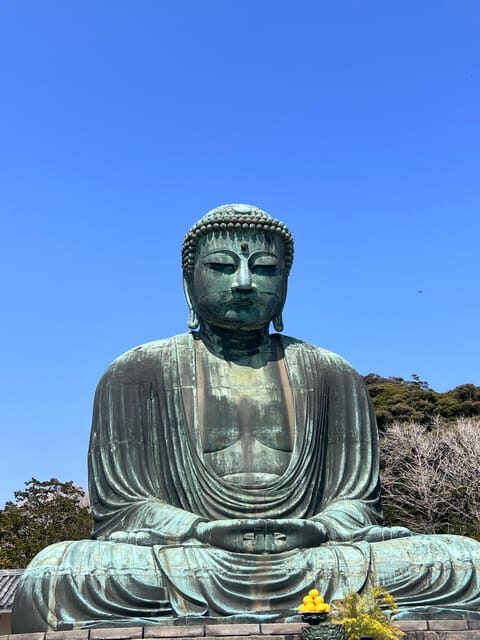
The day kicks off at Kōtoku-in for a photo stop and guided look at the Great Buddha statue. This is the kind of sight where you don’t need a speech—you just need a moment.
A few things that make this stop satisfying:
- The statue is huge—13.35 meters tall—so even close to it, it feels monumental.
- It’s an early win. You’re not starting your day exhausted or stuck at a complicated location.
- Your guide’s explanations help you understand why this image became so iconic for Kamakura.
Timing note: because it’s a guided photo stop, you shouldn’t expect it to turn into a long wandering session. The goal is to hit the highlight, learn the context, and move on—smart pacing for a 10-hour day.
Entry to Kotoku-in is not included (300 yen), so if you budget ahead, you’ll avoid any last-minute confusion.
Hase-dera Temple: gardens, Kannon, and coastal atmosphere
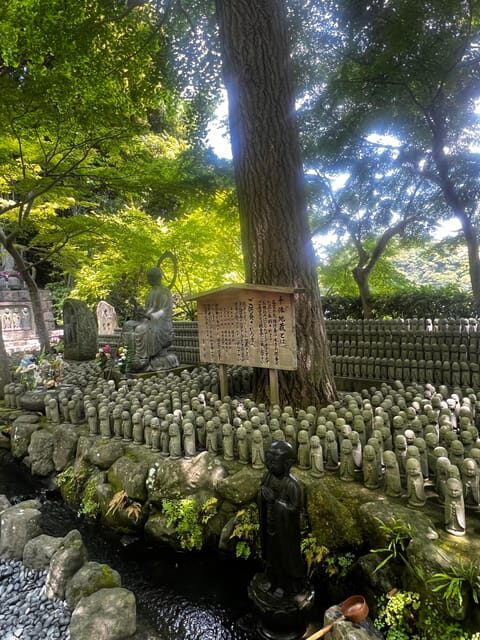
Next comes Hase-dera, one of those temples that rewards slow steps. You’ll get about an hour here, with guided touring and walking.
This is where the tour becomes more than photos. Hase-dera is known for:
- Its temple gardens and the way they frame scenery.
- A major highlight: a large wooden statue of Kannon, the goddess of mercy.
What I like about including Hase-dera in a private day is that the guide can point out details you might miss when you’re self-guided. Even if you’re not a temple expert, you’ll come away with a clearer sense of what you’re looking at and why people treat it as a must-see.
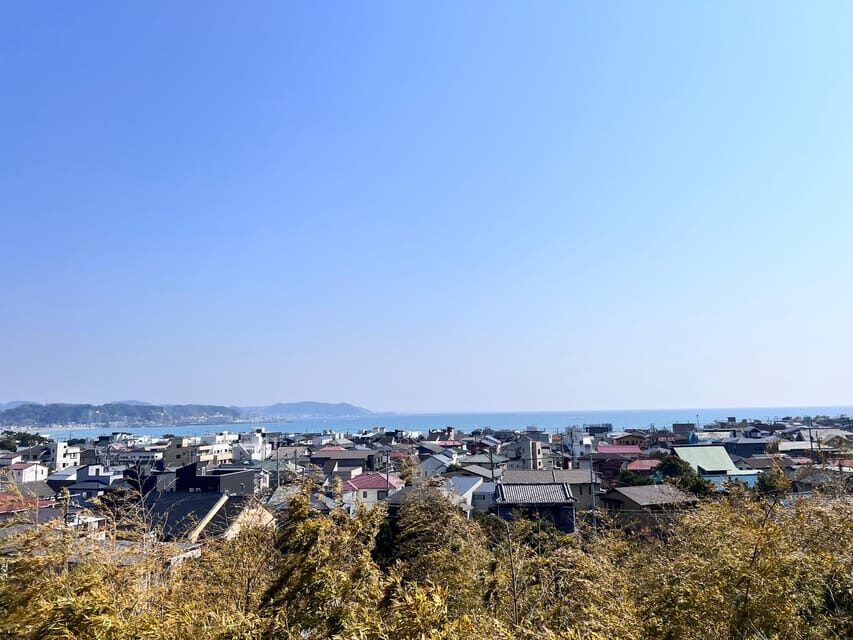
Also, the temple is famous for coastal views. On a clear day, it feels like you’re looking out from a calm spiritual space rather than just standing near a cliff. That combination is a big reason this stop works so well in the itinerary.
Entry to Hase-dera isn’t included (400 yen), so keep a little cash ready.
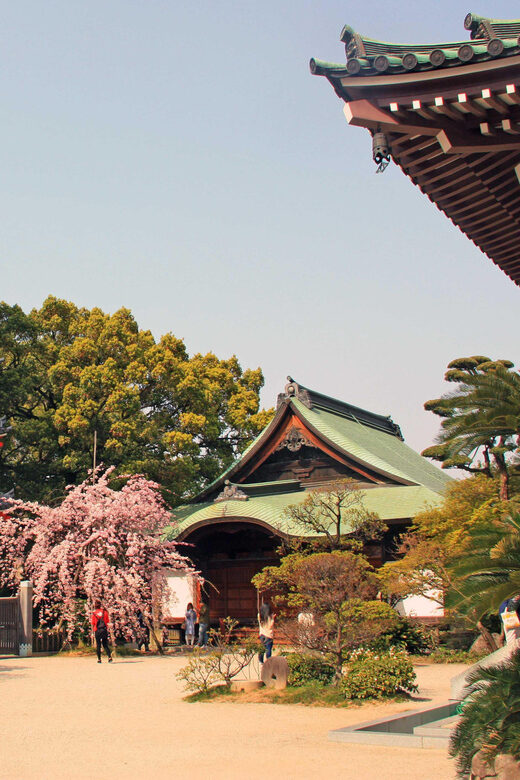
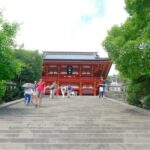
Tsurugaoka Hachimangu Shrine and cherry blossoms in season
After Hase-dera, you head to Tsurugaoka Hachimangu Shrine. This stop is structured for photos and a guided walk—about an hour total.
Why it’s worth your time:
- It’s one of Kamakura’s most important shrines.
- In spring, the cherry blossoms make the shrine grounds look like they belong together. The blossoms aren’t just decoration; they frame the whole experience.
- The guide can connect shrine customs to what you see, so the visit feels meaningful rather than purely visual.
Even outside peak blossoms, this shrine has a built-in sense of place. It’s a reminder that Kamakura isn’t only about one famous statue—it’s also about living traditions.
If you’re visiting during a popular season, a private guide helps with flow. You’ll still see crowds, but your time won’t evaporate while you’re figuring out where to go next.
The heart of Enoshima: Sea Candle for Mount Fuji views
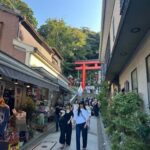
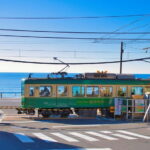
Then it’s off to Enoshima, where the vibe shifts to sea air and coastal walking. Expect about two hours of guided exploring, plus additional free time later.
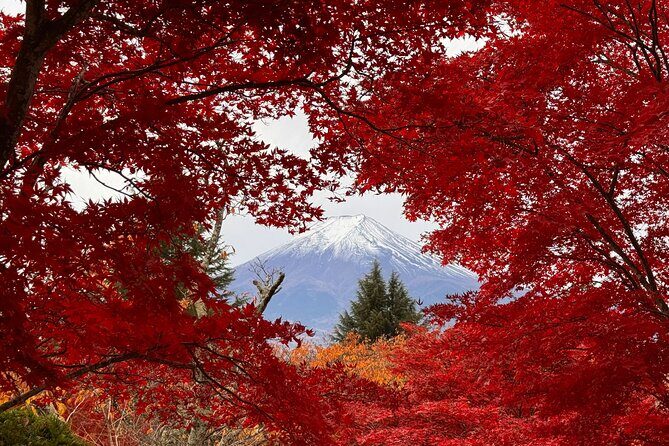
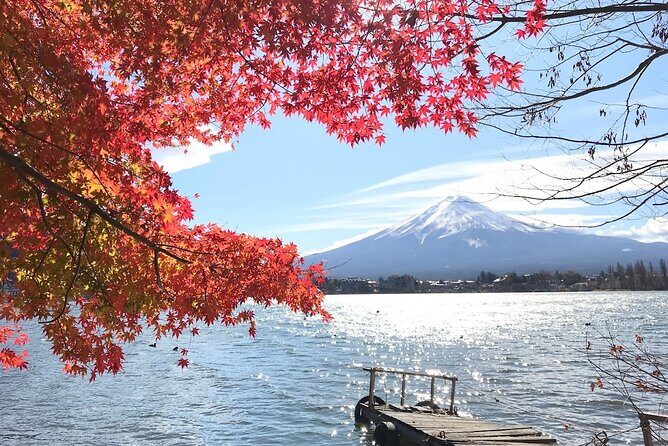
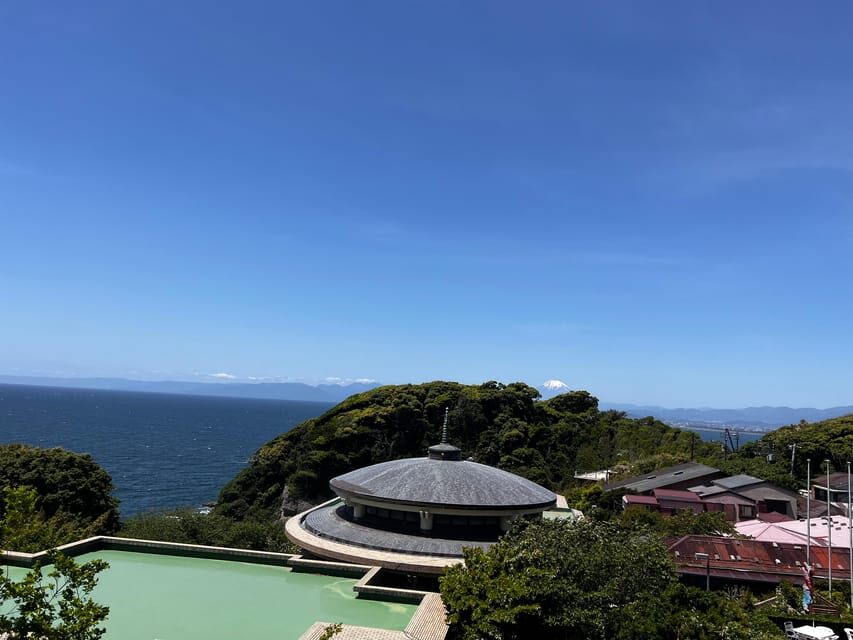
A key highlight is the Enoshima Sea Candle (the lighthouse). You’ll climb to the top, and on clear days you can get panoramic views that may include Mount Fuji. That “may” matters. Even with the best forecast, weather decides. Still, it’s a strong payoff when visibility is good.
What you should plan for:
- This is a viewpoint climb, so take it at your own pace.
- Bring sunscreen and water. The coast can feel brighter and warmer than you expect.
Before or after the Sea Candle climb, you’ll also visit Enoshima Shrine and explore caves. The tour includes Ebisu Cave, which adds a myth-and-story element to the island walk. Caves can be cool and a bit damp, so if you’re sensitive to temperature shifts, expect that.
The best part of Enoshima in a guided format is simple: the guide can give you the stories tied to each spot. That turns the caves and shrines from “interesting” into “I get why this matters here.”
Enoshima time for shopping and snacks: Komachi-dōri
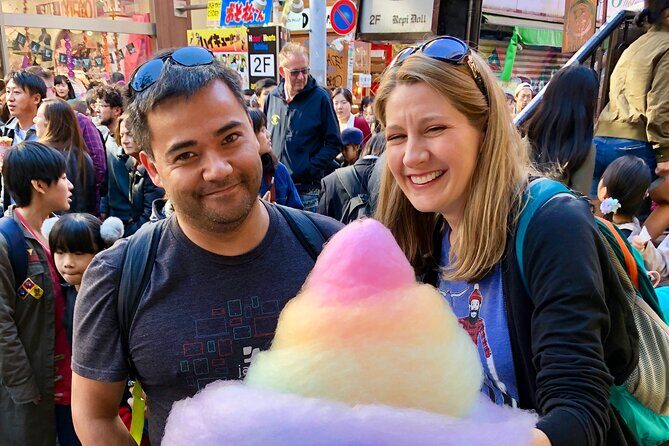
Back in the Kamakura area, there’s a block of time for Komachi-dōri Street. This is your chance to slow down and browse—street food, shopping, and some free time.
Komachi-dōri works well in this tour because it balances the heavier spiritual sites earlier. You can pick a snack instead of forcing a full sit-down lunch. You’re also close enough to the day’s main flow that it doesn’t feel like you’ve been sent far away.
If you like street food, this is where you’ll actually enjoy it rather than just carry a paper bag like a tourist trophy. If you’re less into shopping, you can treat this as a flexible reset: a place to recharge your legs and get something quick before the next shrine or photo stop.
Hokokuji bamboo forest and tea ceremony: a calmer reset
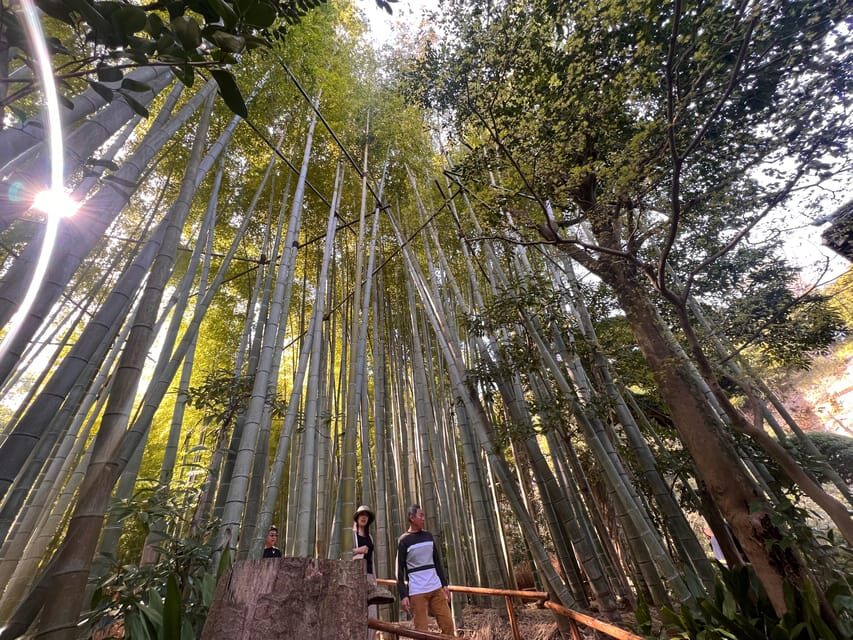
One of the route stops includes Hokokuji Bamboo Forest with a guided photo stop and a tea ceremony slot.
This is the kind of stop that turns a busy day into a more human-feeling experience. Even if you’ve seen bamboo forests elsewhere, the tea ceremony component changes the pace. You’ll get a structured break, which is honestly what a long day like this needs.
A practical caution: bamboo and temple timing can be tight within a 10-hour schedule. If the bamboo forest is on your personal must-see list, I’d make sure you ask your guide to keep that segment protected and not cut short.
Entry to Hokoku-ji is not included (400 yen). It’s a small fee, but it’s still a fee—budget for it.
Pacing, crowds, and how to make the day feel easy
This tour runs about 10 hours. That means you’ll see a lot, but it also means your energy has to be managed. With a private guide, you’re not stuck in a big group line, which helps. Still, you’ll do repeated walking between stops.
Here’s how to make it feel smoother:
- Start with comfortable shoes and plan for steps and uneven terrain.
- Take photos quickly when you can, then spend time listening to the guide in the spots that need context (Great Buddha, Hase-dera, shrines).
- If it’s a hot day, protect your pace on the Sea Candle climb.
The guide typically provides lunch recommendations and there’s usually an option to stop for food. That flexibility is valuable because you can aim for what you’re craving—fresh seafood or traditional Japanese cuisine, depending on the day and your preferences.
One more small tip from real-world experience: bring sunscreen even if the forecast looks mild. Coastal glare plus temple shade breaks can confuse your sense of heat.
Cost and value: what’s included and what to budget
Price is $483 per group up to 6, which works out best when you’re traveling with at least a couple of people. If you’re solo, it can feel pricey compared with public transit. But you’re paying for:
- Hotel pickup and drop-off
- A private vehicle
- An English-speaking guide
- Bottled water
- Parking fees
Then you budget separately for entries:
- Kotoku-in: 300 yen (not included)
- Hase-dera: 400 yen (not included)
- Hokoku-ji: 400 yen (not included)
The value question is really about how you travel. If you enjoy having someone explain what you’re seeing and you don’t want to wrestle with transit and connections, this tour can feel like a smart trade. If you’re traveling like a fast-moving “see everything” backpacker, you might prefer DIY—but then you lose the comfort factor and the storytelling.
Also worth noting: there’s a strong chance you’ll get an excellent driver-guide experience. One named guide highlighted in past feedback is Taka, praised for clear explanations about Japanese culture. Another positive theme is the comfort of the car and the friendliness of the guide/driver pairing.
Reliability check: how to reduce the risk of day-of issues
Most signs point toward a well-run private outing: friendly guide energy, comfy car, and good planning that avoids rushing.
Still, the low rating stories include serious problems like a driver not showing up. I don’t want to scare you off—just make you smarter.
To reduce risk:
- Keep your confirmation details handy.
- Save the provider’s contact method before you leave your hotel.
- Be ready to call or message early on the day of pickup, not after you’ve missed your window.
Private tours should work smoothly. A little proactive checking goes a long way.
Who should book this tour (and who might skip it)
This is a great fit if you:
- Want a guided day that pairs history with coastal scenery.
- Care about having an English-speaking person explain temple and shrine context.
- Prefer comfort—private vehicle, parking handled, pickup/drop-off included.
It’s also a solid choice if you’re visiting spring for the cherry blossoms at Tsurugaoka Hachimangu. That seasonal element is built into the experience.
You might want to skip or choose a different format if you:
- Want total freedom to set your own pace and skip climbs.
- Are comfortable navigating train schedules and transfers for this route.
- Have limited mobility and aren’t sure how easily you can manage temple steps and the Sea Candle area.
Should you book the Kamakura and Enoshima private guided day tour with vehicle?
If you want an efficient, guided way to see Kamakura’s big spiritual highlights and Enoshima’s sea-and-view payoff, I think this is a strong booking. The private vehicle and English guide are the real drivers of value here. You’re not just sightseeing—you’re getting the meaning behind the sites, plus built-in breaks for food, bamboo, and tea.
I’d recommend it especially if you’re traveling in a small group up to 6 and you’d rather pay for convenience than stress about transit. If you’re the type who loves wandering markets and then getting clear viewpoints without figuring out every turn, you’ll likely enjoy the flow.
Just be a little cautious about pickup reliability. Confirm day-of and keep contact details accessible. Do that, and you’ll set yourself up for the kind of day where Kamakura and Enoshima feel connected, not chopped into unrelated stops.
FAQ
How long is the Kamakura and Enoshima private guided tour?
The tour duration is 10 hours.
Is this tour private or shared?
It’s a private group tour.
What’s included in the price?
Included are hotel pickup and drop-off, a private vehicle, an English-speaking guide, bottled water, and parking fees.
Are temple and shrine entry fees included?
No. Entry fees are listed separately: Kotoku-in (300 yen), Hase-dera (400 yen), and Hokoku-ji (400 yen).
Where does the tour start and end?
Pickup is from your hotel in Tokyo, and the tour returns you back to Tokyo.
Is the tour guide English-speaking?
Yes, the live tour guide is listed as English.
What should I bring?
You should bring comfortable shoes, a camera, and sunscreen.