REVIEW · FUJISAWA
Enoshima Aquarium: Admission Ticket
Book on GetYourGuide →Operated by LINKTIVITY Inc. · Bookable on GetYourGuide
Marine life has a way of slowing you down. This Enoshima Aquarium ticket is organized around Sagami Bay and the Pacific Ocean, so you follow a clear story from shore to sea.
I love that the route spotlights jellyfish and deep-sea creatures, with plenty to look at beyond the usual fish-in-tanks setup. I also like the interactive learning style, with explanations and programs that aim for surprise and even a little healing energy.
The main thing to plan for is timing: hours can shift for holidays and special events, and admission can be limited when it gets crowded.
In This Review
- Key things I’d plan for before you go
- One-day Enoshima Aquarium: what your $18 ticket really gets you
- Entering from the stations: how to get there without stress
- The exhibit route: Sagami Bay to jellyfish to the deep ocean
- Sagami Bay exhibits: your starting point
- Deep-sea creatures: where the ocean gets harder to picture
- Jellyfish area: the crowd-pleaser with learning built in
- Marine animals and explanations: keep an eye on the flow
- The fun learning part: shows, programs, and interactive moments
- Seasonal exhibits and temporary events: plan for a visit that changes
- Timing and crowding: how to avoid the day getting cut short
- Getting your visit to feel smooth: luggage, lockers, photos, and gear
- Luggage and lockers
- Flash photography and picture-taking rules
- Wheelchair access
- Price and value: is $18 worth it for a one-day visit?
- Who should book an Enoshima Aquarium ticket (and who might not need it)
- Should you book this Enoshima Aquarium admission ticket?
- FAQ
- Where is Enoshima Aquarium, and which station is closest?
- What are the opening hours?
- How much does the admission ticket cost?
- What’s included with the ticket?
- What will I see first when I enter?
- What’s the overall flow of exhibits?
- Are seasonal exhibits and temporary events included?
- Can I bring large luggage inside?
- Are flash photos, tripods, or selfie sticks allowed?
- Is it refundable, and is the venue wheelchair accessible?
Key things I’d plan for before you go
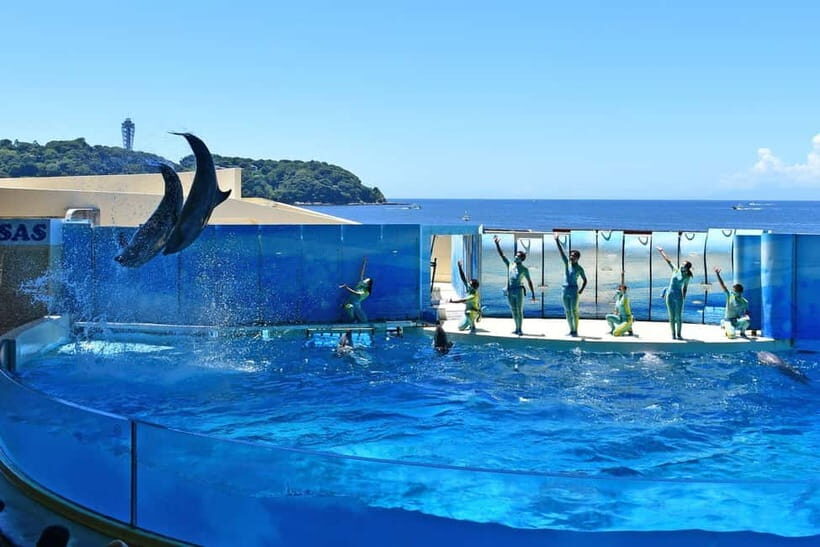
- Sagami Bay first: The aquarium starts with Sagami Bay-themed exhibits, then moves deeper into Pacific habitats.
- Deep-sea + jellyfish focus: Expect standout areas for deep-sea creatures and jellyfish.
- Learning through shows and programs: Explanations and activities are built into the visit, not stuck at the end.
- Seasonal exhibits and temporary events: Your visit can feel different depending on the time of year.
- Photo and gear rules: Flash is restricted in some exhibit areas, and tripods/selfie sticks may be limited at busy times.
One-day Enoshima Aquarium: what your $18 ticket really gets you
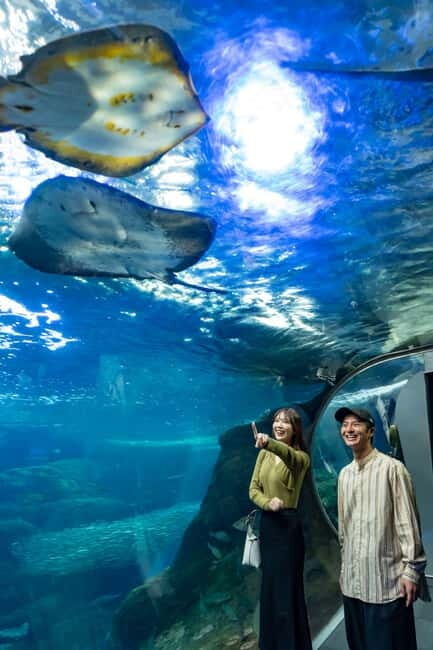
This is a straightforward deal: one day of admission to Enoshima Aquarium for $18 per person (price can be a little sensitive in Japan, so it helps to make that day count). If you’re thinking this is just “walk in, look at fish,” you’ll be missing the point. The aquarium is themed around the Pacific Ocean and the life that connects everything from shore zones to deeper waters.
The value is in the experience flow. You don’t wander randomly. You move through themed sections: Sagami Bay, then deep-sea displays, then jellyfish, then more marine animals tied to the idea of how ecosystems connect.
If you have kids, this kind of structured storytelling tends to work well. If you’re traveling solo or as a couple, it gives your visit momentum: you always know what you’re heading toward next, and you’re not stuck guessing whether you should keep walking.
Also, the aquarium runs daily, with hours that change by season, which makes it easy to plug into a typical Japan itinerary.
You can also read our reviews of more tours and experiences in Fujisawa.
Entering from the stations: how to get there without stress
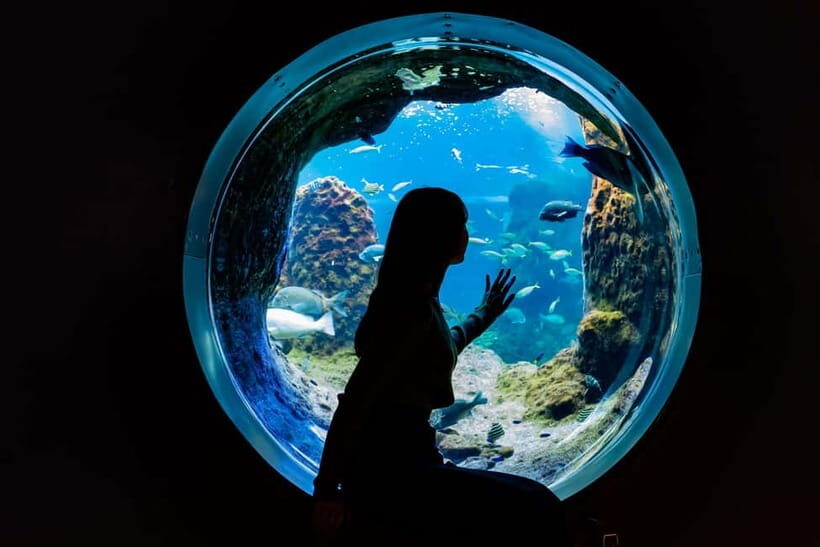
Enoshima Aquarium is easy to reach once you pick your rail line. It sits in a convenient range of multiple stations, so you can usually choose the one that matches your day’s transit plan.
Here are the walk times you can plan around:
- About 3 minutes on foot from Katase Enoshima Station (Odakyu Enoshima Line)
- About 10 minutes from Enoshima Station (Enoshima Dentetsu Line)
- About 10 minutes from Shonan Enoshima Station (Shonan Monorail Line)
That short Katase Enoshima option is especially nice if you want to arrive close to opening time. In a place where crowds can affect admission and movement, getting in earlier can mean less friction.
The exhibit route: Sagami Bay to jellyfish to the deep ocean
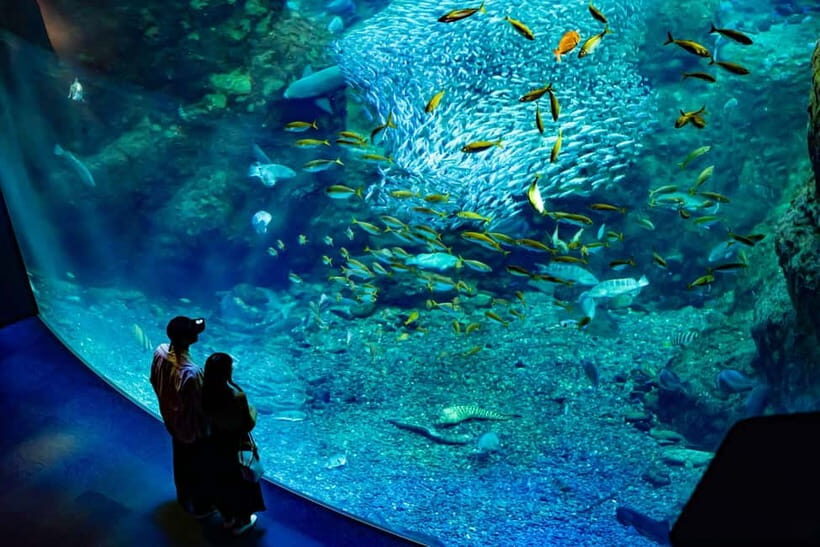
When you enter, you’ll get the Sagami Bay focus first. That matters more than it sounds, because it sets the aquarium’s “map” of marine life in your head. After that foundation, the other sections feel like they’re building a picture, not just stacking tanks.
Sagami Bay exhibits: your starting point
The aquarium’s themes revolve around the sea near Enoshima: the Pacific Ocean’s life close to shore. This early stretch is a good moment to reset your expectations. You’ll start seeing a variety of marine animals and explanations that connect the life you’re seeing with its environment.
Deep-sea creatures: where the ocean gets harder to picture
Next comes the deep-sea section. Even if you don’t know the science, the deep-sea theme helps you slow down. It pushes your attention toward how different ocean conditions change what can live there.
This is one of the reasons I think this aquarium works as more than entertainment. It turns the ocean from an abstract idea into something you can actually visualize.


Jellyfish area: the crowd-pleaser with learning built in
Then you’ll reach the jellyfish portion. Jellyfish are often treated like a “pretty filler” in some attractions. Here, the jellyfish segment fits the aquarium’s wider goal: showing how different ocean environments relate to each other.
If you like watching animals behave, jellyfish are a great stop because the motion keeps pulling your attention back.
Marine animals and explanations: keep an eye on the flow
After those headline sections, you’ll move through more marine life displays. The overall feel is educational but not preachy, with explanations and programs woven into the visit.
The aquarium also leans into atmosphere. The experience is designed around excitement and healing, which is a fancy way of saying: it tries to be calming and fun at the same time. That can be a real benefit if you’re also doing lots of walking and sightseeing that day.
The fun learning part: shows, programs, and interactive moments
One of the biggest practical wins is that learning isn’t only posted on placards. There are explanations, shows, and programs that invite you to interact with marine creatures in supported ways.
You’ll see this reflected in the structure:
- you move through themed areas
- then you hit explanation points and activities built around what you just saw
- then you carry that understanding into the next section
That’s a smart design for a one-day ticket. You don’t need to plan a whole school-like schedule. You just follow the route, and the aquarium keeps nudging you to notice details.
Also, if you’re traveling with someone who thinks aquariums are boring, this is where you can win them over. Interactive programs tend to break the “just looking at glass walls” feeling.
Seasonal exhibits and temporary events: plan for a visit that changes
Enoshima Aquarium runs seasonal exhibits and temporary events, so your experience can vary by month. That’s great if you’re a repeat visitor type, and it’s still useful if you’re only in town once: it means you should check what’s on during your dates.
Practically, this also affects timing. Special events can change operations, and that’s not a reason to skip the aquarium. It’s a reason to arrive with enough flexibility that a schedule hiccup won’t ruin your whole day.
Timing and crowding: how to avoid the day getting cut short
Crowds can matter here. Admission can be restricted due to crowding, and the aquarium hours can change during spring holidays, summer holidays, and year-end and New Year periods.
One more real-world consideration: special events can shorten the effective visiting window. If you’re traveling around busy periods, you should treat your plan as time-sensitive rather than guaranteed.
What you can do:
- arrive earlier in the day when possible
- don’t schedule an ultra-tight connection right after your visit
- keep an eye on current operating hours before you go
This is the kind of attraction where being late can mean missing the last sections, not just arriving after a lineup.
Getting your visit to feel smooth: luggage, lockers, photos, and gear
This aquarium is visitor-friendly, but there are a few rules that can save you hassle.
Luggage and lockers
- No large/long luggage inside.
- Coin lockers are available on the 2nd floor (paid).
If you’re traveling with a big suitcase, plan to use lockers. It’ll keep your experience calmer and easier, especially in tight corridors.
Flash photography and picture-taking rules
Flash photography is prohibited in some exhibit areas. If you want photos, keep your camera settings ready and assume you’ll be shooting without flash in those zones.
Tripods and selfie sticks may also be restricted during busy times. If you’re bringing photo gear, keep it simple and be ready to store or limit it if staff ask.
Wheelchair access
The aquarium is wheelchair accessible, and it’s set up for visitors who need mobility support. For a smoother experience, go early and leave extra time for any slower navigation through busier areas.
Price and value: is $18 worth it for a one-day visit?
For $18, you’re paying for a themed, structured walk through marine life with learning programs. The value is best if you actually use the aquarium like it’s meant to be used: go in expecting a route, not a single highlight.
Here’s how I’d judge it:
- If you enjoy animals and want a calm indoor change of pace, it’s a fair spend for one day.
- If you’re the type who reads explanations and likes animal behavior, you’ll get more out of the experience.
- If you’re expecting a full-day “only aquarium” itinerary with no other stops, it might feel short. In that case, pair it with Enoshima sightseeing outside the aquarium.
The strong part is the variety: Sagami Bay, deep-sea creatures, jellyfish, and multiple marine animal areas. Plus, seasonal exhibits and temporary events give you a reason to check what’s on during your exact travel dates.
Also, this ticket is scored at 4.4 out of 5 based on 14 ratings, which hints that most people feel the exhibits are good. The main reported complaint is not the animals—it’s timing on a day with special closings.
Who should book an Enoshima Aquarium ticket (and who might not need it)
This is a great match if you:
- want a structured aquarium visit with themed sections
- like jellyfish or deep-sea displays
- want a rainy-day option in Honshu
- are traveling with kids who do well with hands-on or guided-style activities
You might think twice if:
- you hate any chance of schedule disruption and want absolute certainty about timing
- you’re only looking for a single quick photo stop
- you’re visiting during the busiest holiday windows and can’t be flexible
If you can be flexible and treat the aquarium as your “anchor activity” for the day, you’ll likely enjoy it more.
Should you book this Enoshima Aquarium admission ticket?
Yes, if you want a well-organized aquarium focused on Sagami Bay and Pacific marine life, plus jellyfish and deep-sea sections with shows and programs. The $18 price lands in a reasonable zone when you use the visit as designed: follow the themed route, take in the explanations, and plan for possible crowd timing.
If you’re going during peak holiday periods or you’re very schedule-tight, book it only if you can arrive early and stay adaptable. That one timing caution matters more than the cost.
In short: if you want a calm, marine-themed day with learning built in, this ticket is a solid choice.
FAQ
Where is Enoshima Aquarium, and which station is closest?
It’s about a 3-minute walk from Katase Enoshima Station (Odakyu Enoshima Line). It’s also about a 10-minute walk from Enoshima Station (Enoshima Dentetsu Line) and about a 10-minute walk from Shonan Enoshima Station (Shonan Monorail Line).
What are the opening hours?
For March–November, it’s open 09:00–17:00. For December–February, it’s open 10:00–17:00. Hours can change for spring holidays, summer holidays, year-end and New Year holidays, and events.
How much does the admission ticket cost?
The price is $18 per person, and the ticket is valid for 1 day.
What’s included with the ticket?
Your admission to Enoshima Aquarium is included.
What will I see first when I enter?
The visit starts with exhibits focusing on Sagami Bay.
What’s the overall flow of exhibits?
After Sagami Bay, you can expect sections focused on the deep sea, jellyfish, and other marine animals.
Are seasonal exhibits and temporary events included?
Yes. The aquarium offers attractive seasonal exhibits and temporary events.
Can I bring large luggage inside?
No large/long luggage is allowed inside. Coin lockers are available on the 2nd floor (paid), which you can use if needed.
Are flash photos, tripods, or selfie sticks allowed?
Flash photography is prohibited in some exhibit areas. Use of tripods and selfie sticks may be restricted during busy times.
Is it refundable, and is the venue wheelchair accessible?
The ticket is non-refundable. The aquarium is wheelchair accessible. Half-price admission is also available for disabled persons and one accompanying person each with the required certificate shown onsite, and high school students need to present their student ID.