REVIEW · TOKYO
NIKKO PASS All Area
Book on Viator →Operated by TOBU TOP TOURS CO., LTD. · Bookable on Viator
Nikko is the kind of trip that needs flexible timing. This NIKKO PASS All Area lets you build your own 4-day route with round-trip transit from Asakusa and unlimited rides on Nikko buses, so you can chase shrines, waterfalls, and onsen at your own speed. I especially like the built-in coverage around Tobu-Nikko (the station hub) and the way the bus network helps you reach Kirifuri and Chuzenji without extra planning. One drawback to plan for: the pass does not cover admission to shrines/temples, and some popular add-ons can cost extra.
Pick up your pass at the Tobu Tourist Information Center Asakusa. Then you’re free to ride for 4 consecutive calendar days (not 24-hour blocks). It’s straightforward once you get your bearings, but you should expect some route complexity and extra charges at certain stops.
In This Review
- Quick hits before you go
- The Core Idea: Build a 4-Day Nikko Schedule Around Transport
- Where You Start: The Asakusa Pickup That Sets the Rhythm
- What You Actually Get: Trains and Buses That Cover the Nikko Loop
- Round-trip train segment
- Unlimited local train segment
- Unlimited bus segment (the sight-access engine)
- The Big Attraction: Kirifuri Waterfall and a Ride Worth the Effort
- UNESCO-Linked Sight Days: How to Use the Bus 2B Without Overplanning
- Chuzenji Onsen and the Lake Area: Timing Matters
- Getting Away From the Center: Yumoto-Onsen on Bus 2A
- Kinugawa Onsen as a Bonus Add-On: Great Idea, Check What’s Included
- Discount Reality Check: Where Savings Show Up (and Where They Don’t)
- A Balanced Day-by-Day Plan You Can Copy
- Day 1: Tobu-Nikko Base + Heritage Route Orientation
- Day 2: Chuzenji Onsen and the Lake Area
- Day 3: Kirifuri Waterfall Day
- Day 4: Yumoto-Onsen or Switch Back to Your Favorite Zone
- The Real Talk: Pros, Cons, and Who This Fits Best
- What I like (and why it matters)
- The main things to watch
- Best fit
- Should You Book the NIKKO PASS All Area?
- FAQ
- What does the Nikko All Area Pass include for transportation?
- How long is the pass valid?
- What documents do I need to collect the pass?
- Is admission to shrines and temples included?
- Does bus 2D go to Kirifuri no Taki year-round?
- Is the Chuzenji lake cruise open in winter?
- Can children ride for free?
- Final decision: book it if you want freedom, budget, and buses
Quick hits before you go
- 4-day calendar-day validity: choose your start date; your pass runs for four consecutive calendar days.
- Asakusa to Shimo-Imaichi included: round-trip train fare is part of the bundle.
- Unlimited local trains + key buses: unlimited rides on Tobu local trains from Shimo-Imaichi to Tobu-Nikko or Shin-Fujiwara, plus bus lines 2A–2D.
- Seasonal Kirifuri route: bus 2D changes between Kirifuri no Taki (Nov 24–Mar 31) and Kirifuri-Kogen (Apr 1–Nov 23).
- Chuzenji lake cruise timing: the lake cruise at Chuzenji can be closed for winter starting 1 Dec.
The Core Idea: Build a 4-Day Nikko Schedule Around Transport
This isn’t a guided tour with set stops. It’s a mobility pass, designed for foreign visitors who want the freedom to move between Nikko’s main zones without buying separate tickets every time.
Here’s the practical win: once you’re in the Nikko region, the pass focuses on the “spokes” that connect the sights. You’re covered with unlimited Tobu local train rides between Shimo-Imaichi and either Tobu-Nikko or Shin-Fujiwara. Then, from Tobu-Nikko Station, you can hop onto Nikko’s bus lines—2A, 2B, 2C, and 2D—for the outlying areas.
That structure matters because Nikko isn’t a single-city stroll. The highlights—UNESCO-listed shrines and temples, hot-spring towns, lakes, and waterfalls—sit in different valleys. This pass turns that from a ticket-hunting headache into a simple ride-and-get-off plan.
You can also read our reviews of more tours and experiences in Tokyo.



Where You Start: The Asakusa Pickup That Sets the Rhythm
Your pass pickup happens at the Tobu Tourist Information Center Asakusa (Tob u Asakusa St., 1-chōme-4-1 Hanakawado, Taito City). You’ll need to show a valid non-Japanese passport on the day you collect the pass.
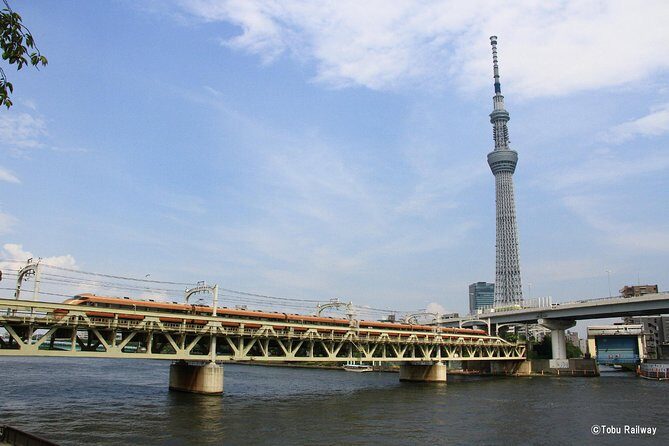
Time-wise, the trip from Asakusa to Nikko is about 1 hour 50 minutes (approx.). Asakusa to Kinugawa Onsen is about 2 hours 10 minutes (approx., by limited express, as described in the trip info). Those are guide estimates—your exact route and ride time can shift with schedules.
Small but important detail: the activity itself lists a short duration, but the pass is what drives the real trip. The pass is valid for 4 consecutive calendar days starting on the date you selected when booking. If you’re thinking about a late-day arrival and an early departure, treat those days like a calendar, not like 96 hours.
What You Actually Get: Trains and Buses That Cover the Nikko Loop
Let’s break down the included transport clearly, because this is where your value comes from.
Round-trip train segment
- Asakusa Station ↔ Shimo-Imaichi Station: round-trip train fare is included.
This is useful because Shimo-Imaichi is the rail “gateway” into the Tobu Nikko side of the region. You don’t need to buy a separate return ticket for that backbone ride.
Unlimited local train segment
- Unlimited Tobu local trains between Shimo-Imaichi and either Tobu-Nikko Station or Shin-Fujiwara Station.
Local train coverage is the heart of the pass. It keeps your day flexible, especially if you bounce between areas a couple of times.






Unlimited bus segment (the sight-access engine)
From Tobu-Nikko Station, you get unlimited rides on buses:
- 2A: Tobu-Nikko Station ↔ Yumoto-Onsen
- Each leg: ~75 minutes
- Operating hours: 6:15 AM–6:10 PM
- 2B: World Heritage Sightseeing route
- Frequency: departures every ~15 minutes
- Loop time: ~23 minutes
- Operating hours: 8:20 AM–5:30 PM
- 2C: Tobu-Nikko Station ↔ Chuzenji-Onsen
- Each leg: ~45 minutes
- Operating hours: 6:30 AM–6:30 PM
- 2D: Tobu-Nikko Station to Kirifuri area (seasonal)
- Nov 24–Mar 31: to Kirifuri no Taki
- Apr 1–Nov 23: to Kirifuri-Kogen
- Hours vary (so you’ll want to check before you commit to a late day)
If you like the idea of planning fewer ticket buys and more “show up at the stop and ride,” this bus setup is the main reason the pass works.
The Big Attraction: Kirifuri Waterfall and a Ride Worth the Effort
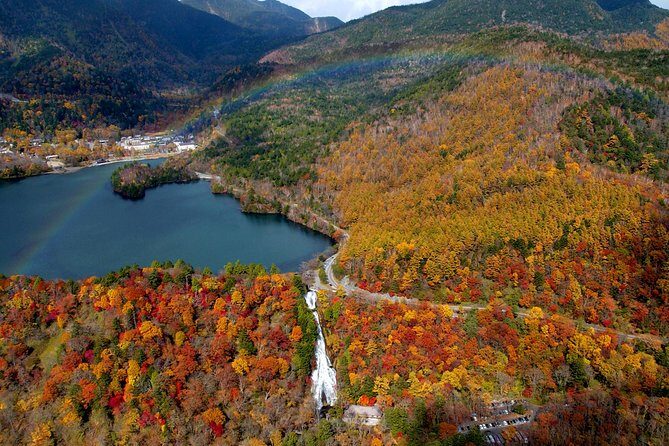
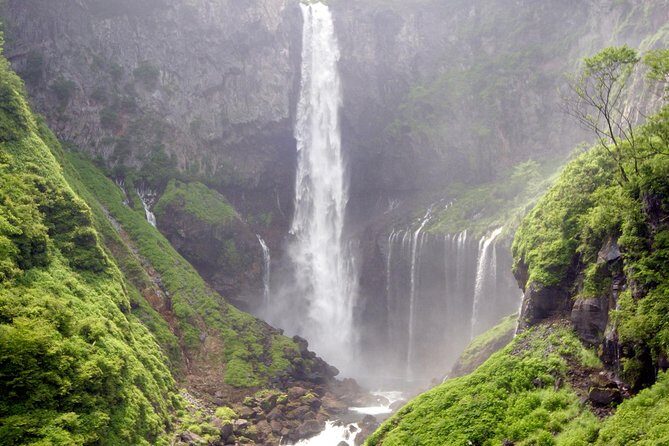
Kirifuri no Taki is a standout for a simple reason: it’s dramatic enough to feel like a destination even if you don’t do a heavy hike.
The waterfall is 75 meters / 246 feet high and has inspired artists, including Katsushika Hokusai. Around it, you get dense trees that change with the seasons, so each visit feels different depending on when you go.
The pass helps by including the bus access via 2D, but the endpoint changes by season:
- Nov 24–Mar 31: the bus goes to Kirifuri no Taki
- Apr 1–Nov 23: the bus goes to Kirifuri-Kogen
Practical tip: don’t treat Kirifuri as a quick morning photo stop. Even if you keep your hike short, you’ll want time for the walk-in feel and the viewing pauses. This is where you slow down and let Nikko do its thing.
UNESCO-Linked Sight Days: How to Use the Bus 2B Without Overplanning
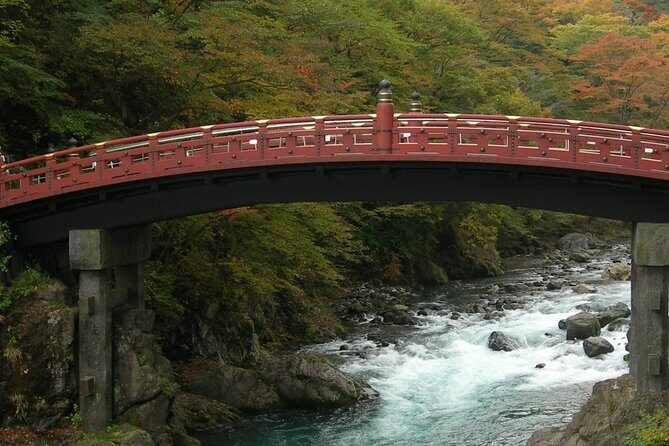
Nikko is known for UNESCO-listed shrines and temples, and the pass is built to help you reach those areas without buying tickets repeatedly.
The most direct bus tool for this part of the trip is bus 2B, the World Heritage Sightseeing route:
- Departures every ~15 minutes
- Loop lasts ~23 minutes
- Operating hours: 8:20 AM–5:30 PM
This is a good match if you want a day that’s half structured, half flexible. Ride the loop to get your bearings, then hop off for the stops that catch your attention most. Since admission to shrines and temples is not included, you’ll still pay entry tickets when you arrive—but the ride to get there is handled.
If your main goal is seeing the big historic sites without spending your day on schedules, this is the most “easy button” bus line in the set.
Chuzenji Onsen and the Lake Area: Timing Matters
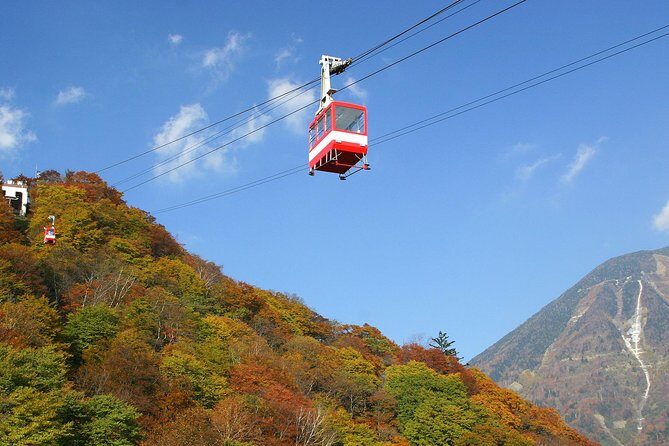
Chuzenji is where Nikko turns watery and slow.
With the pass, you can take bus 2C:
- Tobu-Nikko Station ↔ Chuzenji-Onsen
- Each leg: ~45 minutes
- Operating hours: 6:30 AM–6:30 PM
This line is strong because it gives you a clean one-bus ride for a major sightseeing zone. The area also connects to the idea of the lake cruise and a ropeway/cable car (these came up as part of the pass experience you may see covered). The one timing issue: the lake cruise at Chuzenji is closed starting 1 Dec for winter.
So if you’re traveling in early winter, you can still plan Chuzenji, but don’t center your day on the cruise. Keep that as a bonus, not a requirement.
Getting Away From the Center: Yumoto-Onsen on Bus 2A
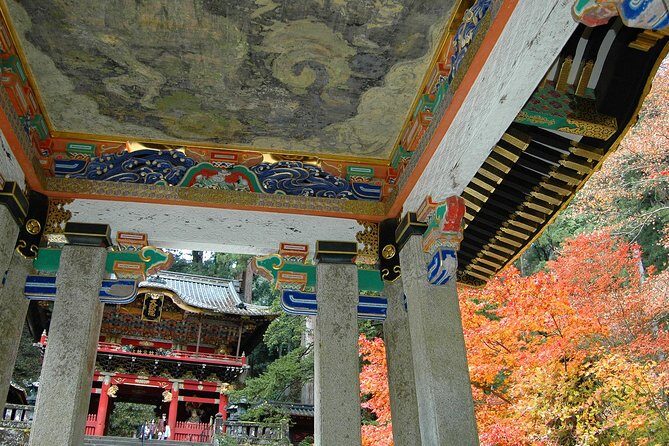
If you want a lighter day, or you want your Nikko time to include soaking-and-wandering rather than nonstop temples, Yumoto-Onsen is a natural target.
Bus 2A does the job:
- Tobu-Nikko Station ↔ Yumoto-Onsen
- Each leg: ~75 minutes
- Operating hours: 6:15 AM–6:10 PM
The length here is the tradeoff. You’re giving up speed for the payoff of a more relaxed hot-spring vibe. Plan this day like you’re going somewhere rural and serene, not like you’re stacking three quick stops in one afternoon.
Kinugawa Onsen as a Bonus Add-On: Great Idea, Check What’s Included
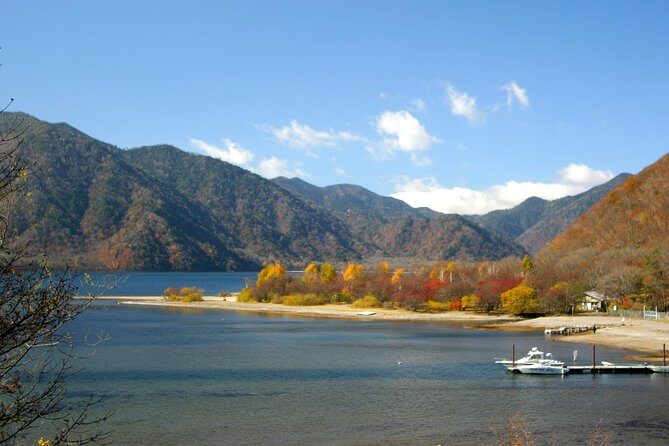
The pass is called an all-area Nikko pass, but it’s very clear that the bundled transport is focused on the Nikko-side routes from the Tobu network.
Still, Kinugawa Onsen comes up as a nearby hot-spring town, and your planning is helped by:
- discounts on select Nikko and Kinugawa Onsen attractions (these vary by season)
- the fact that Kinugawa Onsen is reachable from the Asakusa area in about 2 hours 10 minutes (approx., described via limited express)
Just know this: limited express and JR train fees are not included, and not all local connections are guaranteed to be fully covered just because you bought the pass. If Kinugawa is a must for you, it’s smart to check the exact route options you’ll take on the day.
Discount Reality Check: Where Savings Show Up (and Where They Don’t)
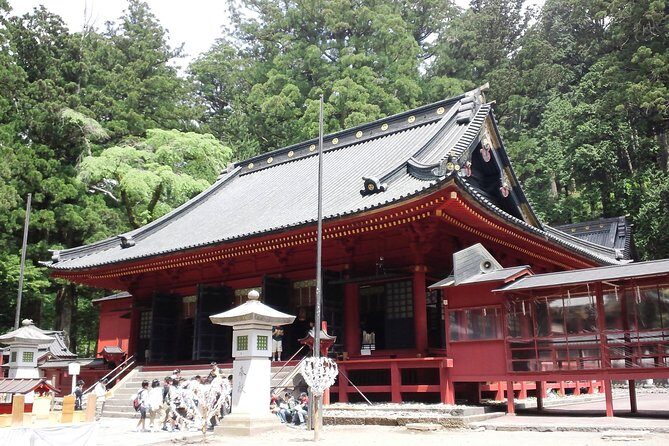
This pass includes discounts on select attractions and retail around Nikko and Kinugawa, and those discounts can vary by season.
Also, shrines and temples themselves have an important catch: admission is not included. That means your day might still involve entry fees even if you’ve saved money on rides.
On top of that, some experiences in the region can have add-on charges. The pass reduces the pain, but it doesn’t turn Nikko into a free-for-all.
My advice: use the pass to control transportation and timing. Budget separately for entrances and any paid “extra” services you decide to use.
A Balanced Day-by-Day Plan You Can Copy
Because this is self-guided, I like planning in “zones.” Here’s a simple 4-day structure that matches the included bus logic.
Day 1: Tobu-Nikko Base + Heritage Route Orientation
Start at Tobu-Nikko Station and use bus 2B early. Ride enough of the loop to get oriented. Then spend the rest of the day at the UNESCO-listed shrines/temples that you actually care about.
Why this works: you’ll reduce decision fatigue after you arrive. You can always adjust later if you find one area you love more than expected.
Day 2: Chuzenji Onsen and the Lake Area
Take bus 2C to Chuzenji-Onsen. Keep your morning lighter if you’re sensitive to travel time (it’s about 45 minutes per leg). If the lake cruise is operating, great—if not, the area still gives you a calm onsen-lake day.
Plan for admission where needed, since shrine and temple entry isn’t covered.
Day 3: Kirifuri Waterfall Day
Use bus 2D based on the date you’re traveling. If it’s in the season where it reaches Kirifuri no Taki, aim for clearer morning light if possible.
This is the day to slow down. The waterfall is big, but your time will be mostly about the walk-in feel and the surrounding trees changing through the seasons.
Day 4: Yumoto-Onsen or Switch Back to Your Favorite Zone
Pick one:
- Yumoto-Onsen via bus 2A for a hot-spring reset day, or
- repeat your favorite part of Nikko if you realized you wanted more time for photos or shorter walks
This last day is also when I recommend shopping for small items and local food, especially since the pass can come with discounts at some stores and restaurants (seasonal).
The Real Talk: Pros, Cons, and Who This Fits Best
What I like (and why it matters)
- You control the pace: Unlimited bus lines from Tobu-Nikko Station make it easy to shift plans without stress.
- The transport bundle reduces mental load: Asakusa ↔ Shimo-Imaichi is handled, and you can repeat local rides without thinking about separate tickets each time.
- Kirifuri and Chuzenji are built into the system: The pass connects you to the waterfall and the onsen/lake zone directly.
The main things to watch
- Admission and add-ons cost extra: Shrines/temples aren’t included, and some experiences can require separate payment.
- Not all days look the same seasonally: Bus 2D changes its destination depending on dates.
- Some riders find it a bit confusing: If you like highly structured itineraries with zero choices, you may feel the planning weight. The fix is simple: plan around the bus lines, not around every single stop.
Best fit
This pass is ideal if you:
- want independent sightseeing
- are okay paying separate entry fees when you arrive
- like using public transport and staying flexible
- travel with at least moderate mobility and stamina (it’s advised)
Should You Book the NIKKO PASS All Area?
If your dream Nikko trip includes multiple transport-based zones—heritage sites, Kirifuri, and at least one onsen area—this pass is likely a strong value. It’s built for exactly the kind of trip where you’d otherwise keep buying bus tickets and feeling that you’re spending more time on logistics than on sightseeing.
Skip it or rethink it if you plan just one or two close-by stops, or if you want everything fully included down to admissions and paid experiences. This pass is best at moving you around, not at replacing every ticket you might want to buy in Nikko.
FAQ
What does the Nikko All Area Pass include for transportation?
It includes round-trip train fare between Asakusa Station and Shimo-Imaichi Station, unlimited Tobu local train rides between Shimo-Imaichi and Tobu-Nikko Station or Shin-Fujiwara Station, and unlimited bus rides on lines 2A, 2B, 2C, and 2D departing from or arriving at Tobu-Nikko Station.
How long is the pass valid?
The pass is valid for 4 consecutive calendar days starting on the date you select when booking.
What documents do I need to collect the pass?
You must present a valid non-Japanese passport on the day of the activity. You’ll also show your booking voucher to collect the pass.
Is admission to shrines and temples included?
No. Admission to shrines and temples in the Nikko area is not included.
Does bus 2D go to Kirifuri no Taki year-round?
No. Between Nov 24 and Mar 31, bus 2D travels between Tobu-Nikko Station and Kirifuri no Taki. Between Apr 1 and Nov 23, it travels between Tobu-Nikko Station and Kirifuri-Kogen.
Is the Chuzenji lake cruise open in winter?
The lake cruise at Chuzenji is closed for winter starting 1 Dec.
Can children ride for free?
Children 5 and younger are complimentary when accompanied by a paying adult.
Final decision: book it if you want freedom, budget, and buses
If you’re the type who likes to choose your own order of sights and you’re comfortable paying separate entry fees, the Nikko All Area Pass is built for that. Use it to ride smart: lock in transportation with the pass, then spend your money on the parts of Nikko you really want to enter.