REVIEW · SAPPORO
Authentic Handmade Soba Experience!
Book on GetYourGuide →Operated by 手打ち蕎麦 もんど · Bookable on GetYourGuide
Sapporo teaches you soba, hands first. You’ll get hands-on noodle making—mixing buckwheat dough, rolling it out, and cutting each strand—while learning how Japanese cooks treat soba as everyday craft. I also love that the experience leans on Hokkaido buckwheat flour, so the flavor has that regional stamp instead of feeling generic.
You’ll do lunch at a local favorite, Teuchi-Soba Mondo, known for handmade buckwheat noodles. The class runs about 75 minutes with an instructor who speaks Japanese and English, and the group setting stays small enough that questions don’t get lost.
One consideration: this is a focused, short class. You won’t spend half a day sightseeing or lingering over lectures, so if you want a long, staged food show, you may find it brisk.
In This Review
- Key highlights at a glance
- Hokkaido Buckwheat Is the Reason Soba Feels Different
- Teuchi-Soba Mondo: A Local Lunch Stop Outside the Usual Tourist Path
- Making Soba Noodles: Where the Experience Gets Real
- Proper Soba Eating and Soba-yu: The Part Many People Miss
- Price and Value: When $70 Makes Sense for This Class
- What the 75-Minute Flow Feels Like (and What to Expect)
- Who Should Book This Soba Experience in Sapporo
- Should You Book Teuchi-Soba Mondo’s Handmade Soba Class?
- FAQ
- How long is the handmade soba experience?
- Where does the experience take place?
- What’s included in the experience?
- What language will the instructor use?
- Is this a private group experience?
- Is there a minimum number of adults?
- Do I need to pay right away?
- Can I cancel for a full refund?
- Do I just taste soba, or do I make it too?
- Is there any cultural element beyond cooking?
Key highlights at a glance
- Real handmade soba steps: mix, roll, cut, then eat what you make
- Hokkaido buckwheat flavor that represents Japan’s top soba region
- Lunch at a local shop (not a tourist-style demonstration space)
- How to eat soba properly, plus the post-meal tradition called soba-yu
- Small-group attention with a Japanese and English-speaking instructor
- Dietary care is taken seriously, since a family with a gluten allergy had it handled for them
Hokkaido Buckwheat Is the Reason Soba Feels Different
Hokkaido is Japan’s top buckwheat noodle producing region, and this matters because soba isn’t just about the shape of the noodles. It’s about the raw ingredient and how it behaves when it hits the dough.
In this class, the noodles are made with Hokkaido buckwheat flour. That keeps the experience tied to place, not just technique. When buckwheat is local to the region that’s famous for it, you’re tasting the idea that soba has a “home base,” and that home base is Hokkaido.
Soba is also one of Japan’s three major traditional foods, alongside sushi and tempura. That cultural framing isn’t trivia. It explains why people in Japan take soba seriously enough to pass down methods from older eras, including the Edo period tradition that the class references. When you understand that, the hands-on work starts to feel less like a novelty and more like joining a real food habit.
If you like food experiences where you learn the craft and then taste it immediately, this checks that box fast.
You can also read our reviews of more tours and experiences in Sapporo.


Teuchi-Soba Mondo: A Local Lunch Stop Outside the Usual Tourist Path
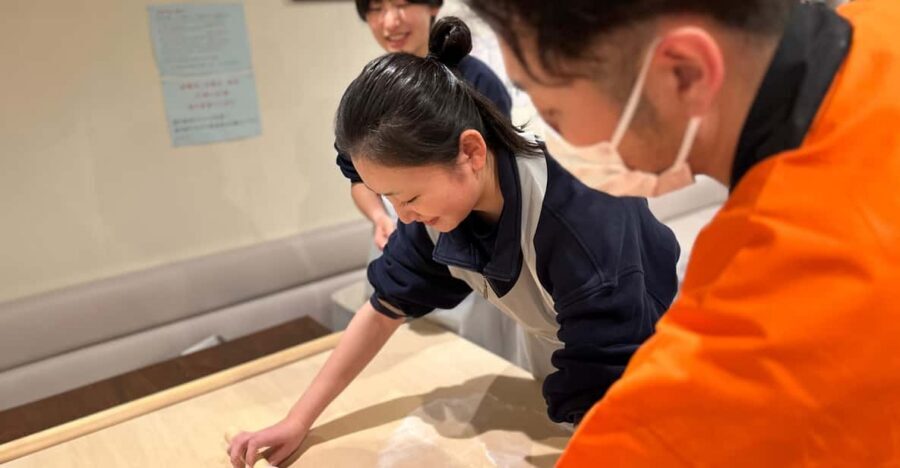
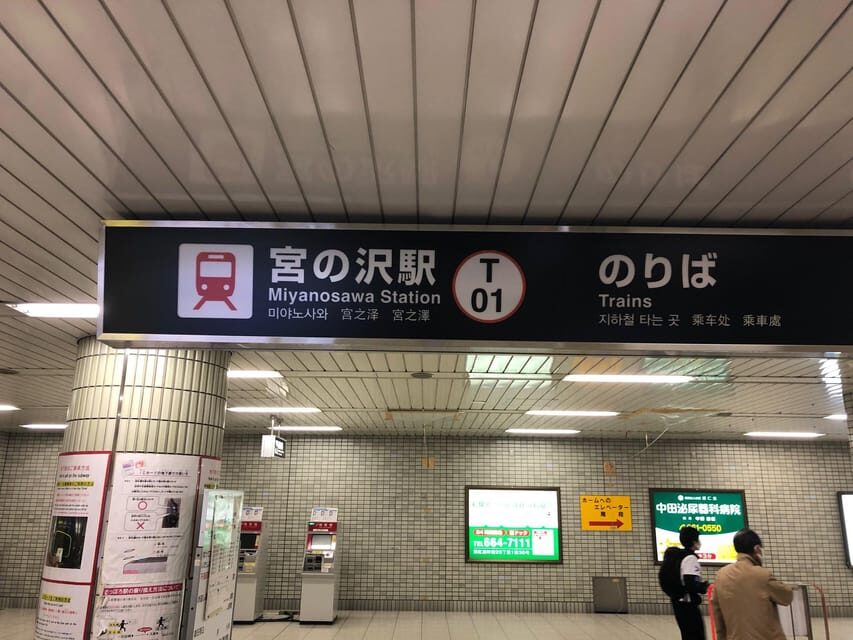
The meeting point is at the restaurant: 9-chōme-17-28 Hassamu 6 Jō. You’ll look for signage and banners for Teuchi-Soba Mondo, and the team confirms your ticket before the start.
One subtle plus: the shop is not in the middle of Sapporo’s most chaotic areas. That makes it easier to feel like you’ve stepped into real daily life instead of hopping between souvenir gates. It’s a working restaurant setting, and the vibe tends to be calm, centered on lunch and cooking.
Also, don’t underestimate the value of getting a lunch that’s popular with locals. Many “experiences” use a restaurant the way a set uses scenery. Here, the restaurant is described as a popular handmade soba noodle restaurant open for lunch, so you’re joining something that’s already part of the area’s food routine.
Practical tip: plan to arrive a few minutes early so you’re not rushing. The class starts with getting settled and then moving into the dough work.
Making Soba Noodles: Where the Experience Gets Real
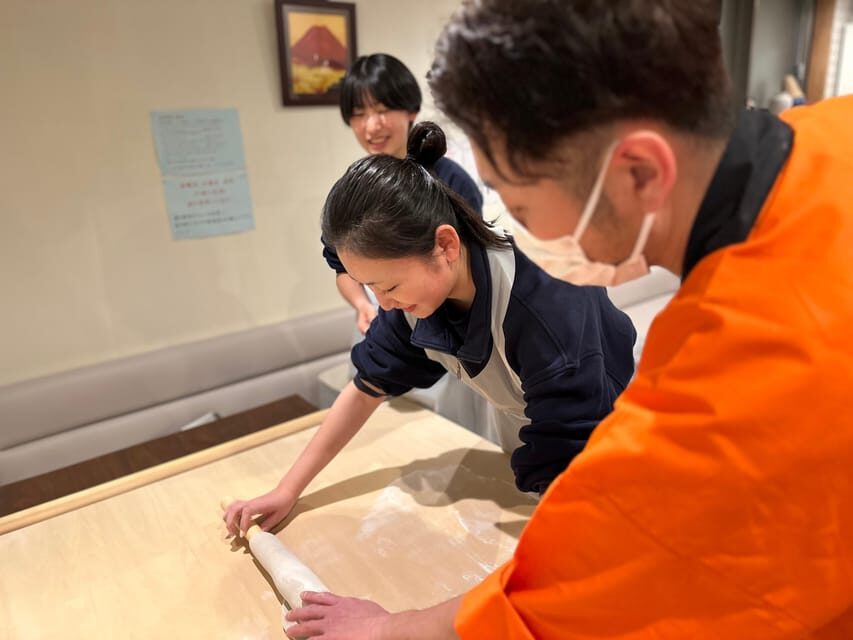
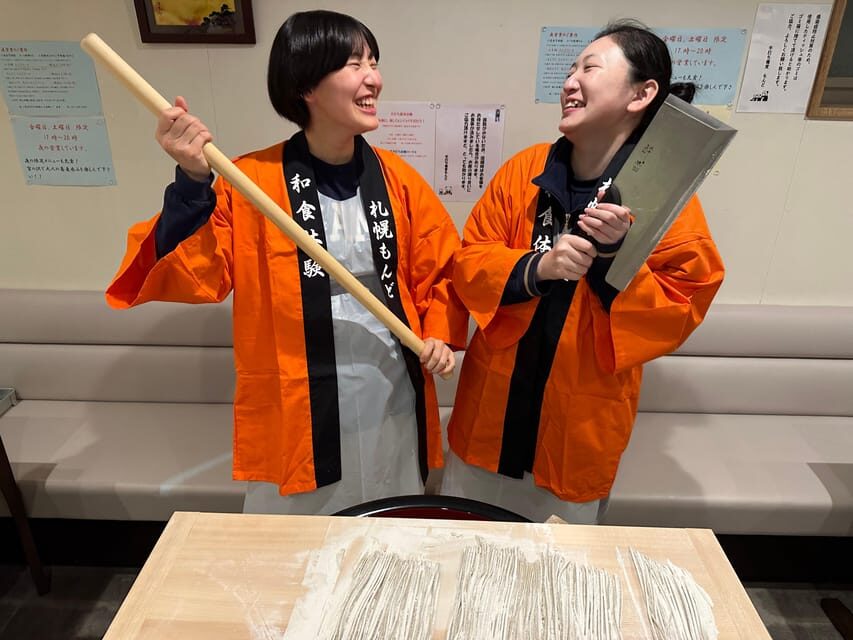
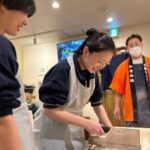
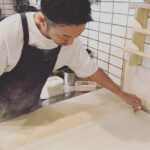
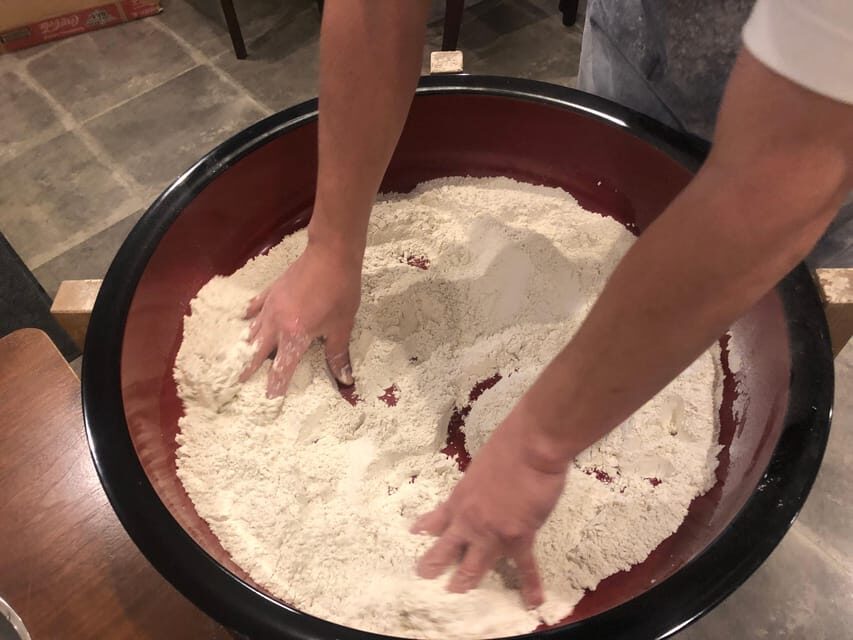
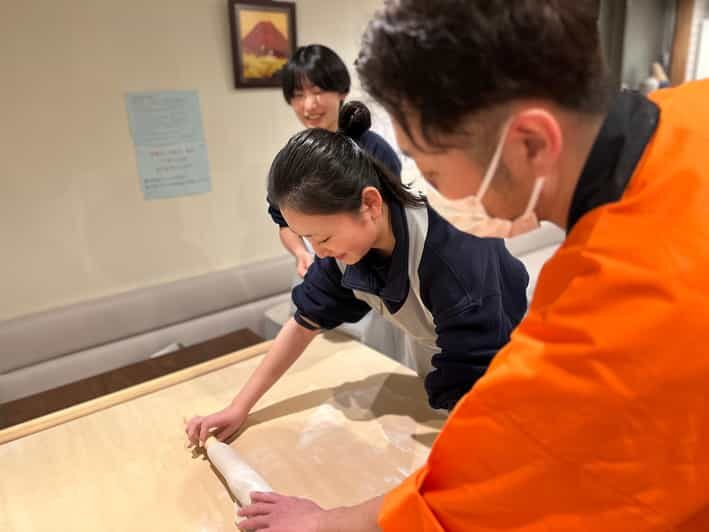
This is the core of the day: you’re not just watching someone else do the work. You’ll mix buckwheat flour dough, roll it out, and carefully cut each strand. That sequence is why soba-making feels satisfying: each step has its own “moment of truth.”
Here’s what I like about this structure. You start with the dough (so you understand what you’re working with), then you roll it out (where texture and thickness matter), and then you cut the strands (where patience wins). Even though the class is time-limited, it still gives you the full arc of making noodles rather than stopping after one quick step.
You’ll also learn why the tools and workspace matter. In a review, someone noted that even many Japanese people don’t get to do genuine handmade soba often, because they don’t have the special tools or space. That’s a big deal for you, because it means your experience isn’t just “try making noodles once.” It’s making noodles in a setup designed for the real thing.
Language note: the instructor speaks Japanese and English. That’s helpful because soba-making isn’t just physical. You’ll need to pick up small cues—how to handle the dough, how to cut the strands, and how the chef wants you to work. In a class like this, clarity makes the difference between frustration and fun.
Proper Soba Eating and Soba-yu: The Part Many People Miss
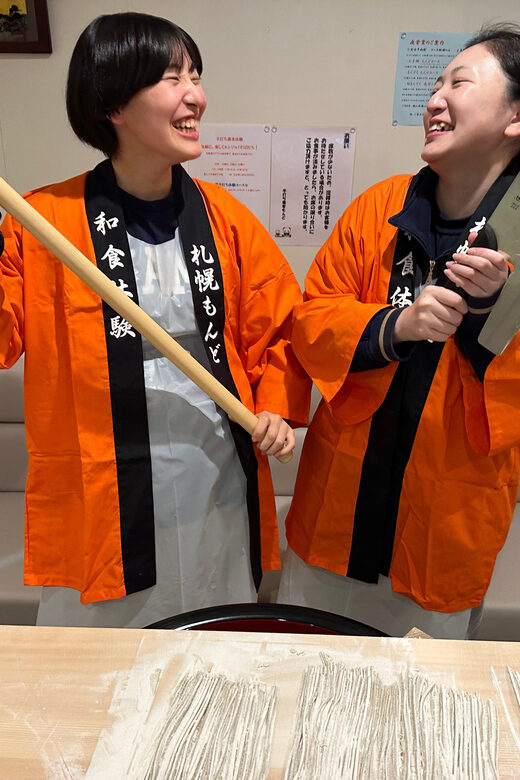
After you make your soba, you eat it. Then comes the cultural piece: you learn the proper way to eat soba and you discover soba-yu, a tradition that happens after the meal.
Even with great noodles, most people only know the “eat it” part. The value here is learning what the Japanese table manners and rhythm look like for soba. You’re not being asked to perform. You’re being taught how people actually enjoy the food, and then you get to do it.
Soba-yu specifically is highlighted as a uniquely Japanese post-meal tradition. The class frames it as part of the full soba experience, not an extra snack. That matters because it turns the meal from a simple reward into a ritual that completes the process of making, eating, and understanding.
I like that this doesn’t feel like an arts-and-crafts detour. It’s still food-focused. You’re learning how soba fits into culture through the way it’s eaten, and that’s exactly what makes a class like this more memorable than a quick cooking demo.
If you’re the type who enjoys food etiquette, you’ll appreciate how this wraps the experience up with meaning. If you’re less into rules, don’t worry—the point is that you get guidance so the meal makes sense.
Price and Value: When $70 Makes Sense for This Class
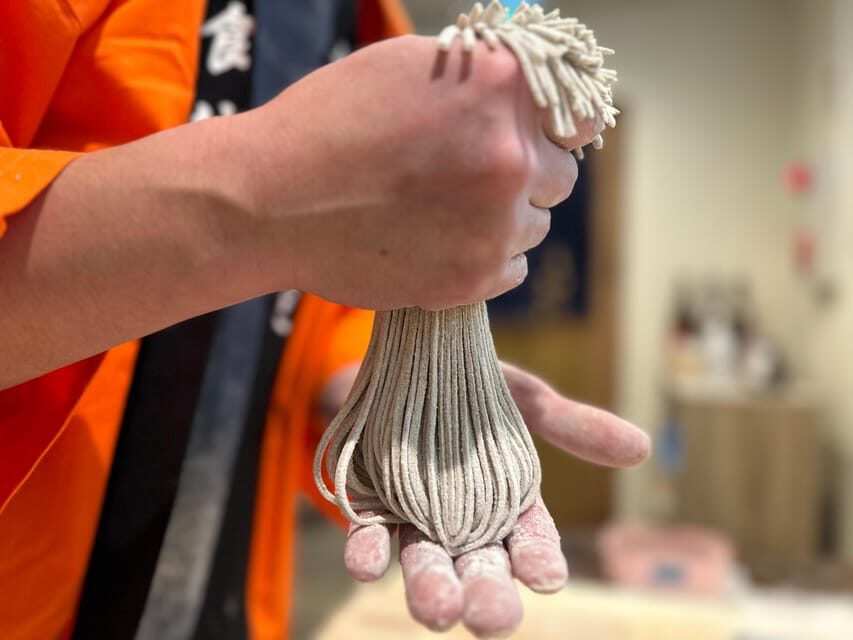
It costs $70 per person, and the duration is 1 hour (with the class described as 75 minutes). On paper, that sounds short. But value comes from what’s included and what you’re doing.
Here’s what you’re paying for:
- A guided soba-making session designed around real technique
- A local lunch at a restaurant that specializes in handmade buckwheat noodles
- The tools and space that make genuine handmade possible
- Instruction in Japanese and English
- Private group format
For me, the biggest value driver is that you’re making the noodles yourself and eating them right away. Many cooking activities let you participate for a moment, then you’re mostly waiting for the finished dish. This one stays centered on the full noodle process—mix, roll, cut—then taste.
Also, the experience is described as authentic and not geared toward tourists. That’s often code for “smaller scale, less spectacle,” which can actually be a plus when you want something real and grounded. You’re paying to do food craft the way it’s done at an actual soba restaurant.
One more practical factor: there’s a minimum of 2 adults. So if you’re traveling solo, you may want to confirm whether the group requirements can be met on your date.



What the 75-Minute Flow Feels Like (and What to Expect)
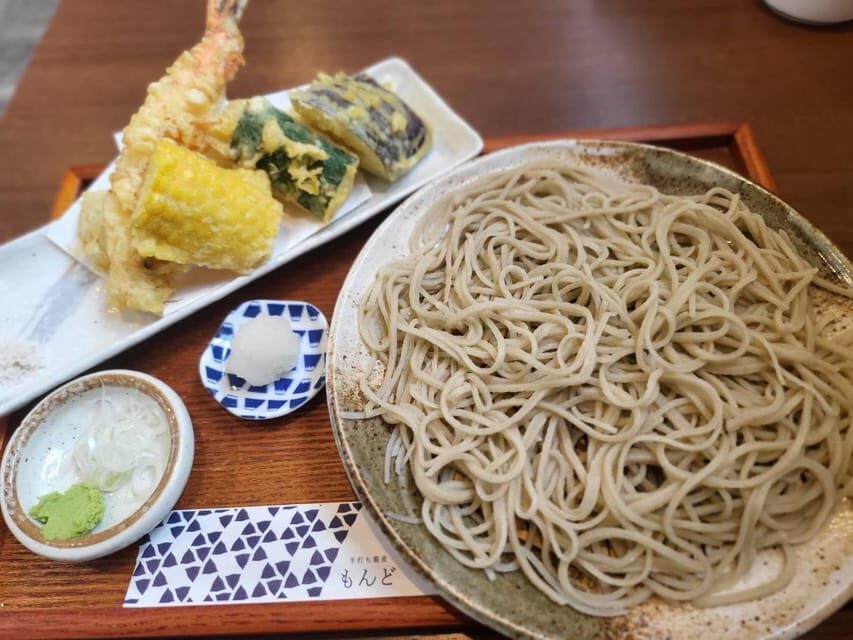
Even though the experience is short, the flow is designed to keep you moving: you arrive, get ticket confirmation, join the class, and then you sit down to eat what you made.
You’ll be working with the dough and then transitioning to eating. That means you’ll want to treat the session like a workshop, not a museum visit. You’ll likely spend most of your time focused on the task in front of you—getting the dough right, cutting evenly, and learning the correct way to finish the meal portion.
A detail worth knowing from real feedback: one participant described a surprise element where they bought food to mix with the noodles, and the food was very good. I can’t promise that every time it works the same way, but it’s a reminder to come ready to participate. This is a restaurant meal, not just a classroom snack.
Also keep in mind that the experience is family-friendly in practice. One review mentioned a family group of six including an 8-year-old, and the child was part of the class. If you’re traveling with kids who can sit and follow directions, this could work well as a hands-on food activity.
Who Should Book This Soba Experience in Sapporo
This is for you if:
- You want a real handmade soba workshop, not a quick photo stop
- You enjoy learning food culture through technique (not just tasting)
- You like lunch experiences that feel local and restaurant-real
- You’re okay with a short session and want to pack in one great culinary activity
It may not fit you as well if:
- You’re expecting a long, multi-stop tour across Sapporo
- You prefer sightseeing over hands-on cooking
- You want heavy English-only explanations with lots of downtime
Because it’s a private group and the instructor speaks Japanese and English, it can be easier for non-Japanese speakers to connect the steps to what they’re seeing. And because a gluten-allergy request was handled for one family, it suggests the team pays attention to needs—still, if you have allergies, message ahead so they can plan.
Should You Book Teuchi-Soba Mondo’s Handmade Soba Class?
If you’re in Hokkaido and you want one food experience that’s practical, cultural, and delicious, I think this is a strong booking choice. You’re paying for something specific: a real noodle-making class using Hokkaido buckwheat, followed by a meal where you learn how soba is meant to be eaten—including soba-yu.
Book it if you’ll enjoy hands-on work and you want lunch that feels like it belongs to Sapporo. Skip it if you only want passive entertainment or you’re looking for a longer day of activities.
If you do book, plan to arrive on time, come with a calm pace, and treat it like joining the kitchen for lunch—not just sampling a dish.
FAQ
How long is the handmade soba experience?
The experience lasts about 1 hour (the class is described as 75 minutes).
Where does the experience take place?
It takes place at Teuchi-Soba Mondo in Sapporo. The meeting point address is 9-chōme-17-28 Hassamu 6 Jō.
What’s included in the experience?
You’ll join a guided soba noodle making experience, and you can eat the soba you make. The restaurant is open for lunch as a handmade soba restaurant in Sapporo.
What language will the instructor use?
The instructor speaks Japanese and English.
Is this a private group experience?
Yes, it is listed as a private group.
Is there a minimum number of adults?
Yes. The minimum is 2 adults.
Do I need to pay right away?
No. The option is reserve now & pay later, so you can book without paying immediately.
Can I cancel for a full refund?
Yes. Free cancellation is available up to 24 hours in advance for a full refund.
Do I just taste soba, or do I make it too?
You make the soba noodles during the experience, then you eat the soba you made.
Is there any cultural element beyond cooking?
Yes. You’ll learn about soba history and culture, the proper way to eat soba, and the post-meal tradition called soba-yu.