REVIEW · TOKYO
Make traditional sweets “Nerikiri” and Matcha in Shibuya
Book on GetYourGuide →Operated by MumJapanese sweets studio · Bookable on GetYourGuide
Tokyo’s Nerikiri class turns a sweet into art. In this Shibuya-area workshop, you shape traditional Japanese sweets from smooth sweet bean paste and rice flour, then finish with matcha and premium wagashi.
I really liked the step-by-step coaching and the fact that you leave with three guided shapes plus your own original design. The session stays friendly and comfortable, even if you have zero kitchen confidence.
One thing to consider: the flavors center on sweet bean paste and matcha, so if you dislike those, you may find the experience less enjoyable.
In This Review
- Key Highlights You’ll Care About
- Shibuya Meet-Up at CHUMS Omotesando: Fast to Find, Easy to Start
- The Nerikiri Workshop: 3 Shapes First, Then Your Own Creative One
- What You Actually Learn: Texture, Precision, and That Calm Hand Skill
- Table-Style Tea Ceremony: Matcha and Premium Wagashi at Your Pace
- Taste Comparison That Sticks: How Matcha Changes What You Notice
- Price and Value: Where the $46 Actually Goes
- Who This Class Suits Best (And When It’s Not a Fit)
- Plan Your Shibuya Day: Omotesando, Harajuku, and Easy Post-Class Choices
- Should You Book the Nerikiri and Matcha Experience?
- FAQ
- How long is the Nerikiri and matcha experience?
- What is the meeting point in Tokyo?
- What will I make during the Nerikiri session?
- What is included besides matcha?
- Is the experience suitable for vegans and vegetarians?
- Are kids allowed?
- Is it wheelchair accessible?
Key Highlights You’ll Care About
- Small group (up to 4) so you get hands-on help, not a rushed assembly line
- Four Nerikiri styles total (3 shapes you choose, plus 1 you design)
- English and Japanese instruction with clear guidance
- Table-style tea ceremony with matcha and premium sweets sourced across Japan
- Take-home treats so your effort isn’t just for one bite
- Works for vegans/vegetarians (always great when you’re eating out in Tokyo)
Shibuya Meet-Up at CHUMS Omotesando: Fast to Find, Easy to Start
The class meets at 5-2-21 Jingumae, right by CHUMS Omotesando, in front of the Brown building. From there, it’s only about a 20-second walk together to the studio. This matters more than you might think in Tokyo—when you’re near Omotesando, tiny direction errors can waste time, and you’ll want your first minutes focused on the workshop.
You’ve got a lot of day-trip flexibility here. After the session, you’re in the sweet spot for quick plans: Meiji Shrine, Takeshita Street, and the Shibuya Crossing are all realistic add-ons if you’re pacing yourself.
The timing also gives you options. You can choose a start at 9:00 AM, 1:00 PM, or 3:30 PM, and the full experience runs 90 minutes.
A few more Tokyo tours and experiences worth a look

The Nerikiri Workshop: 3 Shapes First, Then Your Own Creative One
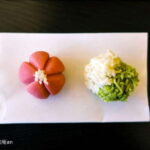
Nerikiri is one of those Japanese sweets that feels almost too pretty to eat. It’s made with sweet white bean paste mixed with glutinous rice flour or yam, then shaped by hand into soft, smooth forms. In class, you’ll use that practical shaping ability the same way artisans do—this is edible, moldable, and designed to look seasonal.
Here’s how the making part typically flows:
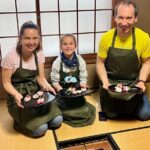
First, you’ll choose from sample designs. You then make three different shapes, guided step-by-step so you understand the timing and texture you’re aiming for. This isn’t just picking a pattern and copying it. You’ll learn how the dough behaves while you work—how it firms up, how to shape without tearing, and how small adjustments change the final look.
Then comes the fun part: you create an original Nerikiri design. This is where the experience stops feeling like a craft class and starts feeling like you’re making something personal. The included approach of offering samples first helps your brain warm up before you go freestyle.
At the end, everything you make is something you can take home, so you’re not stuck with the classic Tokyo problem of enjoying something for 60 seconds and then it’s gone.
What You Actually Learn: Texture, Precision, and That Calm Hand Skill
People come to Nerikiri classes for the art. You stay for the technique.
The sweet dough has a texture that’s forgiving, but only if you handle it with intention. You’re working with something that’s sticky enough to shape but firm enough to hold detail when done right. When the instructor guides you through the process, you’re basically learning three practical skills:
- How to portion so your shapes don’t collapse or get lumpy
- How to apply pressure consistently so the surface stays smooth
- How to form the final details without overworking the dough
A standout element from the experience is the way the instruction is delivered. In particular, the host Hannah is praised for being kind and friendly, and for helping you feel comfortable right away. One of the most useful touches is that you get a written recipe as well, so you can recreate the basics later instead of relying on memory.
And yes, you’ll be choosing shapes from a large selection, which makes it easier to pick something that matches your style—cute character shapes, seasonal motifs, or just something simple you can execute well.
Table-Style Tea Ceremony: Matcha and Premium Wagashi at Your Pace
Making Nerikiri is the warm-up. The table-style tea ceremony is where everything cools into focus.
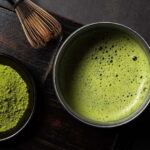
You’ll enjoy a table-style tea ceremony with matcha served alongside a selection of premium Japanese sweets sourced from across Japan. This is a smart pairing because it turns your hands-on work into a tasting lesson. Instead of eating sweets blindly, you get to compare textures, sweetness levels, and flavor direction.
What’s valuable here is the contrast:
- Nerikiri you made yourself, with that soft, shaped, bean-paste base
- Other premium sweets with different textures and flavor profiles
This is the moment you start noticing what makes wagashi work as part of Japanese tea culture: not just sweetness, but balance—how the sweetness sits, how the mouthfeel changes, and how the matcha’s bitterness affects what you perceive next.
Also, the pacing feels more conversational than staged. You’re seated at a table, not herded through a show. That gives you time to ask questions and actually look at what’s in front of you, which is where most people miss value on packaged food tours.
Taste Comparison That Sticks: How Matcha Changes What You Notice
This is one of those subtle benefits that becomes clear during the ceremony: matcha doesn’t just taste good. It reshapes the way you experience sweets.
If you pay attention, you’ll likely notice that the same type of sweetness can feel different depending on whether matcha is present between bites. You might get:
- More clarity on the sweetness level
- A shift in how bean paste flavors come through
- A longer finish that makes you understand why tea and wagashi belong together
And because the session includes multiple premium sweets, you’re not tasting one “representative” item. You’re getting a mini-range, which helps you build a sense of what you like and what you want to seek out later around Tokyo.






Price and Value: Where the $46 Actually Goes
At $46 per person for 90 minutes, this can be either a great deal or a skip—depending on what you want from Tokyo.
Here’s why it tends to be good value:
- You’re paying for small-group attention (limited to 4 participants) rather than a crowded class
- You get hands-on Nerikiri instruction, plus ingredients and tools used for making sweets
- You also get a tea ceremony experience with matcha and a selection of premium Japanese sweets, not just one drink and one bite
- You leave with everything you make, so it becomes a souvenir you can eat
You’re not just buying a ticket to watch someone work. You’re doing the work, learning the techniques, and tasting multiple sweets in a structured way. For many people, that’s the sweet spot between an expensive private lesson and a quick food tasting.
Who This Class Suits Best (And When It’s Not a Fit)
This works especially well if you want a break from sightseeing calories and selfie stops. It’s a hands-on activity with real payoff.
You’ll likely enjoy it if:
- You like Japanese food culture and want to understand it, not just sample it
- You enjoy crafts or you want a fun, creative task that stays doable in real time
- You want something to do with family members across ages, since it’s described as enjoyable for children (with an age limit) up through seniors
- You eat vegan or vegetarian, since it’s suitable for both
A few considerations:
- It’s not suitable for children under 5.
- The experience centers on sweet bean paste and matcha, so those flavors are part of the point.
- It’s hands-on, so you’ll want to wear something comfortable enough for a bit of sticky work.
Also, it’s worth noting the studio allows wheelchair access, and smoking is not allowed. If those factors matter for your group planning, this is helpful information to know in advance.
Plan Your Shibuya Day: Omotesando, Harajuku, and Easy Post-Class Choices
Location is a huge part of the day’s quality. You start in Omotesando, then you can keep moving on your own time.
If you want a classic route, you can pair this with:
- Meiji Shrine for a quieter green break after the craft
- Takeshita Street for playful, youth-oriented browsing in Harajuku
- Shibuya Crossing for a big-city closer that’s instantly recognizable
One practical tip: because you’ll taste premium sweets during the ceremony, you may not want a huge heavy lunch right before. I’d treat this as your main food event, then plan lighter snacks afterward.
Should You Book the Nerikiri and Matcha Experience?
If you want a Tokyo experience that’s interactive, culturally anchored, and actually leaves you with something tangible, I think you should book it.
I’d especially recommend it when you:
- Prefer a small group atmosphere where you get real coaching
- Want both craft and food in one session
- Appreciate Japanese sweets enough to enjoy a matcha-and-wagashi comparison
Skip it if you’re mainly looking for a fast photo stop, or if you strongly dislike matcha or sweet bean paste. Also, if you’re traveling with very young kids, the under-5 restriction means you’ll need an alternative activity for them.
If the idea of shaping Nerikiri, then sitting down for matcha and premium sweets appeals to you, this is the kind of experience that turns into a story you’ll still be telling weeks later.
FAQ
How long is the Nerikiri and matcha experience?
It lasts 90 minutes.
What is the meeting point in Tokyo?
You meet at 5-2-21 Jingumae Shibuya-City in front of CHUMS Omotesando (in front of the Brown building). Then the group walks about 20 seconds to the studio.
What will I make during the Nerikiri session?
You’ll make three different Nerikiri shapes from sample designs, and then you’ll make an original Nerikiri design. (The session is listed as 4 styles.)
What is included besides matcha?
In addition to matcha, you’ll have a table-style tea ceremony and a selection of premium Japanese sweets.
Is the experience suitable for vegans and vegetarians?
Yes, it is suitable for vegans and vegetarians.
Are kids allowed?
It is not suitable for children under 5 years old.
Is it wheelchair accessible?
Yes, the experience is wheelchair accessible.