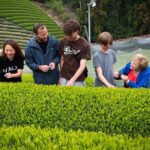
Matcha tastes better with a little dirt on your shoes. In Wazuka, you get a rare, hands-on private matcha farm experience led by a 5th-generation tea farmer, with time at two local farms and a lunch set built around the same ingredients you’ll be learning about.
I really like how the day is built around the end-to-end process: tea picking, processing, and ceremony, not just a quick cup and photo stop. You’ll also do both matcha tasting and tea tasting, plus a workshop and a traditional home-style lunch set that makes the food feel like part of the story, not an add-on.
One consideration: the farm access can be bumpy and muddy, so plan for uncomfortable spots on the path and bring shoes you do not mind getting dirty. At $520 per person, it’s also a bigger splurge, so it helps if you’re serious about tea and want something truly personal rather than a casual sightseeing day.
In This Review
- Key things to know before you go
- Why Wazuka is a serious matcha base (not just a day trip)
- Private pickup and a 10:00 am start that works with Kyoto plans
- Meeting your host and getting the right mindset for matcha tasting
- Stop 1: learning matcha making on a working farm path
- Lunch in a traditional home: where matcha becomes food, not just tea
- Tastings: matcha tasting and tea tasting, with your senses doing the work
- Stop 2 and the workshop: taking your learning beyond explanation
- Take-home premium matcha and why it’s part of the value
- Price and value: is $520 per person worth it?
- Who this tour suits best (and who should rethink it)
- Quick practical tips before you book
- Should you book this private Wazuka matcha farm tour?
- FAQ
- Where does the 7hr Private Wazuka True Hidden Kyoto Matcha Farm Experience start?
- What time does the tour start?
- How long is the experience?
- Is pickup offered on this tour?
- Is this a private tour?
- How many matcha farms will you visit?
- What tastings and meal are included?
- What can I take home from the tour?
- Is the farm access easy to walk on?
- What is the cancellation policy?
Key things to know before you go
- A 5th-generation matcha host guides you through how the work is done, and why it matters.
- Two matcha farms means you get comparison, not a single photo stop.
- Pick, process, ceremony learning ties the whole day together around matcha making.
- Matcha lunch set + tastings help you understand flavor and texture, not just ingredients.
- Take-home premium matcha includes tea said to have been previously owned by the Imperial Family.
- Rural farm paths can be muddy so wear footwear that can handle rough ground.
Why Wazuka is a serious matcha base (not just a day trip)
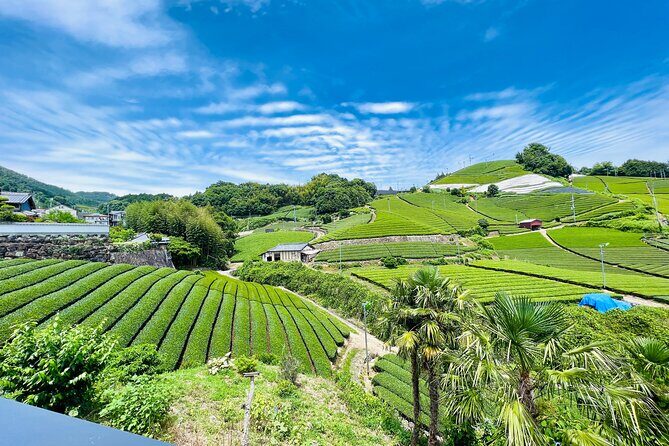
If Kyoto is your matcha hub, Wazuka is the reason why. This part of Kyoto Prefecture is known for tea cultivation, and that matters because matcha tastes like what’s growing and how it’s handled. The best tea experiences here do not start with a menu. They start with the plant, the farming, and the timing.
That’s what makes this tour feel different from a typical tea stop. You’re not just tasting a product. You’re seeing where it comes from and how people treat the process like a craft passed down for generations. The host being a 5th-generation matcha tea farmer is a big clue: you’re hearing practical farming reality, not a performance script.
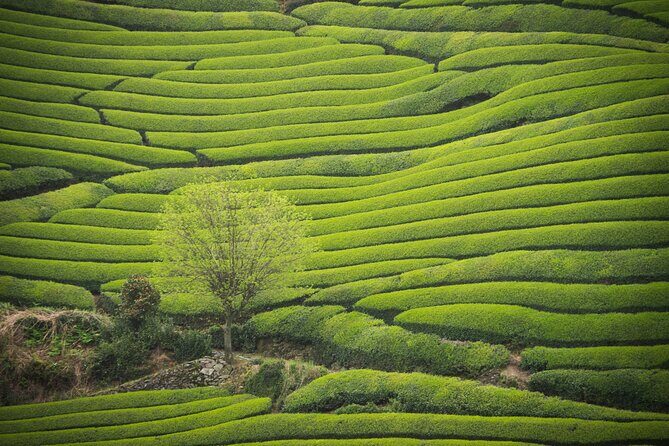
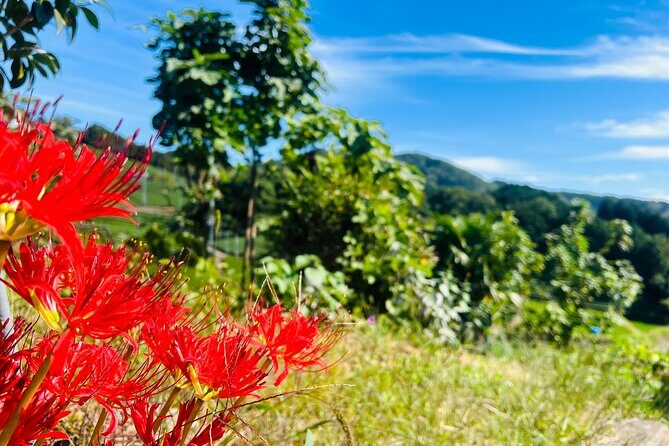
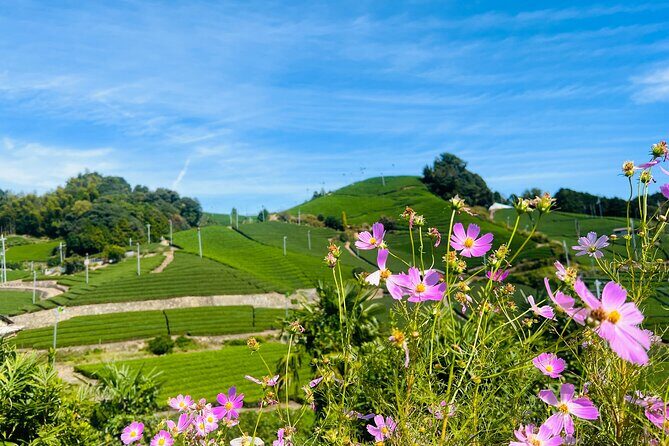
And yes, the town itself is part of the payoff. The experience is described as peaceful and scenic, with rolling tea fields you can walk through. Even without chasing viewpoints, the setting does the work. It slows you down, which helps you pay attention to smell, texture, and taste later.
You can also read our reviews of more tours and experiences in Kyoto Prefecture.


Private pickup and a 10:00 am start that works with Kyoto plans
The tour starts at 10:00 am at Wazuka-cha CafeJapan in Wazuka. The exact meeting address is listed as 619-1222 Kyoto, Soraku District, Wazuka, Shirasu, Ōhazama 35, on the first floor of グリンティ和束.
You’ll also be offered pickup, and that’s meaningful here. Rural routes and farm access can be awkward if you’re relying on transfers. If you’re staying in central Kyoto, pickup can save time and stress so you can focus on the actual tea part of the day.
This is a private tour, meaning only your group participates. That matters because matcha learning works best with questions and pacing. You can ask what you’re tasting, how processing changes flavor, or why certain steps happen when they do.
Duration is about 6 hours, which is a realistic block of time for two farm visits, lunch, tastings, and a workshop. It’s long enough to feel like a full experience, not so long that you’ll feel trapped in transit.
Meeting your host and getting the right mindset for matcha tasting
The tour is led by a local host who is a 5th-generation matcha tea farmer, and the tone is tied to that heritage claim: a tradition passed down for generations. That doesn’t mean it’s old-fashioned or stiff. It means you’ll likely get explanations that connect day-to-day farming to the final cup.
Before you start tasting, you get the structure of the day: you’ll learn end-to-end matcha making, including tea picking, processing, and ceremony. That sequence is useful because matcha can taste very different depending on what happened earlier. When you understand the chain, you taste with intention.
Also, the experience explicitly includes all senses: you’ll be able to smell and taste, and you’ll walk through farm areas. Even if you’re not a tea expert, that helps. Matcha isn’t only about bitterness or sweetness. It’s aroma, texture, and the aftertaste that lingers. The host’s explanations give you the words to describe what you notice.
Stop 1: learning matcha making on a working farm path
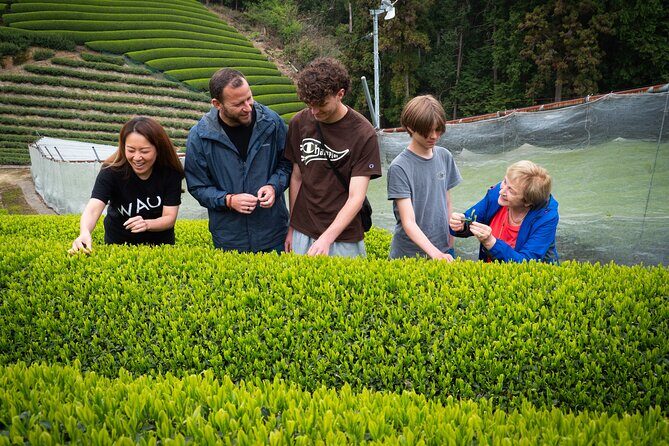
The day includes visits to two local matcha tea farms, and the first stop is about building your baseline. You’ll learn the matcha making processes and walk through the farm. This is where you start seeing the practical side of tea cultivation rather than imagining it as a factory product.
A key part of the matcha lesson is the idea that making matcha is not a single step. It’s connected steps that influence flavor. Your host will connect farming actions to the final cup, using the tour’s “from picking to ceremony” flow as the framework.
Here’s what to expect during this farm visit:
- You’ll be shown parts of the farm and how the tea is handled.
- You’ll hear about history tied to tea making, including 800-year-old tea making history mentioned as part of what you’ll learn.
- You’ll start tasting in a more informed way, because you’ve already been looking at the source.
The one practical drawback is the ground itself. The access can be bumpy and muddy, so plan to walk carefully on uneven paths. This is exactly why good shoes matter more than you might think. If your feet are unhappy, you’ll rush. If you’re steady and comfortable, you’ll notice more.
Lunch in a traditional home: where matcha becomes food, not just tea
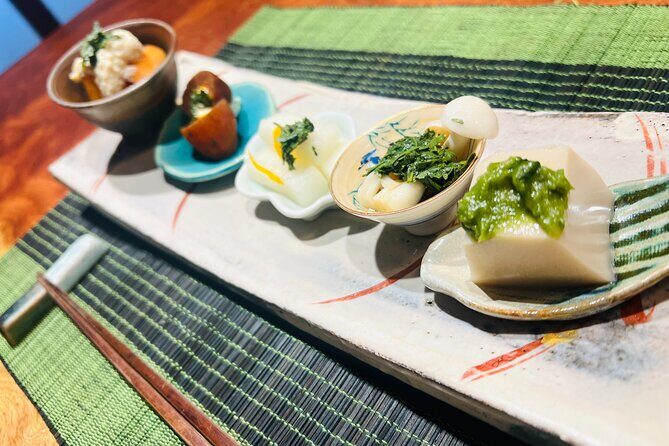
After the first learning block, you’ll enjoy a delicately crafted matcha lunch set at a traditional-style home. This is a smart moment in the schedule because lunch is where you digest what you just learned through taste.
A lunch set does two things:
- It gives your palate a break from straight tasting samples.
- It shows how matcha fits into a meal, not only into a cup.
Because the tour is focused on matcha, you’re not going to lunch at random. The meal is tied to the theme of the day, so you’re more likely to feel like you’re learning continuously rather than switching gears every hour.
Also, this kind of setting tends to slow the pacing. You’re in a calmer space designed for hospitality, which helps you be present for the next part: tasting and workshop time.


Tastings: matcha tasting and tea tasting, with your senses doing the work
One of the most praised parts of this experience is the tasting portion, especially the way it’s framed as more than a sip. The tour includes both matcha tasting and tea tasting.
This pairing matters. Matcha is powdered green tea whisked into drinkable form. Regular tea tastes different even when it comes from similar leaves, partly because you’re not ingesting the leaf in the same way. Being able to compare gives you a clearer sense of what the processing changes.
Practically, here’s how to get more out of tastings:
- Smell first. Try to notice aroma before you sip.
- Sip small and let flavors develop rather than chasing first impressions.
- Compare samples in order, because your palate resets as you taste.
The tour’s focus on “smell and taste” lines up with why people rate this highly. It’s not only educational. It’s sensory.
Stop 2 and the workshop: taking your learning beyond explanation
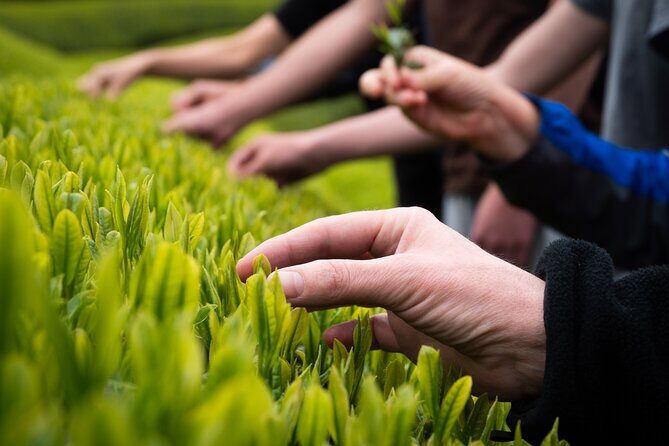
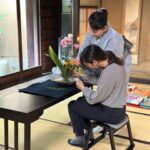
The second farm visit builds on the first one. You’ll learn more about matcha making, walk through farm areas again, and participate in a matcha workshop. This is where the day shifts from listening to doing.
Workshops can sometimes feel like a souvenir moment. Here, the matcha workshop is part of the end-to-end theme. Since the tour already set up tea picking, processing, and ceremony, the workshop is more likely to feel connected instead of random.
You can also expect more historical context during this portion, including the 800-year-old tea making history noted in the tour description. Even if you’re not a history person, it adds weight. You begin to see why these farmers keep returning to the same core craft steps: the methods are part of survival and identity, not only tradition for tourists.
Take-home premium matcha and why it’s part of the value
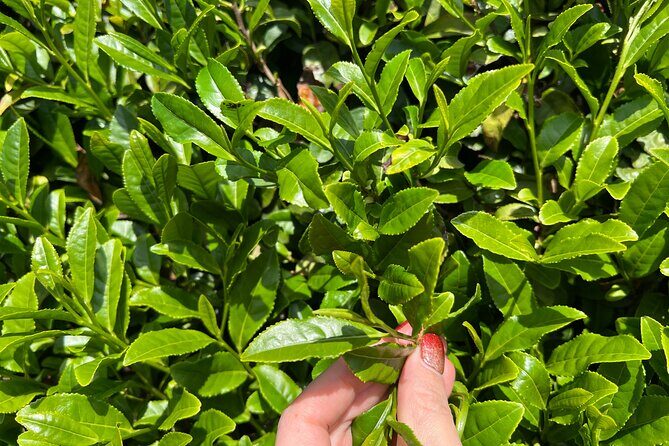
A highlight is that you’ll be able to take home premium matcha from a farm previously owned by the Imperial Family. That detail changes the trip from pure learning to something you’ll still taste later.
Why does that matter?
- Matcha degrades over time once opened, so having a sample you can use soon gives your trip a finish.
- If you remember the workshop and tastings, you can compare your homemade experience to what you tasted during the tour.
- It also helps you bring a piece of rural Wazuka home without needing to ship complicated ingredients.
You do not just leave with a bag. You leave with context for using it.
Price and value: is $520 per person worth it?
At $520 per person, this is not an impulse book. It’s priced like a private, guided agricultural experience, not like a general tea tasting.
Here’s the value case, based on what’s included:
- Private format: only your group, so you’re not sharing time with strangers.
- Two farm visits: learning from more than one place, not one quick stop.
- Guided tasting: both matcha tasting and tea tasting, which takes time and expertise to explain.
- Meal included: a matcha lunch set served in a traditional-style home.
- Workshop: hands-on learning takes staff time, not just a lecture.
- Pickup offered and a mobile ticket: you remove friction getting in and out.
- Take-home premium matcha: the Imperial-family connection is a notable included souvenir.
If you’re traveling as a couple or small group, the private nature and included meal/tastings can make the price feel less heavy than it first appears. If you’re solo and only mildly interested in tea, you might prefer a lighter, cheaper tasting-style outing.
But if you want the craft side of matcha, this is one of the more “serious learning” options around Kyoto.
Who this tour suits best (and who should rethink it)
This experience makes the most sense if you:
- care about how food is made, not only where it’s served
- enjoy tasting and want to learn how matcha varies
- want a private day in rural Wazuka instead of a crowded, checklist Kyoto morning
- like workshops and want a practical souvenir you can actually use
It may be less ideal if:
- you dislike uneven outdoor ground, because access can be bumpy and muddy
- you want a mostly indoor, low-walking experience
- you prefer budget-focused sightseeing over paid, guided craft time
Quick practical tips before you book
- Wear shoes you can handle getting dirty. The farm access can be muddy.
- Plan for a full morning to early afternoon, since it’s about 6 hours starting at 10:00 am.
- Think of it as a food-and-craft day. Bring curiosity, not just a camera.
Should you book this private Wazuka matcha farm tour?
If you’re serious about matcha and want more than a tasting counter moment, this tour is a strong choice. The combination of two farm visits, a matcha lunch set, matcha + tea tastings, a workshop, and take-home Imperial-family premium matcha is a lot for one day, especially in a private setting.
On the other hand, if you’re mainly sightseeing Kyoto for famous temples and don’t care much about how tea becomes what’s in your bowl, the price and the farm walking won’t feel as satisfying. Also, the mud and uneven access is real enough that it should factor into your footwear and comfort level.
For the right matcha-minded traveler, Wazuka is where this lesson lands.
FAQ
Where does the 7hr Private Wazuka True Hidden Kyoto Matcha Farm Experience start?
It starts at Wazuka-cha CafeJapan, 619-1222 Kyoto, Soraku District, Wazuka, Shirasu, Ōhazama 35 グリンティ和束 1階.
What time does the tour start?
The start time is listed as 10:00 am.
How long is the experience?
The duration is approximately 6 hours.
Is pickup offered on this tour?
Yes, pickup is offered.
Is this a private tour?
Yes. It is private, so only your group will participate.
How many matcha farms will you visit?
You’ll visit 2 local matcha tea farms.
What tastings and meal are included?
You’ll enjoy a matcha lunch set and participate in matcha tasting and tea tasting.
What can I take home from the tour?
You can take home some premium matcha from a farm previously owned by the Imperial Family.
Is the farm access easy to walk on?
Access can be bumpy and muddy, so plan for uneven ground.
What is the cancellation policy?
The experience is non-refundable and cannot be changed for any reason if you cancel or ask for an amendment.