REVIEW · KYOTO PREFECTURE
Kyoto: Zen Meditation and Garden Tour at a Temple with Lunch
Book on GetYourGuide →Operated by MagicalTrip · Bookable on GetYourGuide
A quiet hour can change your day. This Kyoto tour pairs Zen garden time with real zazen practice at Tofukuji, led by an English-speaking local guide. I like that it starts with calm, visual teaching before you ever sit down to meditate.
Two things I really liked: the small group size (up to 7) keeps the atmosphere respectful, and the guide explains what Zen means in real, everyday terms. The lunch is also a genuine high point, because you get Shojin ryori, including dashi-fish broth with a touch of dairy, in a setting tied to monk training.
One consideration: the zazen session is intentionally silent, so you’ll rely on provided silent reading materials, and the monk may not speak English. If you need lots of live translation during meditation, plan for that.
In This Review
- Key highlights to know before you go
- Entering the Zen garden at Kōmyō-in
- Tofukuji Temple details: San-mon gate, dragon ceilings, and the old toji
- The one-hour zazen session: posture, breathing, and guided silence
- Shōrin-ji (Bishamon-dō): adding one more layer to the temple walk
- Shojin ryori lunch: dashi broth, vegetables, and a monk-training setting
- Price and value: why $107 can feel fair here
- Logistics that matter: timing, station meeting point, and comfort
- Where to meet
- Lunch timing (important if you start early)
- Weather + temple comfort
- Who this Kyoto Zen meditation tour is best for
- Should you book the Kyoto Zen Meditation and Garden Tour with lunch?
- FAQ
- How long is the Kyoto Zen meditation and garden tour?
- Where is the meeting point?
- What language is the tour guide?
- Is Zen meditation included, or is it just temple sightseeing?
- What happens during the zazen session?
- Is lunch included, and what type of food is it?
- What group size should I expect?
- Who is the tour not suitable for?
Key highlights to know before you go
- Tofukuji Zen Temple at a major temple site where monks trained since the 13th century
- Zen garden commentary before zazen, so you understand what you’re looking at
- One-hour zazen with posture, breathing, and focus tips, followed by a brief monk discussion
- Shojin ryori lunch rooted in monk food culture (vegetables, mushrooms, seaweed; no meat or fish)
- Less-crowded temple corners through a focused, walkable route from Tofukuji Station
Entering the Zen garden at Kōmyō-in
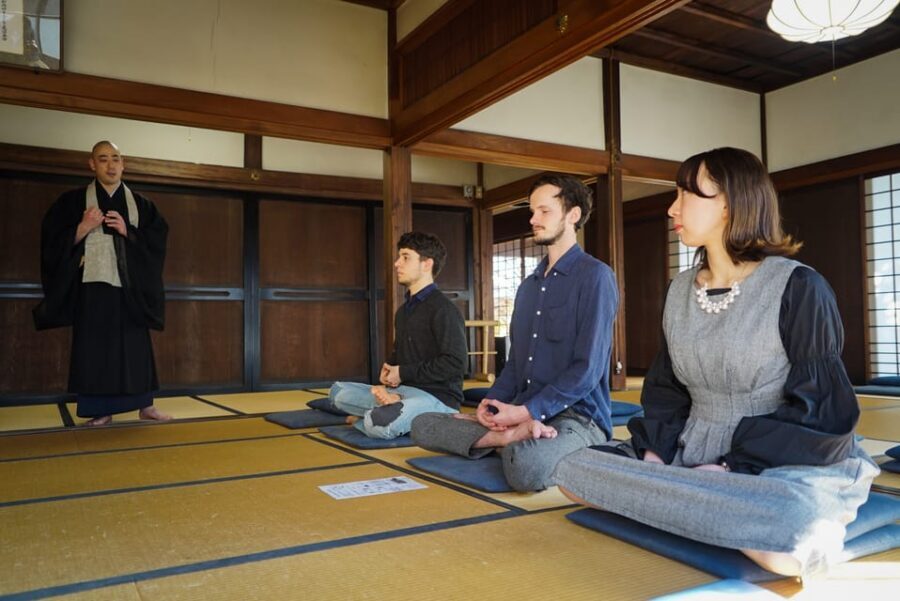
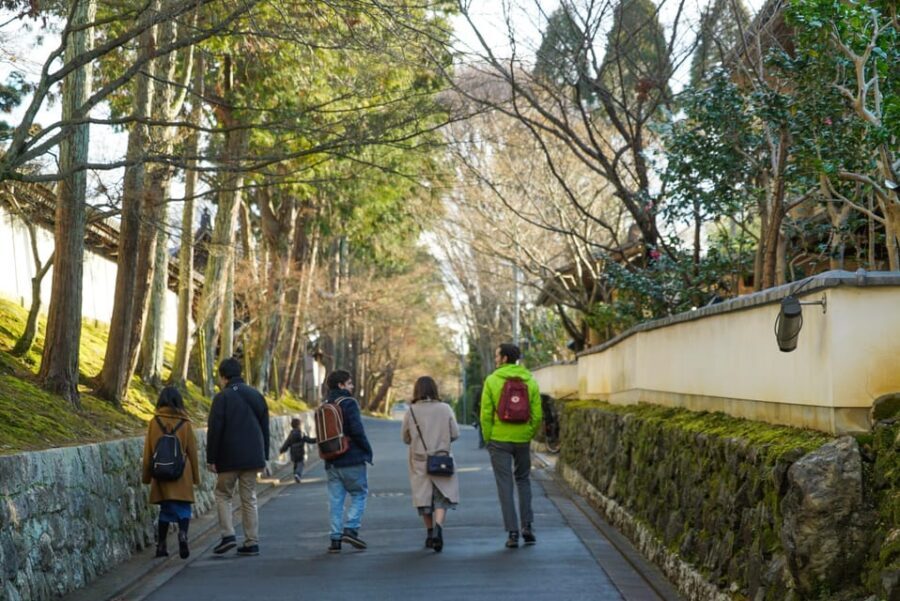
The tour starts in a way that feels right for Zen: before meditation, you slow down in a garden where the point is attention, not performance. You begin at Tofukuji Station (outside Exit 2, by the FamilyMart) and then head to Kōmyō-in Temple for about 40 minutes.
In this first stop, the local guide talks you through how to “read” the garden. That matters because Zen can feel abstract from the outside. Here, you get practical ways to look: how the space directs your focus, how stillness is part of the design, and how the garden becomes a kind of lesson you can feel in your body.
I also appreciate the pacing. You’re not rushing from photo spot to photo spot. You’re learning how to pay attention, and that sets up the meditation later so it doesn’t feel like something random you tried for an hour.
A few more Kyoto Prefecture tours and experiences worth a look

Tofukuji Temple details: San-mon gate, dragon ceilings, and the old toji
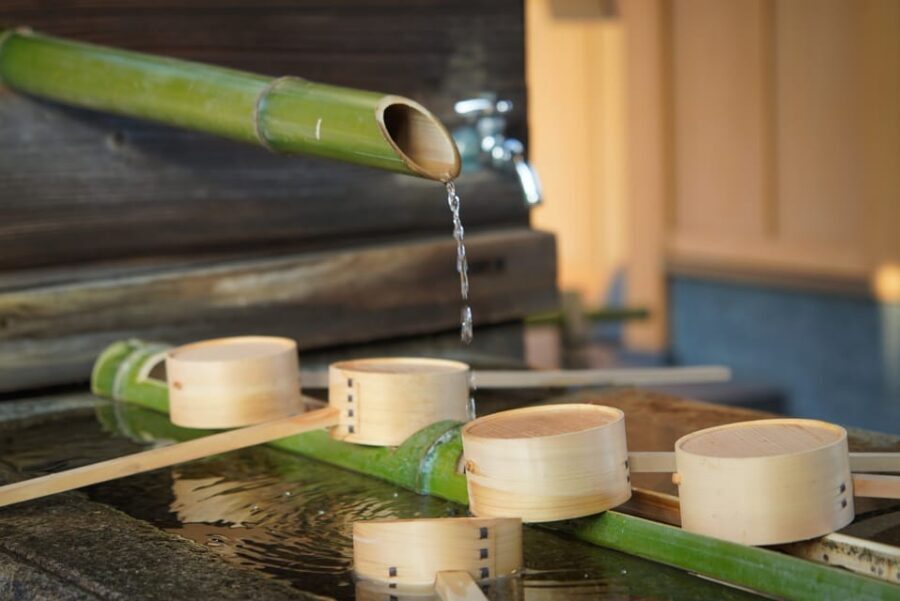
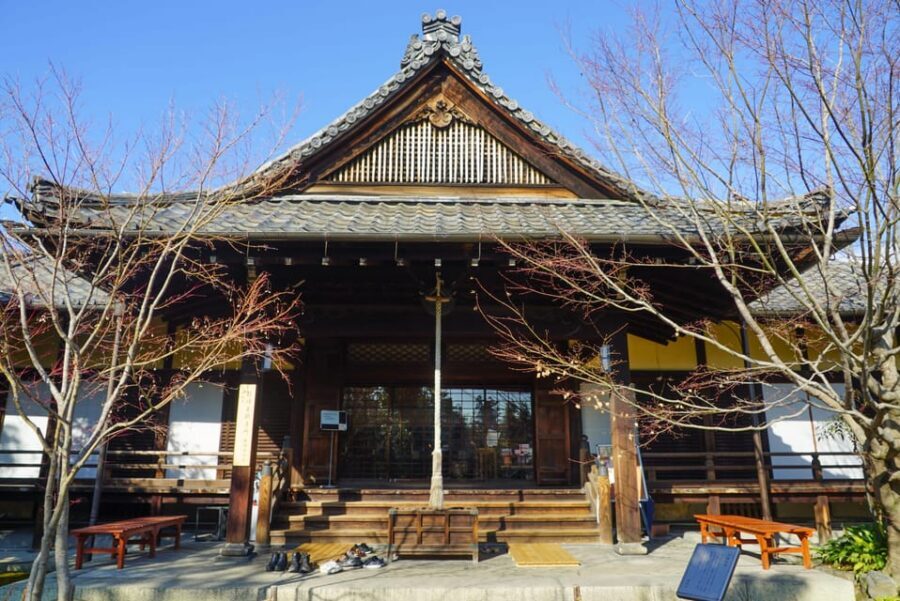
After the garden, you move into Tofukuji Temple itself, one of Kyoto’s “Great Zen Temples.” This stop is shorter (about 10 minutes), but it’s packed with recognizable highlights if you love temple architecture and symbolism.
You’ll see the San-mon gate, plus intricate ceiling paintings with dragon imagery. The guide also points out a surprisingly memorable detail: the oldest surviving toji (toilet). Yes, really. It’s exactly the kind of everyday historical detail that makes temple life feel human, not like a museum display.
What I like here is balance. The guide explains the meaning behind the visuals, but you also get the sense that temples weren’t built just for aesthetics. They were functional spaces for training, study, and community living. That context helps when you later sit for zazen and realize you’re entering a tradition meant for disciplined daily practice.
The one-hour zazen session: posture, breathing, and guided silence
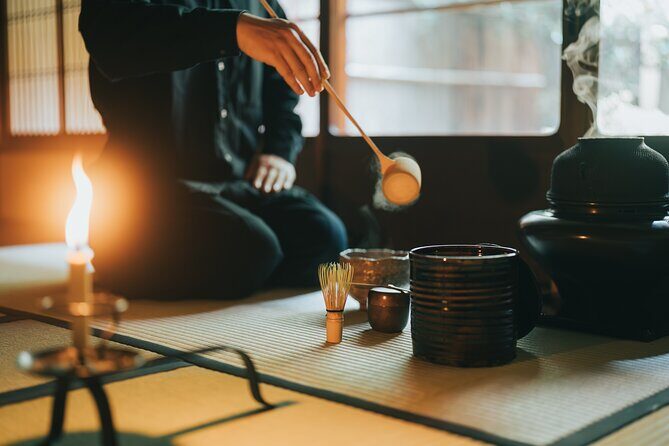
The heart of the tour is the zazen practice. After exploring Tofukuji, you go to a smaller area dedicated to zazen and spend about one hour inside.
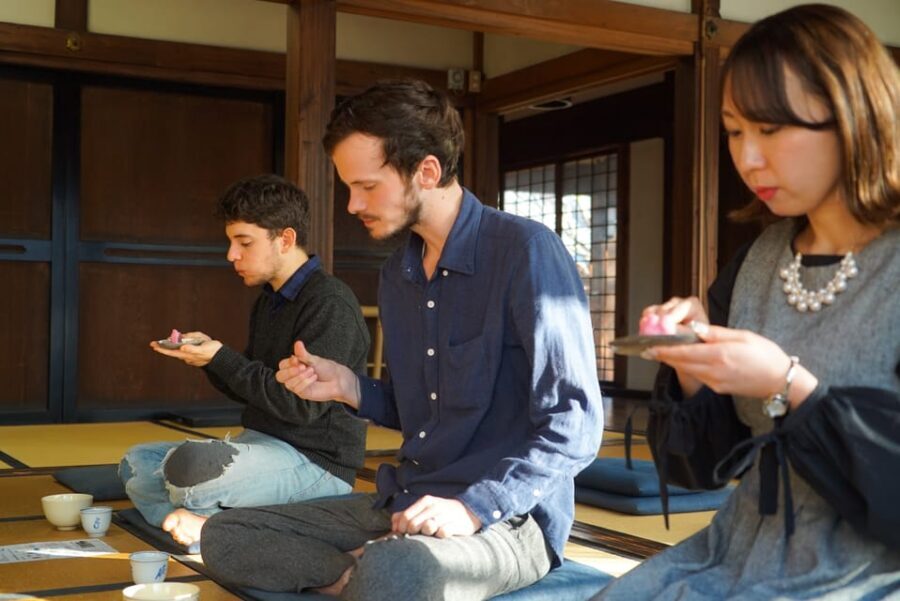
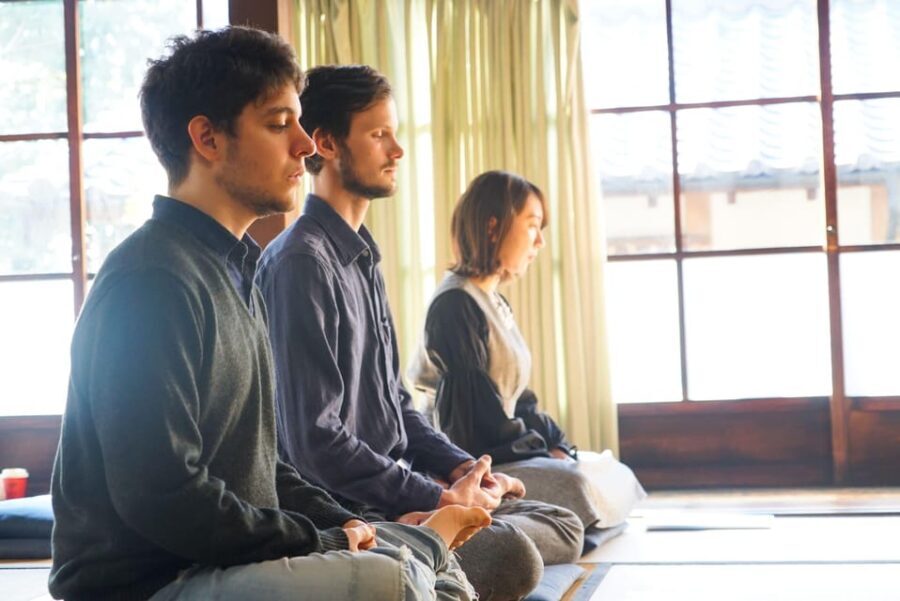
Here’s how it works: because the session requires silence, the guide stays quiet too, and you’ll get silent reading materials to help you follow along. You’re guided on posture, breathing, and practical focus methods—so you don’t just sit there wondering what you’re supposed to do.
This is also where the tour earns its “value” reputation. You’re not buying an hour of meditation in the dark. You’re getting structured help before and during the session, plus the correct cultural expectation: quiet, patience, and steady attention.
Then comes a turning point. Right after zazen, there’s a brief discussion with monks. You share what you experienced, and you get a little context that makes the practice feel grounded rather than mystical. If you’re the type who likes to understand what you’re doing (and why), this conversation is a big payoff.
One practical note from what’s been shared about this experience: English may not be guaranteed in the monk discussion itself. Even so, you’ll have your guide to help you ask questions when possible.
Shōrin-ji (Bishamon-dō): adding one more layer to the temple walk
The route doesn’t stop after zazen and lunch plans. You also visit Shōrin-ji (Bishamon-dō) for about 70 minutes, which gives the day a fuller sense of place.
This is where the tour becomes more than meditation class. You’re walking through a sequence of temple spaces at a Zen pace. The guide’s commentary connects details and symbols you might otherwise miss, and the extra time here helps you notice how each stop has its own mood.
For me, the best temple days have variety: one place for atmosphere, one for practice, and one for meaning. Shōrin-ji fits that “meaning” slot, giving you time to slow down and reflect on what you’ve learned without feeling rushed toward the next activity.
Shojin ryori lunch: dashi broth, vegetables, and a monk-training setting
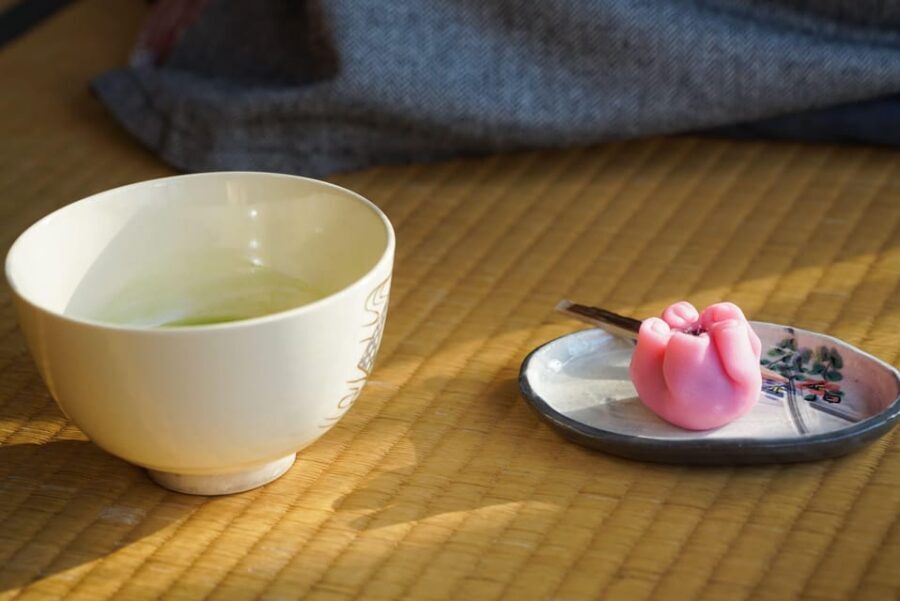
After zazen, you get Shojin ryori, a traditional Buddhist vegetarian meal. The food is served nearby and tied to a training temple atmosphere that once hosted up to 1,200 monks. That history turns lunch into more than a refuel stop.
Shojin ryori is built on vegetables, mushrooms, and seaweed, with no meat or fish. In this tour, you’ll also see dashi-fish broth used in the meal, and there’s a bit of dairy included. That’s useful to know because it changes the flavor experience from “simple vegetarian” into a more complex, monk-style palate: savory broth, delicate seasonal vegetables, and small dishes that build into a satisfying whole.
The lunch is served after a short walk to the restaurant area, so it feels like part of the day’s flow rather than an abrupt switch to tourism mode. And because your guide is there, you’re more likely to understand why certain ingredients matter.
If you’re a food traveler, I’d treat this lunch as one of Kyoto’s quieter cultural experiences. You’re tasting a way of eating designed for discipline, simplicity, and comfort.


Price and value: why $107 can feel fair here
At $107 per person for about 270 minutes, this tour isn’t “cheap,” but it does offer a solid value mix.
You’re paying for:
- a small group (up to 7), which protects the meditation atmosphere
- an English-speaking local guide who explains both Zen ideas and temple details
- temple admission fees
- a full one-hour zazen experience
- a traditional Shojin ryori lunch
- guided photos during the tour
Here’s the practical angle: meditation tours can sometimes sell a sit-down moment with little guidance. This one adds structure—garden context first, then posture and breathing help, then a brief discussion afterwards. That makes the hour feel usable even if you’re new to meditation.
Also, the lunch is included, and Kyoto can be expensive if you’re eating on your schedule after temples. By locking in food as part of the experience, you avoid the “what now?” scramble.
Logistics that matter: timing, station meeting point, and comfort
This tour is scheduled to start on time, and you shouldn’t count on late arrivals being forgiven. You can’t join late and you won’t get a refund or reschedule if you miss the group.
Where to meet
Meet outside Tofukuji Station Exit 2, next to the FamilyMart. If you’re arriving by train, give yourself buffer time so you can find the exit and avoid stress.
Lunch timing (important if you start early)
If you book a start time at 10:45, lunch lands around 14:15, after meditation. If that’s your start slot, eat a proper breakfast or brunch so you don’t end up hungry during the silent hour.
Weather + temple comfort
Kyoto summers are hot and humid, so bring water and a hat. Temple floors can be cold in winter, so bring thick socks.
Also, this experience isn’t for kids under 12, and it may not work for people with gluten intolerance, since gluten restrictions are explicitly noted.
Who this Kyoto Zen meditation tour is best for
This tour fits you best if you want more than “see temples” and you’re interested in practice, even if you’ve never tried meditation before.
You’ll likely enjoy it if:
- you like learning context as you go (garden → zazen → temple walk)
- you want a calm, small-group setting
- you’re okay with silence during zazen and reading quietly when needed
- you want a meaningful lunch in a temple-related food tradition
If you’re looking for lots of casual conversation during meditation, or you need constant English from the monk, you may find the silent structure challenging.
Should you book the Kyoto Zen Meditation and Garden Tour with lunch?
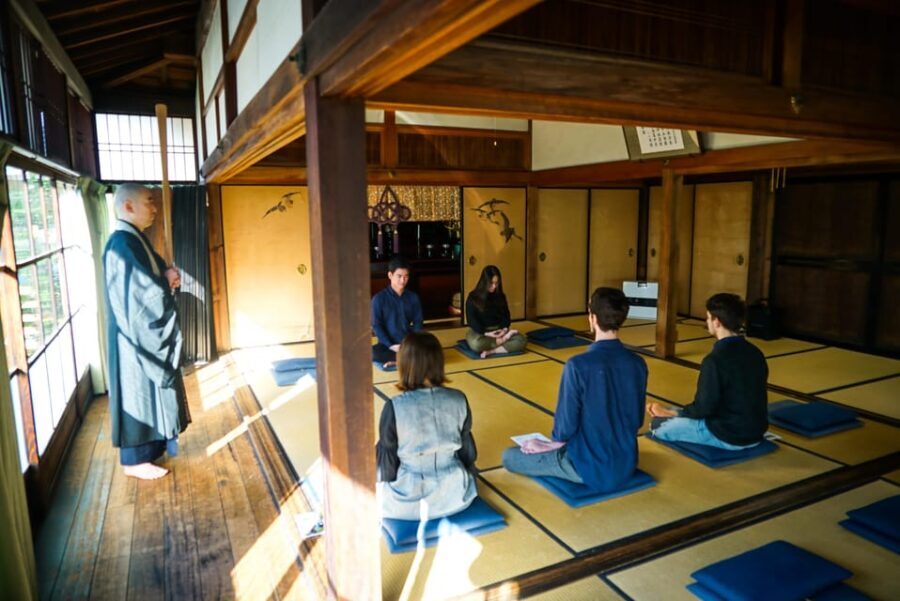
I’d book it if you want a guided, respectful Zen day that connects the idea of Zen to actual practice. The combination of garden teaching, a properly guided zazen session, and an included Shojin ryori lunch in a temple training context is a strong package for Kyoto.
Skip it if you:
- need a kid-friendly option (it’s not suitable for under 12)
- have a strict gluten issue and need certainty beyond what’s stated
- dislike silent activities or expect constant live translation during the zazen portion
If you’re craving quiet learning, good structure, and a lunch that feels culturally “in place,” this is one of the smoother ways to experience Zen in Kyoto without turning it into a rushed checklist.
FAQ
How long is the Kyoto Zen meditation and garden tour?
The experience runs for about 270 minutes.
Where is the meeting point?
Outside Tofukuji Station, Exit 2, next to the FamilyMart.
What language is the tour guide?
The tour is guided in English.
Is Zen meditation included, or is it just temple sightseeing?
Zen meditation is included. You’ll do a one-hour zazen session in a temple setting.
What happens during the zazen session?
During zazen, the guide maintains silence and you’re given special silent reading materials to help you follow along.
Is lunch included, and what type of food is it?
Yes. You’ll enjoy a traditional Buddhist vegetarian meal called Shojin ryori, including dashi-fish broth and a bit of dairy included.
What group size should I expect?
The tour is a small group limited to 7 participants.
Who is the tour not suitable for?
It’s not suitable for children under 12, and it’s noted as not suitable for people with gluten intolerance.