REVIEW · KYOTO PREFECTURE
Kyoto: Hike and Hot Springs in Kurama
Book on GetYourGuide →Operated by Kyoto Fun · Bookable on GetYourGuide
Kurama in Kyoto feels like a secret chapter of Japan. This half-day route pairs a mountain train ride with a hike through an ancient forest, then tops it off at Kurama Temple, a spot locals describe as having serious power. I especially like the mix of spiritual stops and real scenery—Kibune shrine for a prayer for good relationships, then the climb up to Kurama Temple with valley views. One drawback: the steps up are no joke, so you’ll want decent fitness and good shoes, and summer heat can make it feel harder.
What really makes the experience worthwhile is how the day flows from sacred to soothing. You finish back in the village of Kurama, where you can linger for late lunch or go straight for the hot spring bath with outdoor views of the mountains. If the temple area is under maintenance, you might lose a clean view of certain parts, but the experience still includes temple entry and key moments along the way.
In This Review
- Key things you’ll remember about the Kurama hike
- Kurama and Kibune: a calmer Kyoto escape in just 4 hours
- Getting there: Demachiyanangi Station and the mountain train rhythm
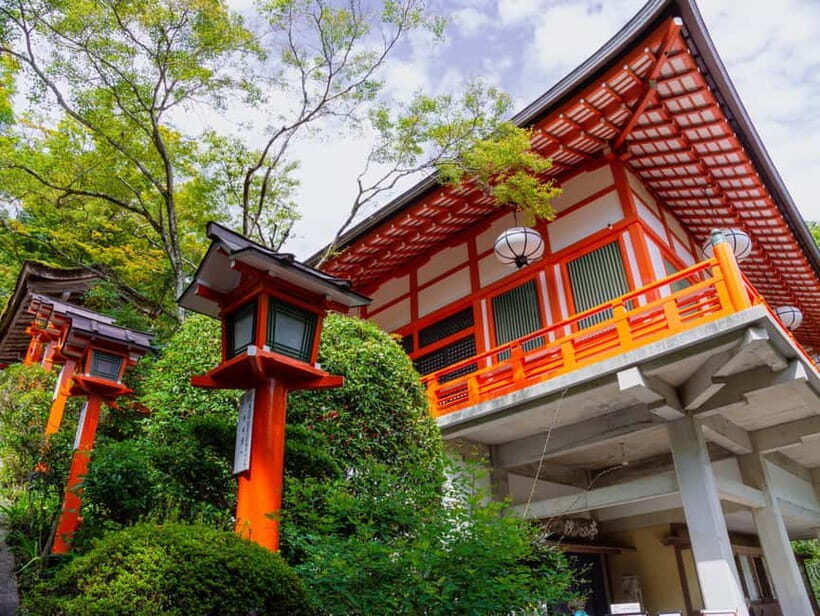
- Kibune shrine and the prayer for good relationships
- The ancient forest hike: steady steps, frequent scenic pauses
- Climbing to Kurama Temple: what matters in the 30–40 minutes uphill
- Kurama village afterward: your pick of lunch, stroll, or onsen
- The onsen experience: why it’s the perfect end to this hike
- Price and value: $80 for a guide-led half-day that saves mental energy
- Who should book this hike (and who shouldn’t)
- Practical tips to make your day feel effortless
- Should you book Kyoto: Hike and Hot Springs in Kurama?
- FAQ
- What’s the meeting point for the tour?
- How long is the hike and tour?
- What languages are the live guides available in?
- What’s included in the price?
- What’s not included?
- Do I need hiking experience or a certain fitness level?
- What should I bring?
Key things you’ll remember about the Kurama hike
- A train ride through the mountains: less effort up front, more time for the hike and views
- Kibune shrine + a relationship prayer: a meaningful cultural moment before you start climbing
- Ancient forest walking: crisp air, quiet trails, and lots of scenic stops
- Kurama Temple at the peak: a locally considered power spot with big views down the valley
- Kurama village time afterward: choose lunch, stroll, or head to the onsen
- Hot springs with mountain scenery: a great reset after the climb
Kurama and Kibune: a calmer Kyoto escape in just 4 hours
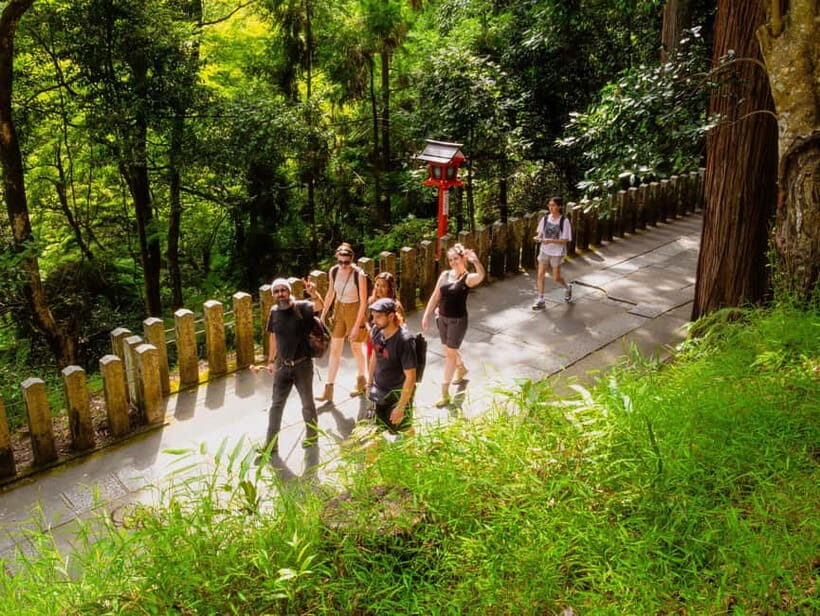
This is Kyoto, but not the Kyoto you usually picture. Instead of spending your time dodging crowds at major sights, you’re heading into the north mountain area with shrines, cedars, and river-valley air. The pacing fits a half-day: you get active, you get spiritual, and you still have energy left to enjoy Kurama afterward.
I like how the experience is built around variety. You start with movement on the rail line, then switch to a hike that’s steady and scenic, then finish with a reward that’s very Japanese: a soak in the onsen. It’s the kind of day that can genuinely change your mood, especially after days spent in city temples.
You can also read our reviews of more tours and experiences in Kyoto Prefecture.

Getting there: Demachiyanangi Station and the mountain train rhythm
Your meeting point is Demachiyanangi Station exit 7, right in front of the Eizan railway in Kyoto. From there, the tour takes you by train through the mountains to a rustic area where the hike begins. It’s a nice rhythm because you’re not immediately attacking the trail; you get warmed up while watching the scenery shift outside the window.
Also pay attention to the tour timing. The total duration is about 4 hours, so the itinerary is designed to keep the day moving without rushing the key stops. This matters because a short, well-managed tour beats a long day where you’re tired before the best part.
Kibune shrine and the prayer for good relationships
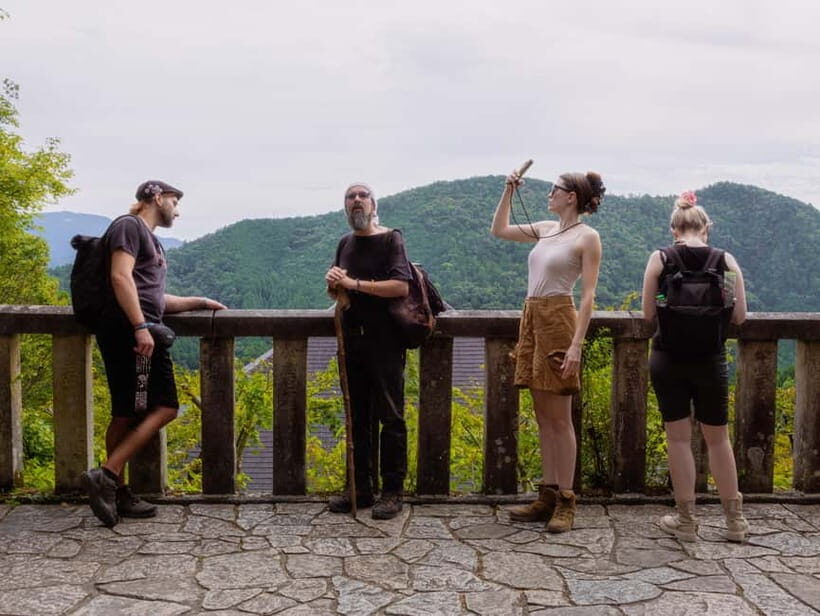
Before you head uphill for Kurama, you’ll visit Kibune shrine and make a prayer for good relationships. That one detail changes the vibe of the morning. You’re not just out for exercise—you’re stepping into local tradition at the start, so the rest of the hike feels connected, not separate.
Expect to learn as you go. Guides on this tour are known for explaining what shrines and temple deities mean in context, and names that have shown up in past group experiences include Philippe, Chris, Kevin, Salome, and Eric. You may get a guide with that same mix of local knowledge and story-telling style, which helps the route feel alive instead of like a marked trail.
The ancient forest hike: steady steps, frequent scenic pauses
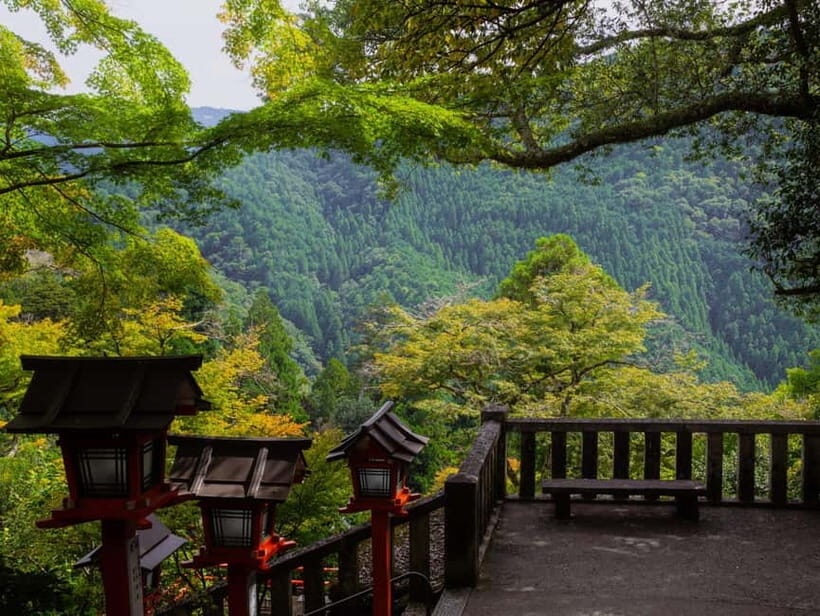
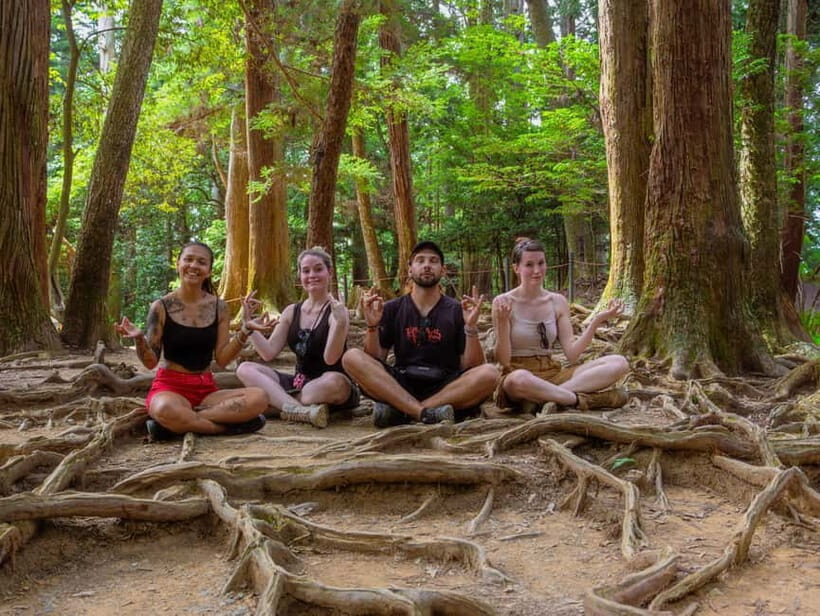
The hike takes you through an ancient forest with tall cedars and that cool, clean air you can almost smell in your lungs. You’ll start at a sacred point, then follow a scenic course that rises toward Kurama Mountain. Along the way, your guide will share tales tied to the area, and you’ll have plenty of moments to stop for views and small features on the trail.
This is where the tour earns its “energizing” label. The route isn’t just pretty—it’s paced so you can keep going without feeling like you’re sprinting to the finish. Still, climbing steps is part of the deal, so bring a smart attitude: slow foot placement, steady breathing, and take the stops your guide suggests.
Practical heads-up: you’ll want comfortable shoes and water. The tour also advises long pants to help avoid bug bites, which is especially useful in wooded areas.
Climbing to Kurama Temple: what matters in the 30–40 minutes uphill
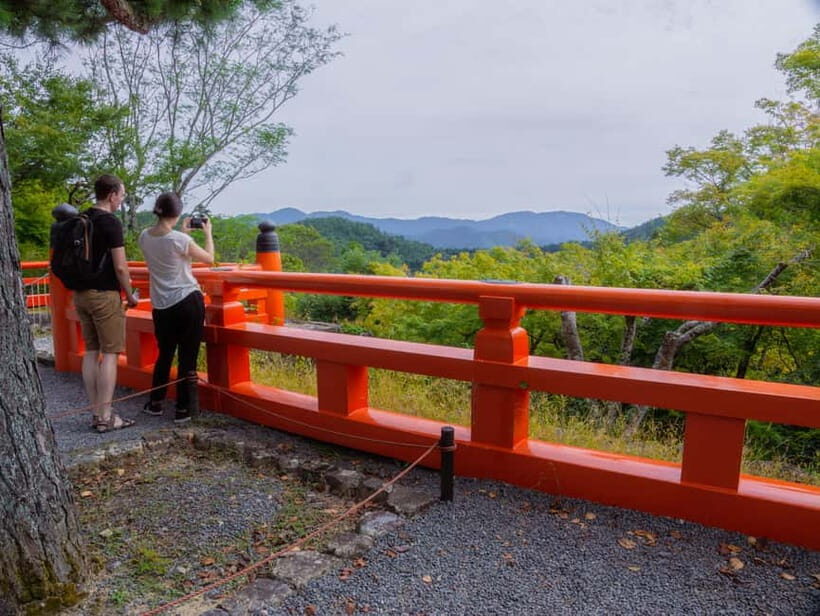
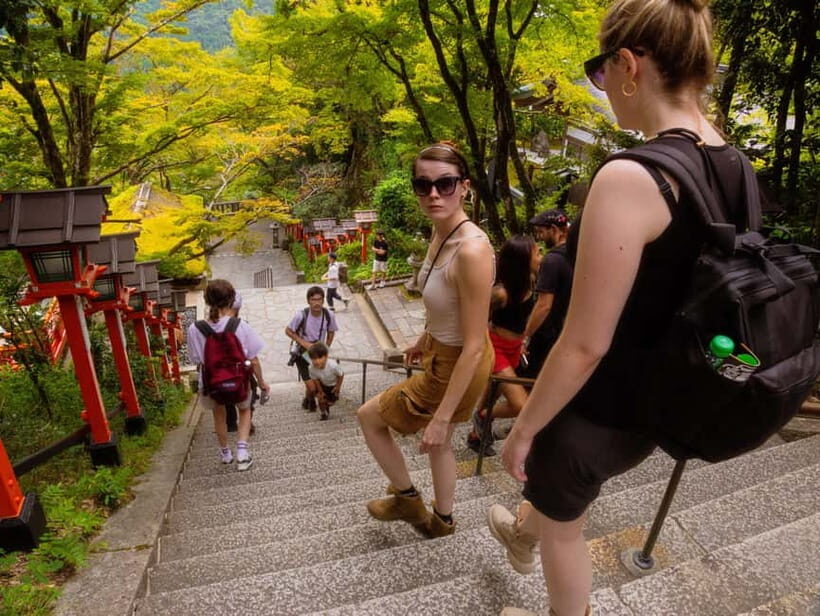
The peak climb is described as moderate, with the top reached in roughly 30–40 minutes once you’re on the steps and final rise. For first-timers, the main challenge is not distance—it’s the repeated step rhythm. If you’re comfortable with stairs, you’ll likely do fine. If stairs wear you out quickly, plan to slow down and lean on the planned stops.
When you reach Kurama Temple, you’ll visit a place locals treat as a power spot. From the temple area, the views open up over the valley below, which is the moment where the work pays off. You’re not just looking at scenery; you’re arriving at a spiritual viewpoint that locals have linked with legends for a long time.
One thing to keep in mind: temple areas can occasionally be under maintenance. In that case, you might see scaffolding that limits certain views, although temple entry and key parts of the experience still happen.


Kurama village afterward: your pick of lunch, stroll, or onsen
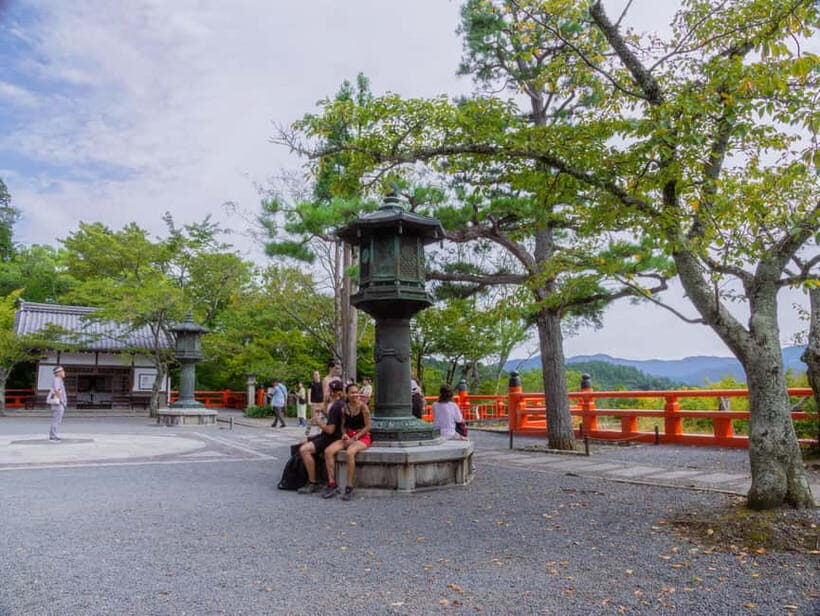
After the temple visit, you’ll descend into the village of Kurama. This is not a rushed drop-off. You’ll have time to hang around—grab late lunch, stroll the village streets, and reset before you head back.
This tour also gives you optional next steps at the end of the day. You can:
- take your time and eat in town
- choose the hot spring (onsen) option
- follow your guide’s pointers for the train ride back to Kyoto city
Hot spring fees are not included, but there may be a discounted ticket option offered for the bath. Either way, it’s one of the best uses of your remaining time because soaking is basically the world’s best “cool down” button.
The onsen experience: why it’s the perfect end to this hike
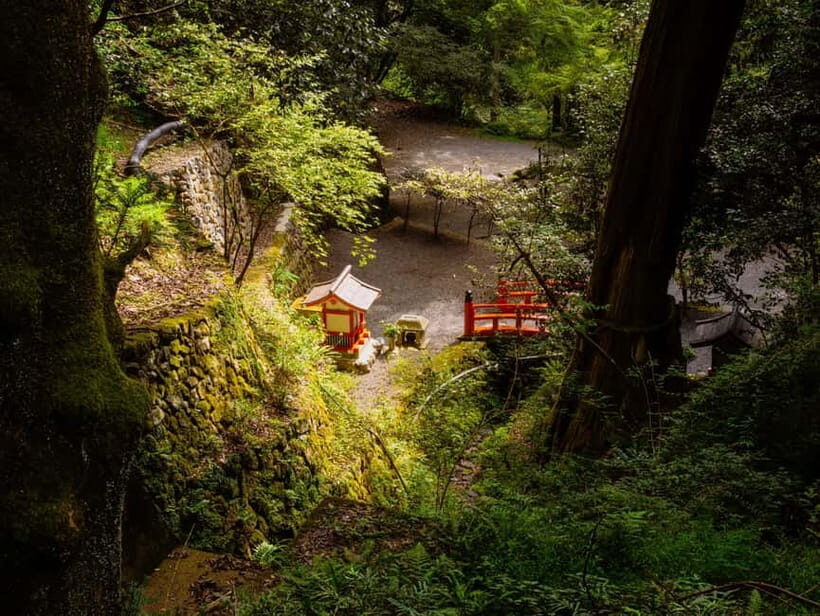
The onsen here is specifically known for outdoor bath views, so you’re not just washing and leaving. The value is in the contrast: cold mountain air and hard steps, followed by warm water and a view back toward the mountains. It turns the day from active into restorative.
Even if you skip the bath, don’t skip the village time. Kurama feels more local than most Kyoto neighborhoods, and it’s a good way to experience how people live around the mountain temples rather than treating the area like a quick photo stop.
Price and value: $80 for a guide-led half-day that saves mental energy
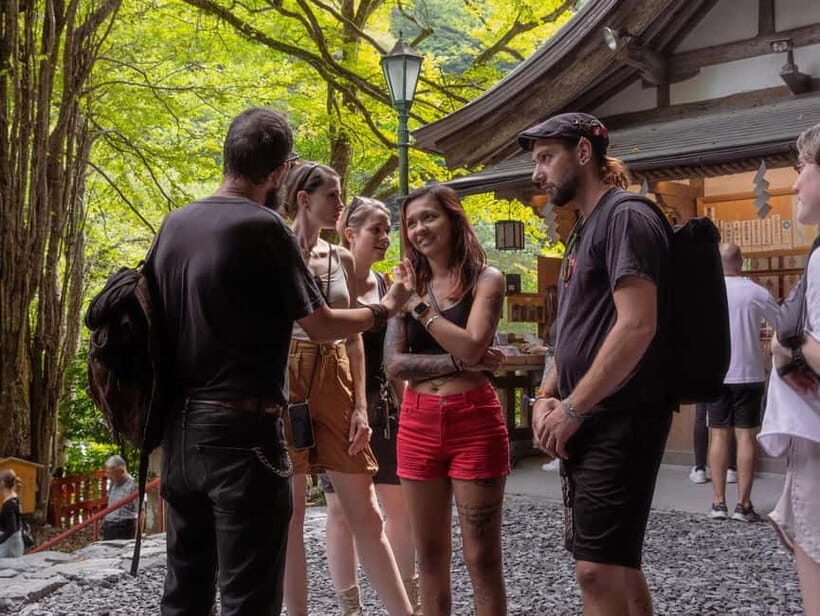
At about $80 per person for a 4-hour experience, the price can look moderate on paper—but it’s easier to justify once you break it down. You’re paying for a live guide, temple admission, and transportation as part of the route.
The biggest value isn’t only what’s included; it’s what you don’t have to figure out alone. From the meeting point by the Eizan railway, to keeping the hike moving at the right pace, to knowing where the meaningful stops are, your guide handles the “how” so you can focus on the “why.” That’s especially worth it in Japan when you’re navigating systems in another language.
Costs not included are also normal for this kind of outing:
- lunch
- the hot spring fee
- transportation back to the meeting point (you’ll return from Kurama by train on your own)
If you were planning to hike and visit shrines anyway, a guided route gives you a cleaner plan and a more cultural experience than piecing it together on your own.
Who should book this hike (and who shouldn’t)
This tour fits best if you:
- want a half-day escape from central Kyoto
- enjoy walking in nature and don’t mind stairs
- like spiritual context, not just scenery
- can handle moderate hiking and walking in uneven outdoor areas
It’s also a good match if you prefer smaller groups or private formats, since you can get more attention and sometimes more flexible timing.
That said, it’s not suitable for:
- children under 11
- people with mobility impairments or wheelchair users
- anyone without hiking experience
And if you’re sensitive to heat, plan your day smart. A hot day can make the climb feel harder, so bring water and adjust pace.
Practical tips to make your day feel effortless
- Wear comfortable, grippy shoes. You’ll be stepping up and down on a staircase-heavy route.
- Bring water even if you don’t usually. You’ll move uphill and you’ll feel it.
- Wear long pants for bug protection in the wooded sections.
- Pack a light plan for Kurama village: you can choose lunch or hot spring after the hike.
- For the hot spring, budget extra time. Even a short soak can turn into a longer, better reset.
One more tip: trust your guide’s pacing. This hike is structured with pauses so you can enjoy it instead of grinding through it.
Should you book Kyoto: Hike and Hot Springs in Kurama?
If you want Kyoto with less noise and more air in your lungs, I’d book it. The combination is strong: Kibune shrine + Kurama Temple for the spiritual core, a forest hike for the body, and an onsen for the recovery. At $80, it’s also a good value for what you receive, especially since temple admission and transportation along the route are included.
Skip it if you hate stairs, can’t manage moderate hiking, or you want a fully “easy walking” day. Also think twice if you’re hoping for the temple views to be picture-perfect no matter what—maintenance can happen.
If you’re in decent shape and you want a memorable slice of northern Kyoto, this is the kind of half-day that leaves you feeling both grounded and refreshed.
FAQ
What’s the meeting point for the tour?
You meet at Demachiyanangi Station exit 7, in front of the Eizan railway, Kyoto.
How long is the hike and tour?
The total duration is about 4 hours.
What languages are the live guides available in?
The live tour guide is available in English and French.
What’s included in the price?
Included are the guide fee, temple admission, and transportation.
What’s not included?
Hot spring fees and lunch are not included. Transportation back to the meeting point is also not included; you’ll return by train after the tour.
Do I need hiking experience or a certain fitness level?
Yes. The tour requires a decent level of fitness, and climbing the steps to the top takes about 30–40 minutes. It’s not suitable for people without hiking experience.
What should I bring?
Bring comfortable shoes and water. Long pants are recommended to help avoid bug bites.