REVIEW · KANAZAWA
Guided Night Tour to Feel the Samurai Culture in Kanazawa
Book on Viator →Operated by Attractive JAPAN · Bookable on Viator
Night in Kanazawa turns history into theater. I love the after-dark atmosphere and how the guide makes samurai culture feel specific to this city, not just Japan in general. You get a guided route that strings together lantern-lit streets, old quarters, and river views so your first night lands with purpose.
One note: you’ll be walking on dark, sometimes narrow roads, and winter can feel cold fast. If you show up in sneakers that hate cobblestones, you’ll feel it by stop 4.
In This Review
- Key takeaways before you go
- Why Kanazawa’s Samurai-and-Geisha Areas Work Better After Dark
- Tea Houses in Kazuemachi Chayagai and Higashi Chaya District
- Asanogawa Bridge Lights and Kanazawa’s Water Network
- Otebori Moat Walls and Oyama Shrine’s Go-Shinmon Gate
- Nagamachi Bukeyashiki Ruins: Stone Streets Where Samurai Once Lived
- Mobile Ticket, Dark Streets, and Photo Timing Tips
- Is $56.50 a Good Deal for This 2-Hour Night Walk?
- Should You Book This Night Tour in Kanazawa on Your First Night?
- FAQ
- How long is the guided night tour?
- How much does the tour cost?
- What is included in the price?
- Is dinner included?
- Where is the meeting point and where do we end?
- Do I need to bring a ticket?
- Are there restrooms during the tour?
- Is the tour very strenuous?
- What if I cancel?
Key takeaways before you go
- Small group (max 6) means more questions and fewer people blocking your photos
- Two hours is long enough for real context, but short enough for a first-night win
- Illuminated water sights on the Asano River make the night portion feel special
- Photo stops at major landmarks help you slow down and actually look
- Samurai neighborhoods you can still recognize at Nagamachi Bukeyashiki
Why Kanazawa’s Samurai-and-Geisha Areas Work Better After Dark
Kanazawa can feel calmer than Kyoto. At night, that matters. The streets in the tea-house districts and the historic quarters don’t have the same daytime crowd crush, so the vibe is easier to read—and easier to imagine.
This tour also has a practical advantage: it’s structured. Instead of wandering and trying to connect dots yourself, you get guided storytelling tied to the exact places you’re walking through. The pay-off is that the samurai theme stays grounded in Kanazawa’s own setting—especially around former merchant power (Owaricho) and the warrior residences in Nagamachi.
And yes, the lighting helps. The itinerary intentionally leans on illuminated rivers and castle-area stonework, so you’re not just looking at dark shapes. It’s more like walking through a museum after hours, but with real streets and real scale.
You can also read our reviews of more guided tours in Kanazawa



Tea Houses in Kazuemachi Chayagai and Higashi Chaya District
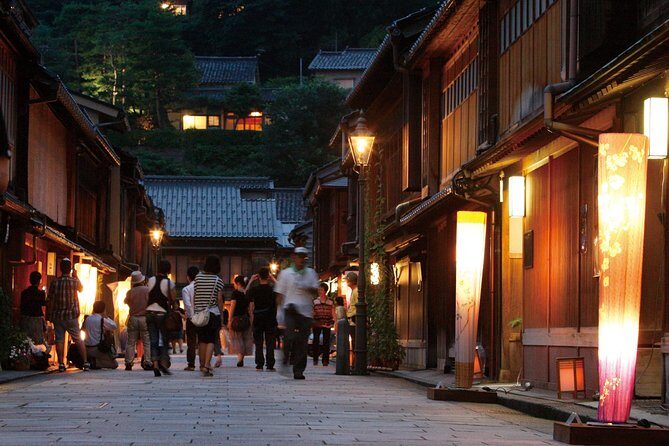
You’ll start in the Kazuemachi Chayagai area, moving through Owaricho first. Owaricho is important because it was Kanazawa’s economic center during the samurai era. Walking there at night gives you a fuller picture: not just warriors and uniforms, but the money and infrastructure that supported the whole system.
From there, you’ll head into the lively back-alley feel of the tea-house district. This is where Kanazawa’s traditional architecture shows off—wooden facades, tidy street lines, and the sense that people have lived in these patterns for a long time. The stop time is short, so you’ll want to come ready to look closely, not zoom past for the next photo.
Then the tour adds Higashi Chaya District. Together, these tea-house areas act like a bridge between two worlds: what the city was built for, and how it expressed itself through arts and hospitality. If you’ve been to Kyoto already, you’ll notice Kanazawa feels less performative and more lived-in at night.
Small drawback here: some areas may feel quiet after dark, so your best experience comes from slow walking, not sprinting from one viewpoint to another. If you want constant activity, this isn’t that kind of tour.
Asanogawa Bridge Lights and Kanazawa’s Water Network
The Asanogawa River stop is one of the smartest parts of this itinerary. Water shapes Kanazawa’s daily life and its history, and you can feel that immediately when you start looking across the river instead of down at your feet.
You’ll see the bridge area with a special night atmosphere: four bridges in different styles are illuminated. That’s the kind of detail that’s hard to notice on your own unless you know where to stand and when to look. Your guide’s job here is basically timing and interpretation—helping you connect the lighting you’re seeing to why these spots mattered.
This is also a good moment to take photos that don’t feel like the same postcard. Try shifting your angle slightly between shots. The illumination changes with the line of sight, and it makes the city look deeper than a quick walk-by.
Practical tip: hold off on the hot cocoa decisions until after this stop. You’ll likely want the energy for the next stretch.
Otebori Moat Walls and Oyama Shrine’s Go-Shinmon Gate
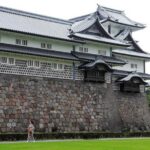
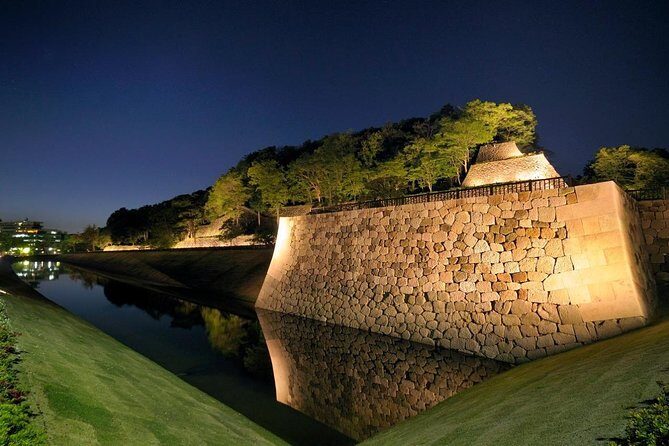
Next comes the castle area, starting with Kanazawa Castle Otebori. Otebori is a moat lined with stone walls, and the water has not been drained even in modern times. That matters because you’re not looking at a reenactment. You’re seeing a historical feature that still holds its original presence.
At night, the moat edges can look extra crisp against the dark. It’s not just scenic—it’s also understandable. A guide helps you read the stonework and layout so the space feels logical, not random.
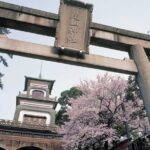
After that, you’ll visit Oyama Shrine, known for its peculiar Go-Shinmon Gate. The shrine is dedicated to Toshiie Maeda, the founder of the Kaga Domain. This stop gives the tour its political backbone: who founded the power, and why Kanazawa’s samurai culture wasn’t just a vague concept.
If you like your history with clear names and cause-and-effect, this section is a highlight. It’s also where your guide can answer the questions you’re probably already carrying in your head—like how the samurai world connected to the city you’re walking through.
Nagamachi Bukeyashiki Ruins: Stone Streets Where Samurai Once Lived
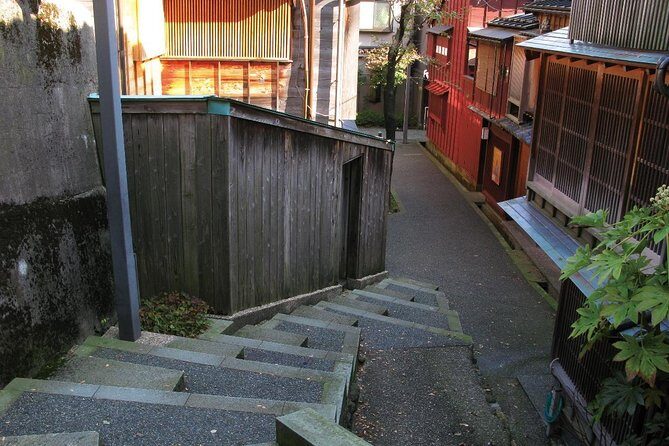
The final stop is the Ruins of Nagamachi Bukeyashiki—former samurai residences where the urban feel hasn’t vanished. Some citizens still live in parts of the area, so this isn’t a sealed-off heritage site. The charm is real, but so is the everyday street texture.
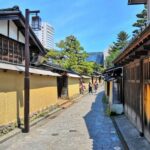
You’ll walk streets with stone pavements and earthen walls. That combination is the key sensory detail here: it makes the samurai era feel physical. You can almost understand the boundaries—where daily life met protection, and where power lived in plain sight.
The stop lasts long enough (about 30 minutes) to absorb the atmosphere and take photos without feeling rushed. If you want to leave with a strong last impression, this is where it lands.
One consideration: because it’s a neighborhood-feeling area, keep your pace respectful. This is not only for viewing; it’s for living. And your best photos come when you slow down rather than try to force a perfect angle.
You can also read our reviews of more evening experiences in Kanazawa



Mobile Ticket, Dark Streets, and Photo Timing Tips
This tour runs about 2 hours on foot. You’ll want to plan around that: comfortable shoes matter more than you think, because you’re walking through historic stone and alleys where footing can be uneven.
The tour notes several bathrooms along the route, and vending machines are available too. Still, I’d take care of it before you start—night strolls are no time to hunt for a restroom.
Weather matters. The temperature can drop at night in winter, so bring layers. Also, the roads may be dark or narrow, so listen when your guide signals where to walk and when to pause for photos.
You’ll use a mobile ticket, and the meeting point is at Mister Donut Kanazawa Musashi Shop (1F) in Kanazawa. The tour ends near Korinbo. There’s also a possibility of finishing closer to Omicho market area or the Higashi tea-house area based on what you request—handy if you’re trying to line up your next meal.
One more real-life detail: the route can adjust. Depending on the situation, a route bus or taxi may be used, and any transport costs are on you. The good news is that it’s handled by the guide, not you navigating last-minute changes in the dark.
Is $56.50 a Good Deal for This 2-Hour Night Walk?
At $56.50 per person, you’re paying for three things that add up faster than you expect: a good guide, a tight route, and timing that fits night lighting.
The guide component isn’t vague. People consistently praise guides like Hiromi-san, Miki-san, Masayo, Ohhara, Nozomi, and Ms Shirai for being friendly, professional, and clear in English. That shows up in how the tour feels: you don’t just hear facts—you get context tied to what you’re standing in front of.
The route component is also valuable. Kanazawa’s historic areas are spread out enough that doing it alone often turns into guesswork. Here, you get linked stops: tea-house districts, an illuminated river crossing, castle moat walls, a shrine gate with a specific founder connection, and finally the samurai residences area.
Finally, night timing is the hidden value. The illuminated bridges and moats change the experience. Even if you’ve done daytime sightseeing in Japan, this adds a different layer.
Who should book? I’d especially recommend it for first-timers, people who like to learn while they walk, and anyone who wants an easy first evening without committing to a long day itinerary.
Should You Book This Night Tour in Kanazawa on Your First Night?
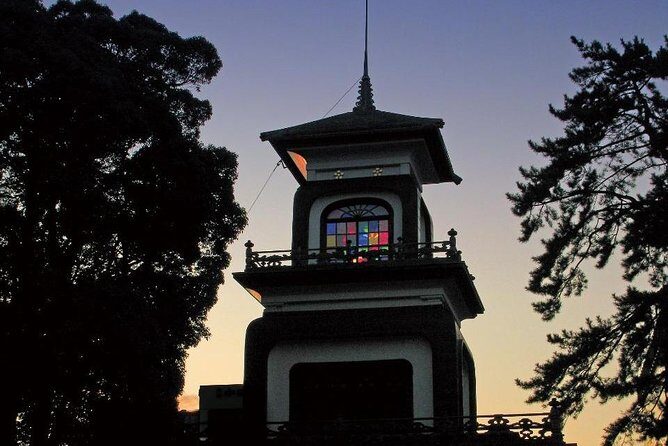
If your goal is samurai culture with real place-based context, I think this is a smart first-night move. Two hours keeps it manageable, the small group size keeps it personal, and the lighting-driven stops make it feel more than a simple walk.
Book it if you:
- want a guided route through both tea-house and samurai-feeling areas
- like photo stops with a reason behind them
- enjoy asking questions and getting answers on the spot
Skip it (or adjust expectations) if you:
- hate walking at night or in winter cold
- expect every site to be open and busy after dark
- want a dinner-included plan instead of a sightseeing focus
If you’re trying to make the most of your limited time in Kanazawa, this tour does what good night tours should: it makes the city easier to understand while you’re still enjoying it.
FAQ
How long is the guided night tour?
It lasts about 2 hours.
How much does the tour cost?
The price is $56.50 per person.
What is included in the price?
The guided tour fee is included.
Is dinner included?
No, dinner is not included.
Where is the meeting point and where do we end?
You meet at Mister Donut Kanazawa Musashi Shop (1F). The tour ends around Korinbo, with possible alternatives like the Omicho market area or the Higashi tea-house area by request.
Do I need to bring a ticket?
You’ll use a mobile ticket.
Are there restrooms during the tour?
Yes. There are several bathrooms on the tour course, and the guide will indicate them during the tour.
Is the tour very strenuous?
It’s a walking tour, so you should wear comfortable shoes. The roads can be dark or narrow.
What if I cancel?
This experience is non-refundable and cannot be changed for any reason.